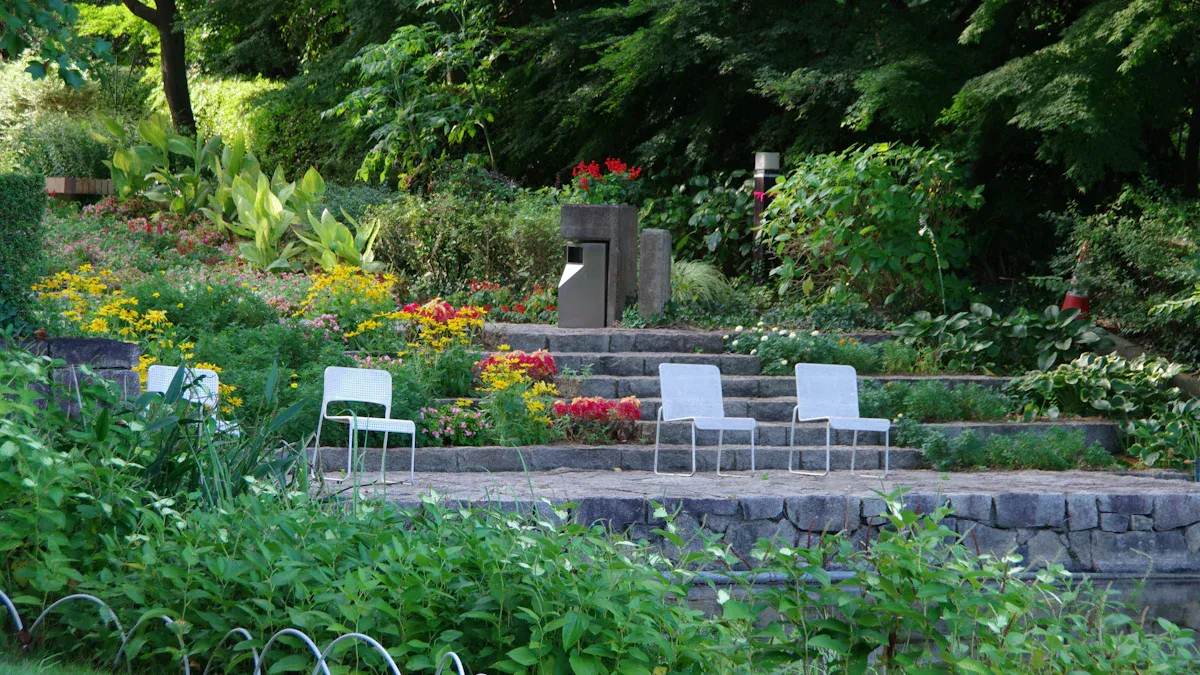
Maintaining native plant gardens is crucial for promoting biodiversity and supporting local ecosystems. A well-structured maintenance plan enhances the health and sustainability of these gardens. Approximately 30% of plants in gardens are native, but the National Wildlife Federation recommends aiming for 70% native species. By focusing on native plants, you reduce the need for fertilizers and pesticides, leading to a more eco-friendly garden. This approach not only saves water but also lowers long-term maintenance costs. Embracing seasonal planning allows you to stay ahead of essential tasks, ensuring your garden thrives year-round.
Key Takeaways
Incorporate at least 70% native plants in your garden to support local ecosystems and reduce maintenance costs.
Follow a seasonal maintenance schedule: clean in spring, water deeply in summer, prepare for winter in fall, and protect plants during winter.
Use organic mulch to retain moisture, suppress weeds, and improve soil health; aim for a thickness of 2 to 4 inches.
Regularly monitor for pests and diseases; early detection allows for effective management and supports a balanced ecosystem.
Adjust your maintenance plan based on local climate and plant growth to ensure your native garden thrives year after year.
Understanding Native Plants
Importance of Native Plants
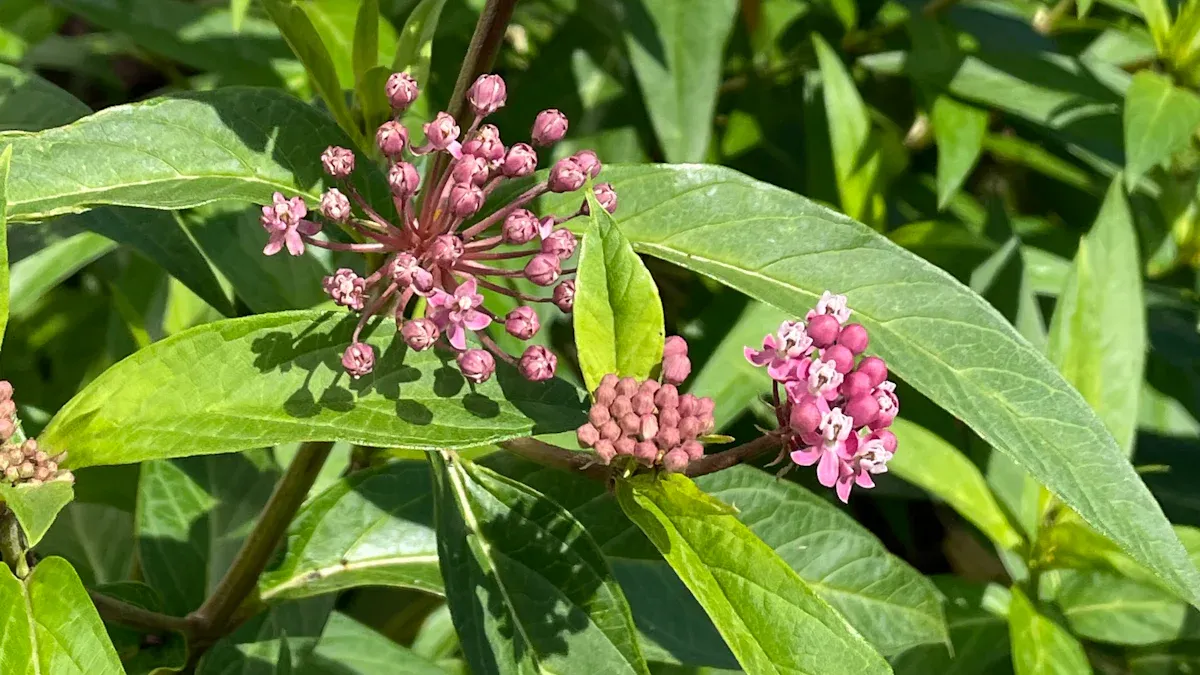
Native plants play a vital role in maintaining healthy ecosystems. They contribute significantly to local biodiversity and ecosystem stability. Here are some key benefits of incorporating native plants into your garden:
Native plants attract pollinators like bees and butterflies, which are essential for plant reproduction.
They provide food, homes, and habitats for various animals, including birds and insects.
These plants support local wildlife by forming complex relationships with other species, which is essential for a balanced food web.
Native plants offer ecosystem services such as soil retention, water filtration, and pollination, crucial for ecosystem health.
In urban areas, they create green corridors that help wildlife navigate fragmented landscapes.
By choosing native plants, you help sustain various species within your local ecosystem.
Characteristics of Native Plants
Native plants possess unique characteristics that make them well-suited for regional gardens. Here are some traits that enhance their adaptability:
They have evolved to withstand local climate challenges, making them resilient to weather conditions.
Native plants are better suited to local pest pressures, reducing the need for chemical treatments.
They feature deep root systems that improve soil health and prevent erosion.
These plants thrive without pesticides and require less watering and fertilization.
They provide habitats and food for local wildlife, supporting biodiversity.
Native plants offer a variety of colors and textures, enhancing the beauty of your landscape.
By understanding these characteristics, you can make informed choices that benefit both your garden and the environment. Embracing native plants not only simplifies maintenance but also fosters a thriving ecosystem right in your backyard.
Maintenance Plan Overview
Creating a solid maintenance plan is essential for the success of your native plant garden. This plan should include seasonal tasks and key considerations to keep your garden thriving.
Seasonal Tasks
You can break down your maintenance tasks by season. Here are some important tasks to consider:
Spring:
Remove any winter debris and dead plant material.
Assess plant health and prune as needed.
Apply organic mulch to retain moisture and suppress weeds.
Summer:
Water deeply but infrequently to encourage deep root growth.
Monitor for pests and diseases, applying integrated pest management as needed.
Regularly check for weeds and remove them promptly.
Fall:
Cut back perennials after they finish blooming.
Leave fallen leaves in place to provide habitat for various organisms.
Prepare your garden for winter by adding mulch.
Winter:
Evaluate your garden’s performance and plan for the next growing season.
Protect sensitive plants from harsh weather conditions.
A detailed calendar of maintenance tasks helps you stay organized. It ensures timely care, which is crucial for plant health. Regular evaluations of plant health allow you to identify issues early, promoting biodiversity.
Key Considerations
When creating your maintenance plan, keep these key components in mind:
Long-term management guidance is vital for sustainability.
Prepare for both dormant and growing seasons to maximize plant health.
Manage common weeds, pests, and plant diseases effectively.
By considering these factors, you can create a comprehensive maintenance plan that supports the health of your native plant garden.
Maintenance Tasks
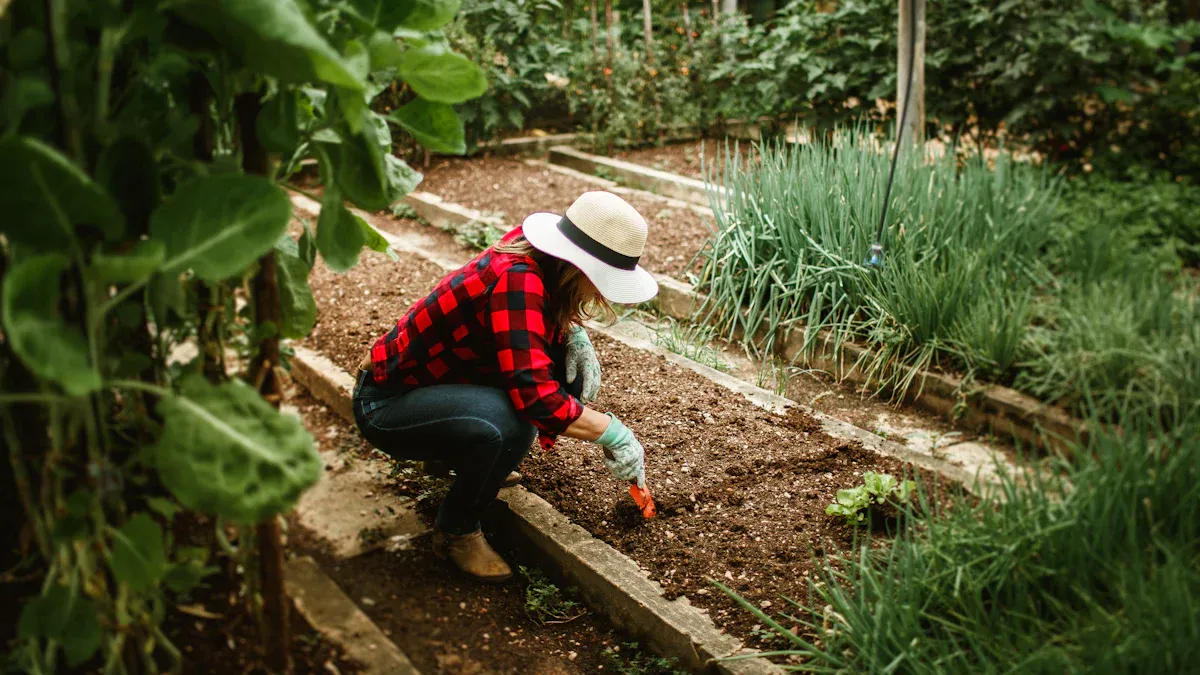
Maintaining your native plant garden involves several essential tasks. Each task plays a crucial role in ensuring the health and beauty of your plants. Here’s a closer look at the key maintenance tasks you should focus on:
Watering Techniques
Watering is vital for the growth of your native plants. Here are some effective techniques to consider:
Water in the early morning when the soil is coolest. This helps to thoroughly soak the soil.
Anticipate heat events and water before they occur, rather than during them.
Regularly check your irrigation system’s accuracy and effectiveness.
Choose plants that can tolerate your specific soil type and microclimate.
For the first few months after planting, water your native plants once a week. After that, reduce the frequency to 1-2 times per month, depending on the species. Some water-loving plants may require more frequent watering, up to four times a month. Once your plants are established (after about two years), some may naturalize and need little to no supplemental water, while others may still require occasional irrigation based on their habitat.
Time Frame | Watering Frequency |
|---|---|
First 1-3 months | 1x per week |
3-24 months | 1-2 per month (some may need 4x) |
24+ months | Varies; some may need no water |
Weeding Strategies
Weeds can compete with your native plants for nutrients and water. To minimize this competition, follow these strategies:
Inspect your garden monthly during the growing season. Look for signs of stress or invasive growth.
Remove weeds promptly to prevent them from spreading.
Use mulch to suppress weed growth and retain soil moisture.
By staying vigilant, you can keep your garden healthy and thriving.
Pruning Guidelines
Pruning helps maintain the shape and health of your native plants. Here are some guidelines to follow:
Proper pruning enhances the beauty of your landscape. Improper pruning can weaken or deform plants.
It’s often better not to prune than to do it incorrectly. Many plants thrive with little or no pruning in nature.
Focus on removing parts that are ineffective or unhealthy. This allows the plant to direct energy toward healthy growth.
For broad-leaved evergreens, minimal pruning is needed. Light thinning during the dormant season can help shape them.
When pruning, remove only about one-third of the branches at a time to maintain the plant’s shape.
Mulching Benefits
Mulching offers numerous benefits for your native plant garden. Here’s why you should consider it:
Mulch helps retain soil moisture, reducing the need for frequent watering.
It suppresses weed growth, allowing your native plants to thrive.
Different types of mulch provide various benefits. For example, wood chips can significantly reduce weed density.
Mulch Type | Effect on Soil Moisture | Effect on Weed Suppression |
|---|---|---|
Wood Mulch | Increased moisture levels with depth | Significant decline in weed density with increased depth |
Depth of Mulch | Greater stem growth at 7.5 cm depth | Decline in weed diversity with depth |
Aim for a thickness of 2 to 4 inches of mulch for optimal effectiveness.
Pest and Disease Monitoring
Monitoring pests and diseases is crucial for maintaining a healthy garden. Follow these best practices:
Monitor: Regularly inspect your plants to identify any issues early.
Identify: Accurately diagnose the problem using relevant information.
Assess: Determine if action is necessary based on the level of damage.
Implement: Formulate an action strategy that is effective and least toxic.
Evaluate: Review the results of the actions taken.
A proactive approach includes regular inspections, proper sanitation practices, and using natural pest deterrents. This encourages beneficial insects and wildlife that naturally control pests.
By following these maintenance tasks, you can create a thriving native plant garden that supports local ecosystems and enhances your landscape.
Seasonal Maintenance Schedule
Maintaining your native plant garden requires attention throughout the year. Each season brings unique tasks that help ensure your plants thrive. Here’s a breakdown of essential seasonal maintenance tasks:
Spring Tasks
Spring is a crucial time for rejuvenating your garden. As temperatures rise, you should focus on the following tasks:
Clean out garden beds by thinning out dense mulch and removing organic debris.
Give your plants a ‘haircut’ when temperatures consistently exceed 50°F. This protects overwintering insects.
Pull weeds early in spring to prevent competition with your native plants.
Prune selectively, waiting until after flowering for spring-blooming shrubs.
Prepare new beds for fall planting by applying sheet mulch or solarizing materials.
These tasks help your garden wake up from winter dormancy and set the stage for healthy growth.
Summer Tasks
Summer maintenance is vital for keeping your garden vibrant and productive. Here are the key activities to focus on:
Activity | Description |
|---|---|
Water | Water established drought-tolerant plants every 2-3 weeks; new transplants need regular irrigation. |
Weed | Hand pull or hoe down annual weeds before they flower; remove deep-rooted perennial weeds. |
Mulch | Apply a 3”-4” layer of mulch to retain moisture and suppress weeds. |
Prune | Cut back certain plants in late summer to encourage compact growth and additional blooms. |
Collect Seed | Gather seeds when they are dry and store them properly for fall sowing. |
By staying on top of these tasks, you can help your plants withstand the heat and thrive.
Fall Tasks
As summer fades, fall is the time to prepare your garden for winter. Focus on these important tasks:
Clean up fallen debris, especially leaves, to minimize fungal diseases and provide food sources for birds.
Apply a layer of organic mulch like pine straw or shredded bark to insulate plants and prevent frost heaving.
Shred fallen leaves to create mulch that enriches the soil and prevents moisture trapping, which can lead to fungal disease.
These actions help protect your plants and improve soil health as the cold months approach.
Winter Tasks
Winter may seem like a quiet time for your garden, but it’s essential to protect your plants from cold stress. Here are some strategies to consider:
Mulch the Soil: Protect roots and reduce heat loss.
Cover Plants: Use covers that do not touch foliage to insulate.
Water Needs Before and After a Freeze: Ensure soil is well-watered to help plants withstand cold.
Understanding your native plants’ specific needs allows you to tailor your care effectively. Regular observation and adaptation of your maintenance plan will ensure your garden remains healthy through the winter months.
By following this seasonal maintenance schedule, you can enhance the long-term health of your native plant garden. Timing is crucial; timely cleanup in spring protects beneficial insects, while proper fall preparation minimizes pest habitats. Each season plays a vital role in the overall success of your garden.
Adapting the Plan
Considering Local Climate
Adapting your maintenance plan based on local climate is essential for the success of your native plant garden. Here are some key factors to consider:
Growing Zone: Understand your growing zone. This knowledge helps you select plants that will thrive in your area.
Soil Type: Soil type significantly affects plant health. Different plants have varying soil preferences, so choose accordingly.
Ecoregion: Familiarize yourself with your climate’s ecoregion. This understanding aids in selecting plants that naturally flourish in local conditions.
Native plants are resilient to weather variations and drought. They adapt well to local conditions, which means they require less maintenance. Additionally, these plants provide essential food and habitat for local wildlife, enhancing biodiversity in your garden.
Adjusting for Plant Growth
As your native plants grow, you must adjust your maintenance plan to accommodate their changing needs. Here are some steps to follow:
Initial Planting and Watering: When planting, water the hole and the root ball well. Ensure the crown of the plant sits above soil level. Create a moat around the plant to help retain water.
Ongoing Water: Keep the plant moist during its first year. Water deeply when the top 2-3 inches of soil are dry. Established plants will require less frequent watering.
Mulch: Apply 2-4 inches of mulch around your plants. This helps retain moisture and protects the roots while ensuring space around the crown.
Container Care: For plants in containers, ensure proper pot size and drainage. Water regularly while monitoring soil moisture levels.
By adjusting your maintenance plan to consider local climate and plant growth, you can create a thriving native plant garden that flourishes year after year.
Resources for Further Learning
Books and Guides
To deepen your knowledge of native plant gardening, consider these authoritative books and guides:
Title | Author(s) | Description | Member Price | Non-Member Price |
|---|---|---|---|---|
Native Plants for New England Gardens | Mark Richardson and Dan Jaffe | Showcases 100 native plants that thrive in gardens, supporting pollinators and wildlife. | $19.76 | $21.95 |
Wildflowers of New England | Ted Elliman | Comprehensive field guide to wildflowers and small shrubs of New England. | $22.50 | $25.00 |
Grasses, Sedges, Rushes: An Identification Guide | Lauren Brown, Ted Elliman | Guide to over 100 grasses, sedges, and rushes with illustrations. | $19.80 | $22.00 |
Flora Novae Angliae | Arthur Haines | Comprehensive work on New England flora, covering 3,500 species. | $44.96 | $49.95 |
The Northeast Native Plant Primer | Uli Lorimer | Guide to 235 plants for an earth-friendly garden. | $22.49 | $24.99 |

Online Resources
You can find valuable information online to help you maintain your native plant garden. Here are some recommended resources:
Articles that provide tips for watering new plants, including a schedule for the first year.
Websites that emphasize the importance of soil cover and garden management over maintenance.
Seasonal task outlines, such as weeding in early spring and adding plants in the fall.
Local Workshops
Participating in local workshops can enhance your gardening skills. Here are some workshops you might find helpful:
Workshop Name | Description |
|---|---|
Caring for a Native Plant Garden | Get a hands-on introduction to planting, growing, and planning your garden with native plants. |
CA Friendly Native Plant Landscape Training Class | Discusses key principles of a Watershed Wise and CA Friendly Landscape for landscape transformation. |
These resources will equip you with the knowledge and skills necessary to create and maintain a thriving native plant garden. Engaging with books, online materials, and local workshops will enhance your gardening experience and contribute to the health of your local ecosystem.
Creating a maintenance plan for your native plant garden is essential for its success. By understanding seasonal care, you can support local biodiversity and provide habitats for various species. Native plants thrive with minimal intervention, making them low maintenance and sustainable. They repel pests and attract beneficial insects, which helps maintain a balanced ecosystem.
To start, develop a tailored maintenance schedule that includes pruning and weeding. These tasks enhance both the beauty and health of your garden. Enjoy the connection to your local ecosystem as you nurture your garden and witness its growth. Embrace the journey of gardening and reap the rewards of a vibrant, thriving landscape! 🌱
FAQ
What are native plants?
Native plants are species that naturally grow in a specific region. They have adapted to local climate, soil, and wildlife. These plants support local ecosystems and require less maintenance than non-native species.
How often should I water my native plants?
Water your native plants deeply but infrequently. For the first few months, water weekly. After that, reduce to 1-2 times per month, depending on the plant’s needs and local rainfall.
When is the best time to prune native plants?
Prune native plants in early spring or late summer. Avoid pruning during flowering to protect blooms. Focus on removing dead or unhealthy branches to encourage healthy growth.
How can I control weeds in my garden?
Control weeds by regularly inspecting your garden. Hand-pull or hoe weeds before they flower. Apply mulch to suppress weed growth and retain soil moisture.
What pests should I watch for in native plant gardens?
Common pests include aphids, spider mites, and caterpillars. Regularly inspect your plants for signs of damage. Use integrated pest management techniques to control pests while protecting beneficial insects.