
Want more butterflies in your yard? Plant Showy Milkweed, Common Milkweed, Rose Swamp Milkweed, Butterfly Milkweed, and a hardy mixed xeric seed pack. These choices provide nectar and host plants for monarch caterpillars while differing in height, bloom color, moisture needs, and bloom length.
Prepare seeds by scarifying and cold-stratifying, match sun, soil, and space to the variety, and pick the best fit for faster success.
| 100 Showy Milkweed Seeds Asclepias Speciosa by Seeds2Go |

| Reliable Pollinator Pick | Species (Genus): Asclepias speciosa (Showy Milkweed) | Pollinator Value: Attracts Monarchs, butterflies, bees, hummingbirds, beneficial insects | Sun Exposure: Full or almost full sun | VIEW LATEST PRICE | Read Our Analysis |
| Showy Milkweed Seeds (Asclepias speciosa) for Monarchs |
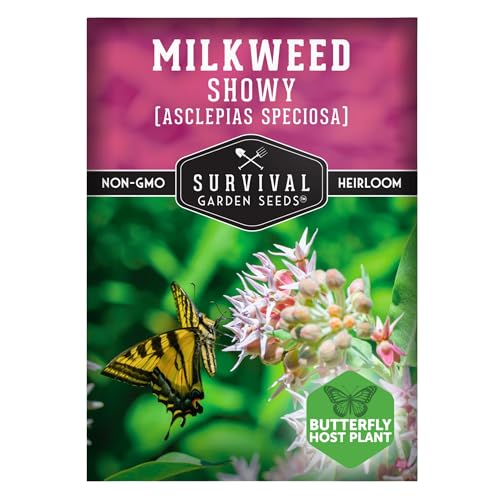
| Monarch Magnet | Species (Genus): Asclepias speciosa (Showy Milkweed) | Pollinator Value: Monarch larval host; attracts native bees, moths, pollinators | Sun Exposure: Full sun | VIEW LATEST PRICE | Read Our Analysis |
| Rose Swamp Milkweed Seeds (Asclepias incarnata) |

| Wetland Specialist | Species (Genus): Asclepias incarnata (Rose/Swamp Milkweed) | Pollinator Value: Monarch host plant; attracts bees, hummingbirds, pollinators | Sun Exposure: Full sun | VIEW LATEST PRICE | Read Our Analysis |
| Outsidepride Butterfly Milkweed Seeds (500 pcs) |

| Vibrant Attraction | Species (Genus): Asclepias (Butterfly/Orange Milkweed, common name Butterfly Milkweed) | Pollinator Value: Monarch host; nectar source for butterflies, bees, hummingbirds | Sun Exposure: Full sun preferred | VIEW LATEST PRICE | Read Our Analysis |
| Common Milkweed Seeds (Asclepias syriaca) Packet |

| Classic Host Plant | Species (Genus): Asclepias syriaca (Common Milkweed) | Pollinator Value: Primary host for Monarchs; attracts bees, hummingbirds, pollinators | Sun Exposure: Full sun | VIEW LATEST PRICE | Read Our Analysis |
More Details on Our Top Picks
100 Showy Milkweed Seeds Asclepias Speciosa by Seeds2Go
In case you want to bring butterflies and other pollinators to your yard without fuss, these 100 Showy Milkweed seeds from Seeds2Go are a great choice for you. You’ll plant pale pink, spiky clusters that bloom for two to three months, giving steady nectar for Monarchs, bumblebees, hummingbirds, and ladybugs. You’ll sow outdoors in fall or winter so seeds get natural cold, then expect deep roots and a return each year. You’ll grow plants up to about 40 inches in full sun with moderate water. You’ll appreciate hardy, drought tolerant, GMO free seed that’s simple to care for.
- Species (Genus):Asclepias speciosa (Showy Milkweed)
- Pollinator Value:Attracts Monarchs, butterflies, bees, hummingbirds, beneficial insects
- Sun Exposure:Full or almost full sun
- Drought / Moisture Tolerance:Drought tolerant once established; moderate watering needs
- Cold Stratification / Winter Treatment:Sow outdoors in fall or winter; seeds require natural cold exposure (stratification)
- Non-GMO / Seed Type:GMO-free (non-GMO)
- Additional Feature:Pale pink fragrant blooms
- Additional Feature:Deeply established roots
- Additional Feature:Packet: 100 seeds
Showy Milkweed Seeds (Asclepias speciosa) for Monarchs
In case you want a low-fuss way to bring monarch caterpillars and a chorus of native pollinators to your garden, Showy Milkweed seeds are an excellent choice because they grow into fragrant, pink-purple plants that monarchs use as a larval host and bees love for nectar. You’ll plant untreated heirloom, non-GMO seed in spring or fall, then watch stems reach three to four feet in full sun. The vanilla-scented blooms appear June to September and draw bees, moths, and butterflies. They suit prairie restoration, xeriscaping, butterfly borders, and survival gardens and need only moderate watering once established.
- Species (Genus):Asclepias speciosa (Showy Milkweed)
- Pollinator Value:Monarch larval host; attracts native bees, moths, pollinators
- Sun Exposure:Full sun
- Drought / Moisture Tolerance:Drought-tolerant once established; moderate watering needs
- Cold Stratification / Winter Treatment:Plant in spring or fall; cold exposure/stratification recommended (package instructions)
- Non-GMO / Seed Type:Heirloom, non-GMO, open-pollinated, untreated
- Additional Feature:Heirloom, open-pollinated
- Additional Feature:Includes planting instructions
- Additional Feature:Brand: Survival Garden Seeds
Rose Swamp Milkweed Seeds (Asclepias incarnata)
You’ll love Rose Swamp Milkweed seeds provided you want a reliable, wildlife-friendly plant that brightens wet or damp spots and draws monarchs to your garden. You’ll find dusky pink star blooms that cluster on sturdy stems, and the plant stays neater than common milkweed so it won’t overrun paths. You’ll plant them in full sun with moist soil, ideal for marshy edges. You’ll cold stratify seeds two to three weeks in a damp towel before sowing and keep them damp during germination. You’ll welcome bees, hummingbirds, and caterpillars, and you’ll feel good supporting pollinator conservation.
- Species (Genus):Asclepias incarnata (Rose/Swamp Milkweed)
- Pollinator Value:Monarch host plant; attracts bees, hummingbirds, pollinators
- Sun Exposure:Full sun
- Drought / Moisture Tolerance:Moderate moisture needs; thrives in moist/wet sites (less drought tolerant than others)
- Cold Stratification / Winter Treatment:Cold stratification recommended (refrigerate damp towel 2–3 weeks)
- Non-GMO / Seed Type:Heirloom, open-pollinated, untreated, non-GMO
- Additional Feature:Wetland/moist-site tolerant
- Additional Feature:Cold stratification recommended
- Additional Feature:Dusky pink star-shaped blooms
Outsidepride Butterfly Milkweed Seeds (500 pcs)
Should you want a garden that regularly draws monarchs and brightens borders with low-fuss color, Outsidepride Butterfly Milkweed seeds are an excellent choice for home gardeners and pollinator lovers. You’ll enjoy brilliant orange blooms from the start of summer until frost, adding vertical interest and a bold focal point. Plant in full sun, spacing seedlings 24 inches apart, and cold stratify seeds 2 to 4 weeks for better germination. Keep soil moist through the 21 to 42 day sprout period. This perennial tolerates heat, drought, rocky or damp soils, resists deer, and hosts monarch caterpillars while feeding butterflies, bees, and hummingbirds.
- Species (Genus):Asclepias (Butterfly/Orange Milkweed, common name Butterfly Milkweed)
- Pollinator Value:Monarch host; nectar source for butterflies, bees, hummingbirds
- Sun Exposure:Full sun preferred
- Drought / Moisture Tolerance:Tolerates heat, drought; adapts from rocky well-drained to moist soils
- Cold Stratification / Winter Treatment:Cold stratify 2–4 weeks in refrigerator recommended for improved germination
- Non-GMO / Seed Type:(Implied heirloom/untreated) — general seed packet; perennial native milkweed (no GM mention but marketed as pollinator seed)
- Additional Feature:Brilliant orange flowers
- Additional Feature:Large 500-seed pack
- Additional Feature:Blooms until first frost
Common Milkweed Seeds (Asclepias syriaca) Packet
Gardeners who want to bring monarchs and busy pollinators to their yard will love these Common Milkweed seeds because they give you a reliable, wildlife-friendly start with 100 non-GMO, heirloom seeds per packet. You’ll plant a native that grows 24 to 40 inches tall and blooms pink clusters in summer. Keep seeds damp for 2 to 3 weeks in the fridge to enhance germination, then sow in full sun with moderate water. You’ll attract monarch caterpillars, bees, and hummingbirds while helping pollinator conservation. Packet includes clear growing and seed-saving instructions from a small American family business.
- Species (Genus):Asclepias syriaca (Common Milkweed)
- Pollinator Value:Primary host for Monarchs; attracts bees, hummingbirds, pollinators
- Sun Exposure:Full sun
- Drought / Moisture Tolerance:Moderate watering; drought-tolerant once established
- Cold Stratification / Winter Treatment:Cold stratification improves germination; refrigerate seeds 2–3 weeks
- Non-GMO / Seed Type:Non-GMO, heirloom, open-pollinated, untreated
- Additional Feature:100 seeds per packet
- Additional Feature:Broad-leaved plant habit
- Additional Feature:Seeds tested for germination
Factors to Consider When Choosing Asclepias Flower Seeds
Once you pick Asclepias seeds, consider initially about hardiness zone fit and whether the plant is native to your area so it can thrive with less fuss. Also check bloom time range and pollinator attraction strength so your garden will feed butterflies and look lively across the season. Finally, match soil and moisture needs to your yard so you won’t be surprised ahead of extra work later.
Hardiness Zone Fit
Should you want milkweed to return each spring, begin matching the plant’s USDA hardiness range to your zone so you don’t get a heartbreaking loss after the initial winter. Check the species’ listed range and pick one that includes your zone. Hardiness tells you who will survive cold winters; a zone 3 plant can handle brutal freezes while zone 9 to 10 types won’t last a deep freeze. Consider microclimates too since south-facing walls, heat islands, or cold pockets can shift conditions via one or two zones. In case your zone sits at the edge of a species’ range, treat it as semi-hardy and mulch heavily or grow it in a movable container. Also match expected winter moisture along with the hardiness rating.
Native Range Suitability
Should you pick milkweed that evolved near you, it’s far more likely to thrive and help local butterflies, so start by matching a species’ native range to your USDA zone and regional ecoregion. You’ll want species historically native to your habitat, like prairie, wetland, or coastal types, because they support monarchs and specialist pollinators and handle local pests better. Next, match soil moisture and type to the plant: swamp and marsh milkweeds like consistently wet ground, while common and showy milkweeds do best in loamy or drier, well drained soils. Also consider what time plants naturally flower in your region so butterflies find nectar and hosts at the times they need them. Finally, avoid non native or highly opportunistic milkweeds to protect local genetics and prevent invasiveness.
Bloom Time Range
Because different milkweeds bloom at different times, you can plan your planting to keep nectar available longer for butterflies and bees. Many Asclepias species flower from late spring through fall, and individual varieties often bloom for two to three months. Swamp milkweed and common or showy milkweed usually bloom in summer, giving peak nectar just as pollinators are most active. Your local climate and USDA zone shift timing, so choose seeds suited to your zone to stretch the season. Planting several species or staggering sowing dates helps create continuous blooms across months. Site conditions matter too. Full sun, steady soil moisture, and healthy plants bring earlier and longer flowering. With gentle planning you’ll support pollinators over a longer season.
Pollinator Attraction Strength
Now that you’ve thought about timing and site, you’ll want to pick milkweeds that actually pull pollinators in and keep them coming back. Choose species with strongly scented, nectar-rich clusters of pink, purple, or orange blooms because scent and color catch attention quickly. Prefer perennials that bloom two to three months or more so nectar stays steady through breeding and migration. Also pick milkweeds known as larval hosts for monarchs and other specialized butterflies so caterpillars find food nearby. Favor native Asclepias suited to your hardiness zone because they usually offer more accessible nectar and pollen. Pay attention to flower structure too; clustered umbels and bright colors make blossoms easier to find and feed from, raising visitation rates.
Soil And Moisture Needs
Whenever you’re picking Asclepias seeds, matching the plant to your soil and moisture will save you a lot of worry and work later. You’ll want well drained soil for most species, especially the xeric types that like sandy or rocky textures. At the same time, swamp milkweeds thrive in heavier loams and consistently moist ground, so don’t force a wet species into dry dirt. Young plants need steady moisture to build roots, though many types tolerate drought once they’re established. Use moderate fertility so flowers form instead of just leafy growth, which also keeps monarchs happy. Recall to cold stratify seeds whenever needed for germination, and then place seedlings where the moisture matches their natural habit for best results.
Sunlight Exposure Requirements
Pick a sunny spot and you’ll give your Asclepias the best chance to flourish and draw butterflies to your garden. Most milkweed needs full sun, about 6 to 8 hours of direct light, to make lots of blooms and nectar. Should you plant in too much shade, stems get leggy and flowers thin out, so butterflies pass by. Sun also builds stronger stalks and better seed pods, which matter should you want plants to come back or save seed. In very hot zones, choose morning sun with some afternoon shade to ease heat stress while still meeting light needs. While laying out a pollinator patch, put Asclepias in the brightest, most open area to enhance nectar and attract monarchs.
Seed Treatment Needs
Sunlight helps your Asclepias grow strong, but getting seedlings started often needs a few extra steps you’ll want to plan for. Many Asclepias seeds come untreated and non-GMO, so you’ll handle pre-sowing care yourself. Cold stratification, which means refrigerating moist seeds for two to twelve weeks depending on species, mimics winter and enhances germination. Some seeds have hard coats, so light scarification like sanding or nicking helps water enter and speeds sprouting. Don’t use systemic insecticides or fungicides unless you want to support butterflies, because residues can harm caterpillars and pollinators. Simple mechanical steps plus correct planting depth and timing usually give better long-term establishment than chemical fixes. These gentle methods protect wildlife and help your milkweeds thrive.
Plant Height Habit
Consider how tall you want your Asclepias to grow and where they’ll sit in your garden because height shapes both beauty and function. You’ll find species from about 1 to over 4 feet, so pick shorter types around 12 to 24 inches for neat borders and containers. Taller plants, 24 to 48 inches, work well at the back of beds or in meadow areas where they won’t block paths. Reflect on growth habit too, since clumping upright stalks need less horizontal space than spreading rhizomes. Taller milkweeds give raised nectar that butterflies and hummingbirds love, while shorter ones suit tight pollinator mixes. Plan for yearly dieback to the crown and expect the same mature height each season, then layer accordingly for steady structure.