Insecticidal soap offers a simple, low-tox option for keeping pests off plants. It works by breaking down soft-bodied insects like aphids, spider mites, and whiteflies on contact.
I prefer eight reliable products that protect both gardens and houseplants without harsh chemicals. Below, I’ll walk through what they are, how they work, and how to use them for healthier, pest-free plants.
| Safer Insect Killing Soap Concentrate (5118-6) |
| Organic Gardener’s Choice | Target pests: Aphids, mealybugs, whiteflies, thrips, leafhoppers, spider mites, other soft-bodied insects | Use sites (where to apply): Flowers, herbs, vegetables, houseplants, lawns, trees, shrubs, more | Organic/Garden-safe status: OMRI Listed / compliant for organic gardening | VIEW LATEST PRICE | Read Our Analysis |
| NATRIA Insecticidal Soap Ready-to-Use Garden Bug Treatment |

| Ready-to-Spray Convenience | Target pests: Aphids, mealybugs, mites, whiteflies, and more (fast-acting) | Use sites (where to apply): Indoor and outdoor plants, houseplants, roses, flowers, fruits, vegetables | Organic/Garden-safe status: Approved for organic gardening | VIEW LATEST PRICE | Read Our Analysis |
| Fertilome (18051) Houseplant Hero Insecticidal Soap (8 oz RTU) |

| Long-Lasting Protection | Target pests: Aphids, mealybugs, whiteflies, thrips, psyllids, leafhoppers, scales, many others (broad list) | Use sites (where to apply): Indoor or outdoor plants, houseplants, potted plants (dosing by pot size) | Organic/Garden-safe status: (contains imidacloprid — not organic) — no organic listing stated | VIEW LATEST PRICE | Read Our Analysis |
| Bonide Insecticidal Soap Ready-to-Use Spray 32 oz |
| Heavy-Duty Garden Staple | Target pests: Adelgid, ant, aphid, borer, caterpillar, spider mite, thrip, weevil, fly, etc. | Use sites (where to apply): Home gardens, lawns, ornamentals, greenhouses, many vegetables and herbs listed | Organic/Garden-safe status: Approved for organic gardening (plant-derived potassium salts) | VIEW LATEST PRICE | Read Our Analysis |
| Garden Safe 32 oz. Insecticidal Soap Ready-to-Use 1 Count (Pack of 1) |

| Easy Everyday Use | Target pests: Aphids, mealybugs, mites, leafhoppers, psyllids, scale, thrips, whiteflies, others | Use sites (where to apply): Indoors, outdoors, greenhouses, vegetables, fruit trees, ornamentals, shrubs, flowers | Organic/Garden-safe status: Suitable for organic gardening | VIEW LATEST PRICE | Read Our Analysis |
| Safer Brand 5110-6 Insect Killing Soap 32 Oz. |

| Indoor & Hydroponic Friendly | Target pests: Aphids, earwigs, grasshoppers, harlequin bugs, leafhoppers, mealybugs, mites, plant bugs, psyllids, spider mites, squash bugs, thrips, whiteflies | Use sites (where to apply): Hydroponic and indoor gardening, general garden use (implied outdoor/indoor) | Organic/Garden-safe status: OMRI Listed / compliant for organic gardening | VIEW LATEST PRICE | Read Our Analysis |
| Earth’s Ally Insecticidal Soap Concentrate for Plants |

| Essential Oil Power | Target pests: Spider mites, aphids, whiteflies, mealybugs, leafrollers, scale, thrips, cucumber beetle, tomato hornworm, Colorado potato beetle, etc. | Use sites (where to apply): Houseplants, vegetable gardens, succulents, flowers, ornamentals (indoor/outdoor) | Organic/Garden-safe status: OMRI Listed for organic gardening | VIEW LATEST PRICE | Read Our Analysis |
| Earth’s Ally Ready-to-Use Plant Insecticidal Soap |

| Bee-Safe Ready Spray | Target pests: Spider mites, aphids, mealybugs, whiteflies, leafrollers, scale, thrips, cucumber beetle, tomato hornworm, Colorado potato beetle, etc. | Use sites (where to apply): Houseplants, vegetable gardens, succulents, flowers, ornamentals (indoor/outdoor) | Organic/Garden-safe status: OMRI Listed for organic gardening | VIEW LATEST PRICE | Read Our Analysis |
More Details on Our Top Picks
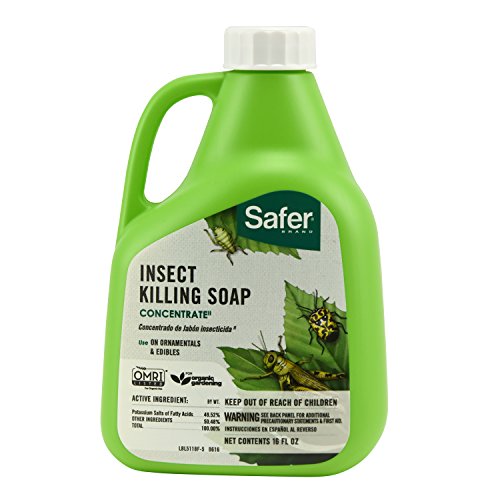
Safer Insect Killing Soap Concentrate (5118-6)
Should you want a gentle, dependable insect killer for organic gardening, Safer Insect Killing Soap Concentrate 5118-6 is a smart pick. You’ll like that it’s OMRI listed, so it fits organic rules and lets you garden with confidence. Apply it at the initial sign of aphids, whiteflies, mealybugs, thrips, leafhoppers, spider mites, and other soft bodied pests. It works through using potassium salts of fatty acids to weaken pest shells, dehydrate them, and kill on contact. Use it on flowers, herbs, vegetables, houseplants, lawns, trees, and shrubs, reapplying every five to seven days while insects remain.
- Target pests:Aphids, mealybugs, whiteflies, thrips, leafhoppers, spider mites, other soft-bodied insects
- Use sites (where to apply):Flowers, herbs, vegetables, houseplants, lawns, trees, shrubs, more
- Organic/Garden-safe status:OMRI Listed / compliant for organic gardening
- Formulation / active type:Soap concentrate (potassium salts of fatty acids)
- Harvest safety / edible use:Can be used up to day of harvest
- Ready vs concentrate:Concentrate (mix before use)
- Additional Feature:OMRI Listed concentrate
- Additional Feature:Makes multiple applications
- Additional Feature:Gentle on most plants
NATRIA Insecticidal Soap Ready-to-Use Garden Bug Treatment
Should you want a simple, ready-to-use solution for spotting and stopping common plant pests fast, NATRIA Insecticidal Soap Ready-to-Use Garden Bug Treatment is made for you. You’ll like the one gallon spray bottle because it’s easy to use and fits indoor and outdoor needs. Apply it to roses, flowers, fruits, vegetables, and houseplants without fuss. It kills aphids, mealybugs, mites, whiteflies, and more in minutes so you’ll see results quickly. It’s approved for organic gardening, and you can use it up to and including day of harvest. You’ll feel confident protecting plants while keeping produce safe.
- Target pests:Aphids, mealybugs, mites, whiteflies, and more (fast-acting)
- Use sites (where to apply):Indoor and outdoor plants, houseplants, roses, flowers, fruits, vegetables
- Organic/Garden-safe status:Approved for organic gardening
- Formulation / active type:Ready-to-use insecticidal soap (RTU spray)
- Harvest safety / edible use:Can be used up to and including day of harvest
- Ready vs concentrate:Ready-to-use (RTU) spray, 1 gallon
- Additional Feature:Ready-to-use gallon
- Additional Feature:Fast-acting (minutes)
- Additional Feature:Indoor/outdoor suitable
Fertilome (18051) Houseplant Hero Insecticidal Soap (8 oz RTU)
In case you care for houseplants and want a simple, ready-to-use option that protects roots and foliage, Fertilome Houseplant Hero Insecticidal Soap fits the bill. You’ll get an 8 oz RTU bottle with 0.22% imidacloprid that treats many pests. Use it on aphids, mealybugs, whiteflies, thrips, scales, leaf miners, root weevil larvae, fungus gnat larvae, and more. You spray directly, or measure 2½ teaspoons for a 4″ pot and 2½ tablespoons for a 6″ pot for soil drench use. Apply every eight weeks during growth. You can use it indoors or outdoors, before or after planting.
- Target pests:Aphids, mealybugs, whiteflies, thrips, psyllids, leafhoppers, scales, many others (broad list)
- Use sites (where to apply):Indoor or outdoor plants, houseplants, potted plants (dosing by pot size)
- Organic/Garden-safe status:(contains imidacloprid — not organic) — no organic listing stated
- Formulation / active type:Imidacloprid 0.22% (systemic insecticide, RTU)
- Harvest safety / edible use:Labeled for ongoing protection; can be applied before/after planting (no explicit day-of-harvest claim)
- Ready vs concentrate:Ready-to-use (RTU) 8 oz bottle
- Additional Feature:Contains imidacloprid 0.22%
- Additional Feature:Systemic, long‑interval protection
- Additional Feature:Dosed by pot size
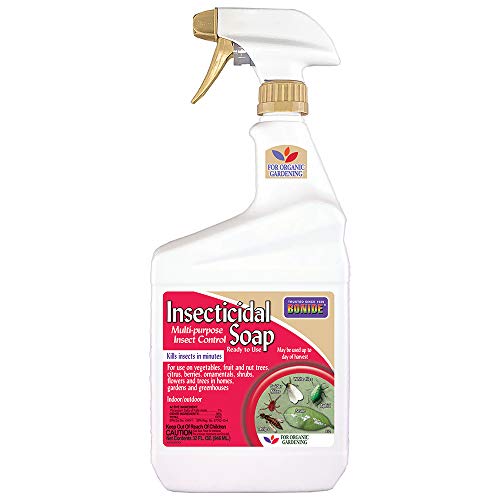
Bonide Insecticidal Soap Ready-to-Use Spray 32 oz
Should you want a ready-to-use spray that tackles a wide range of soft-bodied pests with minimal fuss, Bonide Insecticidal Soap 32 oz is a great pick for home gardeners and greenhouse growers who care about safer, plant-based options. You’ll appreciate that it attacks aphids, mites, thrips, caterpillars, ants and more on contact and whenever insects feed. It’s safe for many edibles and ornamentals and you can use it up to harvest. Made from potassium salts of fatty acids, it fits organic gardens. The spray bottle is handy, rated highly by users, and works well whenever you spray thoroughly and often.
- Target pests:Adelgid, ant, aphid, borer, caterpillar, spider mite, thrip, weevil, fly, etc.
- Use sites (where to apply):Home gardens, lawns, ornamentals, greenhouses, many vegetables and herbs listed
- Organic/Garden-safe status:Approved for organic gardening (plant-derived potassium salts)
- Formulation / active type:Insecticidal soap (potassium salts of fatty acids) RTU spray
- Harvest safety / edible use:Can be used up to the day of harvest
- Ready vs concentrate:Ready-to-use (RTU) 32 oz spray
- Additional Feature:Broad target list
- Additional Feature:Kills by contact/ingestion
- Additional Feature:High customer rating
Garden Safe 32 oz. Insecticidal Soap Ready-to-Use 1 Count (Pack of 1)
In case you want a gentle but effective way to fight soft-bodied garden pests, Garden Safe 32 oz. You’ll get a ready-to-use contact spray so there’s no mixing or fuss. Spray thoroughly, including under leaves, and hit pests directly for control. It’s made from fatty acid salts, chosen soaps that deteriorate soft pest bodies while being suitable for organic gardening. You can use it indoors, outdoors, and in greenhouses on vegetables, fruit trees, ornamentals, shrubs, and flowers. Use it up to harvest day on edibles. It controls aphids, mealybugs, mites, whiteflies, thrips, scale, leafhoppers, psyllids, and similar pests.
- Target pests:Aphids, mealybugs, mites, leafhoppers, psyllids, scale, thrips, whiteflies, others
- Use sites (where to apply):Indoors, outdoors, greenhouses, vegetables, fruit trees, ornamentals, shrubs, flowers
- Organic/Garden-safe status:Suitable for organic gardening
- Formulation / active type:Insecticidal soap (fatty acid salts) RTU spray
- Harvest safety / edible use:Can be used up to the day of harvest on edibles
- Ready vs concentrate:Ready-to-use (RTU) 32 oz
- Additional Feature:Spray undersides thoroughly
- Additional Feature:Greenhouse compatible
- Additional Feature:Ready-to-use bottle
Safer Brand 5110-6 Insect Killing Soap 32 Oz.
You’ll find Safer Brand 5110-6 Insect Killing Soap is best for gardeners who want a safe, effective way to fight soft-bodied pests without harming their plants or the environment. You’ll like that this 32 oz soap targets aphids, whiteflies, mealybugs, spider mites, thrips, squash bugs, leafhoppers and more. It’s OMRI listed, so you can trust it in organic setups and use it until harvest day. You can spray indoors, in hydroponics, or on patios with no lingering residues and without killing beneficial insects. Apply evenly, repeat as needed, and watch plants recover while you keep pests under control.
- Target pests:Aphids, earwigs, grasshoppers, harlequin bugs, leafhoppers, mealybugs, mites, plant bugs, psyllids, spider mites, squash bugs, thrips, whiteflies
- Use sites (where to apply):Hydroponic and indoor gardening, general garden use (implied outdoor/indoor)
- Organic/Garden-safe status:OMRI Listed / compliant for organic gardening
- Formulation / active type:Insect-killing soap (soap formulation; potassium salts)
- Harvest safety / edible use:Safe for use until day of harvest
- Ready vs concentrate:Ready-to-use (32 oz bottle)
- Additional Feature:Hydroponic safe
- Additional Feature:No residual impact
- Additional Feature:OMRI Listed formulation
Earth’s Ally Insecticidal Soap Concentrate for Plants
Should you want a gentle but reliable solution for both indoor plants and garden beds, Earth’s Ally Insecticidal Soap Concentrate is often the best choice because it pairs plant-safe soap with botanical oils that target common pests without harsh chemicals. You’ll mix the 32 fl oz concentrate to make five gallons, so you get a lot of treatment per bottle. It combines rosemary, clove, and peppermint oils with a non-toxic soap base. You can spray on succulents, herbs, vegetables, flowers, and ornamentals up to harvest day. It’s OMRI Listed, independently tested bee safe, and labeled safe for people and pets.
- Target pests:Spider mites, aphids, whiteflies, mealybugs, leafrollers, scale, thrips, cucumber beetle, tomato hornworm, Colorado potato beetle, etc.
- Use sites (where to apply):Houseplants, vegetable gardens, succulents, flowers, ornamentals (indoor/outdoor)
- Organic/Garden-safe status:OMRI Listed for organic gardening
- Formulation / active type:Insecticidal soap concentrate with essential oils (rosemary/clove/peppermint)
- Harvest safety / edible use:Safe up to day of harvest for herbs and vegetables
- Ready vs concentrate:Concentrate (32 fl oz concentrate makes 5 gallons)
- Additional Feature:Essential-oil blend concentrate
- Additional Feature:Makes up to 5 gallons
- Additional Feature:Independently bee-safe tested
Earth’s Ally Ready-to-Use Plant Insecticidal Soap
Should you’re looking for a gentle but powerful option for everyday gardeners, Earth’s Ally Ready-to-Use Plant Insecticidal Soap is a great pick that works well for both indoor houseplants and outdoor vegetable beds. You’ll spray a 24 oz bottle straight onto leaves to control aphids, spider mites, mealybugs, whiteflies, thrips, and many beetles. It uses rosemary, clove, and peppermint oils, so it’s OMRI Listed and safe for herbs and veggies even up to harvest day. You’ll feel relieved aware it’s been tested for bee safety and is safe around people and pets provided you follow directions.
- Target pests:Spider mites, aphids, mealybugs, whiteflies, leafrollers, scale, thrips, cucumber beetle, tomato hornworm, Colorado potato beetle, etc.
- Use sites (where to apply):Houseplants, vegetable gardens, succulents, flowers, ornamentals (indoor/outdoor)
- Organic/Garden-safe status:OMRI Listed for organic gardening
- Formulation / active type:Ready-to-use insecticidal soap with essential oils (rosemary/clove/peppermint)
- Harvest safety / edible use:Safe up to day of harvest for herbs and vegetables
- Ready vs concentrate:Ready-to-use (24 oz bottle)
- Additional Feature:Rosemary/clove/peppermint oils
- Additional Feature:24 oz ready-to-use
- Additional Feature:Pollinator-friendly tested
Factors to Consider When Choosing Insecticidal Soaps
When I choose an insecticidal soap I consider initially about what pests I need to control and whether the product’s active ingredient will be strong enough without harming beneficial insects. I also check which plants are safe to treat, whether the soap has organic certifications, and how often I’ll need to reapply so it fits my schedule.
These factors work together, so grasping each one helps me pick a product that’s effective, gentle on my garden, and easy to use.
Target Pest Spectrum
I’ll walk you through how to pick the right insecticidal soap through looking closely at which pests you’re facing and how those pests live. I know it feels overwhelming whenever bugs appear, so start by identifying soft-bodied sap suckers like aphids, mealybugs, whiteflies, thrips, and spider mites. These respond well because soaps disrupt their outer coating and dry them out fast.
Keep in mind soaps work on contact only, so you must cover tops and undersides of leaves and reach curled or bud-hidden pests. Hard-shelled beetles, adult weevils, heavily armored scale, and many eggs usually survive, so plan extra tactics for them. Also check product concentration and match rate to pest type and life stage for best control and fewer repeats.
Active Ingredient Type
Pick the right active ingredient and you’ll see faster, cleaner results without needless worry. I prefer soaps based on potassium salts of fatty acids because they break insect cuticles and dry pests out on contact. That gives quick knockdown whenever you spray thoroughly. Some products mix fatty acid salts with botanical oils like rosemary, clove, or peppermint. Those broaden the pest range and add repellent action, so you get extra coverage in one bottle. Watch concentration levels too. Concentrates need dilution, and higher fatty acid percentages work faster provided you follow label rates. For edibles, I choose sulfate-free, low-residue fatty acid salts since they leave little residue and can be safe at harvest. Also avoid soaps mixed with systemic neuroactive insecticides assuming you want contact-only control.
Plant Safety Spectrum
On many gardens and houseplants you can use insecticidal soaps safely, but you’ll want to weigh a few key factors before you spray. I check species initially because some succulents, ferns, and new cuttings are sensitive and might scorch. I always do a 24 to 48 hour spot test on a few leaves to watch for discoloration or wilting.
I avoid spraying in hot sun or above about 85°F and skip treatments if plants are drought stressed or just transplanted. I aim for thorough coverage, including undersides and crevices, while limiting repeated heavy wetting on delicate foliage. I follow label dilution and reapplication intervals and never exceed recommended concentrations to protect tissue and helpful insects.
Organic Certifications
You’ve learned how plant type and weather affect whether and at what times to spray, and now I want to help you choose an insecticidal soap that fits both your garden and your values.
I look for third party organic certification like OMRI because it verifies ingredients and formulation meet organic gardening standards. Certification often means the soap can be used up to harvest on edibles but labels can vary, so I always read them for crop and timing limits. Certified products usually list active ingredients and permitted concentrations, which helps me compare strength and safety. Certifications also suggest environmental and pollinator testing, yet I check independent results whenever I can. Finally, I match certification info to label directions to make certain plant safety and correct rates.
Application Frequency Needs
I usually start sprays as soon as I see pests, because timing and how often I apply soap make a big difference in results and plant health. I reapply every 5 to 7 days while pests remain, since new eggs and migrants pop up quickly and need contact.
For light, ongoing pressure I spray every 7 to 14 days to keep numbers low without leaning on harsher options. I always check the label and avoid exceeding its recommended frequency, especially on tender or drought stressed plants, because that causes foliar damage. Whenever infestations are heavy, I spray more thoroughly, hitting undersides and new growth, and keep the regular interval until two consecutive treatments show no live pests.
Formulation & Convenience
Anytime I’m choosing an insecticidal soap, I look initially at how the product fits into my routine and my plants’ needs, because the right formulation makes treatment easier and safer. I weigh concentrate versus ready-to-use. Concentrates save space and let me mix gallons to cover both a yard and houseplants. Ready-to-use is quick and tidy whenever time is tight. I check active types next.
Basic soaps use potassium salts of fatty acids for fast contact kill. Formulations with botanical oils add repellent or miticidal effects, but they can also increase risk to sensitive foliage. That leads into mixing and compatibility. I avoid blending concentrates with oil-based products or incompatible insecticides to prevent leaf damage. I also favor bottles with built-in sprayers, adjustable nozzles, or hose-end options for even coverage.
Environmental & Pollinator Safety
Because pollinators and helpful insects share our gardens, I choose insecticidal soaps with their safety in mind and plan each spray to protect those neighbors. I look for soaps made from potassium salts of fatty acids or botanical oils because they decompose quickly and leave almost no lasting residue in soil or water.
I also check for independent pollinator testing or a bee-safe label and only spray early morning or late evening whenever bees are not active. I avoid flowers and blooming plants, and I target undersides of leaves and stems to cut accidental contact with bees, butterflies, and lacewings. I follow dilution and timing directions carefully to avoid overuse and reduce runoff that could harm aquatic life. I prefer contact soaps rather than systemic products to limit non-target impacts.