If you’ve noticed your Creeping Jenny plant looking a bit off, you might be dealing with worms. These pests can cause significant damage if left unchecked. Don’t worry, though! You can get rid of worms using simple and safe methods that won’t harm your beloved plant.
Key Takeaways
Identify common worms like cutworms and sawfly larvae early to prevent damage to your Creeping Jenny.
Use natural solutions such as neem oil, vinegar, and homemade sprays to effectively eliminate worms without harming your plants.
Regularly monitor your plants and implement preventative measures to maintain a healthy garden and avoid future infestations.
Identifying Worms
Common Types
When it comes to worms that might invade your Creeping Jenny, a few common culprits often show up. Here are some of the most frequent offenders:
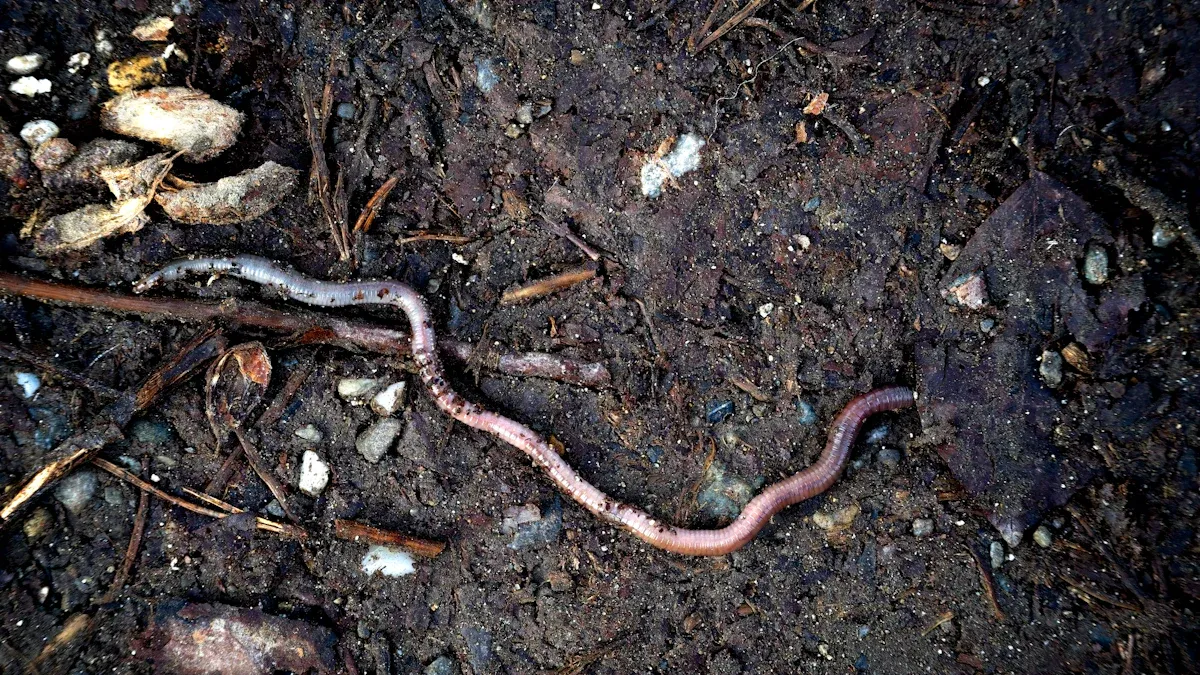
Cutworms: These pests tend to hide in the soil during the day and come out at night to munch on your plants. They can cause significant damage by cutting through stems near the soil line.
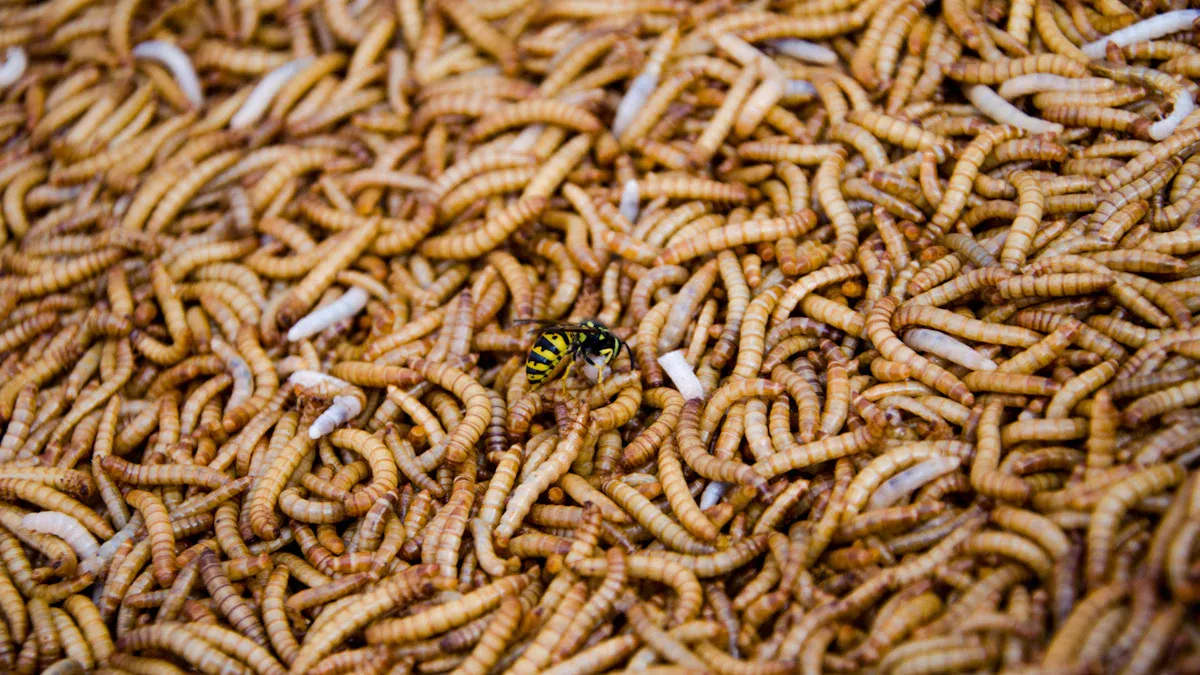
Sawfly Larvae: These little green or brown caterpillars can be quite destructive. They feed on the leaves of your Creeping Jenny, leaving behind skeletonized foliage.
It’s essential to recognize these worms early. If you ignore them, they can wreak havoc not just on your Creeping Jenny but also on nearby plants. Creeping Jenny is an invasive species that can reduce plant diversity in your garden. It can also negatively affect the micro-organisms in the soil, which are crucial for plant health.
Signs of Infestation
So, how do you know if your Creeping Jenny is under attack? Look out for these signs:
Chewed Leaves: If you notice holes or ragged edges on the leaves, worms might be the reason. This damage can lead to a decline in the plant’s overall health.
Wilting or Yellowing: Infested plants often show signs of stress. If your Creeping Jenny starts wilting or turning yellow, it could be a sign of a worm problem.
Visible Worms: Sometimes, the worms themselves are visible. Check the undersides of leaves and around the base of the plant for any signs of these pests.
If you spot any of these signs, it’s time to take action. Getting rid of worms quickly can help protect your Creeping Jenny and the surrounding plants. Remember, these pests can impact not just your garden but also the local ecosystem. Creeping Jenny is recognized as an invasive species in parts of North America, so controlling its spread is crucial.
By staying vigilant and knowing what to look for, you can keep your Creeping Jenny healthy and thriving.
Get Rid of Worms Naturally
When it comes to getting rid of worms in your Creeping Jenny, you have several natural options that are both effective and safe for your plants. Let’s explore some of the best methods you can use.
Organic Pesticides
One of the most popular natural solutions is using organic pesticides. Neem oil is a fantastic choice. It’s derived from the seeds of the neem tree and works by disrupting the life cycle of pests. Here’s how to use it effectively:
Mixing the Solution:
Combine 1 teaspoon of neem oil with 1 liter of warm water.
Add a few drops of liquid dish soap to help the oil mix with the water.
Application Tips:
Apply neem oil either early in the morning or in the evening to protect pollinators.
Use light mists to avoid excessive application, as it dries quickly.
If you’re using it as a soil drench, remember that neem oil has a half-life of 3 to 22 days, so wait three weeks before reapplying.
Safety Precautions:
Always wear gloves and protective clothing when handling neem oil.
Keep it out of reach of children and pets.
Store neem oil in a cool, dark place to maintain its potency.
Before applying, test the spray on a small part of the plant to ensure there’s no adverse reaction.
Vinegar Solution
Another effective method is using a vinegar solution. Vinegar is a natural insect repellent and can help deter worms. Here’s a simple recipe:
Ingredients:
1 part vinegar (white or apple cider)
3 parts water
Instructions:
Mix the vinegar and water in a spray bottle.
Spray the solution directly onto the affected areas of your Creeping Jenny.
This solution not only helps to repel worms but also can improve the overall health of your plant by balancing its pH.
Homemade Sprays
You can also create homemade sprays using common household ingredients. Here are a couple of recipes:
Garlic Spray:
Blend a few cloves of garlic with water, strain the mixture, and spray it on your plants. Garlic has natural insect-repelling properties.
Soap Spray:
Mix 1 tablespoon of liquid soap with 1 liter of water. Spray this solution on the leaves to suffocate the worms.
Note: Always test any homemade spray on a small area first to check for any negative reactions.
Using these natural methods can help you effectively get rid of worms while keeping your Creeping Jenny healthy. Remember, though, that overusing organic pesticides can lead to issues like pest resistance and environmental harm. Always apply them judiciously to maintain a balanced ecosystem in your garden.
Post-Treatment Care
Monitoring Health
After treating your Creeping Jenny for worms, keep a close eye on its health. Regular monitoring helps you catch any signs of a recurring infestation early. Here are some tips for effective monitoring:
Inspect Biannually: Check your plants at least twice a year for any signs of pests.
Quarterly Checks for High-Risk Areas: If your garden has a history of pest issues, inspect every three months. This extra vigilance can save your plants from significant damage.
Look for signs like chewed leaves or wilting. If you notice anything unusual, act quickly to get rid of worms before they cause more harm.
Preventative Tips
Preventing future infestations is just as important as treating current ones. Here are some effective strategies:
Soil Management: Proper soil practices can help keep worms at bay. For example, avoid planting grass in crop rotation. This prevents worms from laying eggs and reduces their survival rates.
Crop Choice: Choose plants that are less attractive to pests. This can help manage infestation rates.
Regular Tillage: Tilling the soil can expose larvae and eggs to the elements, increasing their chances of dying off.
Additionally, when disposing of infested plant material, consider these methods:
Bagging: Use heavy plastic bags to contain the material and let it sit in the sun for several weeks.
Tarping: Cover the material with a tarp on a plastic sheet and allow it to dry out.
By following these tips, you can help ensure your Creeping Jenny remains healthy and free from worms. Remember, a proactive approach is key to maintaining a thriving garden!
In summary, keeping your Creeping Jenny healthy is essential. You can effectively manage worms using natural solutions like neem oil, vinegar, and homemade sprays. Regular monitoring and preventative measures will help you maintain a thriving garden. Remember, a little care goes a long way! 🌱
FAQ
What should I do if my Creeping Jenny keeps getting worms?
Regularly inspect your plants, apply natural treatments, and maintain healthy soil to prevent future infestations.
How often should I check for worms in my Creeping Jenny?
Inspect your plants at least twice a year, or quarterly if you’ve had past infestations.
Can I use chemical pesticides on my Creeping Jenny?
It’s best to stick with natural solutions. Chemical pesticides can harm beneficial insects and the environment.