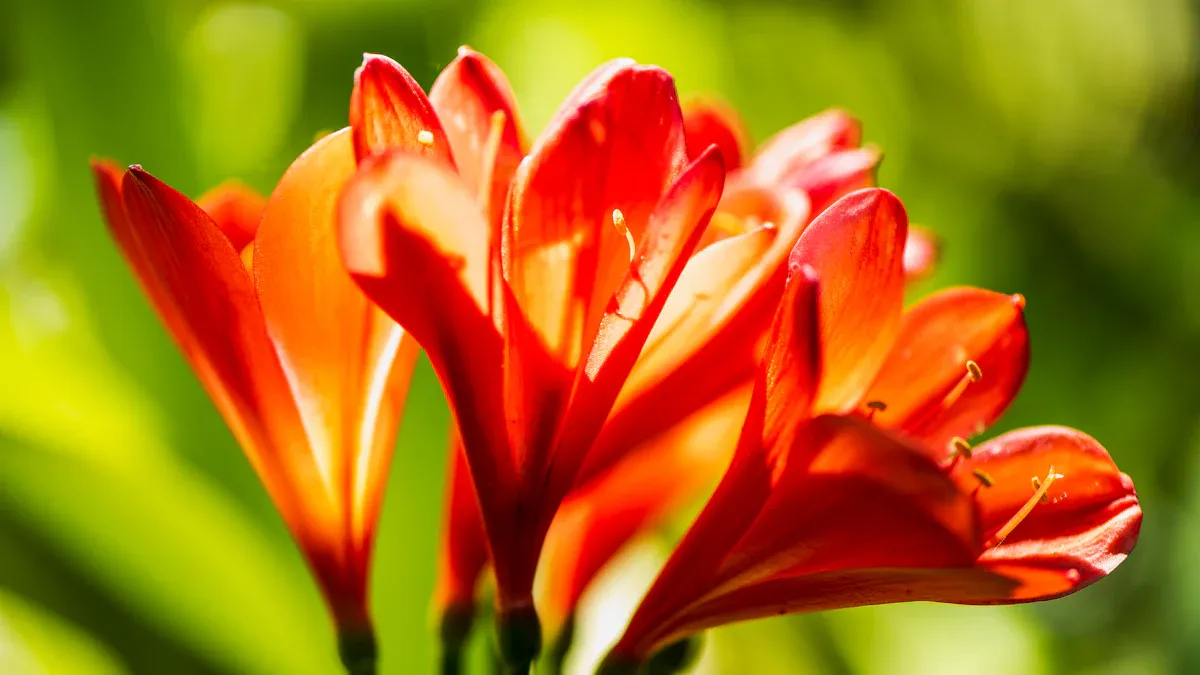
Mealybug infestations can harm your Clivia plants if you don’t act quickly. These pests weaken your plants by extracting sap, leading to yellowing leaves and stunted growth. To get rid of mealybugs effectively, you need to use proper identification and treatment methods. Learn how to protect your Clivia from these harmful invaders and ensure their health.
Key Takeaways
Identify mealybugs by their small size and white, cottony wax coating. Regular inspections help catch infestations early.
Use natural remedies like neem oil or alcohol to effectively remove mealybugs. These methods are safer for the environment.
Prevent future infestations by regularly checking plants, isolating infected ones, and introducing beneficial insects.
Identifying Mealybugs

Physical Characteristics
To effectively combat mealybugs, you first need to recognize their physical traits. Mealybugs are small, soft-bodied insects that typically measure about 1/10 to 1/4 inch in length. They have a distinctive appearance, covered in a white, cottony wax that gives them a fuzzy look. This fluffy coating often gathers in clusters, particularly in the leaf axils and on the undersides of leaves. These cottony masses are a key feature that helps you identify mealybugs on your Clivia plants.
During early infestations, you might notice small, woolly white to gray insects hiding in new growth, between leaf bases, or even beneath the soil. Regularly inspecting your plants can help you catch these pests before they cause significant damage.
Signs of Infestation
Recognizing the signs of a mealybug infestation is crucial for timely intervention. Here are some visual indicators to watch for:
Visual Sign | Description |
|---|---|
Cottony White Clusters | Look for cottony, white, waxy clusters on the undersides of leaves and stems. |
Sticky Honeydew | You may notice a sugary liquid that makes surfaces feel tacky. |
Black Sooty Mold | This black, powdery fungal growth thrives on honeydew deposits. |
Yellowing and Wilting of Leaves | Leaves may yellow, wilt, and drop prematurely due to nutrient removal. |
Stunted Growth | You might observe overall stunted growth and distorted leaves due to persistent feeding. |
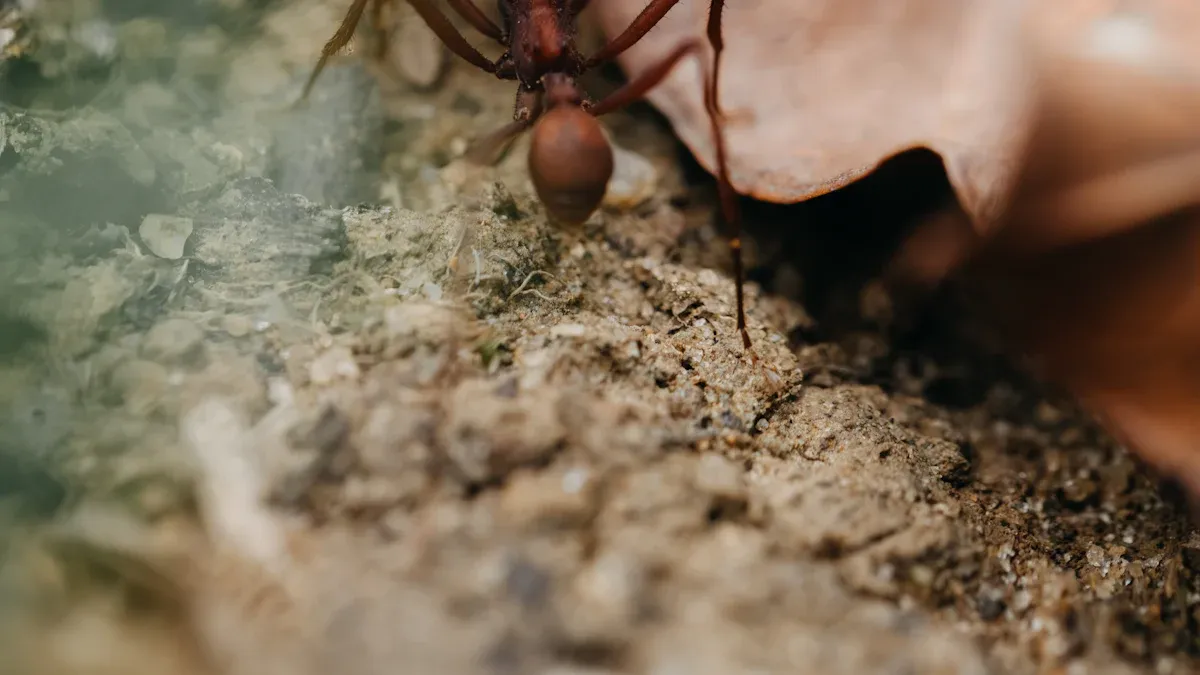
If you see ants around your Clivia plants, they may be feeding on the honeydew produced by mealybugs. This can be another sign of an infestation.
To detect early-stage infestations, conduct systematic scouting. Focus on hotspots like leaf axils and under bark. Use a magnifying lens to spot crawlers and egg sacs. Monitoring for signs of ants, sticky honeydew, and sooty mold can also help you catch mealybugs early. By being vigilant, you can take action to get rid of mealybugs before they severely damage your plants.
Assessing Damage
Symptoms on Leaves
When mealybugs infest your Clivia plants, you may notice several symptoms on the leaves. These pests drain sap, leading to various visible issues. Here are some common symptoms to look for:
Yellowing Leaves: Affected leaves often turn yellow, indicating stress.
Stunting: You might see reduced growth as mealybugs sap nutrients.
Deformed Growth: Leaves may curl or become distorted.
Loss of Flower Buds: Infestations can prevent flower buds from developing.
Defoliation: In severe cases, leaves may drop prematurely.
Chlorosis: This condition causes leaves to lose their green color.
Honeydew Excretions: The sticky residue can lead to sooty mold growth.
These symptoms can significantly affect the overall health of your Clivia plants.
Long-term Effects
Repeated mealybug infestations can have serious long-term effects on your Clivia plants. Here are some potential consequences:
Plant Stress: Continuous feeding weakens plants, making them more susceptible to diseases and other pests.
Reduced Growth: Nutrient depletion from sap extraction leads to stunted growth and less vibrant foliage.
Spread of Disease: Mealybugs can transmit diseases as they move between plants, necessitating prompt action against infestations.
Weakened Flowering: You may notice fewer flowers due to the plant’s compromised health.
If you want to maintain the vitality of your Clivia plants, it is crucial to address mealybug infestations quickly. Taking action now can help you get rid of mealybugs and protect your plants from lasting damage.
Get Rid of Mealybugs
Getting rid of mealybugs on your Clivia plants requires a combination of natural remedies, chemical treatments, and preventive measures. By taking action promptly, you can protect your plants from these pests and ensure their health.
Natural Remedies
You can effectively control mealybugs using several natural remedies. Here are some of the most effective options:
Remedy Type | Description |
|---|---|
Neem Oil | A natural pesticide that suffocates mealybugs and prevents larvae maturation. |
Biological Control | Utilizing ladybugs, which are natural predators of mealybugs, to control their population. |
Alcohol | Using 70% isopropyl alcohol to manually remove mealybugs from the plant. |
Detergent | Sodium lauryl sulfate in detergents helps kill juvenile mealybugs. |
Alcohol + Detergent | A combination of alcohol and detergent for a thorough treatment of mealybugs. |
These remedies are effective and less harmful to the environment. For example, neem oil works by disrupting the life cycle of mealybugs, making it harder for them to reproduce. Additionally, insecticidal soaps suffocate the pests or break down their outer shell, leading to dehydration. Studies show that these methods are effective against mealybugs, making them a great choice for your Clivia plants.
Chemical Treatments
In severe cases, you may need to resort to chemical treatments. Here are some recommended options:
Chlorpyrifos (Garden Ripcord)
Malasol
Confidor
Dursban
Granular systemic insecticides like Plant Protector (Imidacloprid-based)
When applying these chemicals, thoroughly spray the entire plant or apply granular insecticides around the base and water lightly. However, always take safety precautions. Here are some important tips:
Stand with your head well above the container when pouring pesticides to avoid splashes.
Never use your mouth to siphon pesticides.
Avoid applying pesticides in strong winds; ensure the breeze blows away from you.
Clean up any pesticide spills immediately to prevent harm and environmental contamination.
Wear appropriate personal protective equipment based on the toxicity of the pesticide.
By following these precautions, you can minimize risks while effectively getting rid of mealybugs.
Preventive Measures
Preventing future mealybug infestations is crucial for maintaining the health of your Clivia plants. Here are some effective strategies:
Regularly observe your Clivia plants to catch infestations early.
Manually remove mealybugs when you spot them.
Apply insecticidal soap to manage mealybug populations.
Use horticultural oil, which has minimal environmental impact.
Additionally, consider introducing beneficial insects like predatory beetles or lacewing larvae. These natural predators can help control mealybug populations without harming your plants. By implementing these preventive measures, you can significantly reduce the risk of future infestations and keep your Clivia thriving.
In summary, early detection and treatment of mealybugs are vital for the health of your Clivia plants. Here are some key takeaways:
Key Takeaway | Description |
|---|---|
Identification of Mealybugs | Mealybugs are small with a white or pink waxy coating that appears fuzzy. |
Removal Methods | Use alcohol-soaked swabs or horticultural oil to remove mealybugs. |
Prevention Strategies | Inspect new plants thoroughly before introducing them to avoid bringing in mealybugs. |
Isolation of Infected Plants | Isolate any infected plants while treating them to prevent the spread of pests. |
To maintain your Clivia’s vitality, consider these expert recommendations:
Regularly inspect Clivia leaves for discoloration, black spots, or pests to catch issues early.
Ensure good air circulation around the Clivia to prevent fungal growth by avoiding overcrowding and using a fan if necessary.
Sterilize tools between plants.
Quarantine new plants before adding them to your collection.
Conduct regular inspections to catch pests early.
By taking these proactive steps, you can ensure your Clivia plants remain healthy and vibrant.
FAQ
What are mealybugs?
Mealybugs are small, soft-bodied insects that feed on plant sap. They appear fuzzy due to their white, waxy coating.
How can I prevent mealybugs on my Clivia?
Regularly inspect your plants, maintain good air circulation, and quarantine new plants before introducing them to your collection.
Can mealybugs harm my Clivia plants?
Yes, mealybugs weaken plants by draining nutrients. This can lead to yellowing leaves, stunted growth, and reduced flowering.