
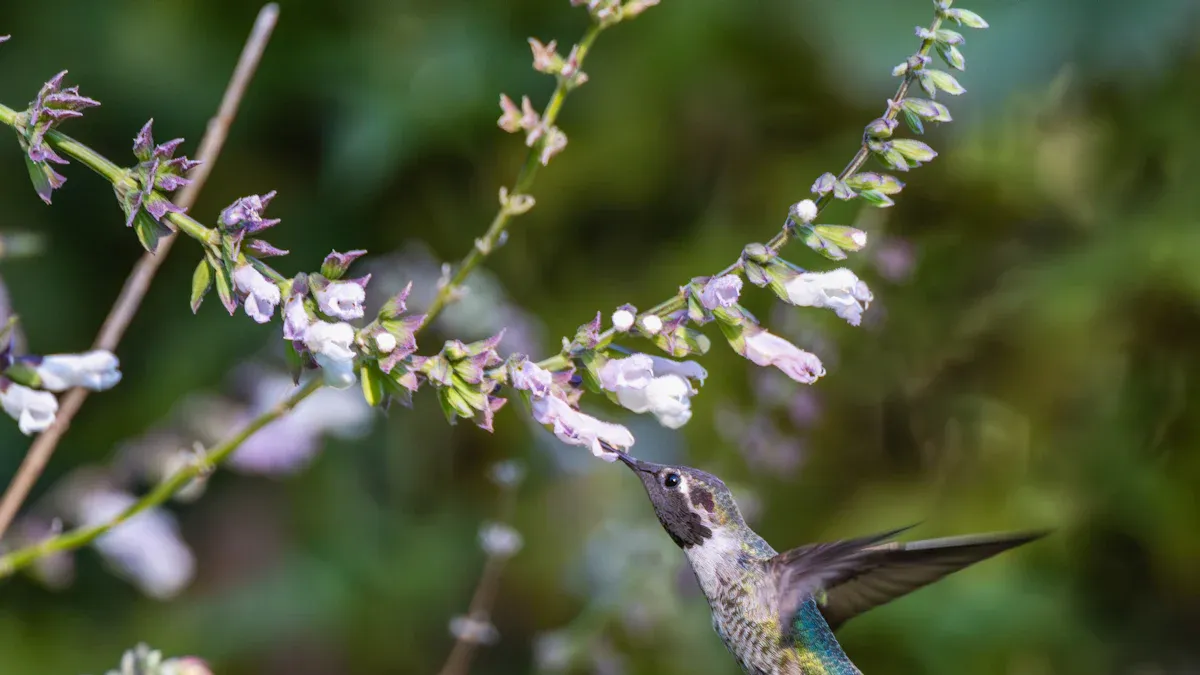
The Hummingbird Lunch Plant is a favorite among gardeners because it attracts delightful visitors like bees, butterflies, and, of course, hummingbirds. 🌼 With its stunning blooms from summer through fall, this plant not only beautifies your garden but also plays a crucial role in supporting local pollinator populations. Studies show that urban environments impact the interaction between hummingbirds and plants, highlighting the importance of including plants like the Hummingbird Lunch Plant in your garden. Proper care for Hummingbird Lunch Plant is essential to keep it thriving and ensuring that these fascinating creatures keep coming back!
Key Takeaways
Water your Hummingbird Lunch Plant regularly, keeping the soil slightly damp. Check for signs of overwatering, like yellowing leaves or mold.
Ensure your plant receives at least 6 hours of direct sunlight daily. This promotes vibrant blooms that attract hummingbirds.
Use fertile, well-drained soil for optimal growth. Consider adding compost or aged manure to improve nutrient content.
Fertilize every 4 to 6 weeks during the growing season. A balanced fertilizer encourages more blooms and healthy growth.
Monitor for pests and environmental stress. Early detection helps maintain plant health and keeps your garden thriving.
Watering the Hummingbird Lunch Plant
Frequency of Watering
To keep your Hummingbird Lunch Plant thriving, you need to water it regularly. This plant prefers slightly damp soil, so aim to keep it consistently moist. Here are some key points to remember:
Allow the soil to dry out between waterings. This helps prevent root rot.
Water your plant regularly, especially during dry spells. Consistent moisture supports healthy growth and vibrant blooms.
In hot climates, you may need to water more frequently. Always check the soil moisture before adding more water.
Signs of Overwatering and Underwatering
Knowing how to identify the signs of overwatering and underwatering is crucial for the health of your Hummingbird Lunch Plant. Here’s what to look for:
Signs of Overwatering:
Yellowing leaves: If you notice the lower leaves turning yellow, it could be a sign of too much water.
Wilting despite moist soil: This can be confusing, but overwatered plants often wilt because their roots can’t absorb water properly.
Soft, limp leaves: If the leaves feel mushy, it’s time to reassess your watering routine.
Brown spots or edges: Look for brown spots surrounded by yellow halos on the leaves.
Mold or algae growth: If you see mold on the soil surface, it’s a clear indicator of excess moisture.
Musty odor: A musty smell coming from the pot can signal root rot.
Slow growth or leaf drop: If your plant isn’t growing as expected or is dropping leaves, overwatering might be the culprit.
Signs of Underwatering:
Curling leaves: If the leaves start curling, your plant may be thirsty.
Shriveling: Look for signs of shriveling or a crispy texture on the leaves.
Leaf drop: Underwatered plants often drop leaves as a survival mechanism.
Stunted growth: If your plant isn’t growing well, it might not be getting enough water.
Brittle, dry roots: Check the roots; if they feel dry and brittle, it’s time to give your plant a drink.
By keeping an eye on these signs, you can adjust your watering habits and ensure your Hummingbird Lunch Plant stays healthy and attracts those beautiful hummingbirds!
Light Requirements for Hummingbird Lunch Plant
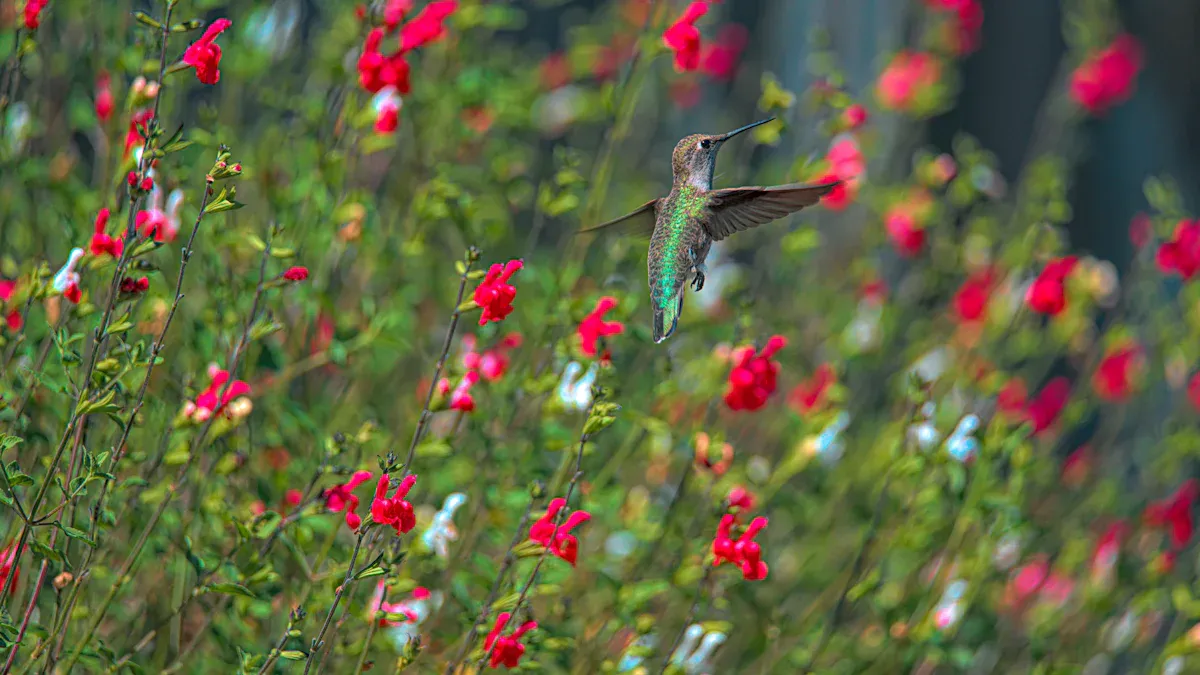
Ideal Light Conditions
To keep your Hummingbird Lunch Plant healthy and blooming beautifully, it needs plenty of sunlight. Aim for at least 6 hours of direct sunlight each day. This amount of light helps the plant produce vibrant flowers that attract hummingbirds. Here’s a quick overview of the light exposure requirements:
Light Exposure | Duration |
|---|---|
Full Sun | At Least 6 Hours Of Direct Sunlight |
Full sun means more than just a few hours of light. It includes some midday afternoon sun, which is essential for the plant’s growth and flowering. When you provide the right amount of light, you’ll notice your Hummingbird Lunch Plant thriving throughout the summer and into the fall.
Effects of Insufficient Light
If your plant doesn’t get enough sunlight, you might see some concerning changes. Here are a few effects of insufficient light:
Abnormal Leaf Color: When the plant lacks light, it struggles to produce chlorophyll. This can lead to pale or yellow leaves, which is a sign that your plant is not happy.
Slowed Growth: You may notice that your Hummingbird Lunch Plant isn’t growing as it should. Inadequate light levels can cause slowed growth or even no new growth at all.
By ensuring your plant receives enough sunlight, you’ll help it flourish and continue to attract those lovely hummingbirds. Remember, a well-cared-for Hummingbird Lunch Plant not only beautifies your garden but also supports local wildlife!
Soil for Hummingbird Lunch Plant
When it comes to the Hummingbird Lunch Plant, the right soil makes all the difference. This plant thrives in fertile, moist, and well-drained soil. You want to create an environment that allows the roots to breathe while retaining enough moisture for healthy growth.
Best Soil Types
You don’t have to stress too much about soil pH; the Hummingbird Lunch Plant isn’t picky. It grows best in rich soils that provide essential nutrients. Here are some soil types you might consider:
Loamy Soil: This is a balanced mix of sand, silt, and clay. It retains moisture but drains well, making it ideal for your plant.
Native Soil: If you plant in native soil, you’ll likely see better results. Native soil often contains beneficial microorganisms that support plant health.
To improve drainage and nutrient content, consider adding soil amendments. Here’s a handy table of some recommended amendments:
Amendment | Improves Drainage | Adds Nutrients | Best For | Cost Range |
|---|---|---|---|---|
Compost | Excellent | High | Clay soils, gardens | $10.99–$21.99/cu ft |
Aged Manure | Good | Very High | Vegetable gardens | $6.99–$11.99/40 lbs |
Perlite | Excellent | None | Containers, quick fixes | $29.99–$36.67/4 cu ft |
Coarse Sand | Good (w/organic) | None | Heavy clay soils | $2.79/40 lbs |
Repotting Tips
If your Hummingbird Lunch Plant outgrows its pot, it’s time to repot. Choose a pot that’s one size larger and fill it with fresh soil. Make sure to gently loosen the roots before placing the plant in its new home. This helps the roots spread out and absorb nutrients more effectively.
By paying attention to the soil and repotting when necessary, you’ll ensure your Hummingbird Lunch Plant stays healthy and continues to attract those beautiful hummingbirds.
Fertilization for Hummingbird Lunch Plant
Fertilizing your Hummingbird Lunch Plant is essential for promoting vibrant blooms and healthy growth. A balanced fertilizer can make a significant difference in how often your plant flowers. Here’s what you need to know about the best fertilizers and when to apply them.
Recommended Fertilizers
For optimal results, consider using the following types of fertilizers:
Balanced Liquid Fertilizer: This type provides essential nutrients that support overall plant health.
Slow-Release Fertilizer: This option gradually releases nutrients over time, ensuring your plant gets what it needs without the risk of over-fertilization.
Diluted Water-Soluble Fertilizer: Mix this with water for easy application, especially during the growing season.
Using a balanced fertilizer high in phosphorus is particularly beneficial. It encourages more blooms, which is what you want to attract those lovely hummingbirds!
Fertilization Schedule
Timing is everything when it comes to fertilizing your Hummingbird Lunch Plant. Follow this simple schedule:
Start in Early Spring: Begin fertilizing as new growth appears. This signals the plant to kick into gear for the growing season.
Every 4 to 6 Weeks: Apply your chosen fertilizer during the growing season. This regular feeding helps maintain healthy blooms and foliage.
Avoid Over-Fertilizing: Too much fertilizer can lead to excessive foliage growth at the expense of flowers. Stick to the recommended schedule for the best results.
By following these fertilization tips, you’ll ensure your Hummingbird Lunch Plant stays healthy and continues to attract those beautiful hummingbirds. Remember, proper care for Hummingbird Lunch Plant includes not just watering and light but also the right nutrients!
Troubleshooting Common Issues
Pests and Diseases
When caring for your Hummingbird Lunch Plant, you might encounter some pests and diseases. Identifying these issues early can help you take action before they cause serious damage. Here are some common pests to watch out for:
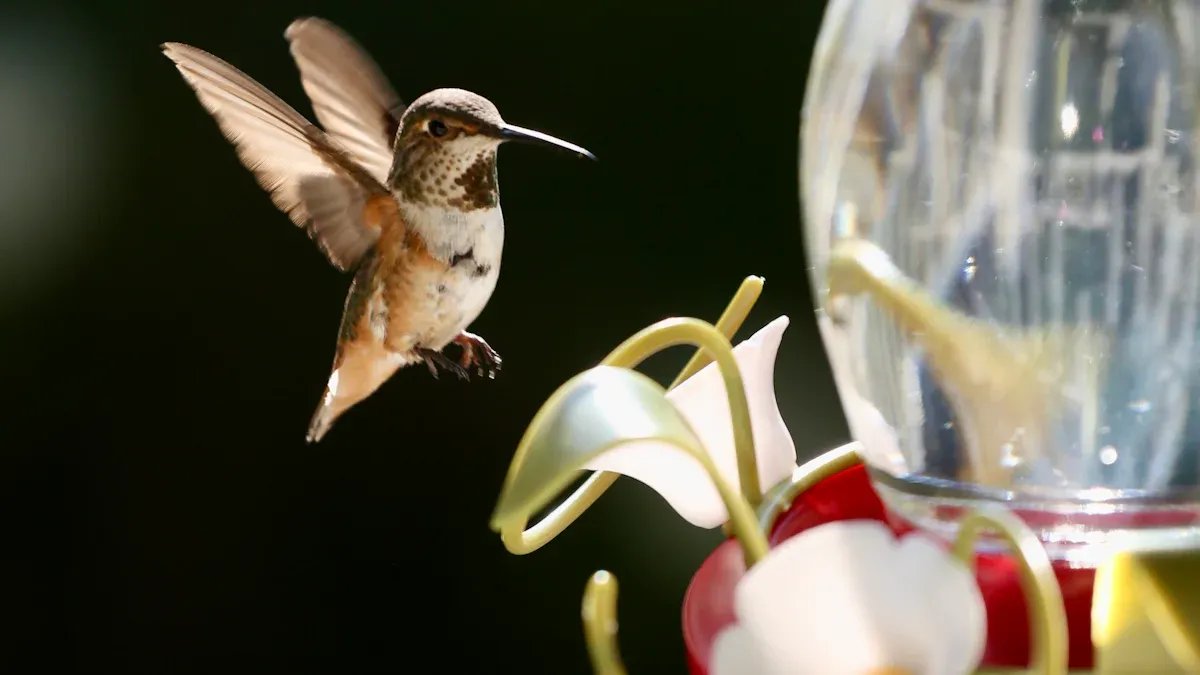
Wasps: These can be a nuisance at feeders. You’ll notice their aggressive behavior around sugar solutions.
Bees: Often buzzing around your plant, they’re identifiable by their tendency to hover near flowers.
Ants: You might see them climbing on feeders. They often drown in the sugar solution, leaving a mess behind.
Keeping an eye on these pests will help you maintain a healthy plant. If you notice any of them, consider using natural deterrents or traps to keep them at bay.
Environmental Stress Factors
Environmental conditions can also affect your Hummingbird Lunch Plant’s health. One major factor is humidity. High humidity creates a perfect environment for fungal growth, leading to diseases like powdery mildew and gray mold. Here’s how humidity impacts your plant:
High Nighttime Humidity: This condition triggers spore formation for powdery mildew, making it crucial to manage humidity levels.
Fluctuating Humidity: Rapid changes, especially high humidity at night and low during the day, can promote disease development.
To prevent these issues, ensure good air circulation around your plant. You can also monitor humidity levels and adjust watering practices accordingly. By staying vigilant about pests and environmental stressors, you’ll help your Hummingbird Lunch Plant thrive and continue attracting those beautiful hummingbirds!
Caring for your Hummingbird Lunch Plant is essential for keeping it healthy and attracting those beautiful hummingbirds. Remember to water regularly, especially during the first season, to establish a strong root system. In cooler climates, consider planting it as an annual or in a container so you can bring it indoors for winter blooms. Once established, enjoy its low-maintenance, drought-tolerant nature. By following these tips, you’ll create a vibrant garden that supports local wildlife!
FAQ
What is the best time to plant the Hummingbird Lunch Plant?
You should plant the Hummingbird Lunch Plant in the spring after the last frost. This timing allows the plant to establish roots and thrive throughout the growing season.
How often should I fertilize my Hummingbird Lunch Plant?
Fertilize your Hummingbird Lunch Plant every 4 to 6 weeks during the growing season. This regular feeding helps promote vibrant blooms and healthy growth.
Can I grow the Hummingbird Lunch Plant in a container?
Absolutely! Growing the Hummingbird Lunch Plant in a container is a great option. Just ensure the pot has good drainage and use quality soil to support its growth.
How do I attract more hummingbirds to my garden?
To attract more hummingbirds, plant multiple Hummingbird Lunch Plants and other nectar-rich flowers. You can also add hummingbird feeders filled with sugar water to entice them.
What should I do if my plant gets pests?
If you notice pests, inspect your plant regularly. Use natural deterrents like neem oil or insecticidal soap to manage infestations without harming beneficial insects.