
Maintaining your garden throughout the year is crucial for keeping your plants healthy and thriving. Regular home garden maintenance helps enhance soil health, which is essential for plant growth. When you take care of your garden, you promote deeper root growth and drought resistance by implementing techniques like drip irrigation. Plus, adding compost improves soil structure and fertility, leading to healthier plants and better yields. By adopting a proactive approach to gardening, you can enjoy a vibrant and flourishing garden all year round.
Key Takeaways
- Regular garden maintenance throughout the year keeps your plants healthy and thriving.
- In spring, clean your garden beds and add compost to enhance soil health before planting.
- During summer, water deeply and less frequently to encourage strong root growth and use mulch to retain moisture.
- In fall, clean up debris and prune plants before the first frost to promote healthy growth and prevent diseases.
- In winter, protect your plants with mulch and monitor their health to ensure a smooth transition into spring.
Spring Garden Maintenance
Spring Prep
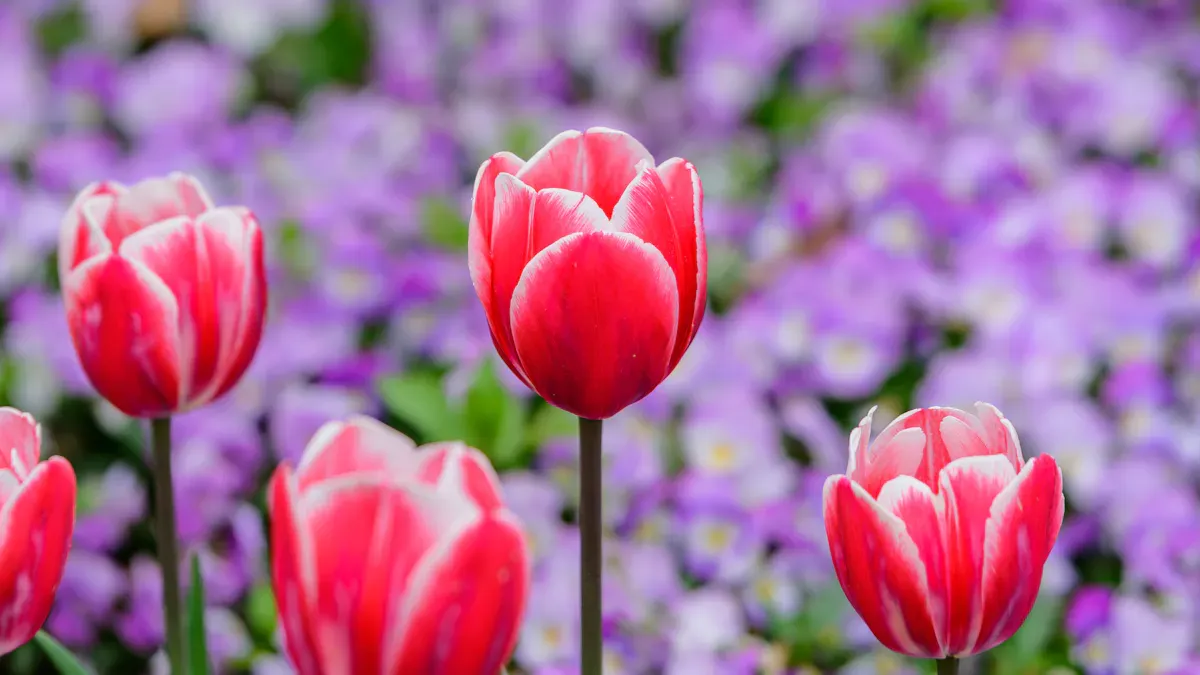
Spring is the perfect time to get your garden ready for the growing season. Start by cleaning up your garden beds. Remove any debris, dead plants, or weeds that may have accumulated over the winter. This cleanup helps prevent pests and diseases from taking hold.
Next, focus on your soil. Adding compost a few weeks before planting is crucial. This allows beneficial microbes to integrate nutrients into the existing soil structure, enhancing plant growth and health. Aim to amend your soil with 1 to 4 inches of compost, depending on whether you have a new or established garden. Remember, the soil should be moist but not soggy before you start working.
Here are some effective soil amendments to consider:
- Compost
- Manure
- Worm castings
- Leaf mold
- Biochar
Care for Plants
As your plants begin to wake up from their winter slumber, they need your attention. Start by performing a soil test to determine pH levels and nutrient content. This knowledge helps you choose the right fertilizer. Opt for a balanced, slow-release fertilizer that includes essential nutrients like nitrogen, phosphorus, and potassium. Fertilize when your grass starts to grow actively, usually in late March to early April.
When it comes to watering, aim for deep, infrequent watering rather than frequent, shallow watering. Water early in the morning to reduce evaporation and maximize absorption. This practice helps maintain soil moisture, which is vital for healthy plants.
Pest Management
Spring brings new life, but it also invites pests. Common spring pests include carpenter ants, mosquitoes, and fleas. To manage these pests effectively, consider using physical barriers like floating row covers to protect your plants. Sticky traps can help monitor pest populations, while encouraging beneficial insects can naturally control pests. Planting marigolds, dill, and fennel attracts these helpful insects.
Unique Spring Considerations
Spring gardening comes with its own set of challenges. For instance, early blooming plants like daffodils may emerge too soon due to rising temperatures, leading to frost damage from late-season cold snaps. To combat this, select plant varieties that are more resistant to late or early freezes. Stay informed about local weather forecasts to prepare for predicted freezes.
Summer Plant Care
Summer Prep
As summer approaches, it’s time to prepare your garden for the heat. Here are some essential steps to ensure your plants thrive:
- Watering Techniques: Make sure your water source is easily accessible. This helps you maintain consistent watering habits.
- Promote Good Drainage: Use raised beds to improve drainage and prevent overwatering, a common cause of plant death.
- Build Healthy Soil: Incorporate organic amendments like compost to enhance soil quality, which is crucial for plant resilience.
- Orient Your Plants Strategically: Position taller plants to avoid shading shorter crops, ensuring all plants receive adequate sunlight.
- Plant for Biodiversity: Include a variety of plants to attract beneficial insects that help control pests.
- Keep the Garden Tidy: Regularly remove weeds and overgrowth to reduce disease risk and improve air circulation.
Care for Plants
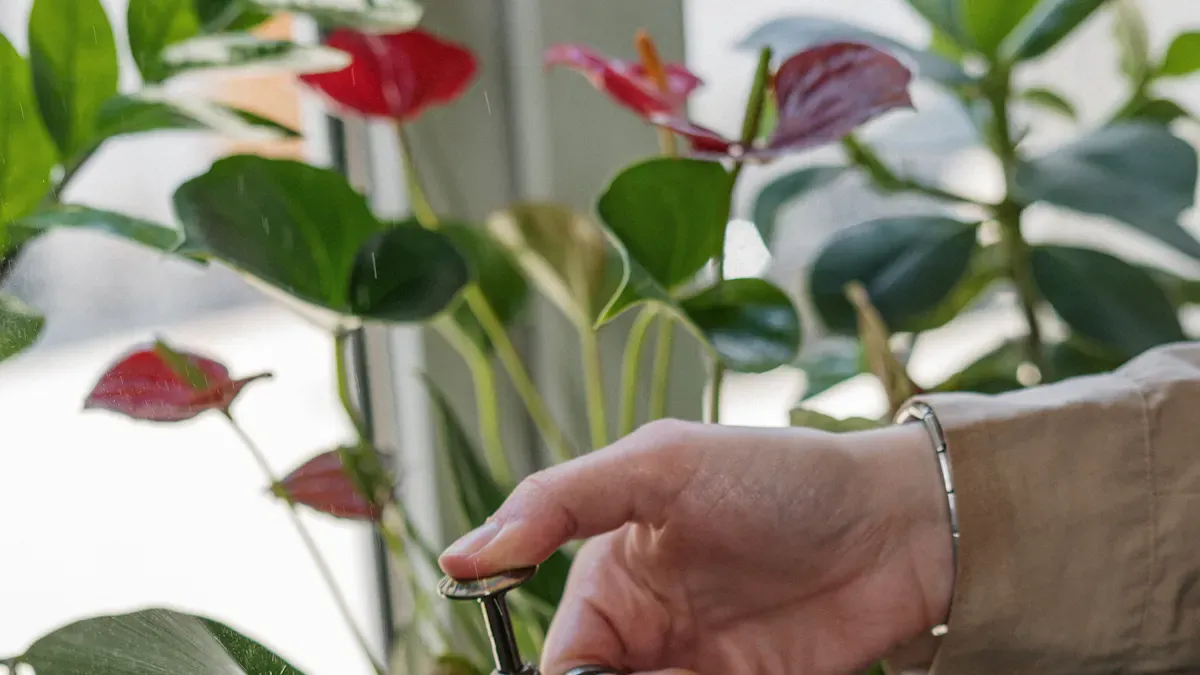
During the summer, your plants need extra attention. Water deeply and less frequently to encourage deep root growth. Aim for about one inch of water per week, ideally in the early morning to minimize evaporation. Consider using drip irrigation or soaker hoses to deliver water directly to the roots, which helps maintain soil moisture.
Mulching is another vital practice. It retains soil moisture by reducing evaporation, which is especially important during hot weather. A 3- to 4-inch layer of mulch can cut your watering needs by up to 50%. Plus, it regulates soil temperature, protecting roots from extreme heat.
Pest Management
Summer brings its share of pests. Common culprits include katydids and bindweed. Monitor your garden regularly and implement integrated pest management strategies. Set clear goals for pest management and decide on acceptable pest tolerance levels. Use cultural controls, like removing infected plants, and enhance biodiversity by planting flowers that attract beneficial insects.
Unique Summer Considerations
Heat waves can stress your plants. Move container plants to shaded areas during excessive heat and provide windbreaks to protect them from drying winds. Avoid planting near reflective surfaces that can amplify heat. Remember, during high temperatures, refrain from fertilizing or pruning to prevent additional stress on your plants.
By following these summer care tips, you can keep your garden flourishing even in the hottest months!
Fall Maintenance for a Healthy Yard
Fall Prep
As the days grow shorter and temperatures drop, it’s time to prepare your garden for winter. Start by cleaning up your garden beds. Remove any spent plants and debris to prevent diseases from taking hold. This cleanup is essential for maintaining a healthy yard. You can also plant cool-season crops like kale and spinach, which thrive in the cooler weather.
Enhancing your soil with organic matter, such as compost, is another crucial step. This not only improves soil structure but also boosts nutrient content. A well-prepared soil will support your plants in the coming seasons. To protect your plants from frost, consider using mulch and frost blankets. These materials help insulate your plants against freezing temperatures.
Care for Plants
During fall, your plants still need your attention. Pruning is a vital task that promotes healthy growth. Finish pruning before the first hard frost to allow your plants to heal. Make clean cuts above a bud or branch junction to prevent disease. Start by removing dead, damaged, or diseased branches first. Keeping your tools clean and sterilized reduces the risk of spreading diseases.
Here are some best practices for pruning:
- Use clean, sharp tools for precise cuts.
- Prune after leaves have fallen but before the first hard frost.
- Make strategic cuts, removing no more than one-third of the plant’s height or volume in a year.
- Assess plant health before pruning to avoid stressing the plant.
Additionally, maintaining good soil moisture is essential. Water your plants thoroughly before frost to help retain soil heat. This practice can make a significant difference in how well your plants survive the winter.
Pest Management
Fall is also a time when certain pests become more active. Common pests include aphids, spider mites, and cabbage loopers. To manage these pests effectively, monitor your garden regularly. Strong water sprays can help dislodge pests like aphids, while insecticidal soap can control spider mites. Handpicking cabbage loopers can also be effective.
Here are some tips for managing pests in the fall:
- Clean up plant debris to prevent disease and pest attraction.
- Ensure good airflow through pruning to minimize humidity, which can lead to diseases.
- Rotate crops to manage soilborne pathogens.
By keeping an eye on your plants and implementing these pest management strategies, you can reduce the risk of infestations.
Unique Fall Considerations
As temperatures drop, be mindful of how early frosts can affect your garden. Cool temperatures can lead to increased fungal pathogens, so maintaining good air circulation is crucial. Avoid overhead watering to keep foliage dry, which helps prevent disease spread.
To insulate your plants, use heavy mulch and frost blankets. These materials trap heat and protect vulnerable plants from harsh conditions. Remember, your garden’s health in the spring starts with the care you provide in the fall.
By following these fall maintenance tips, you can ensure your garden remains healthy and vibrant, ready to thrive when spring arrives!
Winter Care for Plants
Winter Prep
Winter can be tough on your garden, but you can take steps to protect your plants from the cold. Start by covering them with mulch or hay. This insulation helps keep roots warm. You can also use tarps or burlap to shield branches from harsh winds and heavy snow. If you have vulnerable shrubs or trees, stake them for extra support against snow accumulation. Don’t forget to shovel snow off your plants to prevent damage!
Here are some additional winter prep tips:
- Check the weather forecast regularly.
- Identify low spots in your garden where cold air settles.
- Water lightly if the soil feels dry.
- Move small containers to a sheltered area.
- Cover tender plants with breathable fabric, anchoring the edges securely.
Care for Plants
Even in winter, your plants need attention. Monitor their health closely. This observation helps you catch any issues early, ensuring a smoother transition into spring. Look for signs of stress, such as yellowing leaves or wilting. If you notice any problems, take action right away.
Mulching plays a significant role in plant survival during winter. A layer of 4 to 5 inches of mulch can protect herbs like rosemary and lemon verbena from harsh conditions. Covering plants with evergreen boughs can also help prevent them from drying out. This simple step improves their chances of making it through the winter.
Pest Management
Winter isn’t free from pests. Scale insects and aphids can still be a problem, even when your plants are dormant. Scale insects feed on the sap of trees and shrubs, leading to yellowing leaves. Aphids can produce sticky honeydew, which encourages mold growth. Keep an eye out for these pests and take action if you spot them.
Unique Winter Considerations
As you care for your garden in winter, remember that monitoring plant health is crucial. Observing how your plants respond to winter conditions can inform your decisions for the next growing season. You’ll gain insights into what worked and what didn’t, allowing you to make proactive adjustments. This all-season care ensures your garden remains vibrant and healthy when spring arrives.
Maintaining your garden year-round is essential for keeping your plants healthy and vibrant. Remember to prepare your garden in spring, care for your plants in summer, tidy up in fall, and protect them in winter. Each season brings unique tasks that help your garden thrive. 🌼
For more tips and tricks, don’t hesitate to explore additional gardening resources. Happy gardening!
FAQ
What should I do if my plants are wilting?
Wilting often means your plants need water. Check the soil moisture. If it’s dry, water deeply. If the soil is wet, consider drainage issues. Adjust your watering schedule accordingly.
How often should I fertilize my garden?
Fertilize your garden every 4 to 6 weeks during the growing season. Use a balanced, slow-release fertilizer. Always follow the package instructions for the best results.
What pests should I watch for in my garden?
Common garden pests include aphids, spider mites, and slugs. Regularly inspect your plants for signs of damage. Early detection helps you manage infestations effectively.
How can I protect my plants from frost?
To protect against frost, cover your plants with frost blankets or burlap. You can also use mulch to insulate the soil. Watering before a frost can help retain heat.
When is the best time to prune my plants?
Prune your plants in late winter or early spring before new growth begins. This timing encourages healthy growth and helps prevent disease. Always use clean, sharp tools for pruning.