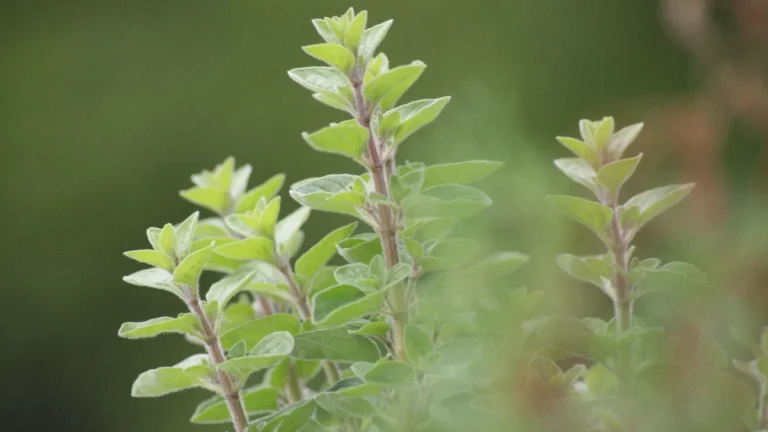
Water conservation in gardening is vital. Did you know that about 30% of household water usage goes to outdoor activities? That’s nearly 9 billion gallons daily! By choosing drought resistant plants, you can beautify your garden while saving water and promoting sustainability. It’s a win-win for your space and the environment!
Benefits of Drought Resistant Plants
Water Conservation
When you choose drought-resistant plants for your garden, you’re making a smart choice for water conservation. These plants thrive on minimal water, which means you can significantly reduce your irrigation needs. In fact, studies show that xeriscaping can cut water usage by up to 80%! Imagine the savings on your water bill while still enjoying a vibrant garden.
Here’s a quick look at how different garden types compare in terms of water usage:
| Garden Type | Water Usage Reduction |
|---|---|
| Xeriscaping | Up to 80% |
| Drought-Tolerant Gardens | 40-60% |
| Native Plant Gardens | No supplemental irrigation after establishment |
By selecting drought-tolerant plants, you not only help the environment but also create a sustainable garden that flourishes even in dry conditions.
Low Maintenance
One of the best perks of incorporating drought-resistant plants into your garden is the low maintenance they require. These plants are designed to thrive with less care, which means you can spend more time enjoying your garden and less time working in it.
Consider these maintenance tasks that become easier with drought-tolerant plants:
- Less Frequent Watering: You won’t need to water as often, which saves you time and effort.
- Reduced Weeding: Using mulch helps suppress weeds, so you can say goodbye to constant weeding.
- Minimal Pruning: Once established, these plants require little pruning, allowing you to enjoy a beautiful garden with less hassle.
With drought-resistant plants, you can create a stunning landscape that requires less effort to maintain.
Environmental Benefits
Drought-resistant plants offer numerous environmental benefits that go beyond just saving water. By choosing these plants, you contribute to a healthier ecosystem. Here are some key advantages:
- Support Local Wildlife: Native plants provide food and habitat for pollinators, helping to sustain local biodiversity.
- Improve Soil Health: These plants contribute organic matter to the soil, enhancing its fertility and structure without the need for synthetic fertilizers.
- Reduce Carbon Footprint: With lower water usage and less lawn maintenance, you help decrease greenhouse gas emissions.
Additionally, drought-resistant plants have extensive root systems that reduce runoff and soil erosion, making them a great choice for urban gardens. They also filter toxins from air and water, improving overall environmental quality.
Best Drought Resistant Plants
Lantana and Tickseed
Lantana and Tickseed are fantastic choices for your drought-tolerant garden. Lantana blooms in vibrant colors, attracting butterflies and bees. This plant thrives in full sun and tolerates poor soil. Tickseed, or Coreopsis, features bright, daisy-like flowers that also draw in pollinators. Once established, Tickseed requires minimal watering, making it perfect for dry spells. Both plants add beauty and support local wildlife, enhancing your garden’s ecosystem.
Native Trees and Shrubs
Consider adding native trees and shrubs to your landscape. These plants are well-adapted to local conditions and require less water. Here are some excellent options:
- Wild Lilac (Ceanothus): Attracts bees and thrives in dry soil.
- Rockrose (Cistus): An evergreen that loves full sun and is perfect for rock gardens.
- Juniper (Juniperus): Low-maintenance and available in various sizes.
These native plants not only beautify your garden but also play a crucial role in supporting local wildlife and maintaining biodiversity.
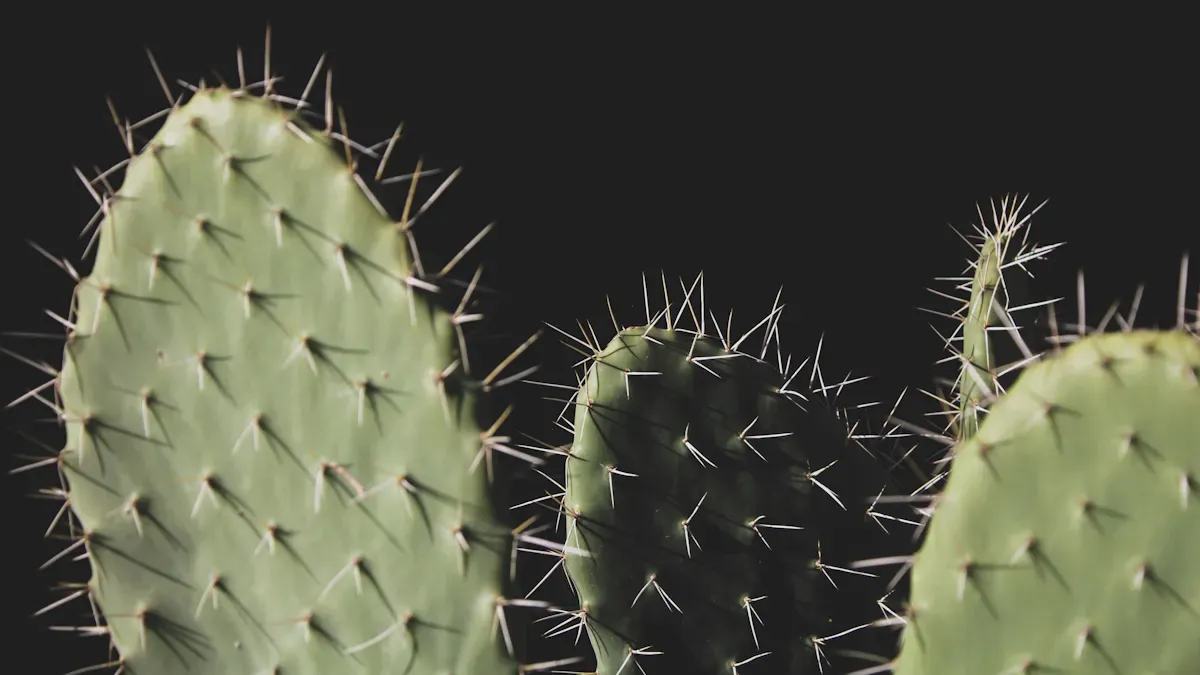
Succulents and Grasses
Succulents and ornamental grasses are perfect for drought-tolerant landscaping. They come in various shapes and colors, adding visual interest to your garden. For example:
- Sedum: Known for its vibrant colors and low water needs.
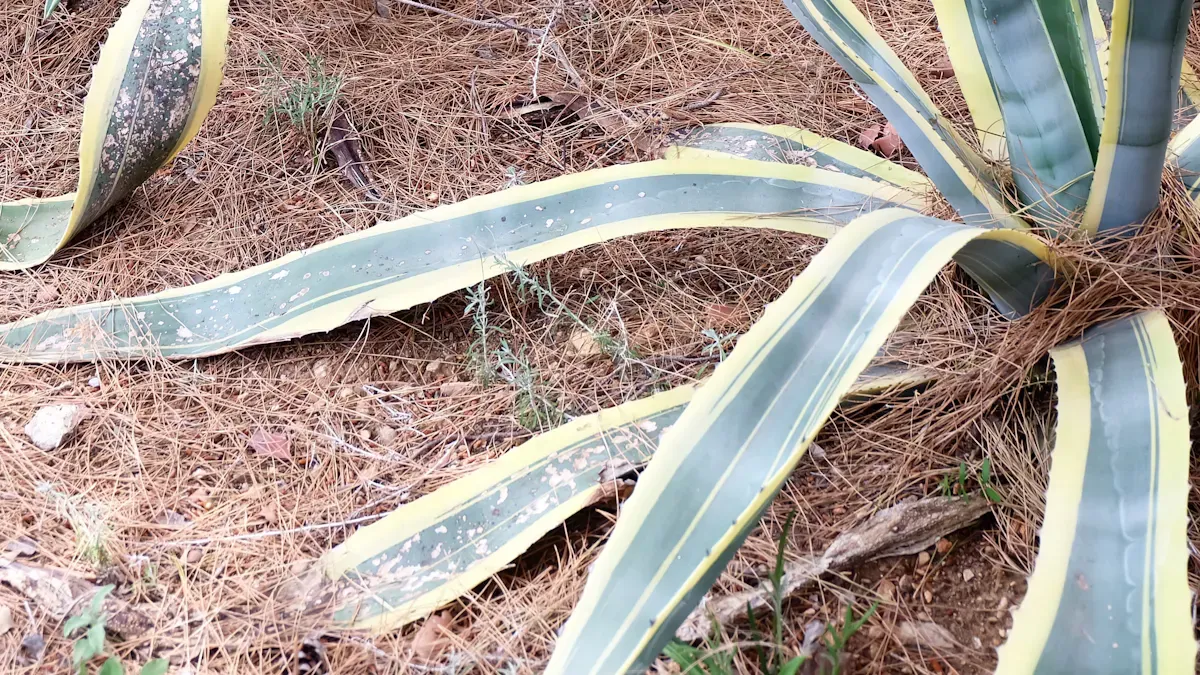
- Agave: Features striking, spiky leaves that create a dramatic effect.
- Buffalograss: A low-growing grass that thrives in arid regions.
These plants require minimal maintenance and can withstand dry conditions, making them ideal for your drought-tolerant garden.
Drought-Tolerant Landscaping Tips
Hydrozone Your Garden
Hydrozoning is a smart strategy for managing water in your garden. It involves grouping plants based on their water needs. By doing this, you can water more efficiently and reduce waste. Here’s how to get started:
- Identify Plant Needs: Group your plants into categories—those that need a lot of water and those that thrive on little.
- Create Zones: Designate areas in your garden for each group. For example, place drought-tolerant plants together and keep water-loving plants in another zone.
- Use Smart Irrigation: Set up an irrigation system that delivers water only where it’s needed. This helps prevent overwatering and saves water.
By hydrozoning, you can create a more sustainable garden that thrives even in dry conditions.
Soil Preparation
Proper soil preparation is crucial for the success of your drought-tolerant plants. Healthy soil retains moisture and supports plant growth. Here are some steps to improve your soil:
- Add Organic Matter: Incorporate compost or well-rotted manure into your soil. This enriches the soil and improves its ability to hold moisture.
- Loosen Compacted Soil: If your soil is hard and compacted, use a garden fork or tiller to aerate it. This allows water to penetrate more easily.
- Test Soil pH: Check the pH level of your soil. Most plants prefer a slightly acidic to neutral pH (6.0 to 7.0). Adjust as necessary with lime or sulfur.
By preparing your soil well, you set the stage for your drought-tolerant garden to flourish.
Mulching Techniques
Mulching is one of the best ways to conserve moisture in your garden. A good layer of mulch can reduce evaporation and keep your soil cool. Here’s how to effectively use mulch:
- Choose the Right Material: Organic mulches like wood chips, straw, or bark work well. They break down over time, adding nutrients to the soil.
- Apply the Right Depth: Aim for a layer of 2 to 4 inches of mulch. This thickness helps suppress weeds and retains moisture effectively.
- Prepare the Soil: Before applying mulch, clear away any weeds or debris. Water the soil deeply to ensure it’s hydrated before adding mulch.
Using mulch can reduce soil water loss by up to 33%, making it a vital part of your drought-tolerant landscaping strategy.
By following these tips, you can create a beautiful and sustainable garden that thrives in dry conditions while conserving water.
Incorporating drought-resistant plants into your garden offers you beauty and sustainability. These plants save water and require less maintenance, making your gardening experience enjoyable.
Consider these benefits:
- Drought-tolerant gardens save water and are easy to care for.
- Picking the right plants is key for a garden that uses little water.
- Using methods like mulching helps keep your garden healthy.
By choosing drought-resistant plants, you take a step toward a stunning and eco-friendly garden!
FAQ
What are drought-resistant plants?
Drought-resistant plants thrive in low-water conditions, making them perfect for gardens in dry climates.
How do I care for drought-resistant plants?
You should water them less frequently and focus on soil health to help them thrive in your garden.
Can I mix drought-resistant plants with other types?
Absolutely! You can combine drought-resistant plants with other varieties, just ensure they have similar water needs.