
Tagetes brighten gardens with bold, long-lasting blooms and attract pollinators while repelling some pests. Choose a mix for sweeping color, a giant double variety for dramatic focal points, a striped heirloom for visual contrast, and compact French types for tidy borders.
Bulk mixes suit large beds and give continuous bloom across the season. Different heights, bloom sizes, and scents let you arrange layered, pollinator-friendly beds that stay vivid from spring through fall.
| Marigold Seed Mix (Tagetes erecta & T. patula) |

| Best for Bulk Color | Species/Type: Mix of Tagetes erecta (African) & Tagetes patula (French) | Quantity (seed count / pack): 22,500+ seeds (2.5 oz pouch) | Blooming Season / Habit: Season‑long color; blooms ~8 weeks after sowing in warm conditions (season-wide) | VIEW LATEST PRICE | Read Our Analysis |
| Park Seed Big Duck Yellow Marigold Seeds (25) |
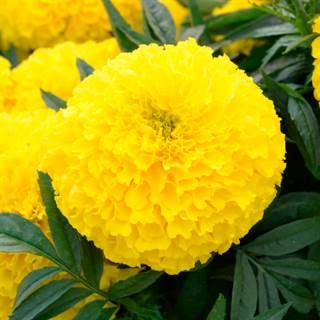
| Best for Cut Flowers | Species/Type: Tagetes erecta (African) | Quantity (seed count / pack): 25 seeds | Blooming Season / Habit: Early summer to first frost (continuous summer flowering) | VIEW LATEST PRICE | Read Our Analysis |
| Tiger Eye Marigold Heirloom Seeds (250) |

| Best for Heirloom Charm | Species/Type: Tagetes patula (French) | Quantity (seed count / pack): 250 seeds | Blooming Season / Habit: Prolific blooms from early summer into fall | VIEW LATEST PRICE | Read Our Analysis |
| Outsidepride French Marigold Seeds Mix (1000 pcs) |
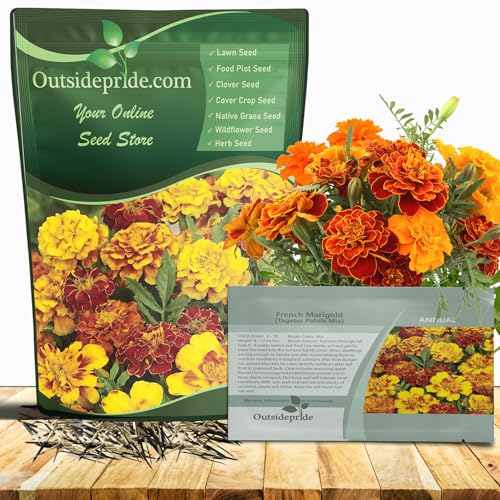
| Best for Pollinator Gardens | Species/Type: Tagetes patula (French mix) | Quantity (seed count / pack): 1,000 seeds | Blooming Season / Habit: Continuous bloom spring through fall | VIEW LATEST PRICE | Read Our Analysis |
| HOME GROWN Marigold Seeds Bulk Mix (5600+) |

| Best for Large Displays | Species/Type: Tagetes erecta (African, Crackerjack mix) | Quantity (seed count / pack): 5,600+ seeds | Blooming Season / Habit: Summer to fall (continuous flowering; renewed blooms) | VIEW LATEST PRICE | Read Our Analysis |
More Details on Our Top Picks
Marigold Seed Mix (Tagetes erecta & T. patula)
In case you want a fast, reliable way to fill beds, pots, and window boxes with long-lasting color, this marigold seed mix is made for you. You get over 22,500 fresh seeds in a 2.5 oz resealable pouch, so you can plant a little now and save some for later. The mix blends African and French marigolds for varied heights and flower forms, giving steady color across the season. Sow in warm soil and expect blooms in about eight weeks. Pollinators love them, and they work well near vegetables and herbs, making your garden happier and busier.
- Species/Type:Mix of Tagetes erecta (African) & Tagetes patula (French)
- Quantity (seed count / pack):22,500+ seeds (2.5 oz pouch)
- Blooming Season / Habit:Season‑long color; blooms ~8 weeks after sowing in warm conditions (season-wide)
- Sunlight Preference:Suitable for full sun (implied for best performance)
- Pollinator / Wildlife Benefits:Attracts butterflies and bees; pollinator‑friendly; good companion plant
- Packaging / Seed Freshness & Storage:Resealable pouch to extend shelf life
- Additional Feature:Mixed African & French
- Additional Feature:Multiple heights/forms
- Additional Feature:Resealable pouch
Park Seed Big Duck Yellow Marigold Seeds (25)
You’ll love Park Seed Big Duck Yellow marigold seeds should you want bold, easy-care blooms that fill beds and containers with bright, sunny color. These Tagetes erecta plants produce extra-large, fully double flowers up to 4 inches across in a rich yellow that lifts your mood. They grow compact and carpet-like, so you can mass plant or tuck them into pots for instant cheer. They handle heat, rain, and drought, and they draw butterflies and hummingbirds. Sow directly or start indoors for earlier blooms. They need well-drained soil, regular sun, and simple watering for long summer performance.
- Species/Type:Tagetes erecta (African)
- Quantity (seed count / pack):25 seeds
- Blooming Season / Habit:Early summer to first frost (continuous summer flowering)
- Sunlight Preference:Full sun
- Pollinator / Wildlife Benefits:Attracts pollinators including butterflies and hummingbirds
- Packaging / Seed Freshness & Storage:Standard seed packet (product card; small retail pack)
- Additional Feature:Extra-large 4″ blooms
- Additional Feature:Semi-dwarf carpet habit
- Additional Feature:Heat/rain/drought-tolerant
Tiger Eye Marigold Heirloom Seeds (250)
Should you want bright, easy-care flowers that draw butterflies and look great in beds or containers, Seed Needs Tiger Eye Marigold seeds are a smart pick for beginner and busy gardeners alike. You’ll get 250 heirloom, GMO free seeds in durable, moisture resistant packets. The blooms show a rich dark red center with orange or yellow edges, so your garden pops. Plant in spring in average soil and full sun. Expect 6 to 12 inch plants that bloom from early summer into fall. Seeds arrive fresh from growers, store well, and germinate in days if sown correctly.
- Species/Type:Tagetes patula (French)
- Quantity (seed count / pack):250 seeds
- Blooming Season / Habit:Prolific blooms from early summer into fall
- Sunlight Preference:Full sun
- Pollinator / Wildlife Benefits:Attracts butterflies/pollinators
- Packaging / Seed Freshness & Storage:Tear‑resistant, moisture‑resistant packaging; stored in temperature‑controlled facility
- Additional Feature:Two-toned tiger-eye blooms
- Additional Feature:Heirloom / non-GMO
- Additional Feature:Wide USDA zones (1–11)
Outsidepride French Marigold Seeds Mix (1000 pcs)
Should you want easy, nonstop color that even beginner gardeners can trust, this Outsidepride French Marigold mix is a smart pick. You’ll love the compact plants, only 8 to 12 inches tall, that fill borders and containers with orange and yellow blooms. Sow 2 to 3 seeds per spot, space about 8 inches, and expect germination in 5 to 20 days at 70 to 75°F. These annuals bloom spring through fall, attract bees and butterflies, and resist heat and deer. They prefer full sun and well drained soil at pH 5.6 to 6.5, USDA zones 3 to 10.
- Species/Type:Tagetes patula (French mix)
- Quantity (seed count / pack):1,000 seeds
- Blooming Season / Habit:Continuous bloom spring through fall
- Sunlight Preference:Full sun
- Pollinator / Wildlife Benefits:Attracts bees and butterflies
- Packaging / Seed Freshness & Storage:Standard bulk seed packaging (sold as 1000 pcs; germination guidance included)
- Additional Feature:Compact 8–12″ height
- Additional Feature:Aromatic, deer-deterring foliage
- Additional Feature:Fast germination (5–20 days)
HOME GROWN Marigold Seeds Bulk Mix (5600+)
Supposing you want a bold, low fuss flower that fills big beds and pulls pollinators to your garden, this HOME GROWN Crackerjack Marigold mix is a great choice. You’ll get 5,600+ heirloom, GMO free seeds in double sealed packaging, made in USA. These African marigolds form large, ruffled, double blooms in gold, orange, yellow, and lemon that bees love. They grow bushy and tall, tolerate varied soils, and handle drought once set. Sow indoors in the first days of spring or direct after frost to cover up to 100 square feet. They’re edible, low maintenance, pest resistant, and lovely in borders.
- Species/Type:Tagetes erecta (African, Crackerjack mix)
- Quantity (seed count / pack):5,600+ seeds
- Blooming Season / Habit:Summer to fall (continuous flowering; renewed blooms)
- Sunlight Preference:Full sun preferred (tolerates partial shade)
- Pollinator / Wildlife Benefits:Favored by bees and other beneficial insects; companion planting benefits
- Packaging / Seed Freshness & Storage:Double‑sealed packaging; GMO‑free; heirloom labeling
- Additional Feature:Very large seed count
- Additional Feature:Tall, dramatic habit
- Additional Feature:Edible petals / lutein
Factors to Consider When Choosing Tagetes Flower Seeds
If you select Tagetes seeds, consider the exact variety and seed type so you get the bloom color and size you want. Check seed count and packaging along with germination rates so you know how many healthy plants to expect. Also consider growth habit and height because that affects where you’ll plant them and how they’ll fit with other flowers.
Seed Type And Variety
Picking the right Tagetes seeds makes a big difference in how your garden looks and feels, so start contemplating about the habits and traits you want. You can pick Tagetes erecta for tall plants with large double blooms that stand out, or Tagetes patula for compact, prolific edges with smaller, often bi colored flowers. Next, decide between heirloom seeds in case you want to save seed and keep stable traits, or hybrids should you want uniform blooms and better disease resistance. Also reflect about growth habit and mature height so plants fit spacing and companions, from dwarf 6 to 12 inches to tall up to 48 inches. Finally, check seed freshness and germination info to trust spring emergence and steady performance.
Seed Count And Packaging
You’ve picked the right Tagetes type and size, so now consider about how many seeds you’ll actually need and how they come packaged. Pick a seed count that fits your project scale. Small packets with 20 to 300 seeds suit pots, window boxes, or test rows. Bulk packs with thousands work if you plan large beds, school projects, or community plantings. Check packaging type next. Resealable, moisture-resistant pouches or foil-lined packets keep seeds fresher than plain paper. Also look for storage guidance on the pack, like cool or room temperature recommendations and tear-resistant material. Take note whether the packet lists exact seed count or an approximate weight. For heirloom or rare varieties choose smaller, carefully packaged lots for better traceability and freshness.
Germination Rate Expectations
Typically you’ll see high germination from fresh Tagetes seeds, often between 70 and 95 percent provided you give them the right start. You can expect sprouts within 5 to 14 days whenever soil stays around 70 to 75°F, and warmer soil speeds things up. Store seeds cool, dry, and sealed to keep that rate for one to three years, comprehension viability drops slowly after that. Soaking seeds for 6 to 12 hours can nudge faster germination, though quality seed usually doesn’t need it. Plant at the surface to a quarter inch deep and avoid crowding so seedlings can breathe and you won’t waste space. Also thin gently to improve usable plant percentage, and keep consistent moisture for steady, certain emergence.
Bloom Size And Color
Now that your seedlings have emerged and are growing strong, you’ll want to ponder about bloom size and color because those choices shape how your garden will look and feel. You can choose Tagetes erecta for big, fully double blooms up to 3 to 4 inches across whenever you desire bold mass color or cut flowers. Or pick Tagetes patula for smaller 1 to 2 inch blooms with bi colored or edged petals that add fine texture in borders and containers. Also decide whether you prefer solid yellows, golds, oranges and reds, or bicolors and tiger eye patterns for contrast. Flower form matters too, from single to pompon, since it affects pollinator visits and how well petals hold up for cutting or drying. Finally, check cultivars for steady season long bloom versus occasional large showy flowers.
Growth Habit And Height
Picking marigold seeds according to growth habit and height helps you shape the space and chores they’ll bring. You’ll choose tall Tagetes erecta whenever you desire dramatic back-of-border plants or a bold focal point, since they often reach 18 to 48 inches. For neat beds and containers, pick Tagetes patula, which stay compact at about 6 to 12 inches and keep maintenance light. Intermediate or semi-dwarf varieties around 12 to 24 inches sit well in the middle of borders or mixed pots, giving balance between drama and control. Also consider about mature spread, because some types form a low wide carpet while others grow narrowly upright. That affects spacing, pruning needs, and whether you’ll need staking or extra care.
Climate And Hardiness
Should you want marigolds that thrive where you live, consider hardiness and heat as you choose seeds. You’ll find most Tagetes do well as annuals across zones 2 to 11, so they fit many gardens and will reseed in warm spots. Reflect about variety too. French marigolds stay compact and like steady summer warmth, while African types grow taller and handle hot, dry sites better. Start seeds once soil warms to about 70 to 85°F so they germinate quickly. Plant after the last frost and pick sunny sites for nonstop blooms, or use light shade in cooler areas provided needed. Make sure soil drains well because marigolds dislike waterlogged roots and cold snaps can harm young plants.
Uses And Companion Planting
A few thoughtful choices about marigold seeds can really lift a vegetable garden and make your beds friendlier to helpful insects. You can plant compact French marigolds along borders and in containers to keep blooms low so nearby crops get light. Taller African types work well at the back of beds or as sacrificial trap plants to draw pests away. Marigolds release root signals and aromatic foliage that help deter nematodes and some soil pests near tomatoes, peppers, beans, and brassicas. They also attract hoverflies, parasitic wasps, and bees, which enhance pollination and biological pest control. Sow them in succession or interplant among crops for steady color and ongoing soil benefits, but place them where they won’t steal shade or moisture.