Want reliable, flavorful spinach from your garden? Choose Bloomsdale for tender, savoyed leaves and rapid regrowth. Add Gaea’s Blessing Giant Winter for cold hardiness and late-season harvests, Organic Bloomsdale for open-pollinated seed stock, Egyptian Molokhia for continuous leafy greens, and a 45‑variety heirloom pack to diversify crops and extend harvests.
Prepare soil with steady moisture and fertile compost for best results.
| Bloomsdale Long Standing Heirloom Spinach Seeds (300) |

| Best Overall | Botanical Name / Species: Spinacia oleracea | Seed Type / Pollination: Heirloom, open-pollinated, non-GMO | Quantity: 300 seeds (approx; 3.5+ g) | VIEW LATEST PRICE | Read Our Analysis |
| Gaea’s Blessing Giant Winter Spinach Seeds (3g) |

| Winter Hardy Pick | Botanical Name / Species: Spinacia oleracea | Seed Type / Pollination: Heirloom, open-pollinated, non-GMO | Quantity: 3.0 g (seed packet weight) | VIEW LATEST PRICE | Read Our Analysis |
| 45 Heirloom Vegetable Seed Variety Pack (Non-GMO) |

| Best Variety Pack | Botanical Name / Species: (includes) Spinacia oleracea (spinach included among varieties) | Seed Type / Pollination: Heirloom, non-GMO varieties | Quantity: Over 17,000 seeds (45-variety pack) | VIEW LATEST PRICE | Read Our Analysis |
| Organic Bloomsdale Spinach Seeds (Approx 300) |

| Best Organic Choice | Botanical Name / Species: Spinacia oleracea | Seed Type / Pollination: Heirloom, open-pollinated, non-GMO (USDA Organic) | Quantity: Approx 300 seeds | VIEW LATEST PRICE | Read Our Analysis |
| Egyptian Spinach (Molokhia) Jute Seeds — 2000 |
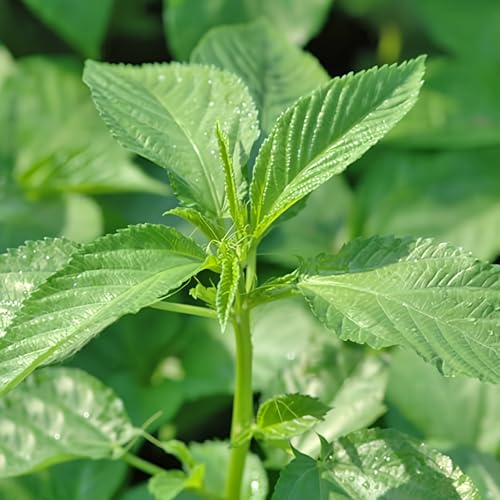
| Ethnic/Heirloom Favorite | Botanical Name / Species: Corchorus olitorius | Seed Type / Pollination: Non-GMO (traditional jute/molokhia seed) | Quantity: 2000 seeds | VIEW LATEST PRICE | Read Our Analysis |
More Details on Our Top Picks
Bloomsdale Long Standing Heirloom Spinach Seeds (300)
Provided you want reliable, tasty greens with old fashioned charm, Bloomsdale Long Standing is a great choice for home gardeners and small growers. You’ll get 300 heirloom, open pollinated seeds that thrive in USDA zones 1 to 10. Sow indoors 4 to 6 weeks before last frost or sow outside 5 to 6 weeks before. Plants mature in 35 to 50 days with broad, savoyed leaves you can harvest often. Keep soil fertile, well drained, and evenly moist. Space and thin as true leaves form. You’ll enjoy fast regrowth, bright flavor, and drought tolerance.
- Botanical Name / Species:Spinacia oleracea
- Seed Type / Pollination:Heirloom, open-pollinated, non-GMO
- Quantity:300 seeds (approx; 3.5+ g)
- Use / Purpose:Fresh eating, sautéing, baking, juicing; home garden greens
- Growing Window / Seasonality:Spring to fall; sow early spring, late summer, or winter in warm regions
- Target Growers / Skill Level:Home gardeners (beginner to experienced), cut-and-come-again users
- Additional Feature:Heirloom variety history
- Additional Feature:Drought-tolerant performance
- Additional Feature:Cut-and-come-again
Gaea’s Blessing Giant Winter Spinach Seeds (3g)
Provided that you want spinach that thrives through cold snaps and gives you a steady spring harvest, Gaea’s Blessing Giant Winter Spinach is a great pick. You’ll love its dark green, glossy, deeply savoyed leaves that suit baby greens or full-size harvests. With a 95% germination rate in the current lot, it’s high yielding and reliable. It’s incredibly cold hardy, so you can plant for fall crops, grow in a winter greenhouse, or overwinter outdoors under mulch. Non-GMO and heirloom, the Illinois brand backs sustainable practices and the Safe Seed Pledge, which makes you feel good about growing it.
- Botanical Name / Species:Spinacia oleracea
- Seed Type / Pollination:Heirloom, open-pollinated, non-GMO
- Quantity:3.0 g (seed packet weight)
- Use / Purpose:Overwintering, fall/winter harvests, baby or full-size leaves
- Growing Window / Seasonality:Fall planting and overwintering; winter greenhouse or mulched outdoor overwinter
- Target Growers / Skill Level:Growers wanting cold-hardy/overwintering spinach (home/greenhouse)
- Additional Feature:Extremely cold-hardy
- Additional Feature:95% germination rate
- Additional Feature:Safe Seed Pledge
45 Heirloom Vegetable Seed Variety Pack (Non-GMO)
In case you want a beginner-friendly, hands-on way to grow lots of fresh greens and veggies, this 45 heirloom seed variety pack is a great pick for you. You’ll get over 17,000 non-GMO seeds covering arugula, lettuce, broccoli, cabbage, tomato, baby carrot, pepper, pumpkin, cucumber, spinach and more. It works indoors, in outdoor beds, and in small planters so you can harvest all year. The seeds show strong germination and reliable growth, which helps you succeed from seed to harvest. Tools and a clear guide make planting precise and reduce guesswork, and the pack makes a thoughtful gift.
- Botanical Name / Species:(includes) Spinacia oleracea (spinach included among varieties)
- Seed Type / Pollination:Heirloom, non-GMO varieties
- Quantity:Over 17,000 seeds (45-variety pack)
- Use / Purpose:Home gardening (indoor/outdoor), continuous year‑round harvests
- Growing Window / Seasonality:Year‑round planting (indoor/outdoor), succession planting supported
- Target Growers / Skill Level:Beginners and experienced gardeners; gift pack for learning
- Additional Feature:Over 17,000 seeds
- Additional Feature:Includes planting tools
- Additional Feature:Beginner-friendly kit
Organic Bloomsdale Spinach Seeds (Approx 300)
Choose Organic Bloomsdale Spinach Seeds should you want a reliable, tasty crop that’s easy to grow and perfect for fresh salads or quick sautés. You’ll get about 300 heirloom seeds, open-pollinated and USDA Organic certified, so you can trust their origin and quality. Plant in spring or fall, and sow every two weeks to keep greens coming. Thin seedlings at two to three inches to snip baby leaves or give plants room to mature for larger glossy, dark green foliage. Packets arrive freshly packed with clear instructions, so you’ll feel confident, prepared, and proud of a generous, resilient harvest.
- Botanical Name / Species:Spinacia oleracea
- Seed Type / Pollination:Heirloom, open-pollinated, non-GMO (USDA Organic)
- Quantity:Approx 300 seeds
- Use / Purpose:Salads and cooked dishes; succession plantings for continuous supply
- Growing Window / Seasonality:Spring and fall (succession every 2 weeks recommended)
- Target Growers / Skill Level:Home gardeners wanting organic heirloom spinach (beginner-friendly)
- Additional Feature:USDA Organic certified
- Additional Feature:Freshly packed season
- Additional Feature:Succession-planting recommended
Egyptian Spinach (Molokhia) Jute Seeds — 2000
Should you want a dependable, high-yield leafy green that’s great for home cooks and small-scale growers, Egyptian spinach molokhia with 2000 green jute seeds is an excellent choice because it gives you plenty of plants to feed a family or share with neighbors. You’ll get over 2000 NON-GMO Corchorus olitorius seeds, known as molokhia, ewedu, saluyot, rau đay and more. You can grow for food, fiber, or medicinal uses. Store seeds in a cool, dry, dark spot so they stay viable. The green stems are hardy, fast, and forgiving, making them ideal for diverse kitchens and climates.
- Botanical Name / Species:Corchorus olitorius
- Seed Type / Pollination:Non-GMO (traditional jute/molokhia seed)
- Quantity:2000 seeds
- Use / Purpose:Edible leafy vegetable (molokhia) and fiber/culinary use
- Growing Window / Seasonality:Warm‑season cropping typical for Corchorus (regionally dependent)
- Target Growers / Skill Level:Cooks/gardeners growing regional leafy green (traditional/ethnic crops)
- Additional Feature:Corchorus olitorius species
- Additional Feature:2000+ bulk seeds
- Additional Feature:Multicultural culinary staple
Factors to Consider When Choosing Spinach Vegetable Seeds
You’ll want to pick spinach seeds that suit your local climate and hardiness zone so plants stay healthy through heat or frost. Check days to maturity and planting window timing so you’ll harvest once you need to, and compare leaf type and texture for the dishes you like to cook. Also look for seed purity and certification to feel confident you’re planting reliable, disease-free stock.
Climate And Hardiness
As you pick spinach seeds, consider the climate and how hardy the variety really is, because that choice decides at what point and how well your spinach will grow. Check your USDA hardiness zone or local frost dates so you plant once temperatures suit cool-season spinach. Should you want fall sowing or overwintering, choose cold-hardy types that survive deep freezes and restart growth in spring. For summer plans, pick bolt-resistant or heat-tolerant cultivars, and give partial shade plus steady moisture because heat above about 75 to 80°F pushes bolting and bitter leaves. In mild-winter regions, use varieties that handle multiple windows and succession sow every two to three weeks to dodge gaps from heat or cold stress.
Days To Maturity
Once you pick spinach seeds, days to maturity tells you how soon you’ll get tasty leaves and helps you plan every planting so you don’t end up with empty beds or bitter, bolting plants. Look at DTM on the packet to set realistic expectations. Many varieties reach harvest between about 30 and 60 days, and you can harvest baby leaves several weeks sooner than full-size heads. Faster types around 30 to 40 days let you succession plant and dodge premature bolting in spring. Slower types near 45 to 60 days usually offer bigger, heartier leaves whenever patience pays off. Keep in mind that temperature, daylength, soil fertility, and sowing date will change actual timing. Match DTM to your frost dates or summer heat to avoid gaps.
Leaf Type And Texture
You’ve already planned planting times via looking at days to maturity, and now you’ll want to match those timelines to the leaf type you prefer. Decide whether you want smooth, semi-savoy, or savoy leaves. Smooth leaves clean easily and stay tender, so they suit baby greens and fresh salads. Semi-savoy offers a middle ground with light texture and decent tenderness. Savoy leaves bring rich crinkles and thicker tissue, so they hold dressings and sauces and stand up to sautéing without wilting fast. Recall thicker savoy leaves can be chewier at full size, while smooth types stay softer even later. For continuous harvests, pick the form that matches how you eat spinach and how long you plan to store it.
Seed Purity And Certification
Whenever you pick seeds for your spinach patch, check purity and certification so you can trust what you plant and how it will grow. You want seeds labeled open-pollinated or heirloom provided you plan to save true-to-type seed, and you’ll want to know hybrids might not produce identical offspring. Also look for USDA Organic or third-party test seals to prove production standards and reported germination. Should genetic purity matter, verify non-GMO or Safe Seed Pledge statements. Read the germination rate and pack date to estimate sprouting chances and shelf life. Check the percent pure seed versus inert matter and other crop seed so you are able to calculate actual seed count. These steps protect your harvest and ease your worries.
Planting Window Timing
Should you want steady, tender spinach all season, plan your sowing window around cool soil and frost dates so seedlings have time to root before heat hits. Start seedings in early spring as soon as soil can be worked, aiming 4 to 6 weeks before your average final frost. For direct sowing, aim 5 to 6 weeks before that date so roots develop while temperatures stay cool. In warm regions, shift sowings to late summer and early fall or use mulch or a greenhouse for winter crops that resume growth in spring. Space successive sowings every 10 to 14 days to keep harvests coming and avoid crowding. Keep in mind germination takes 7 to 21 days, so finish planting before soils climb above 75°F where bolting risk grows.
Yield And Regrowth
Because yield and regrowth decide how much fresh spinach you’ll pick week after week, pick seeds with traits that support repeated harvesting. Choose varieties labeled “cut-and-come-again” or those with a spreading habit, since they regrow faster after you take outer leaves. Also check days to maturity, aiming for faster types around 35 to 50 days so you get prompt cuts and quicker recovery between harvests. Pay attention to leaf habit and size because savoyed and broad-leaf types tolerate frequent harvesting and give larger outer leaves to grab. Look up documented productivity and harvest window length to match your season. Finally favor seeds with high vigor and good germination rates so stands grow dense and bounce back reliably after each harvest.
Disease And Pest Resistance
Whenever you pick spinach seeds, aim for varieties that resist the diseases and pests common in your area so you’ll spend less time worrying and more time harvesting. Look for names that list resistance to downy mildew, white rust, and Fusarium wilt to cut losses and reduce fungicide use. Also choose cultivars with bolting tolerance and leaf spot defense because stress can trigger quick bolting and ugly lesions. Check seed lot germination and vigor data since strong seedlings shrug off early pests and infections. Use rotation and pair it with resistant varieties because monoculture raises soilborne risk even for tough cultivars. Finally consult resistance ratings and regional trial results so you match a seed’s strengths to your local pressures and feel confident planting.