Perennial vegetables let you plant once and harvest for years. Choose globe artichokes for large edible buds and reliable clumps.
Grow lemongrass in pots for aromatic stalks useful in cooking and teas.
Root chicory, red lablab, and Joe Pye weed add bitter salad greens and roastable roots, climbing protein-rich pods, and pollinator support in wet soils respectively.
| Outsidepride Red Lablab Hyacinth Bean Vine Seeds |

| Best Climbing Pick | Seed Type: Heirloom, open‑pollinated | Intended Use: Outdoor garden climber / ornamental edible | Pollinator / Wildlife Benefit: Attracts hummingbirds and butterflies | VIEW LATEST PRICE | Read Our Analysis |
| Root Chicory Seeds for Planting — Non-GMO Heirloom |

| Best Root Crop | Seed Type: Heirloom, open‑pollinated, non‑GMO | Intended Use: Outdoor root/leaf vegetable (planting & seed‑saving) | Pollinator / Wildlife Benefit: Blue flowers provide nectar for pollinators | VIEW LATEST PRICE | Read Our Analysis |
| Lemongrass Seeds (Heirloom Non-GMO) for Gardening |

| Best Aromatic Herb | Seed Type: Heirloom, open‑pollinated, non‑GMO | Intended Use: Outdoor culinary herb/grass (planters or garden) | Pollinator / Wildlife Benefit: Flowers support pollinators (implied/medicinal use; seed packet notes) | VIEW LATEST PRICE | Read Our Analysis |
| Spotted Joe Pye Weed Seeds (Eutrochium maculatum) |

| Best Pollinator Magnet | Seed Type: Heirloom, open‑pollinated, non‑GMO | Intended Use: Outdoor perennial wildflower (native habitat / edible value for pollinators) | Pollinator / Wildlife Benefit: Attracts native bees, butterflies, beneficial insects | VIEW LATEST PRICE | Read Our Analysis |
| Gardeners Basics Green Globe Artichoke Seeds (3g) |
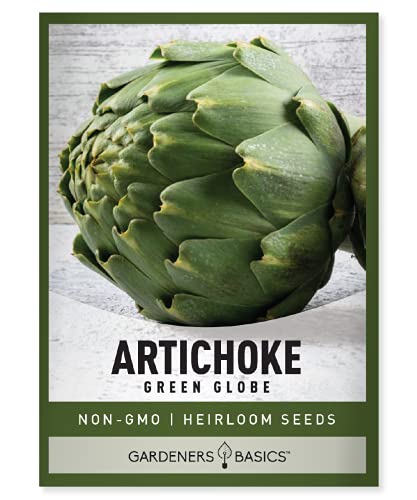
| Best Gourmet Producer | Seed Type: Heirloom, open‑pollinated, non‑GMO | Intended Use: Outdoor perennial vegetable (artichoke production) | Pollinator / Wildlife Benefit: Valuable garden plant (supports ecosystem; implied pollinator visits for flowering crops) | VIEW LATEST PRICE | Read Our Analysis |
More Details on Our Top Picks
Outsidepride Red Lablab Hyacinth Bean Vine Seeds
Should you want a showy, low-fuss vine that feeds both pollinators and your table, the Outsidepride Red Lablab Hyacinth Bean is a smart pick for gardeners who like color and usefulness. You’ll enjoy crimson-red and green-leaved plants with deep purple blooms on red-leaved types and bicolor purple-white flowers on green-leaved ones. They climb fast to eight feet, making striking vertical screens for fences and arbors. The fragrant flowers draw hummingbirds and butterflies, while leaves, pods, seeds, and flowers are edible once boiled. Start heirloom seeds after frost, nick and soak them, and sow two per spot for lush coverage.
- Seed Type:Heirloom, open‑pollinated
- Intended Use:Outdoor garden climber / ornamental edible
- Pollinator / Wildlife Benefit:Attracts hummingbirds and butterflies
- Packaging Format:Seed packet (heirloom seeds; planting instructions included)
- Cold‑climate Handling / Hardiness Notes:Perennial in USDA Zones 9–11; treated as annual in colder zones
- Seed Storage / Viability Guidance:Heirloom seed; start by nicking/soaking; adaptable and easy to cultivate (implies seed handling best practices)
- Additional Feature:Striking vertical interest
- Additional Feature:Edible leaves/pods/seeds
- Additional Feature:Fragrant hummingbird attractant
Root Chicory Seeds for Planting — Non-GMO Heirloom
Should you want a tough, low-fuss perennial that gives fresh greens and coffee-free root roast year after year, these Root Chicory seeds are a great pick for small family gardens and container growers alike. You’ll find non-GMO, heirloom, open-pollinated seeds in a single packet with clear planting and seed-saving directions. Sow outdoors whenever soil’s workable or start indoors 3 to 4 weeks beforehand. Plant in sandy, well-drained soil in full sun, spacing seedlings 6 to 12 inches. Water evenly until germination, then reduce to harden off. Expect blue flowers, drought resistance, and roots to roast and brew.
- Seed Type:Heirloom, open‑pollinated, non‑GMO
- Intended Use:Outdoor root/leaf vegetable (planting & seed‑saving)
- Pollinator / Wildlife Benefit:Blue flowers provide nectar for pollinators
- Packaging Format:Paper seed packet with planting & seed‑saving instructions
- Cold‑climate Handling / Hardiness Notes:Suitable USDA Zones 4–11; can be started indoors
- Seed Storage / Viability Guidance:Tested for germination; remain viable for years if stored cool, dry; seed‑saving instructions included
- Additional Feature:Roots as coffee substitute
- Additional Feature:Compact bushy habit
- Additional Feature:Seed‑saving instructions included
Lemongrass Seeds (Heirloom Non-GMO) for Gardening
Provided you love cooking Asian dishes and want a dependable, low-fuss perennial for your patio or windowsill, lemongrass seeds are an excellent choice you’ll often reach for. You get a bright lemon flavor that lifts soups, curries, and teas. The plants are long leafy grasses that thrive in containers and need simple care, and you’ll move them indoors whenever frost threatens. Seeds are heirloom, open-pollinated, non-GMO and untreated, so you can save some later. Store seeds cool and dry to keep them viable. Packets from a family-owned USA business include clear germination and seed-saving instructions.
- Seed Type:Heirloom, open‑pollinated, non‑GMO
- Intended Use:Outdoor culinary herb/grass (planters or garden)
- Pollinator / Wildlife Benefit:Flowers support pollinators (implied/medicinal use; seed packet notes)
- Packaging Format:Paper seed packet with germination/growing instructions
- Cold‑climate Handling / Hardiness Notes:Perennial; move indoors in winter in cold climates; start indoors possible
- Seed Storage / Viability Guidance:Seeds remain viable for years if stored cool, dry; packet includes seed‑saving instructions
- Additional Feature:Distinct lemon flavor
- Additional Feature:Moves indoors in winter
- Additional Feature:Useful fresh or dried
Spotted Joe Pye Weed Seeds (Eutrochium maculatum)
Whenever you want a showy, low-fuss perennial that helps pollinators and fills wet spots in your yard, Spotted Joe Pye Weed seeds are a smart pick for 2026. You’ll love planting these heirloom, non-GMO, open-pollinated seeds because they’re fresh, tested, and packed to last. They reach 4 to 8 feet with dusty rose to purple blooms from July thru September, and they thrive in moist soil with full sun to partial shade. They self-seed to expand your wildflower display, resist deer, and draw native bees, butterflies, and beneficial insects to rain gardens, pond edges, and wet meadows.
- Seed Type:Heirloom, open‑pollinated, non‑GMO
- Intended Use:Outdoor perennial wildflower (native habitat / edible value for pollinators)
- Pollinator / Wildlife Benefit:Attracts native bees, butterflies, beneficial insects
- Packaging Format:Paper seed packet with planting, germination, seed‑saving info
- Cold‑climate Handling / Hardiness Notes:Perennial adapted to USDA Zones 3–8
- Seed Storage / Viability Guidance:Fresh, untreated, rigorously tested and expertly packed for long‑term storage; seed‑saving info included
- Additional Feature:Moisture‑loving wetland plant
- Additional Feature:Native North American wildflower
- Additional Feature:Deer resistant
Gardeners Basics Green Globe Artichoke Seeds (3g)
Should you want a dependable perennial that keeps giving and fits small yards or containers, the Gardeners Basics Green Globe artichoke seeds are a great pick. You’ll appreciate heirloom, open-pollinated, non-GMO seeds grown in the USA that let you save seed for next year and enhance food security. Plants produce 4 to 6 artichokes each summer, so you’ll get steady harvests without constant replanting. Packets are printed on water-resistant paper with clear growing and harvesting directions, and they contain at least one gram of seeds, listed as three grams. Cook them boiled with butter or mayonnaise for simple, tasty meals.
- Seed Type:Heirloom, open‑pollinated, non‑GMO
- Intended Use:Outdoor perennial vegetable (artichoke production)
- Pollinator / Wildlife Benefit:Valuable garden plant (supports ecosystem; implied pollinator visits for flowering crops)
- Packaging Format:Printed seed packet (water‑resistant paper) with growing/harvest directions
- Cold‑climate Handling / Hardiness Notes:Perennial variety (implied suitability for colder regions via perennial cultivation practices)
- Seed Storage / Viability Guidance:Heirloom/open‑pollinated enabling seed saving each year; packet includes growing/harvesting directions
- Additional Feature:Produces 4–6 heads
- Additional Feature:Water‑resistant packet
- Additional Feature:Grown in USA
Factors to Consider When Choosing Perennial Vegetable Seeds
Whenever you pick perennial vegetable seeds, start by matching the varieties to your climate zone and the soils and moisture you have. Consider next about how much sun the plants need and whether they’ll be hardy enough to come back year after year, because longevity affects how much effort you’ll invest. Also check expected yield and productivity so you know whether a patch will feed your family or just make the garden prettier.
Climate Zone Fit
Because your garden faces real winter and summer extremes, choosing perennial vegetable seeds that match your climate zone will save you time and heartbreak. Check the USDA hardiness range for each variety so you don’t plant a Zone 9 to 11 crop where Zone 3 to 8 winters will kill it. Match cold tolerance to your average lowest winter temperature, not just seasonal averages. Also consider heat limits because some plants handle cold but wilt in long hot spells. Consider whether a plant stays evergreen, dies back, or goes dormant, since that changes harvest timing and protection needs. Finally, account for microclimates like south walls, frost pockets, and wind exposure, which can shift conditions and affect whether a perennial will thrive.
Soil And Moisture
Even should your soil look fine at a glance, good soil and steady moisture are the backbone of any successful perennial vegetable patch, and getting them right now will save you years of work. Start with well drained loamy soil that has 2 to 5 percent organic matter. Test pH and aim for 6.0 to 7.5 because most perennial edibles thrive there, though some crops tolerate slight shifts. In case your soil is sandy, add lots of compost to hold water and nutrients. Should it be heavy clay, build raised beds, mix in coarse sand and generous compost, and create a 12 to 18 inch rooting zone free of compaction. Mulch 2 to 4 inches to conserve moisture and steady temperatures. During dry spells, replace about 1 to 1.5 inches of water each week to keep plants steady.
Sunlight Requirements
Sunlight shapes how well your perennial vegetables grow, so pick a spot that matches each crop’s light needs and your yard’s changing shade. Most perennials want 6 to 8 hours of direct sun for best leaves, flowers, and buds. Some tolerate partial shade with 4 to 6 hours, while a few leafy greens will manage on 3 to 4 hours of morning sun or strong dappled light, though yield and flavor might drop.
You’ll prefer morning sun because it dries dew, lowers disease risk, and warms plants early. Consider seasonal sun angle and nearby trees, since spring sun can vanish under summer foliage. Also observe microclimates like walls or pavement that enhance heat for warmth-loving types but can stress cool-season crops.
Hardiness And Longevity
Whenever you pick perennial vegetable seeds, start at matching their hardiness to your USDA zone so you don’t end up nursing plants that won’t survive your winters. Check zone ratings because many perennials stay only in warmer zones like 9 to 11 and act as annuals or die back colder places. Next, learn each plant’s lifespan and how long it will crop. Some herbs and grasses persist with seasonal dieback while woody or clumping types often give reliable harvests for five to ten years or more. Consider winter care like mulching, lifting roots, or moving containers since those steps extend life. Also observe growth habit and soil moisture needs. Rhizome spreaders renew beds; clumpers need division. Choosing varieties matched to your site will keep you gardening with less worry.
Yield And Productivity
You matched hardiness and lifespan to your site, and now you’ll want to ponder about how much food each plant will actually give you. Consider initially expected yield per plant. For example, artichokes often produce four to six heads each season, so you can count plants for family needs. Then weigh productive lifespan and year-to-year changes, since some perennials peak after establishment and need division to stay productive. Also check harvest frequency and season length, because continuous leaf harvesters add up faster than single-harvest crops. Compare space-versus-yield efficiency through matching mature plant size to output, so a big clumping plant doesn’t steal room for higher-yielding varieties. Finally, factor time-until-initial-harvest; many perennials take one to two seasons to pay off.
Pest And Disease Resistance
Because pests and diseases can wipe out a perennial bed over several seasons, it helps to choose seeds that give you a real head start against trouble. Look for varieties with documented resistance ratings like R or IR for blights, rusts, and wilts so you spend less time treating problems. Prefer cultivars bred with pest-deterring traits such as hairy leaves, tough seedheads, or mild bitter compounds that keep aphids, beetles, and caterpillars at bay. Aim for genetic diversity or mixed-line plantings in each bed because variability lowers the risk of total loss from one outbreak. Also pick plants known for strong root health and good mycorrhizal relationships to resist root rots and nematodes. Finally favor long-lived lines with proven field performance.
Culinary And Nutritional Uses
Choosing seeds that give you tasty, reliable harvests matters as much as picking ones that resist pests and disease, and you’ll want to take into account about how each perennial will actually make it onto your plate. You’ll notice artichokes give multiple edible buds, so you can plan meals around fresh hearts and tender leaves. Chicory offers roots you can roast like coffee and leaves you can toss in salads or cook with greens, though their bitter bite can change with heat. Lemongrass adds bright aromatics to soups and marinades, and small amounts go a long way. Many perennials pack vitamins A and C plus fiber and antioxidants, and staggered harvests mean steady fresh ingredients. Just learn which parts need soaking or thorough cooking to be safe and tasty.
Seed Saving Ease
Start off considering about how easy it will be to save seeds from a plant, because some perennials give you reliable, true-to-type seeds while others create surprises. Choose open-pollinated or heirloom varieties so offspring match the parent and you can save seed year after year. Also prefer self-pollinating or isolated plants, or plan to hand-pollinate, to avoid unwanted crosses that make seedlings variable. Check that the plant actually flowers and sets viable seed in your climate before committing. Learn each crop’s harvest cues and storage needs, since timing and drying affect germination. Finally, observe whether a species is dioecious or monoecious, because dioecious crops need both male and female plants nearby to produce seed and shape your garden plans.