Want a thick, fast-greening lawn with low fuss? Choose ryegrass blends for quick establishment, fine texture, and strong wear tolerance.
Use a shade-tolerant fescue-rye mix where sunlight is limited and annual ryegrass to fill bare spots rapidly.
For long-term toughness, pick perennial or tall fescue blends that build deep roots and handle drought while still mowing and watering simply.
| Shade Pro Fine Fescue & Ryegrass Blend (50 lb) |

| Best for Shade | Seed Type / Composition: Fine fescue-dominant blend with perennial ryegrass | Best Use / Purpose: Shaded lawns, low-light areas, restoration/overseeding | Preferred Planting Time / Season: Fall and early spring (cool-season) | VIEW LATEST PRICE | Read Our Analysis |
| Annual Ryegrass Seed – 3 oz Covers 30 Sq F |

| Quick Temporary Green | Seed Type / Composition: 100% annual ryegrass | Best Use / Purpose: Small patches, containers, temporary/quick green cover | Preferred Planting Time / Season: Cool months / seasonal use (spring/fall best) | VIEW LATEST PRICE | Read Our Analysis |
| Jonathan Green Touch-Up TRI-RYE Perennial Ryegrass Seed (25 lb) |

| Fast Spot Repair | Seed Type / Composition: 100% perennial ryegrass (tri-rye blend) | Best Use / Purpose: Overseeding, touch-ups, winter green cover | Preferred Planting Time / Season: Mid-Aug–mid-Oct and mid-Mar–mid-May (fall/spring) | VIEW LATEST PRICE | Read Our Analysis |
| Pennington Kentucky 31 Tall Fescue Penkoted Grass Seed 7 lb |
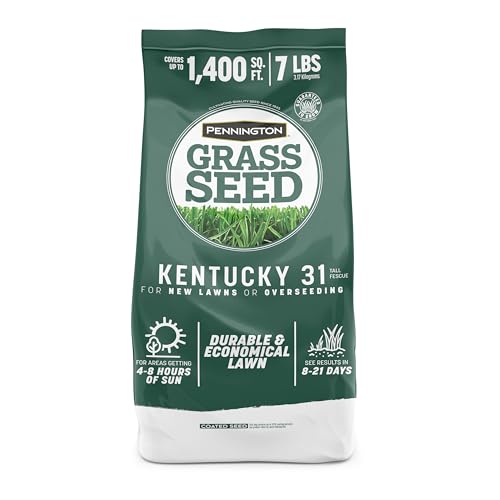
| Tough & Durable | Seed Type / Composition: Kentucky 31 tall fescue (cool-season tall fescue) | Best Use / Purpose: New lawns or overseeding for durable tall fescue turf | Preferred Planting Time / Season: Early spring and early fall | VIEW LATEST PRICE | Read Our Analysis |
| The Andersons Perennial Rye Blend Premium Grass Seed – 25lbs. |
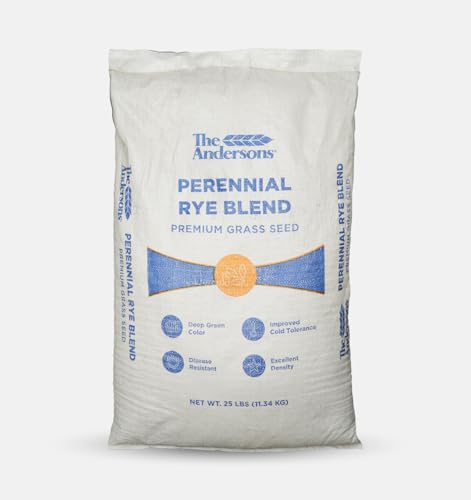
| Overseeding Pro | Seed Type / Composition: Perennial rye blend (perennial ryegrass) | Best Use / Purpose: Overseeding and turf improvement | Preferred Planting Time / Season: Cool-season windows / overseeding periods | VIEW LATEST PRICE | Read Our Analysis |
More Details on Our Top Picks
Shade Pro Fine Fescue & Ryegrass Blend (50 lb)
Whenever your yard spends most of its day in shade, Shade Pro Fine Fescue and Ryegrass Blend is built to give you a healthy, green lawn without nonstop fuss. You’ll notice perennial ryegrass sprouts fast, giving early green while fine fescues quietly spread to fill thin spots. Seed in fall or at the outset of spring for best results, especially in cool, low-light areas like under trees or between houses. Once established, this mix needs less water, fertilizer, and mowing than regular blends. Choose from 10, 25, or 50 pound bags. You’ll get a soft, dark green, carpet-like turf that feels welcoming.
- Seed Type / Composition:Fine fescue-dominant blend with perennial ryegrass
- Best Use / Purpose:Shaded lawns, low-light areas, restoration/overseeding
- Preferred Planting Time / Season:Fall and early spring (cool-season)
- Light Tolerance / Sun Exposure:Shade-adapted / low light
- Establishment Speed / Germination:Perennial ryegrass provides quicker establishment; fine fescues slower
- Package Weight / Size:Available in 10 lb, 25 lb, 50 lb (listed 50 lb example)
- Additional Feature:Low-input maintenance
- Additional Feature:Soft carpet-like texture
- Additional Feature:Available multiple sizes
Annual Ryegrass Seed – 3 oz Covers 30 Sq F
This 3 oz packet of annual ryegrass is ideal should you want a quick, no-fuss way to green up a small area like a pot, patch, or temporary lawn, especially should you’re juggling busy days and need fast results. You’ll sow seed that’s 100% pure and untreated, grown fresh in Oregon’s Willamette Valley and packed in a metalized pouch for freshness. It sprouts fast, gives rich emerald color, and works in partial shade or containers. You’ll get light foot traffic readiness in about two weeks and heavier use in four. It’s family and pet safe and GMO free.
- Seed Type / Composition:100% annual ryegrass
- Best Use / Purpose:Small patches, containers, temporary/quick green cover
- Preferred Planting Time / Season:Cool months / seasonal use (spring/fall best)
- Light Tolerance / Sun Exposure:Partial shade tolerant
- Establishment Speed / Germination:Fast-germinating; sprouts immediately (very quick)
- Package Weight / Size:3 oz packet (covers ~30 sq ft)
- Additional Feature:100% untreated seed
- Additional Feature:Metalized freshness pouch
- Additional Feature:Family-and-pet-safe
Jonathan Green Touch-Up TRI-RYE Perennial Ryegrass Seed (25 lb)
Assuming you want fast green coverage for bare spots or to keep a lawn looking lush through cooler months, Jonathan Green Touch-Up TRI-RYE is a smart pick for you. You’ll like that it’s 100% perennial ryegrass with three quick-germinating turf types, so it sprouts in 7–10 days and fills thin areas fast. Use it to overseed warm-season grass in fall or in spring to revive tired turf. It makes dense, dark-green grass in sun or partial shade. A 25 lb bag covers up to 6,250 sq ft new and 12,500 sq ft overseed, so it’s convenient and reliable.
- Seed Type / Composition:100% perennial ryegrass (tri-rye blend)
- Best Use / Purpose:Overseeding, touch-ups, winter green cover
- Preferred Planting Time / Season:Mid-Aug–mid-Oct and mid-Mar–mid-May (fall/spring)
- Light Tolerance / Sun Exposure:Full sun to moderate shade
- Establishment Speed / Germination:Germinates in 7–10 days (quick)
- Package Weight / Size:25 lb bag
- Additional Feature:Three-variety blend
- Additional Feature:Fast 7–10 day germination
- Additional Feature:Good overseeding winter green
Pennington Kentucky 31 Tall Fescue Penkoted Grass Seed 7 lb
Assuming you want a tough, low-fuss lawn that handles hot summers and heavy use, Pennington Kentucky 31 Tall Fescue Penkoted 7 lb is a solid pick you’ll appreciate; it’s built for homeowners who need durable, drought-tolerant turf that still looks good. You’ll like its thicker blades and lighter green color. It tolerates heat, foot traffic, and sandy soil while needing only moderate watering. Plant in early spring or fall and expect sprouts in 8 to 21 days. One bag covers up to about 1,400 square feet. Pennington sources seed directly from growers and offers manufacturer support in case assistance is required.
- Seed Type / Composition:Kentucky 31 tall fescue (cool-season tall fescue)
- Best Use / Purpose:New lawns or overseeding for durable tall fescue turf
- Preferred Planting Time / Season:Early spring and early fall
- Light Tolerance / Sun Exposure:Full sun to medium shade (4–8 hours)
- Establishment Speed / Germination:Visible results in 8–21 days (moderate)
- Package Weight / Size:7 lb bag
- Additional Feature:Penkoted seed coating
- Additional Feature:Heat and drought-tolerant
- Additional Feature:Suitable sandy soils
The Andersons Perennial Rye Blend Premium Grass Seed – 25lbs.
Should you want a reliable seed for overseeding that stays green and fills in fast, the Andersons Perennial Rye Blend Premium 25 lb bag is a great choice for busy homeowners and groundskeepers. You’ll notice deep green color and excellent density as the lawn recovers. It’s disease resistant and has better cold tolerance, so you’ll feel confident through rough seasons. It works well in cool-season and warm-season turf locations, so you won’t worry about mismatched climates. With 0.00% weed seed and A-LIST purity, you get low-input performance. Use it to overseed, improve turf, and enjoy a fuller, healthier lawn.
- Seed Type / Composition:Perennial rye blend (perennial ryegrass)
- Best Use / Purpose:Overseeding and turf improvement
- Preferred Planting Time / Season:Cool-season windows / overseeding periods
- Light Tolerance / Sun Exposure:Suitable across cool- and warm-season locations (implies sun/partial shade tolerance)
- Establishment Speed / Germination:Designed for overseeding — establishes reliably (implied moderate to quick)
- Package Weight / Size:25 lb bag
- Additional Feature:0.00% weed seed
- Additional Feature:A-LIST purity grade
- Additional Feature:Low-input, disease-resistant
Factors to Consider When Choosing Ryegrass Grass Seeds
When you pick ryegrass seed, consider your climate and how much sun or shade your yard gets so the grass will thrive. You’ll want to choose the right seed type or blend and check germination times so the lawn establishes quickly and with less worry. Also factor in how much maintenance you can give the lawn since watering, mowing, and care plans shape which seed works best for you.
Climate And Region
Should you live in a cool, temperate area, choose perennial ryegrass because it stays green and bounces back after cool, wet weather; in hotter regions, consider ryegrass as a winter or temporary option instead of your year-round lawn. You’ll pick perennial varieties whenever summer highs stay under about 85°F 29°C since they tolerate cool, moist conditions and recover from wear. Suppose your summers climb above 90°F 32°C, plan ryegrass for overseeding or short-term winter color because heat will stress it. For quick cover, annual ryegrass works well in mild seasons but it fades as temperatures rise. Also match seed to rainfall and watering ability because ryegrass needs steady moisture. Finally check local frost dates and seed in early fall or late spring for best germination.
Sunlight And Shade
Often your lawn’s light matters more than soil type, so pick ryegrass with care should parts of your yard sit in shade. In case you have at least four to six hours of sun, perennial ryegrass will thrive and give you dense, fast green. Should light drops to partial shade, annual ryegrass will germinate quicker and stand up better initially, though it thins in heavy shade. Mixes made for shade usually add fine fescues because ryegrasses struggle under three to four hours of light. In shady spots expect slower growth, shallow roots, and more disease pressure, so increase your sowing rate through ten to twenty five percent for better cover. For deep shade, consider pruning trees or choosing more shade tolerant species instead.
Seed Type And Blend
Light levels tell you where ryegrass can survive, and seed choice tells you how well it will perform there. You’ll pick perennial ryegrass when you want lasting turf that stands up to foot traffic and recovers well. It’s durable and commonly used for overseeding and long-term lawns. Should you need a quick green fix, annual ryegrass gives fast cover but won’t stay beyond one season. Blended mixes help you get the best of several strains. They improve disease resistance, color match, and turf density compared with single varieties. Check seed purity and weed content closely. Higher purity means fewer surprises and less invasive growth. Match the blend to your goal whether quick green-up, overseeding, cold tolerance, or wear resistance.
Germination And Establishment
As you choose ryegrass seeds, consider about how quickly they’ll start and what you’ll need to do to help them make it through those initial few weeks. You’ll notice perennial ryegrass usually pops up in 7 to 14 days whenever moisture and temperatures are right, and annual ryegrass can appear even faster. Good seed to soil contact matters a lot, so lightly rake or press seeds no more than 1/4 inch deep to help roots reach soil. Keep the topsoil moist but not waterlogged to avoid crusting and poor emergence. Watch soil temperature, since ryegrass likes roughly 50 to 65°F for steady germination. Match seeding rate to the bag directions so coverage forms evenly and promptly.
Maintenance And Care
Whenever you pick ryegrass seeds, contemplate about the aftercare they’ll need so your lawn can stay healthy and strong. You’ll mow at 2 to 3 inches to encourage dense tillering and keep weeds down. Water newly seeded areas lightly and often until seedlings show, then switch to deeper watering about 1 to 1.25 inches per week so roots grow strong. Apply a phosphorus starter at seeding, then give balanced nitrogen at about 1 lb N per 1,000 sq ft every 6 to 8 weeks during cool growth, cutting back in summer dormancy. Overseed thin spots in early autumn or spring and press seed into soil for good contact. Promote vigor to manage pests and disease, water at dawn, improve air flow, and treat only confirmed problems.