A lush Kentucky bluegrass lawn is achievable with the right seed blend and simple care. Use mixes that pair fine-textured bluegrass with some tall fescue or rye for toughness and quicker cover.
Choose coated seeds for better moisture retention and varieties known for fast germination, disease resistance, and shade tolerance. Plant in spring or early fall, follow seeding rates, keep soil evenly moist until seedlings reach 2–3 inches, then water deeply and mow at 2–3 inches.
| Outsidepride Supreme Kentucky Bluegrass Seed Mix (5 lb) |

| Best for Recovery | Seed Type: Kentucky Bluegrass blend | Intended Use: New lawns and overseeding (residential/athletic) | Coverage / Bag Size Info: 5 lb bag (sowing rate specified: 2–3 lb/1,000 sq ft) | VIEW LATEST PRICE | Read Our Analysis |
| Twin City Seed Co. Blue Envy Kentucky Bluegrass Blend 3 lb Bag |

| Performance Blend | Seed Type: Kentucky Bluegrass blend (multiple cultivars) | Intended Use: New lawns and overseeding (full sun to partial shade) | Coverage / Bag Size Info: 3 lb bag (seeding rates: 2–4 lb/1,000 sq ft) | VIEW LATEST PRICE | Read Our Analysis |
| Scotts Drought-Tolerant Kentucky Bluegrass & Tall Fescue Mix |

| Water-Saving Pick | Seed Type: Kentucky Bluegrass (with Tall Fescue mix) | Intended Use: New lawn, overseed, self-repairing | Coverage / Bag Size Info: 10 lb bag (covers ~1,665 sq ft new; up to 5,000 sq ft overseed) | VIEW LATEST PRICE | Read Our Analysis |
| Pennington Smart Seed Northeast Grass Mix 20 lb |
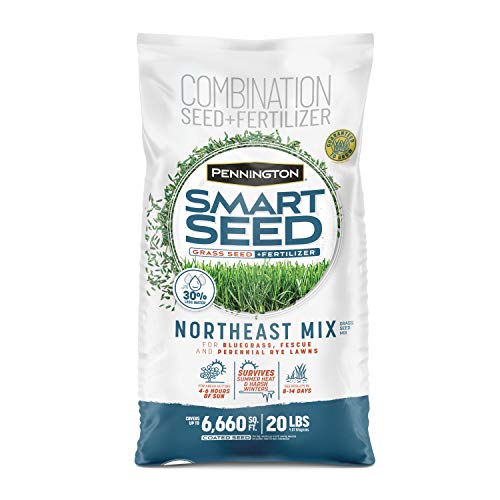
| Best for Northeast | Seed Type: Contains Kentucky Bluegrass (blend with fescue/rye) | Intended Use: New lawn and overseeding for Northeast climates | Coverage / Bag Size Info: 20 lb bag (covers up to 2,220 sq ft new; up to 6,660 sq ft overseed) | VIEW LATEST PRICE | Read Our Analysis |
| GreenView Pure Kentucky Bluegrass Seed Blend (3 lb) |

| Beginner-Friendly Choice | Seed Type: Kentucky Bluegrass blend | Intended Use: New seeding and overseeding | Coverage / Bag Size Info: 3 lb bag (covers up to 1,500 sq ft new; up to 3,000 sq ft overseed) | VIEW LATEST PRICE | Read Our Analysis |
More Details on Our Top Picks
Outsidepride Supreme Kentucky Bluegrass Seed Mix (5 lb)
In case you want a soft, dark green lawn that bounces back from heavy use, Outsidepride Supreme Kentucky Bluegrass Mix is a great pick for home yards, parks, and play areas. You’ll get fine textured blades that feel pleasant underfoot and create a lush look. It handles cold well and stays vigorous through winter, so you won’t worry about thin patches. The seeds have an OptiGrowth coating with Aquatek for moisture and kelp and biologicals to enhance roots and vigor, plus zinc, phosphorus, and nitrogen. Blend it with ryegrass or fescue, sow at 2–3 lb per 1,000 sq ft, and mow at 2–3 inches.
- Seed Type:Kentucky Bluegrass blend
- Intended Use:New lawns and overseeding (residential/athletic)
- Coverage / Bag Size Info:5 lb bag (sowing rate specified: 2–3 lb/1,000 sq ft)
- Establishment / Germination Time:Establishes quickly (no exact days given)
- Drought / Cold Tolerance:Cool-season; maintains through harsh winters (good cold tolerance)
- Enhanced Seed Treatment / Additives:OptiGrowth coating (moisture retention, kelp, biologicals, nutrients)
- Additional Feature:OptiGrowth seed coating
- Additional Feature:Aquatek moisture retention
- Additional Feature:Self-repairing turf
Twin City Seed Co. Blue Envy Kentucky Bluegrass Blend 3 lb Bag
In case you want a reliable, fast-establishing lawn that can handle kids, pets, and weekend soccer, Twin City Seed Co. Blue Envy, Kentucky Bluegrass Blend, 3 lb Bag offers a thoughtful mix of Bombay, Blue Gem, Cloud, Barserati, and Midnight varieties chosen from top NTEP performers. You’ll see germination in about 14 to 23 days under good conditions, and it tolerates traffic and some shade while thriving in full sun to partial shade. Seed 2 to 4 lbs per 1,000 sq ft for new lawns, mow 2 to 3 inches, water regularly, and fertilize at least twice for best results.
- Seed Type:Kentucky Bluegrass blend (multiple cultivars)
- Intended Use:New lawns and overseeding (full sun to partial shade)
- Coverage / Bag Size Info:3 lb bag (seeding rates: 2–4 lb/1,000 sq ft)
- Establishment / Germination Time:Germination 14–23 days
- Drought / Cold Tolerance:Performs well in sun to partial shade; traffic tolerant (implied cool-season performance)
- Enhanced Seed Treatment / Additives:Cultivar-selected blend (no coating noted; performance-focused genetics)
- Additional Feature:NTEP-selected cultivars
- Additional Feature:Rapid establishment blend
- Additional Feature:Good shade performance
Scotts Drought-Tolerant Kentucky Bluegrass & Tall Fescue Mix
Should you want a low-stress lawn that bounces back from dry spells, try Scotts Drought-Tolerant Kentucky Bluegrass and Tall Fescue Mix; it’s made for homeowners who need a durable, water-saving turf without constant babysitting. You’ll get a 10 lb bag that blends Kentucky bluegrass and tall fescue, and it’s virtually weed-free at 99.99 percent. Use it to start a new lawn or overseed tired grass, and count on deep roots that save water and self-repair bare spots. Apply in spring or fall whenever temperatures sit between 65°F and 85°F. One bag covers 1,665 sq ft new or up to 5,000 sq ft overseed.
- Seed Type:Kentucky Bluegrass (with Tall Fescue mix)
- Intended Use:New lawn, overseed, self-repairing
- Coverage / Bag Size Info:10 lb bag (covers ~1,665 sq ft new; up to 5,000 sq ft overseed)
- Establishment / Germination Time:Recommended 65–85°F; coverage implies quick establishment (no exact days)
- Drought / Cold Tolerance:Drought-tolerant mix; deep roots conserve water
- Enhanced Seed Treatment / Additives:99.99% weed-free seed (blend quality; drought-focused breeding)
- Additional Feature:Deep-rooted water savings
- Additional Feature:99.99% weed-free seed
- Additional Feature:Large bag coverage
Pennington Smart Seed Northeast Grass Mix 20 lb
Assuming you want a low-maintenance lawn that bounces back fast and uses less water, Pennington Smart Seed Northeast Grass Mix 20 lb fits the bill for homeowners in cooler, humid climates who want a dependable blend with Kentucky bluegrass included. You’ll get a mix of tall fescue, perennial ryegrass, fine fescues, and Kentucky bluegrass that shows results in 8 to 14 days. It needs moderate watering and once established can use up to 30% less water. The fertilizer enriched seed coat helps it green up fast. Plant in early spring or early fall, give 4 to 6 hours of sun, and overseed up to 6,660 sq ft.
- Seed Type:Contains Kentucky Bluegrass (blend with fescue/rye)
- Intended Use:New lawn and overseeding for Northeast climates
- Coverage / Bag Size Info:20 lb bag (covers up to 2,220 sq ft new; up to 6,660 sq ft overseed)
- Establishment / Germination Time:See results in 8–14 days
- Drought / Cold Tolerance:Very good drought tolerance; uses Smart Seed for water savings
- Enhanced Seed Treatment / Additives:Fertilizer-enhanced seed coat (Smart Seed technology)
- Additional Feature:Fertilizer-enhanced coating
- Additional Feature:NexGen Smart Seed breeding
- Additional Feature:Northeast climate–specific
GreenView Pure Kentucky Bluegrass Seed Blend (3 lb)
Should you want a lush, dark green lawn without fuss, GreenView Pure Kentucky Bluegrass Blend is a great pick for homeowners who value curb appeal and easy care. You’ll like its fine blades and deep color that lift a yard’s look. It thrives in sun and tolerates light shade, so you can seed many spots around your home. Expect germination in 14 to 28 days, then deeper roots bring heat and drought resilience with proper summer watering. The seed is 99.9% weed-free, so prep soil and remove weeds firstly. A 3 lb bag covers up to 1,500 sq ft new or 3,000 sq ft overseed.
- Seed Type:Kentucky Bluegrass blend
- Intended Use:New seeding and overseeding
- Coverage / Bag Size Info:3 lb bag (covers up to 1,500 sq ft new; up to 3,000 sq ft overseed)
- Establishment / Germination Time:Germinates in 14–28 days
- Drought / Cold Tolerance:Resists heat and drought once deep roots established
- Enhanced Seed Treatment / Additives:99.9% weed-free seed (tested; purity emphasis)
- Additional Feature:99.9% weed-free tested
- Additional Feature:Fine blade texture
- Additional Feature:Covers up to 3,000 sq ft
Factors to Consider When Choosing Kentucky Bluegrass Grass Seeds
When you pick Kentucky bluegrass seed, consider about where you live and how much sun or shade the lawn gets so the grass will thrive in your climate and zone. Also consider how much foot traffic the yard sees and how fast you need the seed to germinate because wear tolerance and establishment rate affect how soon you can enjoy a playable lawn. Finally check for seed treatments and coatings that protect young plants and make spreading easier, since those features can save you time and worry.
Climate And Zone Adaptation
In case you want a lawn that stays green with less worry, pick Kentucky bluegrass seeds that match your climate and USDA zone. You’ll do best in temperate places where summers stay below about 85°F and winters get cold. That means zones roughly 3 to 7, with some newer varieties pushing into zone 8. Should you live where summers are hot and dry, plan on extra watering or choose blends with deeper rooted species like tall fescue or drought tolerant cultivars so your lawn can survive stress. Plant in spring or earlier autumn while soil temps sit near 50°F to 65°F for reliable germination. Finally, select cultivars bred for your local weather, cold hardy for north, heat tolerant for warmer areas.
Shade Versus Sun Tolerance
You picked seeds for your climate and zone, and now you’ll want to contemplate about how much sun your lawn actually gets. Should your yard sees full sun, Kentucky bluegrass will thrive and build dense turf. In case you have light to moderate shade, many cultivars still hold up with about 4 to 6 hours of direct or filtered sun, so choose ones labeled for shade performance. Under heavy shade, bluegrass thins because it makes less energy and produces fewer tillers, so you might need mixes with shade-tolerant species. During overseeding shady spots, raise the seeding rate a bit and prune branches to let in light to help germination. Also mow slightly lower, water carefully, and cut nitrogen to reduce disease and support survival.
Wear And Traffic Durability
Consider how often people and pets cross your lawn, because wear and traffic durability will shape which Kentucky bluegrass seeds will actually hold up. You want varieties with strong rhizomes since they knit turf back together after damage. Look for mixes labeled traffic tolerance or high wear resistance because they form denser sod and bounce back faster. Recall new or thin bluegrass needs protection for months because a full season builds real strength. Pair that with steady care like mowing at 2 to 3 inches, proper watering, and timely feeding to deepen roots and thicken the canopy. Should kids or pets use the yard nonstop, blend in perennial ryegrass or tall fescue for quicker durability and recovery.
Germination And Establishment Rate
After you pick varieties that stand up to heavy use, the next big question is how fast they’ll show green and fill in bare spots. You want grass that germinates in about 14 to 30 days whenever soil stays between 60 and 75°F. Cooler ground slows things, so plan timing carefully. Blends with improved cultivars usually establish quicker and more evenly than older single varieties, which helps hide bare patches sooner. Seed coatings that hold moisture and enhance seed to soil contact also speed visible growth, so they matter whenever you need quick coverage. Your seeding rate affects speed too; use higher rates for new lawns to close gaps faster. Finally, prep soil well and water lightly and consistently during germination for the best results.
Seed Treatments And Coatings
As you pick Kentucky bluegrass seed, the tiny coating on each kernel can make a big difference in how well and how fast your lawn starts, so look closely at what manufacturers add. You’ll want coatings that hold moisture around the seed because that improves seed-to-soil contact and raises germination rates. Some treatments include starter nutrients like phosphorus, nitrogen, and micronutrients to help roots and shoots get a strong start. Other mixes add biostimulants or beneficial microbes to enhance root mass and fend off initial disease. Hydrogels or Aquatek-type polymers reduce how often you need to water the seed zone. Keep in mind thicker coatings can require higher seeding rates and might postpone initial sprouting a bit, so adjust plans accordingly.
Maintenance And Water Needs
Picking the right Kentucky bluegrass seed is only half the job; keeping it healthy comes down to how you water and maintain it. You’ll need about 1 to 1.25 inches of water per week during active growth, so track rain and irrigation together. For new seedings, keep the topsoil damp until seedlings reach 2 to 3 inches, then slowly water less often and deeper. Established grass likes deep watering to wet soil 6 to 8 inches; that builds roots and helps during short dry spells. Mow at about 2 to 3 inches to shade soil, slow evaporation, and encourage deeper roots. Avoid overwatering since that promotes shallow roots and disease. Adjust schedules with the seasons so your lawn stays resilient and calm.