Whether you’re a seasoned gardener or a beginner, choosing the right plant pot is crucial for the health and beauty of your plants. A good plant pot does more than just hold soil; it helps with proper drainage, supports plant growth, and complements your interior or garden décor. In this article, we’ll explore the best plant pots available today and what to look for when choosing the perfect one for your plants.
Cozy options like a ceramic teacup planter and Gepege’s beaded ceramic pots add charm while protecting surfaces with saucers. For low-stress care, self-watering mason jars and indoor self-watering pots keep soil consistently moist. Larger black or white plastic sets and classic terracotta packs offer lightweight, durable homes for collections. As someone examines each pick, they uncover which pot style truly fits their plants and space.
Ceramic Teacup Planter with Saucer, Yellow Butterfly
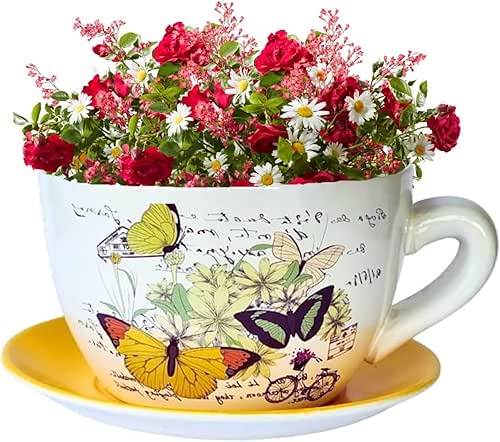

Should you love plants but also care a lot about how your space feels, this Ceramic Teacup Planter with Saucer and Yellow Butterfly design is made for you. You get a 7.5 inch round teacup shaped pot with a matching saucer that instantly softens a shelf, desk, or windowsill. The hand painted matte finish feels gentle, with slight texture that makes the piece look like a sweet cottage find.
You can tuck in succulents, herbs, or a peace lily. The drainage hole protects roots, while the saucer catches drips or flips to lift the pot for extra charm.
Best For: Plant lovers who want a charming, cottage-style ceramic planter that adds decor flair to shelves, desks, or windowsills while providing practical drainage for healthy plants.
Pros:
- Hand-painted, matte ceramic teacup design with yellow butterfly detail creates a unique, cozy cottage aesthetic.
- Built-in drainage hole and matching saucer help prevent overwatering and protect surfaces from drips.
- Versatile size and shape work well for succulents, herbs, small flowering plants, and indoor/outdoor decor.
Cons:
- Ceramic construction can be heavy and breakable compared to plastic planters.
- Teacup shape and 7.5″ diameter may be too large for very small spaces or narrow window ledges.
- Single drainage hole may require careful watering or added grit/pebbles for plants that need very fast-draining soil.
Modern Sprout Self-Watering Mason Jar Herb Garden Kit
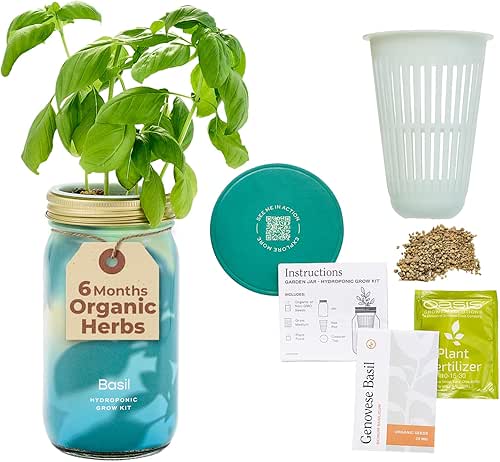
Should you love the idea of fresh basil on your windowsill but don’t want to deal with messy soil or constant watering, the Modern Sprout Self-Watering Mason Jar Herb Garden Kit feels like it was made for you. You simply add water, tuck in the organic basil seeds, place the jar in a sunny spot, and let the hydroponic system quietly handle the hard work.
Within 5 to 10 days, you’ll see sprouts, and in about 2 to 3 months, you’ll snip fragrant leaves for pasta, pizza, or salads, all from a clean, stylish, recyclable mason jar.
Best For: Home cooks and design-conscious plant lovers who want an easy, soil-free way to grow fresh basil indoors year-round with minimal maintenance.
Pros:
- Simple self-watering hydroponic design reduces daily care and risk of over- or under-watering
- Includes everything needed to start (organic non-GMO seeds, grow medium, plant food, mason jar) in a compact, attractive form factor
- Recyclable, reusable components and assembled in the USA, appealing to sustainability-minded users
Cons:
- Limited to a single plant per jar, so it may not produce enough basil for heavy or frequent use
- Requires consistent sunlight, which can be challenging in low-light homes or certain seasons
- Growing time of 2–3 months to full harvest may feel slow for those wanting instant herb supply
Set of 3 Modern Black Plastic Plant Pots
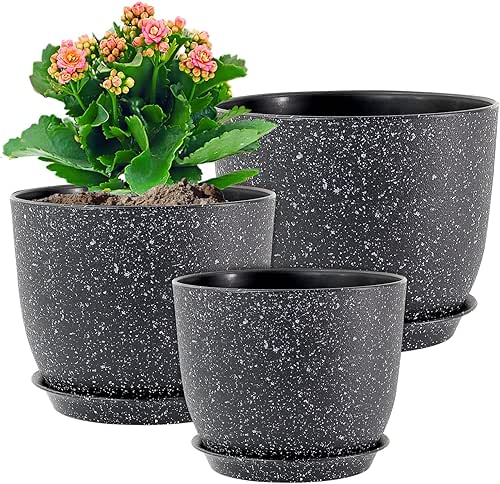
Clean, modern style meets everyday practicality in this set of 3 modern black plastic plant pots, making them a great choice should you want your greenery to look sleek without adding extra work. You get three sizes, 10, 9, and 8 inches, so you can group plants together or spread them around your home and patio for a pulled-together look.
Because they’re made from brand new plastic, these pots feel sturdy yet stay lightweight, so you can move them easily from windowsill to balcony. Drainage holes and matching saucers help protect roots from overwatering, keeping your plants healthier with less guesswork.
Best For: Homeowners and plant lovers who want a sleek, modern look for their indoor or outdoor greenery with low-maintenance, lightweight planters.
Pros:
- Set of three sizes (10/9/8 inch) makes it easy to create layered arrangements or fit different plant types
- Sturdy yet lightweight new plastic construction allows for easy moving between rooms, windowsills, and patios
- Built-in drainage holes with included saucers promote healthier roots and reduce risk of overwatering
Cons:
- Plastic material may not appeal to those who prefer ceramic, terracotta, or concrete pots
- Speckled black, minimalist style might not match more traditional or colorful decor themes
- Round shape and fixed sizes limit options for larger plants or narrow spaces where rectangular planters fit better
24-Pack 3-Inch Terracotta Pots with Drainage
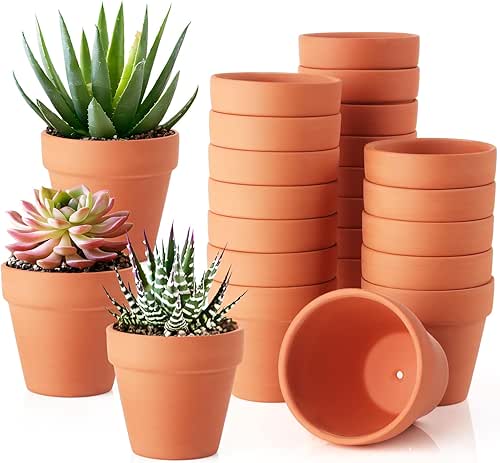
Tiny plants feel big and significant in these 3-inch terracotta pots, so they’re perfect whenever you love growing succulents, small cacti, or herbs but don’t have a lot of space. With a 24-pack, you can quickly turn a windowsill or desk into a tiny garden that feels calm, curated, and very you.
Each pot uses high-quality clay, baked hot for strength, so it resists cracking and everyday bumps. The smooth, breathable surface and drainage hole keep roots dry and healthy. You can paint, personalize, or label them, which makes them delightful for gifts, wedding favors, or baby showers.
Best For: plant lovers, crafters, and event planners who want compact, customizable terracotta pots for succulents, small cacti, or herbs in limited spaces.
Pros:
- High-quality clay baked at 980°C for durability and crack resistance, with strong packaging that passes a 2-meter drop test
- Excellent breathability and built-in drainage holes to support healthy root growth and prevent root rot
- Versatile for indoor/outdoor use and easy to personalize for décor, wedding favors, place cards, or baby shower gifts
Cons:
- Small 3-inch size may be too limited for larger plants or fast-growing herbs
- Terracotta is heavier and more fragile than plastic, so less ideal for frequent moving or hanging setups
- Does not include trays/saucers, so extra purchase may be needed to protect indoor surfaces from water runoff
Utopia Home White Indoor Plant Pots, Set of 5
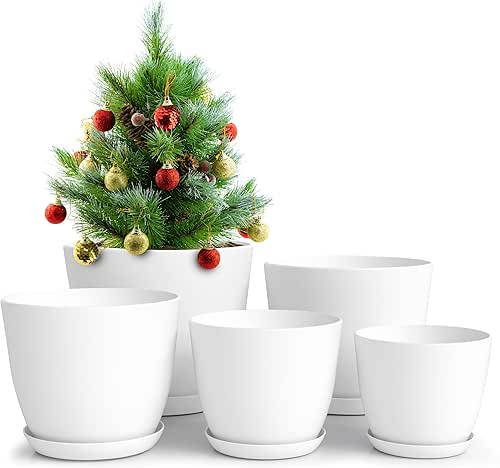
Should you be seeking a simple way to make your home feel calm, bright, and a little more “put together,” the Utopia Home White Indoor Plant Pots set of 5 is made for you. The clean white finish works with almost any style, so your plants look like part of the room, not clutter. You get five sizes, from 7 inches wide down to 4.8 inches, so you can group them together or spread them around.
These pots use reinforced plastic, so they feel light yet sturdy. The smart drainage, plugs, and saucers help you avoid soggy roots and worried watering.
Best For: Anyone who wants an easy, stylish way to display multiple indoor plants while keeping a clean, modern look and healthy roots.
Pros:
- Set of 5 different sizes (4.8″–7″ wide) lets you pot various plants and create coordinated groupings.
- Reinforced PP plastic is lightweight yet durable, with a minimalist white finish that fits most décor.
- Smart drainage system with plugs and matching saucers helps prevent overwatering and protects surfaces.
Cons:
- Plastic construction may not appeal to those who prefer ceramic or terracotta pots.
- White color can show dirt or water stains more easily and may require more frequent cleaning.
- Sized only for small to medium plants, so not suitable for large indoor trees or big floor plants.
Utopia Home Black Plastic Indoor Plant Pots (5-Pack)
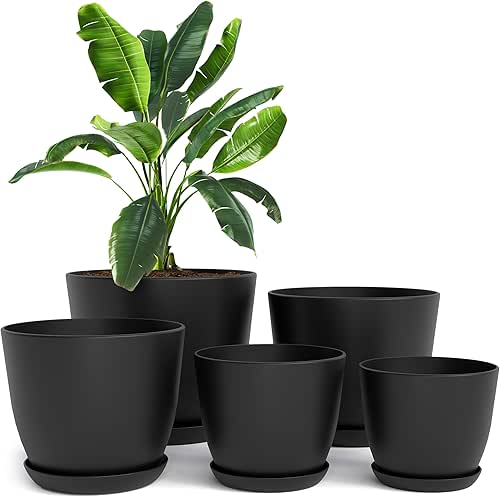
Should you desire one simple set of pots that can handle most of your plants without stress, the Utopia Home Black Plastic Indoor Plant Pots 5 pack fits that need really well. You get five sizes from extra small to extra large, so you can pot seedlings, herbs, and fuller houseplants without hunting for a match. Each pot comes with its own saucer, so you won’t worry about water marks on your shelves.
Because the reinforced PP plastic is sturdy yet light, you can move plants easily. The patent pending drainage system helps roots breathe, so your plants stay happier longer.
Best For: Plant lovers who want a versatile, coordinated set of lightweight indoor pots with built-in saucers and reliable drainage for a range of plant sizes.
Pros:
- Five graduated sizes (XS–XL) cover seedlings, herbs, and larger houseplants without needing separate purchases.
- Reinforced PP plastic is durable yet lightweight, making pots easy to move and rearrange.
- Design patent pending drainage system with included saucers promotes healthy roots while protecting shelves and floors from water marks.
Cons:
- Black plastic aesthetic may not suit users looking for more decorative or colorful planters.
- Plastic construction may be less appealing to those who prefer ceramic, terracotta, or other natural materials.
- Set comes in fixed sizes, so users needing multiple pots of just one size may find it less efficient.
Gepege 6″ Beaded Ceramic Planter Pots (Set of 2)
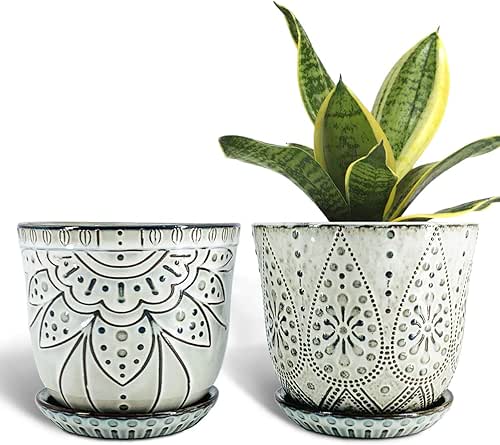
Should you love plants but also care a lot about how your space looks, the Gepege 6″ Beaded Ceramic Planter Pots are a lovely match for you. You get a set of two, so you can build a little plant moment on a shelf, windowsill, or balcony. The beaded detail feels delicate, yet the ceramic body looks solid and polished.
You don’t have to stress about soggy roots. Each pot has a large drainage hole plus a mesh pad, so extra water escapes while soil stays in place. The matching saucers catch drips, and you can flip or remove them to change the look.
Best For: Plant lovers who want stylish, medium-size ceramic pots with good drainage for displaying succulents, orchids, or small houseplants indoors or outdoors on shelves, windowsills, or balconies.
Pros:
- Large drainage holes plus included mesh pads help prevent overwatering while keeping soil from washing out
- Comes as a coordinated set of two with matching saucers for easy, attractive plant displays
- Removable, reversible trays allow flexible styling and enhance the decorative look
Cons:
- 6″ size may be too small for larger or fast-growing plants
- Ceramic construction can be heavy and more fragile than plastic options
- Only one size and style in the set, limiting options for those wanting mixed pot sizes or patterns
Indoor Self-Watering Planter Pots with Saucers (6-Pack)
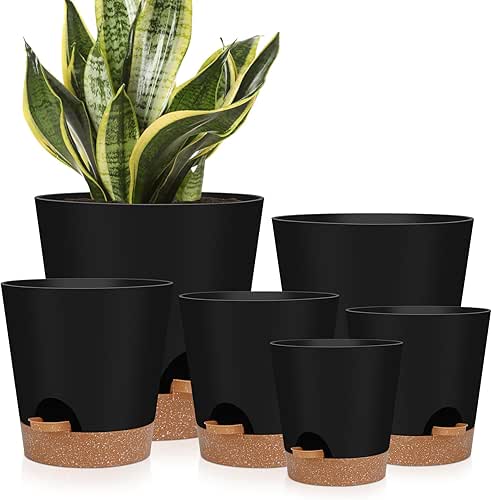
Should you be tired of guessing the moment to water your plants or watching them droop overnight, this 6-pack of indoor self-watering planter pots can feel like a quiet little rescue team for your greenery. You get six sizes from 5 to 8 inches, so you can match each pot to a plant instead of forcing them into one shape.
Each pot uses durable, recyclable polypropylene with sturdy 4 mm walls, so it feels solid yet still light in your hands. The matte, modern finish blends into most rooms. Multiple drainage holes, a watering lip, a bottom tray, and a string-fed reservoir work together to keep roots breathing and evenly moist.
Best For: Plant owners who want low-maintenance, modern-looking indoor pots that help prevent over- or under-watering across a range of small to medium-sized plants.
Pros:
- Six different sizes (5″–8″) accommodate a variety of houseplants without forcing them into one pot size.
- Self-watering system with reservoir, string wick, and bottom tray helps keep soil evenly moist and reduces watering guesswork.
- Durable, 4mm-thick recyclable polypropylene with a matte modern finish suits most home and office decor.
Cons:
- Plastic construction may not appeal to those who prefer ceramic or terracotta aesthetics.
- Self-watering design still requires monitoring to avoid stagnant water in the reservoir.
- Sized for small to medium plants only, so not suitable for larger indoor trees or floor plants.
Factors to Consider When Choosing Plant Pots
Upon someone choosing a plant pot, a few quiet details can make the difference between a struggling plant and one that really thrives. Pot size and depth, drainage and aeration, and the material all work together to shape how roots grow, how water moves, and how long the pot lasts. At the same time, weight, portability, and whether the pot suits indoor or outdoor spaces help a person match the container to their home, their lifestyle, and their daily routines.
Pot Size and Depth
A thoughtful choice of pot size and depth quietly shapes how healthy and happy a plant can become. Whenever a pot fits well, roots can spread without twisting around themselves or forming tight knots. This simple detail helps the plant stay strong and steady.
To choose a size, many gardeners use an easy rule. The new pot should usually be about 1 to 2 inches wider than the current root ball. This gives enough room for fresh growth without drowning the plant in extra soil.
Depth deserves the same care. Plants with long taproots need deeper pots, while compact root systems feel fine in shallower ones. It also helps to anticipate ahead, so larger, heavier plants receive a sturdy, wider base as they mature.
Drainage and Aeration
Even with the perfect pot size, plant roots still struggle whenever the container does not handle water and air the right way. Whenever water cannot drain, it sits around the roots and slowly suffocates them. This often leads to root rot, yellow leaves, and a tired looking plant that never really recovers.
To protect roots, pots need drainage holes at the bottom so extra water can escape. The number, size, and placement of these holes all affect how quickly water leaves the soil. Larger holes drain faster but might need a mesh or coffee filter so soil stays inside. Good aeration also matters, so air can move through the root zone. Regularly checking soil moisture, especially in self-watering pots, helps keep that balance.
Material and Durability
Healthy roots need more than good drainage; they also need a pot material that supports them over the long haul. Whenever someone chooses ceramic or high-quality plastic, they are really choosing how long that pot will protect the plant. Ceramic feels solid and steady, while strong plastic resists chips and harsh weather.
Clay pots, like terracotta, let roots breathe and help prevent soggy soil. However, they can crack in the event of being dropped or exposed to sudden cold, so gentle care matters.
Plastic pots can last a long time provided they have thick, reinforced sides. Thicker walls, in any material, guard roots from bumps and temperature swings. Recyclable materials add another comfort. They balance strength, lighter handling, and care for the environment at the same time.
Weight and Portability
Two simple questions quietly guide this part of the choice: how heavy will the pot be, and how often will it need to move. Whenever someone loves to rearrange a room or refresh a patio, weight suddenly matters a lot. Lightweight pots help a person shift plants for cleaning, hosting guests, or chasing better light without strain or frustration.
However, weight also brings security. Heavier pots usually feel more solid, hold larger plants, and are less likely to tip. So a careful balance helps. Sturdy but light materials, like reinforced plastic or thinner ceramic, support roots without feeling like concrete. Pot size also adds to weight, so it helps to choose what a person can safely lift. For extra support, handles or wheeled stands protect joints and energy.
Indoor vs. Outdoor Suitability
Anytime someone chooses a plant pot, deciding whether it will live indoors or outdoors quietly shapes almost every detail. Indoor pots usually sit in stable conditions, so you can focus more on moisture control. Reliable drainage holes help protect roots from overwatering, and self watering designs can give busy people some breathing room. Because indoor environments are controlled, materials like ceramic work well and stay safe from cracking temperatures.
Outdoors, pots face sun, rain, and wind, so toughness matters. Weather resistant plastic or thick resin often handles these changes better and stays lighter for moving around. Larger outdoor pots need solid weight and a wide base so they do not tip in strong wind. Strong drainage outdoors also prevents rainwater from soaking roots.
Style and Aesthetics
Just as location shapes how a pot performs, it also shapes how it looks and how it feels in a space. Style begins with color and design. Warm terracotta can make a room feel cozy, while sleek white or black pots create a calm, modern look.
Size and shape also matter. A tall, slim pot can frame a fiddle leaf fig, while a wide, low pot can ground a trailing plant near a sofa or doorway. As these choices shift, the whole room mood shifts with them.
Texture adds another layer. Matte finishes feel soft and relaxed, while glossy surfaces look bright and polished. Hand painted details, sculpted rims, or playful silhouettes turn a simple container into a small piece of art.
Watering Needs Compatibility
Water is often the quiet boss of every plant, so it makes sense to choose pots that match how much moisture a plant actually likes. Once someone understands this, watering feels less like guesswork and more like gentle support.
Good drainage is the primary helper. Pots with holes and saucers let extra water escape, so roots stay firm instead of soggy. For thirsty plants, self-watering pots keep soil slightly damp without constant checking.
Pot material also matters. Ceramic usually holds moisture longer than plastic, so watering can be less frequent. Size plays a role too. A larger pot holds more soil and water, which stretches the time between watering sessions.
Budget and Longevity
A smart plant parent looks at pots the same way some people look at shoes: not only at the price tag, but at how long they will last. Once someone chooses a pot, the initial step is to balance cost with lifespan. A cheap pot can feel satisfying in the moment, yet it could crack, fade, or warp within a season.
Higher quality ceramic or sturdy plastic often costs more upfront, but it usually handles sun, rain, and bumps with less damage. Over time, this can mean fewer replacements and less stress.
It also helps to consider concealed costs. Poor drainage can lead to root rot, dead plants, and buying again. Longer lasting, sustainable materials protect both the budget and the environment.
Final Thoughts
The right plant pot can quietly change how a home feels. With the options examined, readers can envision their herbs thriving on the counter, succulents lined up like cheerful soldiers, and leafy plants turning dull corners into tiny jungles. The best pot is not just a container. It is a helper, a backdrop, and a stage. With a little care and the right choice, even the smallest plant can look like it was crowned by the sun.