Gardening success starts with the right fertilizer, and these five options cover most vegetable needs. They include organic and synthetic choices for quick fixes or steady feeding.
Each product brings a clear strength, from bloom support to balanced daily nutrition. Follow label rates for best results and to avoid burn.
| FoxFarm Big Bloom Liquid Plant Fertilizer (Pint) |

| Best for Blooms | Intended Use: Flowers, fruits, vegetables, herbs (indoor & outdoor, potted and garden) | Nutrient Type/Format: Liquid concentrate (low NPK 0-0.5-0.7) | Application Frequency / Duration: Used during regular watering (as often as label directs; liquid concentrate) | VIEW LATEST PRICE | Read Our Analysis |
| Farmer’s Secret Fruit & Bloom Booster Fertilizer (16oz) |

| Concentrated Performer | Intended Use: Flowers, fruits, vegetables, fruiting plants (e.g., citrus, raspberries, roses) | Nutrient Type/Format: Liquid concentrate (super concentrated booster) | Application Frequency / Duration: Repeat every 2–4 weeks | VIEW LATEST PRICE | Read Our Analysis |
| Miracle-Gro Shake ‘N Feed Tomato Fruit & Vegetable Plant Food |

| Long-Lasting Feed | Intended Use: Tomatoes, fruits & vegetables (in-ground and container, indoor & outdoor) | Nutrient Type/Format: Granular/slow-feed (shake‑on granules) | Application Frequency / Duration: Feeds up to 3 months per application (reapply every 3 months) | VIEW LATEST PRICE | Read Our Analysis |
| GreenView Multi-Purpose Fertilizer 33 lb. Bag – NPK 10-10-10 |
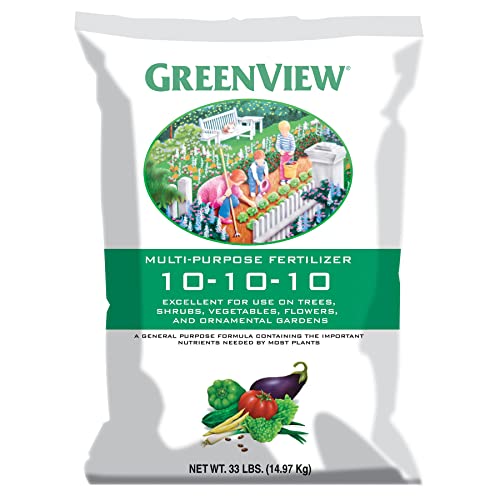
| Best All-Purpose | Intended Use: Vegetables (also flowers, trees, shrubs, ornamentals) | Nutrient Type/Format: Granular/synthetic (10-10-10 balanced granules) | Application Frequency / Duration: Follow label (general-purpose, frequency depends on plant type) | VIEW LATEST PRICE | Read Our Analysis |
| Espoma Organic Garden-Tone 3-4-4 Fertilizer (4 lb 2-Pack) |

| Organic Choice | Intended Use: Cool- and warm-season vegetables and herbs (e.g., tomatoes, lettuce, peppers) | Nutrient Type/Format: Granular/organic (3-4-4 organic granules with Bio-tone) | Application Frequency / Duration: Monthly throughout the growing season | VIEW LATEST PRICE | Read Our Analysis |
More Details on Our Top Picks
FoxFarm Big Bloom Liquid Plant Fertilizer (Pint)
Should you want a gentle, plant-friendly fertilizer that helps vegetables and herbs taste better and flower more, FoxFarm Big Bloom is a great pint-sized choice. You’ll mix the micro-brewed liquid with water, then feed pots and garden beds during regular watering. It uses earthworm castings, bat guano, and other rich ingredients to enhance roots, foliage, blooms, and flavor without harsh chemicals. You’ll notice stronger root growth and brighter flowers, and your herbs and veggies often taste more intense. It’s easy to use, safe for regular feeding, and suits beginners and seasoned gardeners who want reliable, organic-friendly results.
- Intended Use:Flowers, fruits, vegetables, herbs (indoor & outdoor, potted and garden)
- Nutrient Type/Format:Liquid concentrate (low NPK 0-0.5-0.7)
- Application Frequency / Duration:Used during regular watering (as often as label directs; liquid concentrate)
- Primary Benefits Claimed:Bigger/brighter blooms, vigorous roots, improved flavor/fragrance
- Coverage / Concentration Notes:16 fl oz concentrate — mixes with water for multiple applications
- Organic / Natural Claims:Micro‑brewed formula with earthworm castings & bat guano (organic labeling)
- Additional Feature:Micro-brewed formula
- Additional Feature:Contains bat guano
- Additional Feature:Enhances fragrance & oils
Farmer’s Secret Fruit & Bloom Booster Fertilizer (16oz)
In case you want big, colorful blooms and heavier fruit without fuss, Farmer’s Secret Fruit & Bloom Booster (16 oz) is a great pick for home gardeners who grow vegetables, fruits, or flowers and want fast, visible results. You’ll like how this super concentrated formula stretches far; one teaspoon per two gallons makes feeding simple and affordable. It fortifies roots so plants pull up more nutrients, which leads to fuller blooms and larger fruit on things like citrus, avocados, raspberries, cantaloupe, roses, and petunias. Made in Kentucky by experienced farmers, you dilute, pour or spray, and repeat every two to four weeks.
- Intended Use:Flowers, fruits, vegetables, fruiting plants (e.g., citrus, raspberries, roses)
- Nutrient Type/Format:Liquid concentrate (super concentrated booster)
- Application Frequency / Duration:Repeat every 2–4 weeks
- Primary Benefits Claimed:Stronger roots, increased blooming and fruiting
- Coverage / Concentration Notes:16 oz super concentrated — 1 tsp per 2 gallons (covers large area)
- Organic / Natural Claims:Not explicitly labeled organic; described as farmer-formulated (made in Kentucky)
- Additional Feature:Super concentrated formula
- Additional Feature:Made in Kentucky
- Additional Feature:1 tsp per 2 gal
Miracle-Gro Shake ‘N Feed Tomato Fruit & Vegetable Plant Food
Provided you want a simple, low-effort way to keep tomatoes, fruits, and vegetables fed all season, Miracle-Gro Shake ‘N Feed is a great pick for busy gardeners who need reliable results. You’ll spread the 1 lb product on soil surface, work it into the top inch to three inches for beds, or lightly mix it for containers. Then you water to activate feeding that lasts up to three months. It nourishes roots and foliage, adds calcium to strengthen cell walls, and uses natural ingredients to enhance soil life. Reapply every three months and water regularly for steady, better fruit quality.
- Intended Use:Tomatoes, fruits & vegetables (in-ground and container, indoor & outdoor)
- Nutrient Type/Format:Granular/slow-feed (shake‑on granules)
- Application Frequency / Duration:Feeds up to 3 months per application (reapply every 3 months)
- Primary Benefits Claimed:Better quality, longer‑lasting fruits/vegetables; strengthens cell walls (calcium)
- Coverage / Concentration Notes:1 lb bag — single application feeds up to 3 months
- Organic / Natural Claims:Contains natural ingredients plus added calcium (not marketed as organic)
- Additional Feature:Feeds up to 3 months
- Additional Feature:Contains calcium
- Additional Feature:Water-activated feed
GreenView Multi-Purpose Fertilizer 33 lb. Bag – NPK 10-10-10
Assuming you want a single, easy-to-use fertilizer that fits most garden needs, GreenView Multi-Purpose 33 lb bag with NPK 10-10-10 is a solid choice for veggie growers who want consistent results without fuss. You’ll like its balanced 10-10-10 formula because it feeds nitrogen, phosphorus, and potassium evenly. Use it on vegetables, flowers, trees, shrubs, and ornamentals since it’s truly all-purpose. Check the label for coverage and application so you don’t overfeed. It provides essential nutrients that support steady growth and healthier plants. You’ll appreciate the simplicity and dependable performance across many garden types.
- Intended Use:Vegetables (also flowers, trees, shrubs, ornamentals)
- Nutrient Type/Format:Granular/synthetic (10-10-10 balanced granules)
- Application Frequency / Duration:Follow label (general-purpose, frequency depends on plant type)
- Primary Benefits Claimed:Provides essential nutrients for overall plant growth
- Coverage / Concentration Notes:33 lb bag — bulk coverage for gardens/landscape
- Organic / Natural Claims:Conventional synthetic balanced fertilizer (no organic claim)
- Additional Feature:Balanced 10-10-10 NPK
- Additional Feature:Large 33 lb bag
- Additional Feature:General-purpose landscape use
Espoma Organic Garden-Tone 3-4-4 Fertilizer (4 lb 2-Pack)
You’ll appreciate Espoma Organic Garden-Tone provided you want a gentle, reliable fertilizer that’s made for both cool and warm season vegetables. You’ll find 3-4-4 granules that feed leafy greens, tomatoes, peppers, squash, and herbs without harsh chemicals. You can sprinkle around the drip line or along rows, then water thoroughly. Apply monthly during the season for steady growth. It contains 5% calcium and Bio-tone microbes to support roots and fruit set, and it’s approved for organic gardening. Each order gives you two 4 pound bags made in the USA, ready to use with no mixing required.
- Intended Use:Cool- and warm-season vegetables and herbs (e.g., tomatoes, lettuce, peppers)
- Nutrient Type/Format:Granular/organic (3-4-4 organic granules with Bio-tone)
- Application Frequency / Duration:Monthly throughout the growing season
- Primary Benefits Claimed:Promotes vegetable/herb growth with organic nutrients and calcium
- Coverage / Concentration Notes:4 lb per bag (sold 2-pack) — repeat monthly applications
- Organic / Natural Claims:Organic product (approved for organic gardening; natural ingredients + Bio-tone)
- Additional Feature:Bio-tone enhanced formula
- Additional Feature:Contains 5% calcium
- Additional Feature:Approved organic input material
Factors to Consider When Choosing Garden Fertilizers for Vegetables
Before you pick a fertilizer, check your soil so you know which nutrients are missing and how much feeding your plants actually need. Consider the plant growth stage and whether you want fast release for quick growth or slow release for steady nourishment, then choose between organic and synthetic based on your values and timing needs. Also match the application method and rate to your garden setup so you don’t overfeed or waste product.
Soil Nutrient Levels
Should your plants are going to thrive, start at checking what your soil actually contains so you know which nutrients to add and which to leave alone. You’ll want a lab or home kit to measure nitrogen, phosphorus, potassium and pH. Test results show deficits and excesses so you won’t waste fertilizer or harm nearby water. Aim for typical vegetable ranges like nitrate-N about 10 to 30 ppm, Olsen P 10 to 30 ppm, and exchangeable K 100 to 250 ppm, but adjust for specific crops. Also check organic matter and texture since 2 to 6 percent organic matter helps hold nutrients and water. Use pH near 6.0 to 7.0 to keep nutrients available. Let results guide precise, measured additions.
Plant Growth Stage
As plants are tiny and just getting settled, they need a different feeding plan than they will later, and paying attention to each growth stage helps you give the right nutrients at the right time. Start seedlings and transplants with low or balanced nitrogen and a bit more phosphorus to build roots. Use a mild starter feed at quarter strength so you don’t overwhelm young roots. As plants grow leaves and stems, increase nitrogen guided by soil tests and what the crop needs. Once flowering and fruit set begin, reduce nitrogen and raise phosphorus and potassium to favor blooms and fruit. For heavy feeders like tomatoes and peppers, add periodic side dressings or liquid feeds at bloom and initial fruiting. Always follow label rates and watch plant cues to avoid excess.
Nutrient Release Timing
As you choose a fertilizer, consider at what point your vegetables will require the nutrient lift and how fast the product will provide it. You’ll want fast-release for instant fixes and quick growth spurts because it feeds in hours to days, but you’ll need to apply it more often, perhaps weekly to biweekly. Slow-release options give steady food over weeks to months, so you won’t worry about constant feeding. Match release timing to plant needs through using fast-release for initial pushes or fruiting and slow-release for background support. Also factor in soil texture, moisture, and temperature since sandy, warm, wet soil speeds release and leaching while cool, dry soil slows things down, affecting at what time to apply.
Organic Versus Synthetic
Whenever you pick between organic and synthetic fertilizers, consider about what your garden needs right now and what you want for the long run. You’ll find organics feed soil life as microbes decompose matter slowly, so plants get steady nutrients and the soil structure improves. You’ll also find synthetics give nutrients that plants can use right away, so you see quick growth whenever time or a deficiency presses. Organics often have lower N-P-K per weight, so you’ll apply more material or feed more often to match rates. Synthetics can cause salt buildup and harm in overused cases, so you’ll be careful with doses. Many gardeners mix both to correct shortages rapidly while building soil health over seasons, balancing short term needs and lasting fertility.
Application Method And Rate
Pick the right form and dose and you’ll save time and spare your plants stress. Match fertilizer form to how you plan to apply it: work granular and slow-release into the top 1–3 inches of soil or top-dress and water in, and dilute liquid concentrates for soil drenches or gentle foliar sprays. Read and follow label dilution and rate directions exactly because a teaspoon per a few gallons often does the job and too much will burn roots or leaves. Apply starter feeds at planting, use balanced or slow-release during leafy growth, and switch to bloom enhancers whenever flowering starts. Keep a schedule: liquids every 2–4 weeks, some organics monthly, slow-release every 3 months, and always water after applying to move nutrients.