
Choosing the right Feverfew Plant Soil is crucial for the success of your feverfew plants. The right soil can make all the difference in their growth and overall health. Feverfew thrives in well-drained, fertile soil, similar to other medicinal herbs like Echinacea. When selecting Feverfew Plant Soil, consider factors like drainage, organic content, and pH levels. All these elements work together to create the ideal environment for your feverfew to flourish.
Key Takeaways
Choose loamy soil for your feverfew plants. This type of soil offers good drainage and essential nutrients.
Maintain a pH level between 6.0 and 7.5. This range helps feverfew absorb nutrients effectively.
Water your feverfew plants 2-3 times a week. Ensure the soil stays moist but not soggy to prevent root rot.
Incorporate organic matter like compost into the soil. This enriches nutrients and improves soil structure.
Regularly test your soil to check nutrient levels and pH balance. This helps you make informed decisions for healthy growth.
Feverfew Plant Needs

Light and Water
Feverfew plants thrive in full sun, making them perfect for sunny spots in your garden. They can also tolerate partial shade, but you’ll notice they grow best when they soak up those rays. 🌞 To keep your feverfew healthy, aim for at least six hours of sunlight each day.
When it comes to watering, consistency is key. You should water your feverfew plants about 2-3 times a week, especially during dry spells. This frequency helps keep the soil moist enough to reach the roots, particularly in warmer temperatures when the sun is shining bright. Remember, overwatering can lead to root rot, so always check the soil moisture before adding more water.
Growth Habits
Feverfew plants have some interesting growth habits that you should know about. Under ideal conditions, they can reach an average height of 18 inches, but they can grow up to 4 feet tall when they bloom. Their spread typically measures around 15 inches, giving them a nice bushy appearance. This growth pattern makes feverfew a lovely addition to any garden, providing both beauty and medicinal benefits.
To sum it up, ensuring your feverfew gets enough light and water will set the stage for healthy growth. Keep an eye on their size and adjust your care routine as needed to help them thrive.
Feverfew Plant Soil Composition
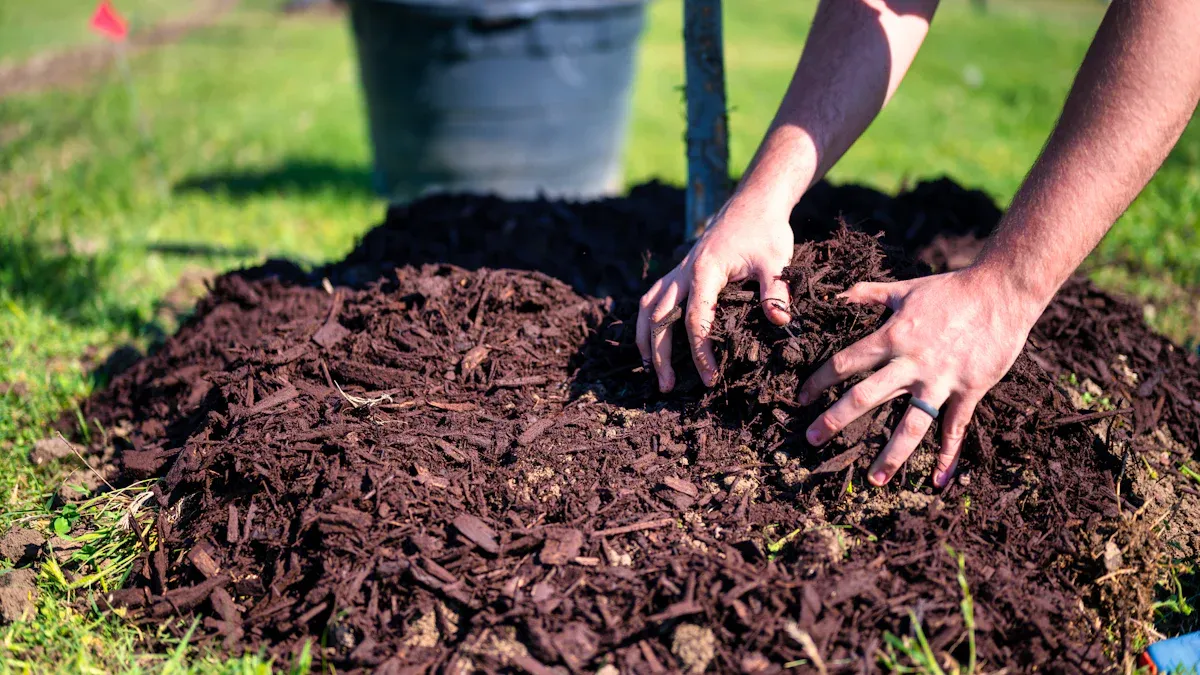
When it comes to feverfew plant soil, loamy soil stands out as the best option. This type of soil combines sand, silt, and clay, creating a balanced texture that supports healthy growth. Here are some key benefits of loamy soil for your feverfew plants:
Well-drained: Loamy soil prevents waterlogging, which can lead to root rot. This drainage is crucial for feverfew, as it helps keep the roots healthy.
Moisture retention: It retains moisture effectively, ensuring your plants have access to the water they need without becoming waterlogged.
Nutrient-rich: Loamy soil is packed with essential nutrients that support feverfew’s growth, helping it thrive in your garden.
Feverfew prefers a neutral to slightly alkaline pH, ideally between 6.0 and 7.5. This pH range allows the plant to absorb nutrients efficiently, promoting robust growth. If your soil is lacking, consider adding some fertilizer to enhance its quality.
Now, let’s talk about organic matter. Adding organic matter to your feverfew plant soil can significantly improve its quality. Here’s why it matters:
Nutrient supply: Organic matter, like compost, enriches the soil with nutrients. This nutrient boost is vital for feverfew, as it helps the plant grow strong and healthy.
Soil structure: Organic matter improves soil structure, making it easier for roots to penetrate and access water and nutrients.
Microbial activity: It encourages beneficial microorganisms in the soil, which can help break down nutrients and make them available to your feverfew plants.
Incorporating organic matter into your feverfew plant soil not only enhances its fertility but also creates a thriving ecosystem for your plants. So, whether you’re starting from scratch or improving existing soil, consider these factors to ensure your feverfew grows beautifully.
Ideal Soil Conditions
pH Levels
Understanding the pH levels of your feverfew plant soil is essential for healthy growth. The optimal pH range for feverfew is between 6.0 and 7.0, which is slightly acidic to neutral. Here’s why this matters:
Nutrient Absorption: When the pH is within this range, feverfew can absorb nutrients more effectively. If the soil is too acidic or too alkaline, your plants may struggle to get the nutrients they need.
Plant Health: Maintaining the right pH helps prevent diseases and promotes overall plant health. You want your feverfew to be strong and vibrant, right?
To check your soil’s pH, you can use a simple soil test kit available at garden centers. Adjusting the pH can be done by adding lime to raise it or sulfur to lower it. Keeping an eye on these levels will help your feverfew thrive.
Drainage and Nutrients
Proper drainage and nutrient retention are crucial for feverfew plants. They thrive in well-drained soil, ideally a rich loam mixture. Here are some tips to ensure your soil meets these needs:
Drainage Holes: If you’re planting in pots, make sure they have drainage holes. This prevents water from accumulating, which can lead to root rot.
Moisture Balance: You want to maintain soil moisture without letting it become overly saturated or dry. Aim for a balance that keeps the soil consistently moist but not soggy.
Nutrient-Rich Soil: Incorporate organic matter like compost into your feverfew plant soil. This not only enriches the soil with nutrients but also improves its structure, making it easier for roots to grow.
By focusing on these aspects, you’ll create an ideal environment for your feverfew plants to flourish. Remember, healthy soil leads to healthy plants!
Soil Preparation and Maintenance
Preparing Soil
Before you plant feverfew, it’s essential to prepare the soil properly. Here are some steps to follow:
Ensure the soil is well-drained to prevent waterlogging. This is crucial for the health of your feverfew plants.
Use loamy soil, which is a balanced mixture of sand, silt, and clay. This type of soil provides the right texture for growth.
Aim for a neutral to slightly alkaline pH level, ideally between 6.0 and 7.5. This pH range helps your plants absorb nutrients effectively.
Taking these steps will set a solid foundation for your feverfew plants to thrive.
Ongoing Care
Once your feverfew is planted, ongoing care is vital for maintaining healthy soil. Here are some effective practices:
Fertilize feverfew monthly during the growing season to support healthy growth. This regular feeding helps replenish nutrients in the soil.
Ensure the soil remains well-drained to avoid root rot. Check for any signs of water accumulation and adjust your watering schedule accordingly.
Incorporate organic matter such as compost or aged manure into the soil. This addition enhances drainage and boosts soil fertility, creating a thriving environment for your plants.
By following these maintenance tips, you’ll keep your feverfew plant soil in top shape, leading to vibrant and healthy plants. Remember, a little care goes a long way in gardening!
Common Mistakes with Feverfew Soil
Overwatering Issues
One of the biggest mistakes you can make with feverfew plant soil is overwatering. It might seem harmless to give your plants a little extra water, but this can lead to serious problems. Here’s what you need to know:
Root Rot: Overwatering can cause root rot, which is a common issue for feverfew. When the roots sit in soggy soil, they can’t breathe. This leads to wilting, yellowing leaves, and stunted growth.
Mushy Leaves: If you notice your feverfew leaves becoming mushy, it’s a sign of too much water. Always check the soil moisture before watering. If the top inch feels damp, hold off on adding more water.
Disease Risk: Wet soil creates a perfect environment for diseases. Fungi and bacteria thrive in these conditions, making your plants more susceptible to illness.
To avoid these issues, ensure your feverfew has well-drained soil. You can also use pots with drainage holes to prevent water from accumulating.
Soil Testing
Another common mistake is neglecting soil testing. Many gardeners assume their soil is fine without checking, but this can lead to problems down the line. Here’s why soil testing is essential:
Nutrient Levels: Testing your soil helps you understand its nutrient content. This way, you can add fertilizers or amendments as needed to support your feverfew’s growth.
pH Balance: Soil testing reveals the pH level, which is crucial for nutrient absorption. Feverfew prefers a pH between 6.0 and 7.5. If your soil is too acidic or alkaline, your plants may struggle to thrive.
Avoiding Misconceptions: Some gardeners believe feverfew can grow in any soil type. While it’s true that feverfew is adaptable, it still needs light, well-drained, and fertile soil to flourish.
By regularly testing your soil, you can make informed decisions that promote healthy growth for your feverfew plants. Remember, a little effort in soil management goes a long way!
In summary, choosing the right Feverfew Plant Soil is essential for your plants’ health and growth. Here are the key takeaways:
Soil Type: Aim for loamy, nutrient-rich soil with good drainage.
pH Levels: Maintain a neutral pH between 6.0 and 7.5 for optimal nutrient absorption.
Watering: Keep the soil consistently moist, especially during warm weather.
By following these tips, you can create a thriving environment for your feverfew plants. Remember, healthy soil leads to vibrant plants, so take the time to prepare and maintain it well!
FAQ
What type of soil is best for feverfew plants?
Feverfew plants thrive in loamy soil. This soil type offers good drainage, moisture retention, and essential nutrients, creating an ideal environment for healthy growth.
How often should I water my feverfew plants?
Water your feverfew plants 2-3 times a week. Ensure the soil stays moist but not soggy. Always check the top inch of soil before watering.
Can I grow feverfew in pots?
Yes, you can grow feverfew in pots! Just make sure the pots have drainage holes. This helps prevent water accumulation and keeps the roots healthy.
How do I improve my soil for feverfew?
To improve your soil, add organic matter like compost. This enriches the soil with nutrients, enhances drainage, and promotes beneficial microbial activity.
What signs indicate my feverfew needs more nutrients?
If your feverfew leaves turn yellow or growth slows, it may need more nutrients. Regularly fertilizing during the growing season can help keep your plants healthy.