Efficient watering is crucial for a thriving garden. You can save both time and resources by implementing garden watering systems. These systems can reduce the hours you spend on manual watering, often freeing up dozens of hours each week. Did you know that landscape irrigation accounts for nearly one-third of all residential water use? By using automated systems, you not only conserve water but also contribute to a healthier environment.
Key Takeaways
- Implementing garden watering systems can save you time and reduce water usage significantly.
- Drip irrigation systems are highly efficient, saving 30% to 50% more water than traditional methods.
- Using timers in your irrigation system can lead to water bill savings of 20% to 50% while ensuring consistent moisture for your plants.
- Customizing your watering system based on plant needs and garden layout enhances efficiency and promotes healthier growth.
- Regular maintenance of your watering system is essential for optimal performance and longevity.
Garden Watering System Components
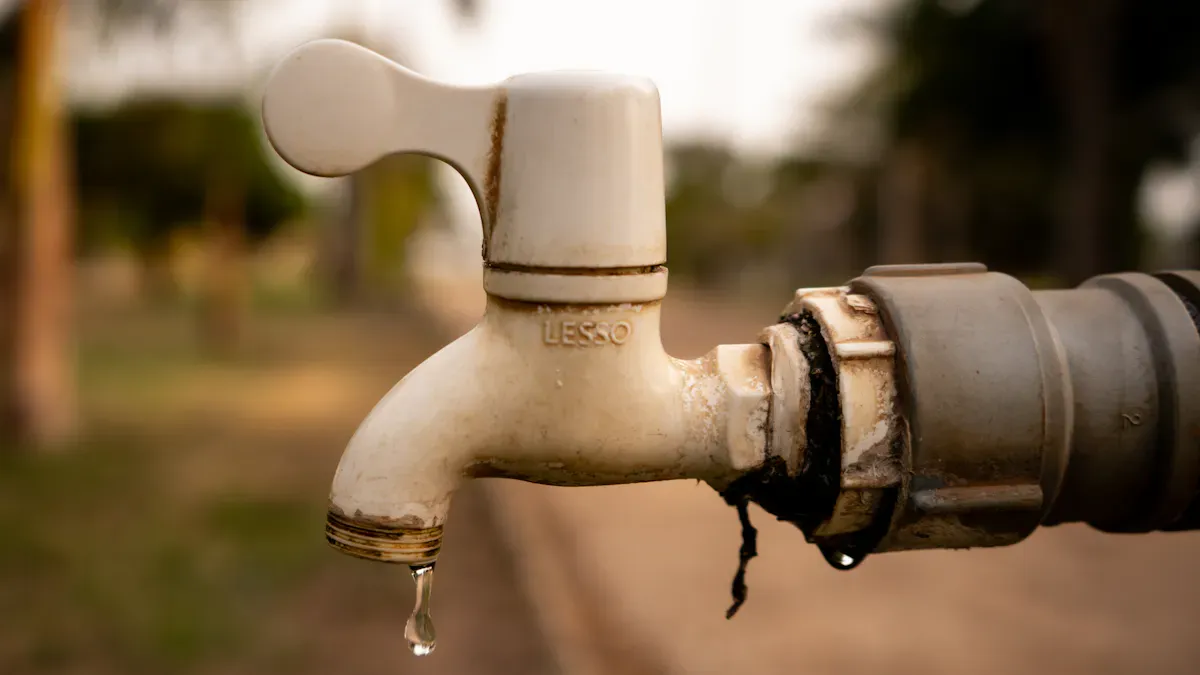
When it comes to garden watering systems, two popular options stand out: drip irrigation systems and spray sprinkler systems. Each system has unique features that cater to different gardening needs.
Drip Irrigation Systems
Drip irrigation systems are among the most efficient watering methods available. They deliver water directly to the roots of plants, minimizing evaporation and runoff. This targeted approach ensures that every drop counts. In fact, drip irrigation can save between 30% to 50% more water compared to traditional methods. By applying water drop by drop, you can significantly reduce water waste.
A typical drip irrigation system includes components like tubing, emitters, and connectors. These parts work together to maintain consistent soil moisture. This consistency prevents extreme fluctuations in water levels, which can harm plant health. With drip irrigation, you can save up to 60% more water than with other systems, making it an extremely water-efficient choice for gardeners.
Here’s a quick overview of the average installation costs for a drip irrigation system:
| Cost Type | Amount |
|---|---|
| National Average Cost | $520 |
| Typical Range | $310 – $815 |
| Extreme Low-End Cost | $55 |
| Extreme High-End Cost | $2,850 |
Spray Sprinkler Systems
Spray sprinkler systems offer a different approach to watering your garden. They provide wide coverage, making them suitable for larger areas. These systems spray water over a designated area, ensuring that plants receive adequate moisture. However, they are less efficient than drip systems. Spray irrigation typically has a water efficiency rate of 65-75%, compared to 90-95% for drip irrigation.
Customization plays a crucial role in maximizing efficiency for both systems. You can tailor your sprinkler system with options like portable or stationary lawn sprinklers. Smart irrigation controllers can adjust schedules based on weather conditions, ensuring that your garden receives the right amount of water at the right time. This customization not only saves water but also promotes healthier plant growth by preventing overwatering.
Benefits of Timers in Irrigation
Automation for Consistency
Timers play a vital role in garden irrigation. They automate the watering process, which means you no longer need to worry about daily manual effort. With timers, you can set precise schedules for watering your plants. This consistency is essential for maintaining healthy plants. Here are some key benefits of using timers:
- Timers ensure that your garden receives consistent moisture.
- They help prevent overwatering by delivering precise amounts of water.
- Timers also avoid underwatering by maintaining regular watering schedules.
By automating your irrigation, you can focus on other gardening tasks while knowing your plants receive the care they need.
Cost Savings with Timers
Installing timers in your irrigation system can lead to significant savings on your water bills. Homeowners often experience reductions between 20% and 50% after implementing smart irrigation systems. Typical savings include:
- 20–30% for most properties
- 30–40% when replacing inefficient systems
- Up to 50% for systems that previously overwatered
These savings come from the efficiency of automated systems. Timers help you use water responsibly, which not only benefits your wallet but also promotes better plant health. By ensuring that your plants receive the right amount of water at the right times, you can foster a thriving garden while conserving resources.
Targeted Drip Irrigation Benefits
Water Conservation Strategies
Drip irrigation systems excel in water conservation. They deliver water directly to the roots of your plants, which minimizes waste. Here are some key strategies that highlight their efficiency:
- A properly designed drip irrigation system can reduce water use by 50% compared to traditional methods.
- This system delivers water slowly to the root zone, where it is most needed.
- Drip irrigation can increase water efficiency by 40-70%, significantly cutting down on waste.
By applying water precisely where it is needed, you can prevent runoff and evaporation. This method not only conserves water but also enhances the overall health of your garden.
| Evidence | Description |
|---|---|
| Water Conservation | Drip irrigation allows for precise application of water into plants’ root zones, minimizing loss to runoff or deep percolation. |
| Crop Yield | Increased irrigation efficiency leads to higher crop yield and consumptive use of water. |
| Economic Benefits | Farmers may experience increased yield and higher income per unit of land due to the technology. |
Healthier Plants with Drip Systems
Using drip irrigation promotes healthier plants. This system helps maintain consistent soil moisture, which is vital for plant growth. Here’s how it benefits your garden:
- Direct water delivery reduces soil erosion and runoff.
- It prevents waterlogging and salt buildup, which can damage soil.
- Efficient water use supports beneficial microbes that enhance soil fertility.
Drip irrigation minimizes weed growth by delivering water directly to the plants. This targeted approach means that weeds receive less moisture, allowing your desired plants to thrive. Overall, implementing a drip irrigation system can lead to a more productive and sustainable garden.
Applications for Different Garden Types
Watering Raised Beds
Raised beds require specific watering techniques to maximize efficiency. Drip irrigation systems work best for these setups. They deliver water directly to the roots, ensuring even moisture distribution. Here are some benefits of using drip irrigation in raised beds:
- Even Water Distribution: Pre-drilled holes in the tubing ensure consistent watering throughout the bed.
- Moisture Retention: Raised beds retain moisture longer than traditional gardens, reducing the frequency of watering.
- Mulching: Adding organic materials like straw or wood chips helps retain moisture and minimizes evaporation.
| Watering Method | Effectiveness for Raised Beds | Notes |
|---|---|---|
| Soaker Hoses | Low | Often get clogged and do not distribute water evenly. |
| Sprinklers | Moderate | Wet foliage can spread diseases; leads to excess evaporation. |
| Drip Lines | Variable | Can be messy and prone to damage; may not stay in place. |
| Automatic Systems | High | Ensures consistent moisture, reduces stress on plants, and conserves water. |
Managing Multiple Zones
Managing multiple irrigation zones in your garden can enhance water conservation and plant health. Here are some effective strategies:
- Map It Out: Sketch your garden layout. Group plants with similar water needs together.
- Test Water Pressure: Determine how many sprinklers can run per zone. This helps avoid overloading the system.
- Choose Quality Valves: Use anti-siphon valves for each zone to prevent contamination.
- Select Appropriate Sprinkler Heads: Match the type of sprinkler to the area being watered for optimal coverage.
- Invest in a Smart Timer: A smart timer allows for efficient scheduling and remote control.
Zone management allows you to tailor watering schedules based on specific plant needs. This approach prevents overwatering and runoff, contributing to water conservation. Each plant type receives the right amount of moisture, promoting healthier growth.
By implementing these strategies, you can save time and water while ensuring your garden thrives.
Implementing garden watering systems offers numerous advantages. These systems promote water conservation by delivering moisture directly to plant roots. They improve plant health by preventing overwatering and ensuring consistent moisture. You can save time with automated systems, allowing you to focus on other gardening tasks.
Consider your gardening needs when choosing a watering solution. Evaluate factors like plant types, garden size, and water availability. By selecting the right system, you can enhance your garden’s health while conserving resources.
FAQ
What is the best watering system for small gardens?
For small gardens, drip irrigation systems work best. They deliver water directly to plant roots, minimizing waste. You can customize them easily to fit your garden layout and plant needs.
How often should I water my garden?
Watering frequency depends on your plants and climate. Generally, you should water deeply once or twice a week. Check soil moisture to determine if your plants need water.
Can I use a timer with any watering system?
Yes, most watering systems can integrate with timers. Timers automate watering schedules, ensuring your plants receive consistent moisture without manual effort.
How do I maintain my watering system?
Regular maintenance includes checking for clogs, leaks, and proper alignment. Clean filters and emitters to ensure efficient water flow. Inspect hoses and connections for wear and tear.
Are garden watering systems expensive to install?
Installation costs vary based on the system type and garden size. Drip irrigation systems typically range from $310 to $815. However, the long-term water savings often offset initial costs.