Best cabbage seeds for 2026 deliver reliable yields, bold color, and strong storage potential. Hilton Chinese Napa produces tall, sweet heads that tolerate heat.
Sow Right Golden Acre forms quick, compact heads perfect for slaws and kimchi.
Burpee Brunswick, Mammoth Red Rock, and Red Acre offer dense winter storage, large red heads for cool climates, and compact colorful plants for tight spaces, respectively.
Consider days to maturity, spacing, pest resistance, and heirloom versus hybrid traits to match each variety to garden conditions and storage needs.
| Hilton Chinese Napa Cabbage Seeds — Heirloom Non-GMO |

| Best for Asian Cooking | Variety name: Hilton Chinese (Napa) Cabbage | Seed count / packet quantity: ~200 seeds (750 mg) | Seed type / heritage: Heirloom, Non‑GMO | VIEW LATEST PRICE | Read Our Analysis |
| Burpee Brunswick Cabbage Seeds 260 seeds |

| Large-Head Performer | Variety name: Burpee Brunswick Cabbage | Seed count / packet quantity: 260 seeds | Seed type / heritage: Heirloom, Non‑GMO | VIEW LATEST PRICE | Read Our Analysis |
| Mammoth Red Rock Cabbage Heirloom Seeds (300) |
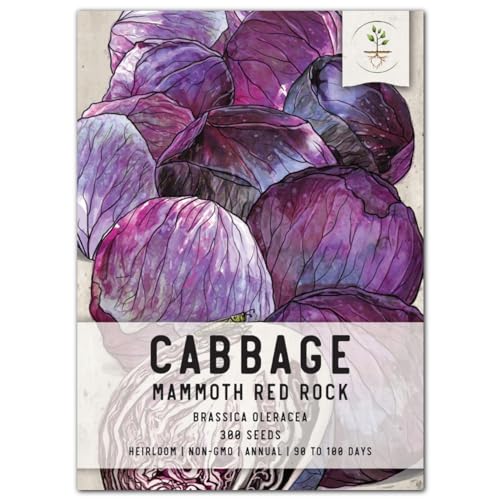
| Best for Antioxidants | Variety name: Mammoth Red Rock Cabbage | Seed count / packet quantity: 300 seeds | Seed type / heritage: Heirloom, Non‑GMO (open‑pollinated) | VIEW LATEST PRICE | Read Our Analysis |
| Red Acre Heirloom Cabbage Seeds (250) |

| Compact Garden Favorite | Variety name: Red Acre Cabbage | Seed count / packet quantity: 250 seeds | Seed type / heritage: Heirloom, Non‑GMO | VIEW LATEST PRICE | Read Our Analysis |
| Sow Right Golden Acre Heirloom Cabbage Seeds |

| Fast-Maturing Pick | Variety name: Golden Acre Cabbage | Seed count / packet quantity: ~225 seeds (750 mg) | Seed type / heritage: Heirloom, Non‑GMO | VIEW LATEST PRICE | Read Our Analysis |
More Details on Our Top Picks
Hilton Chinese Napa Cabbage Seeds — Heirloom Non-GMO
Provided you want crisp, sweet Napa cabbage that’s easy to grow and reliable in many climates, Hilton Chinese Napa Cabbage seeds are a great pick for your garden. You’ll plant about 200 heirloom non-GMO seeds in a 750 mg packet, and you’ll appreciate clear instructions on the packet. Germination takes 7–10 days at 65–75°F, and you’ll set seeds 1/4″ deep with 24″ spacing in full sun. The heads stay tender and sweet, maturing in 60–80 days and growing 12–18″ tall. They’re heat resistant, versatile in salads or stir-fries, and backed with a germination guarantee.
- Variety name:Hilton Chinese (Napa) Cabbage
- Seed count / packet quantity:~200 seeds (750 mg)
- Seed type / heritage:Heirloom, Non‑GMO
- Days to maturity:60–80 days
- Growing conditions / sun requirement:Full sun
- Culinary uses:Raw or cooked — salads, coleslaws, stir‑fries, stews, Asian dishes
- Additional Feature:Heat resistant variety
- Additional Feature:Upright elongated heads
- Additional Feature:Germination guarantee/support
Burpee Brunswick Cabbage Seeds 260 seeds
Provided that you want big, solid heads of cabbage that store well and taste great, Burpee Brunswick is a smart pick for home gardeners and small-scale growers. You’ll get 260 non GMO seeds of a German heirloom that forms dense, drum shaped heads tipping the scales at 6 to 9 pounds. Sow indoors eight weeks before last frost, then transplant four weeks after. Plants need full sun, grow about nine inches tall with a 12 inch spread, and mature in about 95 days. Use a Burpee seed starting kit for healthy seedlings. You’ll enjoy rich flavor and reliable storage from this classic variety.
- Variety name:Burpee Brunswick Cabbage
- Seed count / packet quantity:260 seeds
- Seed type / heritage:Heirloom, Non‑GMO
- Days to maturity:95 days
- Growing conditions / sun requirement:Full sun
- Culinary uses:Versatile use (implied for cooking/consumption) — good for general cabbage uses
- Additional Feature:Large 6–9 lb heads
- Additional Feature:German heirloom variety
- Additional Feature:Recommended seed-start kit
Mammoth Red Rock Cabbage Heirloom Seeds (300)
In case you want big, reliable heads of red cabbage that shine in salads and sauerkraut alike, Mammoth Red Rock is the seed to choose because it gives you large, sweet, crunchy heads that can reach up to seven pounds. You’ll love how this heirloom, introduced in 1889, rewards patience with deep red, round heads full of vitamin C, vitamin K, and cancer-fighting anthocyanins. Plant in cool weather for spring or fall harvests; expect 90 to 105 days to maturity in fertile, well drained soil pH 6.0 to 7.5. The non GMO seeds come 300 per pack, stored and packaged to keep freshness.
- Variety name:Mammoth Red Rock Cabbage
- Seed count / packet quantity:300 seeds
- Seed type / heritage:Heirloom, Non‑GMO (open‑pollinated)
- Days to maturity:90–105 days
- Growing conditions / sun requirement:Thrives in cool weather (spring/fall); prefers sun/typical cabbage conditions
- Culinary uses:Salads, coleslaw, pickling, cooking
- Additional Feature:Deep-red anthocyanins
- Additional Feature:Introduced 1889 heritage
- Additional Feature:Moisture-resistant packaging
Red Acre Heirloom Cabbage Seeds (250)
Should you want a colorful, space-saving cabbage that feels special to grow, Red Acre Heirloom Cabbage Seeds (250) are an excellent pick for small gardeners and container growers. You’ll get 250 USA grown, non-GMO seeds that form compact heads with a striking dark red purple hue. They mature quickly, so you can enjoy salads, slaws, and cooked dishes sooner than with slower types. Because they fit containers and tight beds, you can plant more varieties nearby and still save space. You’ll find caring for them straightforward, and their rich color cheers your kitchen and your weekly meals.
- Variety name:Red Acre Cabbage
- Seed count / packet quantity:250 seeds
- Seed type / heritage:Heirloom, Non‑GMO
- Days to maturity:Fast‑maturing (short timeframe; not exact)
- Growing conditions / sun requirement:Suitable for small gardens/containers (implies typical sun requirements)
- Culinary uses:Salads, slaws, cooking
- Additional Feature:Compact container-suitable
- Additional Feature:Vibrant dark red color
- Additional Feature:Fast-maturing variety
Sow Right Golden Acre Heirloom Cabbage Seeds
Assuming you want a reliable, space-saving cabbage that matures fast and fits a small garden or a sunny balcony, the Sow Right Golden Acre Heirloom is an excellent choice. You’ll get a non-GMO heirloom packet with about 225 seeds, high germination, and clear planting instructions. Sow seeds 1/4 inch deep in full sun, space plants 18 to 24 inches, and expect heads in 60 to 65 days. Plants stay compact at 8 to 12 inches, so you can grow several in containers or a tight bed. The cabbage is sweet and crisp, great for slaws, kimchi, soups, and sauerkraut.
- Variety name:Golden Acre Cabbage
- Seed count / packet quantity:~225 seeds (750 mg)
- Seed type / heritage:Heirloom, Non‑GMO
- Days to maturity:60–65 days
- Growing conditions / sun requirement:Full sun
- Culinary uses:Coleslaw, stir‑fries, soups, kimchi, sauerkraut, cabbage rolls, etc.
- Additional Feature:Multiple heads per plant
- Additional Feature:Solar-powered company
- Additional Feature:High germination rate
Factors to Consider When Choosing Cabbage Vegetable Seeds
Whenever you pick cabbage seeds, ponder about whether you want heirloom or hybrid varieties because that choice affects flavor, seed saving, and reliability. Check days to maturity and your climate so you won’t end up with heads that need more or less time than your season allows. Also match head size, shape, and taste to how you’ll cook it so you enjoy every harvest and waste less.
Seed Type (Heirloom vs. Hybrid)
Picking the right seed type can make your cabbage patch feel less like guesswork and more like a friendly plan you can count on. You’ll choose heirloom whenever you wish to save seeds and keep a variety’s taste, color, and character alive. Heirlooms give you genetic variety and unique flavors, which feels rewarding and personal. On the other hand, you’ll choose hybrid whenever you desire reliable vigor, uniform heads, bigger yields, or built-in disease resistance. Hybrids don’t usually breed true from saved seed, so plan accordingly. Consider your goals: save heritage and enjoy variety, or aim for predictability and fewer disease problems. Either way, pick the type that fits your garden habits.
Days To Maturity
Because the number of days to maturity tells you how long a cabbage will need before it’s ready to harvest, you’ll want to match that time to your local season and plans. Days to maturity usually run from about 60 to 105 plus days, and that range affects once you sow and whether you start seeds indoors. Shorter types around 60 to 70 days let you plant at the outset, squeeze in multiple crops, and rescue a season that started late. Longer types around 90 to 105 plus days tend to form bigger, denser heads and pair well with cooler fall weather. Check whether the label counts days from seed or transplant, since starting seeds indoors four to eight weeks shifts your calendar. Align these times with frost dates so heads finish prior to heat or freeze.
Climate And Hardiness
Provided that you want reliable heads and fewer surprises, match your cabbage variety to the climate where you garden and to how long your season lasts. Check days-to-maturity against local frost dates so your crop finishes before summer heat or hard fall freezes. Should your zone stays cool with averages near 45 to 75°F during head growth, pick cool-season types that tolerate light frosts. In warmer areas, choose heat-tolerant or bolt-resistant varieties and plant for late summer or fall to avoid bitter, loose heads. If your season is short, favor early maturing seeds or start transplants indoors 4 to 8 weeks before last frost. Consider overwintering and storage too; some hardy types survive light freezes while others need harvest and cool, humid storage.
Head Size And Shape
You’ve already matched varieties to your climate and season length, so now consider about the head itself and how it fits your needs. Ponder about size initially. Small heads, six to twelve inches across, work great in containers and tight gardens and often mature in sixty to seventy days. Should you want big heads, expect six to nine plus pound cabbage that needs more room and often ninety to one hundred five days. Shape matters too. Tight round heads store and travel well, while elongated or Napa types have looser layers for quick cooking. Match plant spacing to size, roughly twelve to eighteen inches for compact types and twenty four inches or more for large heads. Choosing this way keeps your garden productive and your harvest useful.
Taste And Culinary Use
Consider about how you plan to eat your cabbage before you pick seeds, since flavor, color, and texture all steer how a head will shine in the kitchen. You’ll notice Napa and Golden Acre seeds give mild, sweet heads that are perfect raw in salads and slaws. Should you prefer bolder taste, choose traditional green or heading savoy types that bring peppery notes and hold up when cooked.
Color matters too because red and purple cabbages taste a bit sharper and pack more antioxidants, so they’re great for pickles and colorful salads. Reflect on texture: dense firm heads slice and ferment well, while loose or savoy leaves work better in stir fries and braises. Match days to your plans for storage or quick eating.
Disease Resistance Traits
As you pick cabbage seeds, consider disease resistance as a practical shield for your garden and your patience. Look for varieties labeled for resistance to black rot, clubroot, and Fusarium wilt because those labels often mean fewer losses in troubled soil. Check seed descriptions for codes like R, MR, or S and gene names so you can compare options clearly. Keep in mind that resistance reduces risk but does not guarantee zero disease, so pair resistant seeds with crop rotation, good sanitation, and pH adjustment whenever clubroot is a threat. Favor varieties with multiple or partial resistance for longer durability since single-gene traits can fail over time. Should your soil have a known pathogen, test it and choose varieties with documented resistance for greater peace of mind.
Seed Quantity And Quality
As you’re planning how many cabbage seeds to buy, start alongside matching packet counts to the size of your beds so you don’t end up with too many or too few. Check the seed count on the packet, which is often around 200 to 300 seeds, and match that to your planned rows and transplant numbers. Also verify the listed germination rate. In case it’s 80% or higher, you’ll waste fewer seeds and get steadier stands. Choose non GMO, open pollinated, or heirloom seeds in case you may save seed later, since hybrids won’t breed true. Inspect packaging for resealable, moisture resistant material and bear in mind recommended shelf life. Finally look for seller guarantees and clear sowing instructions so you feel confident about quantity and quality.
Growing Space Needs
As you’re picking cabbage seeds, consider about how much room each plant will really need so you don’t end up with small heads or a crowded bed. Initially, check the mature spread on the seed packet. Most varieties need between 8 and 24 inches. Give that much spacing so heads can form without rubbing together. For rows, leave 12 to 36 inches between rows so air moves and you can weed, water, and harvest easily. Should you plan containers, pick compact types and use pots at least 12 to 18 inches wide and deep per plant. Design for succession plantings through staggering sowing dates and reserving space. In small gardens, plan 2 to 3 square feet per average cabbage and 1 to 1.5 for compact kinds.