
Want bigger, more reliable harvests? Choose vigorous hybrid vegetable seeds built for yield and disease resistance.
Start with long, uniform cucumber F1s like China Long and Pioneer for trellised production, add Burpee SteakHouse tomatoes for large beefsteaks, and plant Burpee Sweet Candy Apple peppers for steady, sweet harvests.
Pick varieties with resistance codes, match planting dates to your zone, and follow spacing and staking guidelines to maximize fruit size and total yield.
| China Long Cucumber Seeds – F1 Hybrid (20) |

| Best for Length & Yield | Seed Type: F1 hybrid cucumber seeds | Non‑GMO Claim / Heirloom Status: Non‑GMO (heirloom Asian variety noted) | Days-to‑Maturity / Time-to‑Harvest: 50–60 days to maturity | VIEW LATEST PRICE | Read Our Analysis |
| Burpee ‘SteakHouse’ Hybrid Large Beefsteak Tomatoes 25 Non-GMO Seeds |

| Best Slicing Tomato | Seed Type: Hybrid tomato seeds | Non‑GMO Claim / Heirloom Status: Non‑GMO | Days-to‑Maturity / Time-to‑Harvest: ~75 days after transplanting | VIEW LATEST PRICE | Read Our Analysis |
| Burpee ‘Sweet Candy Apple’ Hybrid | Bell Pepper |
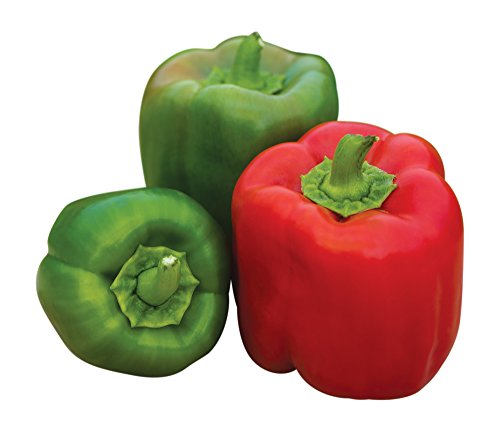
| Sweetest Performer | Seed Type: Hybrid bell pepper seeds | Non‑GMO Claim / Heirloom Status: Brand claims non‑GMO-level germination quality (Burpee non‑GMO branding) | Days-to‑Maturity / Time-to‑Harvest: 75 days to harvest | VIEW LATEST PRICE | Read Our Analysis |
| Pioneer Hybrid Cucumber Seeds – 50 Non-GMO Heirloom |

| Home Garden Workhorse | Seed Type: F1 hybrid cucumber seeds | Non‑GMO Claim / Heirloom Status: Non‑GMO / Heirloom (marketing claims) | Days-to‑Maturity / Time-to‑Harvest: (Not explicitly listed) — marketed for typical garden season; high germination and early vigor implied | VIEW LATEST PRICE | Read Our Analysis |
| 55-Variety Non-GMO Heirloom Vegetable & Fruit Seed Pack |

| Best Variety Pack | Seed Type: Non-GMO heirloom vegetable seeds (mixed varieties; includes hybrids where listed) | Non‑GMO Claim / Heirloom Status: Non‑GMO heirloom | Days-to‑Maturity / Time-to‑Harvest: (Varies by variety) — packet set includes standard days‑to‑maturity per variety (range across vegetables) | VIEW LATEST PRICE | Read Our Analysis |
More Details on Our Top Picks
China Long Cucumber Seeds – F1 Hybrid (20)
Should you want a reliable cucumber that gives long, crisp fruits and makes harvesting easy, China Long Cucumber F1 is a great choice. You’ll enjoy vigorous vines that set many uniform 14–15 cucumbers with excellent flavor, thin skin, and crisp texture. Plant after frost in full sun and keep soil evenly moist, and you’ll see fast growth and high yields in 50–60 days. Train vines on vertical supports so fruits stay straight and tidy, which helps harvesting and saves space. These heat-tolerant plants resist Downy Mildew, Powdery Mildew, CMV, and Fusarium Wilt, so you can relax and harvest more.
- Seed Type:F1 hybrid cucumber seeds
- Non‑GMO Claim / Heirloom Status:Non‑GMO (heirloom Asian variety noted)
- Days-to‑Maturity / Time-to‑Harvest:50–60 days to maturity
- Recommended Growing Conditions:Full sun, warm‑season; sow after frost; moist soil; vertical support recommended
- Yield / Productivity Claim:High yield; abundant crops
- Disease / Germination Performance:Disease resistance (Downy mildew, Powdery mildew, CMV, Fusarium); high germination/vigorous
- Additional Feature:Extra-long fruit length
- Additional Feature:Trains well vertically
- Additional Feature:Heat-tolerant vines
Burpee ‘SteakHouse’ Hybrid Large Beefsteak Tomatoes 25 Non-GMO Seeds
Should you want a dependable, full-sun beefsteak tomato that feeds a family all summer, Burpee SteakHouse is a smart pick because it combines large 3 pound fruits with vigorous indeterminate vines that keep producing. You’ll get 25 non-GMO seeds per packet, hand-picked by horticulturalists, and germination that outperforms industry rates with a 35 percent advantage. Start seeds indoors six to eight weeks before your last frost, harden them off in containers, then transplant to full sun. Plants reach about 65 inches tall and wide, ripen in roughly 75 days, and give you flavorful slicing tomatoes for burgers, sandwiches, and fresh sauce.
- Seed Type:Hybrid tomato seeds
- Non‑GMO Claim / Heirloom Status:Non‑GMO
- Days-to‑Maturity / Time-to‑Harvest:~75 days after transplanting
- Recommended Growing Conditions:Full sun; start indoors then transplant after frost; indeterminate vine habit
- Yield / Productivity Claim:Produces all summer long; large fruits (up to 3 lb) — implied strong yield
- Disease / Germination Performance:Germination rates claimed 35% higher than industry standards
- Additional Feature:Very large fruits
- Additional Feature:Indeterminate, continual harvest
- Additional Feature:Start indoors recommendation
Burpee ‘Sweet Candy Apple’ Hybrid | Bell Pepper
Should you want a reliable, sweet bell pepper that’s easy to start indoors and forgiving for new gardeners, Burpee Sweet Candy Apple Hybrid is a great pick. You’ll sow seeds 8–10 weeks before your last frost and expect harvest in about 75 days. Transplant outdoors four weeks after frost whenever seedlings look strong. Burpee promises germination rates much higher than industry norms and handles orders carefully so seeds arrive healthy. Use the Burpee 72-cell self-watering kit to keep soil evenly moist and enhance germination while cutting watering chores. These sweet peppers work well stuffed with cheese or added to family meals.
- Seed Type:Hybrid bell pepper seeds
- Non‑GMO Claim / Heirloom Status:Brand claims non‑GMO-level germination quality (Burpee non‑GMO branding)
- Days-to‑Maturity / Time-to‑Harvest:75 days to harvest
- Recommended Growing Conditions:Start indoors 8–10 weeks before last frost; transplant after frost; full‑sun recommended
- Yield / Productivity Claim:Implied productive variety (seed quality claims; 75‑day harvest)
- Disease / Germination Performance:Germination rates claimed 35% higher than industry standards
- Additional Feature:Sweet culinary flavor
- Additional Feature:Recommended seed-start kit
- Additional Feature:Transplant timing guidance
Pioneer Hybrid Cucumber Seeds – 50 Non-GMO Heirloom
Provided you want reliable, high-yield cucumbers that are easy to grow in a backyard plot or a small farm, these Pioneer Hybrid Cucumber Seeds are a great fit for you. You’ll plant one small packet of 50 non-GMO heirloom seeds that come with clear step-by-step instructions. They’re F1 hybrids bred for vigor, uniformity, disease resistance, and productivity, so you can expect crisp flavorful fruit and abundant harvests. Plant in full sun with sandy soil and moderate watering. The packet fits gifting and beginner gardeners. With a high germination rate and strong reviews, you’ll feel confident trying them this season.
- Seed Type:F1 hybrid cucumber seeds
- Non‑GMO Claim / Heirloom Status:Non‑GMO / Heirloom (marketing claims)
- Days-to‑Maturity / Time-to‑Harvest:(Not explicitly listed) — marketed for typical garden season; high germination and early vigor implied
- Recommended Growing Conditions:Outdoor, full sun, sandy soil suitable; moderate watering
- Yield / Productivity Claim:High yield potential; abundant/bountiful harvests
- Disease / Germination Performance:High germination rate; bred for disease resistance and vigor (marketing)
- Additional Feature:Packet includes instructions
- Additional Feature:Sandy-soil friendly
- Additional Feature:Gift-ready packaging
55-Variety Non-GMO Heirloom Vegetable & Fruit Seed Pack
Provided that you love fresh flavors and want a simple way to grow a wide garden, this 55-variety non-GMO heirloom seed pack is made for you. You get 55 craft packets with over 35,600 seeds, covering tomatoes, carrots, kale, peas, sunflowers, and more. Seeds come in a waterproof resealable bag and include mini tools like a seed dibber and tweezers, so you’ll feel ready to plant. QR codes link to clear growing guides and recipes, so you won’t guess what to do next. With 90% plus germination and two year sealed viability, you can trust steady harvests.
- Seed Type:Non-GMO heirloom vegetable seeds (mixed varieties; includes hybrids where listed)
- Non‑GMO Claim / Heirloom Status:Non‑GMO heirloom
- Days-to‑Maturity / Time-to‑Harvest:(Varies by variety) — packet set includes standard days‑to‑maturity per variety (range across vegetables)
- Recommended Growing Conditions:Suitable for indoor, outdoor, and hydroponic growing; guidance provided via packet QR codes
- Yield / Productivity Claim:Large total seed count (35,600+ seeds) and proven high germination — designed for abundant harvests
- Disease / Germination Performance:Rigorous testing with 90%+ germination rate; sealed viability up to 2 years
- Additional Feature:55 individual packets
- Additional Feature:Includes mini garden tools
- Additional Feature:QR-linked growing guides
Factors to Consider When Choosing Hybrid Vegetable Seeds
Whenever you pick hybrid vegetable seeds, start initially checking disease resistance and how well a variety matches your climate and zone. You’ll also want to observe maturity and timing so plants finish whenever you need them, and compare expected yield and productivity alongside flavor and culinary use. Considering these points together helps you choose seeds that stay healthy, produce steadily, and taste great in your kitchen.
Disease Resistance Traits
Should you want your garden or small farm to survive another season, start choosing hybrids with the right disease resistance traits; they can save you time, money, and sleepless nights. Look for codes on the seed packet like PM, DM, FW, TMV, CMV so you know which pathogens the hybrid was screened against. Understand the level of protection too. Some resistance is complete, some is partial, and some only works against certain strains. Use resistant varieties alongside cultural controls such as crop rotation, sanitation, spacing, and grafting onto resistant rootstock. Rotate varieties and favor hybrids that combine multiple resistance genes to slow pathogen evolution. That layered approach keeps your crops healthier and your worry much lower.
Maturity And Timing
Picking the right hybrid for maturity and timing can make or break your season, so you’ll want to match the seed’s days-to-maturity to your calendar and climate. Check the DTM on the packet. Short-season types, around 50 to 60 days, work whenever your season is tight. Long-season types, 70 to 80 plus days, suit extended summers. Plan seed starting indoors 6 to 10 weeks before last frost so transplants hit the garden at the right size. Consider harvest windows and plant type. Determinate varieties give a compressed harvest, while indeterminate plants produce over time. Take into account time-to-first-harvest versus total production span. Finally, align DTM with your average frost dates and known heat or cold extremes so plants finish reliably.
Yield And Productivity
Now that you’ve matched maturity to your season, let’s look at how much you can expect to harvest. You’ll notice hybrids are bred to give higher, more uniform yields than open-pollinated types. Look for documented days-to-maturity and yield numbers like fruit weight or fruits per plant so you can compare varieties fairly. Many hybrids show vigorous initial growth and keep producing longer, which spreads harvests over the season. Resistance to disease and stress means fewer losses and more of what you plant reaches the table. Keep in mind plant spacing, soil fertility, and pollination all interact with genetic potential, so follow recommended cultural practices. If you align care to the seed, the promised productivity becomes real and rewarding.
Climate And Zone Fit
Because your garden lives in a particular climate, choosing hybrids that match your zone makes growing feel easier and more reliable. Check your USDA zone or local climate map initially, then pick hybrids bred for that range so plants mature on time and shrug off local stress. Pay attention to days to maturity and match it to your season length, since quick cucumbers differ from slower peppers and tomatoes. Choose heat tolerant or cold tolerant varieties to cut blossom drop, sunscald, or winter dieback. Also consider about where you’ll grow them, because greenhouse bred types often like warmer, controlled spots while field varieties handle open weather. Finally, compare disease resistance lists to regional pests so the protection actually matters where you live.
Flavor And Culinary Use
Consider about flavor like a recipe built into the seed, not just a checkbox on the packet. You’ll want varieties with tasting notes such as sweet, sturdy, or complex whenever taste matters. Check days-to-maturity because many vegetables gain fuller flavor once they reach recommended ripeness; letting tomatoes and peppers ripen yields more sugars and aroma. Reflect about fruit size and texture since breeders add traits like thicker flesh, thinner skin, or crisper bite that suit slicing, roasting, or pickling. Read breeder notes for sugar acid balance and aromatic hints to decide whether a cultivar is best for fresh eating, sauces, or preserving. Match firmness for grilling, thin skin for salads, and high sugar for sauces to get reliable results in your kitchen.