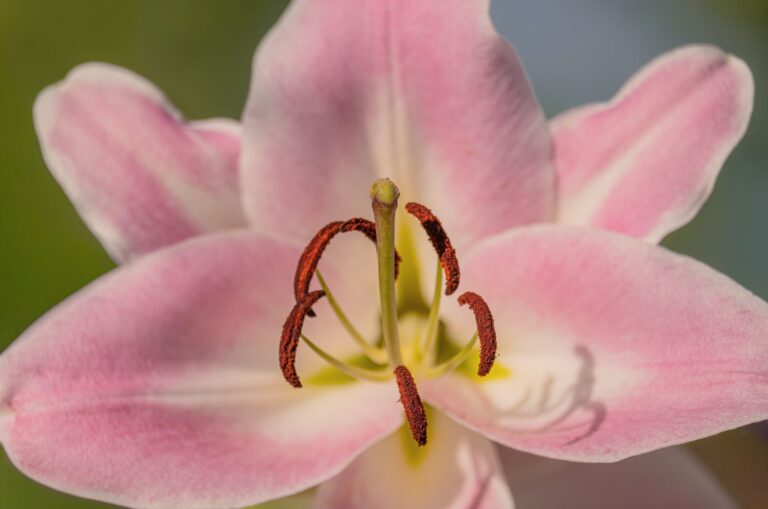
Creating a healthier bedroom environment often starts with the right plants. Certain houseplants not only brighten a space but also improve air quality through filtering toxins and releasing oxygen. From the resilient Snake Plant to the soothing presence of Lavender, these choices offer a blend of beauty and benefits. Grasping how each plant contributes can help change your sleeping area into a cleaner, more invigorating haven. Exploring these options reveals surprising ways nature supports rest and wellness.
Snake Plant
Although it could seem like just another leafy plant, the snake plant offers surprising benefits for bedroom air quality. Its ability to purify air through filtering toxins like formaldehyde and benzene makes it a practical choice for restful spaces.
Beyond its physical attributes, snake plant symbolism carries rich cultural significance. In many cultures, it represents resilience and protection, believed to ward off negative energy and bring good fortune. This symbolism adds a layer of meaning to its presence, changing it from a simple decoration into a thoughtful element of health.
The snake plant’s low maintenance nature combined with its air-purifying qualities and cultural importance makes it an ideal companion for those seeking both health and harmony in their bedrooms.
Aloe Vera
Aloe Vera is a popular choice for improving bedroom air quality due to its natural ability to filter toxins and release oxygen at night.
This succulent requires minimal care, thriving with indirect sunlight and occasional watering, making it ideal for busy lifestyles.
Grasping its air purification benefits alongside simple maintenance can help create a healthier and more relaxing sleep environment.
Air Purification Benefits
One of the most soothing additions to a bedroom is a plant that not only looks good but also helps clean the air. Aloe Vera has a long historical significance in air purification, cherished for its ability to absorb toxins like formaldehyde and benzene. Unlike non plant alternatives for air purification, such as electric air filters, Aloe Vera works naturally to improve indoor air without noise or energy consumption. Its succulent leaves release oxygen at night, which can promote better sleep and a fresher atmosphere. This natural process contrasts with mechanical devices that could require maintenance or produce ozone, which some find irritating. Integrating Aloe Vera into a bedroom space offers a simple, effective way to improve air quality while adding a touch of calm greenery that supports overall health.
Care and Maintenance
Frequently overlooked, proper care plays a big role in keeping Aloe Vera healthy and thriving indoors. Maintaining soil health importance cannot be overstated, as Aloe Vera prefers well-draining, slightly sandy soil. Making sure the soil does not stay wet prevents root rot, a common issue. Regularly exploring natural fertilizers like diluted compost tea or fish emulsion supports steady growth without overwhelming the plant. Applying these during the active growing season, typically spring through summer, keeps Aloe’s leaves plump and lively.
Aloe Vera enjoys bright, indirect sunlight and benefits from occasional wiping of its leaves to remove dust, enhancing photosynthesis. Grasping its drought tolerance helps avoid overwatering, a frequent mistake. Together, these care practices make certain Aloe Vera remains a resilient, air-purifying companion in any bedroom setting.
Spider Plant
Although often overlooked, the spider plant brings a surprising improvement to bedroom air quality with its ability to filter out toxins like formaldehyde and carbon monoxide. This resilient plant thrives in indirect sunlight and requires minimal watering, making it ideal for bedroom environments. Its long, arching leaves not only add visual interest but also increase oxygen levels, contributing to a fresher atmosphere.
Additionally, the spider plant’s capacity to absorb airborne pollutants helps reduce allergens, supporting restful sleep. Its ease of care complements its air-purifying benefits, allowing even novice plant owners to maintain it effortlessly. Integrating spider plants into bedroom spaces creates a natural, calming environment while subtly improving air quality without demanding much attention or knowledge. This balance of beauty and function makes the spider plant a valued choice for improving indoor air.
Peace Lily
The Peace Lily is known for its strong ability to clean the air through removing common indoor pollutants, making it a great choice for bedrooms.
It requires simple care, like moderate watering and low light, which fits well into busy lifestyles.
Placing it near a window but away from direct sunlight helps it thrive while enhancing your room’s air quality.
Air Purification Benefits
A Peace Lily often becomes a quiet hero in improving bedroom air quality.
Known for its ability to act as a natural room deodorizer, this plant reduces airborne toxins like benzene, formaldehyde, and ammonia.
Functioning effectively as a plant based air filter, it absorbs pollutants through its leaves and roots, converting harmful compounds into harmless substances.
This process not only purifies the air but also adds moisture, which can soothe dry indoor environments.
Unlike artificial filters, the Peace Lily offers continuous, silent purification without electrical power.
Its presence gently refreshes the bedroom atmosphere, creating a healthier, more inviting space to rest.
Through combining air-cleaning qualities with aesthetic appeal, the Peace Lily seamlessly integrates into bedrooms, enhancing both air quality and total ambiance.
Care and Maintenance
Taking care of a Peace Lily involves more than just placing it in the right spot. Many gardeners stumble over common mistakes in plant care, such as overwatering or neglecting humidity needs. Peace Lilies thrive with consistent moisture but dislike soggy soil, so balancing watering is key. Regularly wiping leaves helps improve air purification and prevents dust buildup. Grasping the benefits of companion planting can improve care; pairing Peace Lilies with humidity-loving plants like ferns creates a supportive microenvironment that improves plant health. Additionally, occasional feeding with a balanced fertilizer during growing seasons keeps the plant thriving. These thoughtful steps minimize stress on the plant and encourage lush growth, making Peace Lilies a rewarding choice for those seeking both beauty and air-cleaning power in their bedrooms.
Ideal Bedroom Placement
Often overlooked, the spot where a Peace Lily finds its home can greatly influence its health and air-purifying abilities. This plant thrives in areas that reflect its low light tolerance, making it perfect for bedrooms with indirect sunlight. Placing it near a north-facing window or in a shaded corner allows it to filter air efficiently without stressing its leaves. Additionally, minimal watering needs mean it does well in spots where occasional attention fits easily into your routine. For ideal placement, consider:
- Avoid direct sunlight to prevent leaf burn
- Keep it away from drafts or heating vents
- Position within easy reach for watering and care
- Choose a stable surface to prevent tipping over
Selecting the right spot balances Peace Lily’s needs and your daily life, enhancing its air quality benefits effortlessly.
English Ivy
English Ivy stands out as a charming and effective choice for improving bedroom air quality.
This ornamental ivy variety excels at filtering airborne toxins, making the indoor environment fresher and healthier.
While its lush green leaves add natural beauty, you need to note that English Ivy carries some risks.
Ivy poisoning risks arise in case of ingestion, especially among children and pets, so placement out of reach is wise.
Beyond aesthetics, English Ivy thrives in moderate light and prefers consistent moisture, which helps maintain its air-purifying qualities.
Its ability to reduce mold spores and airborne fecal matter makes it a useful asset in bedrooms.
While selecting English Ivy, consider the specific ornamental varieties that best suit your space and care routine, ensuring a balance between visual appeal and safety.
Bamboo Palm
The Bamboo Palm is a popular choice for improving bedroom air quality because it efficiently filters harmful toxins and adds a touch of green elegance. It thrives in low to medium light and prefers consistently moist soil, making it relatively easy to care for indoors. Placing it near a window with indirect sunlight and watering it regularly helps keep it healthy and lively, creating a calming atmosphere in any room.
Air Purification Benefits
Bamboo Palm stands out as a natural air purifier that works quietly to improve bedroom air quality.
It challenges common air quality myths by proving that plants can actively filter indoor air through purification science.
This plant absorbs toxins like formaldehyde and benzene, converting them into harmless substances.
Additionally, it increases humidity, which helps reduce airborne dust and allergens.
- Removes volatile organic compounds (VOCs) efficiently
- Improves oxygen levels during the night
- Naturally raises indoor humidity, easing dry air discomfort
- Requires no complex maintenance to sustain air purification
Understanding these benefits helps dispel misconceptions, showing how Bamboo Palm’s subtle processes contribute to a healthier sleeping environment.
This sets the stage for exploring its specific light and water needs next.
Light and Water Needs
Often flourishing in low to moderate illumination, this plant adjusts well to the gentle radiance of bedroom windows. Bamboo Palm gains from indirect natural light sources, making it ideal for areas without intense sunlight. Excessive direct light can burn its fragile leaves, so regulating light exposure is essential.
Concerning watering routines, it favors steadily moist soil but withstands saturation. Overwatering can cause root decay, so permitting the top inch of soil to dry before watering again aids in preserving health. Modifying watering frequency according to seasonal variations bolsters its growth patterns.
This careful method to light and water promotes a sturdy Bamboo Palm, improving indoor air quality while integrating smoothly into bedroom settings. Grasping these requirements produces a flourishing, green partner that subtly enhances your area.
Placement and Care Tips
Positioning a Bamboo Palm thoughtfully within a bedroom can turn it into a natural air purifier and a calming green companion. This plant thrives best near windows where indirect natural light effects gently nourish its fronds without causing scorch. Maintaining steady temperature control between 65 and 80 degrees Fahrenheit helps prevent stress and keeps the palm vibrant. Humidity also plays a role, so occasional misting can mimic its tropical environment. For optimal care, consider these placement and maintenance tips:
- Place away from direct sunlight to avoid leaf burn yet close enough for filtered light.
- Avoid drafts or air vents to maintain consistent temperature control.
- Rotate the plant periodically to encourage even growth.
- Use well-draining soil and water when the top inch feels dry to prevent root rot.
These practices help the Bamboo Palm flourish as a bedroom air enhancer.
Rubber Plant
A shiny Rubber Plant emerges as an appealing enhancement to any bedroom, not just because of its eye-catching look but also because of its remarkable capacity to enhance indoor air quality. This plant’s broad, glossy foliage proficiently cleanses pollutants, rendering the air cleaner and more beneficial. Its stylistic adaptability permits it to harmonize with diverse decor themes, spanning contemporary simplicity to warm conventional areas. Nevertheless, it proves crucial to acknowledge its hazardous attributes for pets, necessitating vigilant positioning should creatures inhabit the area. Expertise in maintenance entails balanced irrigation and diffuse illumination to sustain the Rubber Plant’s vitality, augmenting both visual allure and atmospheric purity.
| Feature | Details |
|---|---|
| Air Purification | Extracts atmospheric pollutants |
| Light Preference | Vivid, non-direct sunlight |
| Watering Needs | Balanced, steer clear of excessive moisture |
| Pet Safety | Harmful when consumed |
| Design Versatility | Suits multiple indoor aesthetics |
Boston Fern
While the Rubber Plant impresses with its glossy leaves and ability to clean indoor air, the Boston Fern brings a different kind of charm and freshness to the bedroom. With historical origins tracing back to Victorian greenhouses, the Boston Fern gained popularity for its lush, feathery fronds and air-purifying qualities. Its ornamental uses in bedroom decor add a soft, natural texture that contrasts well with modern furniture. This fern thrives in indirect light and humid environments, making it perfect for bedrooms. Key attributes include:
- Dense, arching fronds that create a calming atmosphere
- Effective at filtering formaldehyde and other toxins
- Requires regular misting to maintain humidity
- Boosts oxygen levels for better sleep quality
Together, these features make the Boston Fern a refined choice for improving bedroom air and aesthetics.
Lavender
Lavender brings a soothing presence to any bedroom, known not just for its lovely scent but also for its air-enhancing qualities. Rooted deeply in lavender history, this plant has long been prized for calming effects and its ability to purify indoor air. Its natural oils gently reduce airborne bacteria while adding a subtle fragrance that promotes restful sleep. Integrating lavender into bedroom spaces is not only practical but also augments ambiance with a touch of elegance. Beyond decoration, lavender recipes for homemade sachets or infused oils extend its benefits, helping users enjoy relaxation beyond the visual. Its modest care needs make it an ideal companion for enhancing air quality, creating an environment where cleanliness and calm coexist effortlessly, inviting a peaceful atmosphere ideal for unwinding after a busy day.
Areca Palm
Moving from the calming scent of lavender, the Areca Palm provides a novel approach to enhance bedroom air quality while incorporating a hint of natural allure.
Recognized for its graceful fronds, this plant efficiently purifies indoor air, elevating oxygen levels and diminishing toxins.
Grasping Areca palm propagation techniques, like separation of established clusters or precise seed planting, aids in sustaining robust growth and promotes abundant foliage.
While evaluating Areca palm indoor styling concepts, positioning the plant beside a luminous window or clustering multiple compact palms generates a tropical atmosphere that calms and invigorates.
Its air-purifying attributes paired with refined form render it a preferred choice for bedrooms desiring both aesthetics and health.
- Soft, arching fronds that illuminate corners
- Flourishes in indirect sunlight with average watering
- Multiplies effectively via division for straightforward proliferation
- Contributes height and texture without dominating space