
If you notice brown spots on your Split Rock Plant, don’t panic! These spots often signal issues like overwatering or sunburn. Identifying the cause is crucial for effective care. Common culprits include fungal infections from too much water and sunburn from sudden intense sunlight. By understanding these factors, you can help your plant thrive!
Key Takeaways
Monitor soil moisture regularly. Water your Split Rock Plant only when the soil feels dry to prevent overwatering or underwatering.
Provide the right light conditions. Ensure your plant receives indirect light to avoid sunburn and stress.
Check for pests and diseases frequently. Inspect your plant for signs of trouble to catch issues early and keep it healthy.
Overwatering
Symptoms
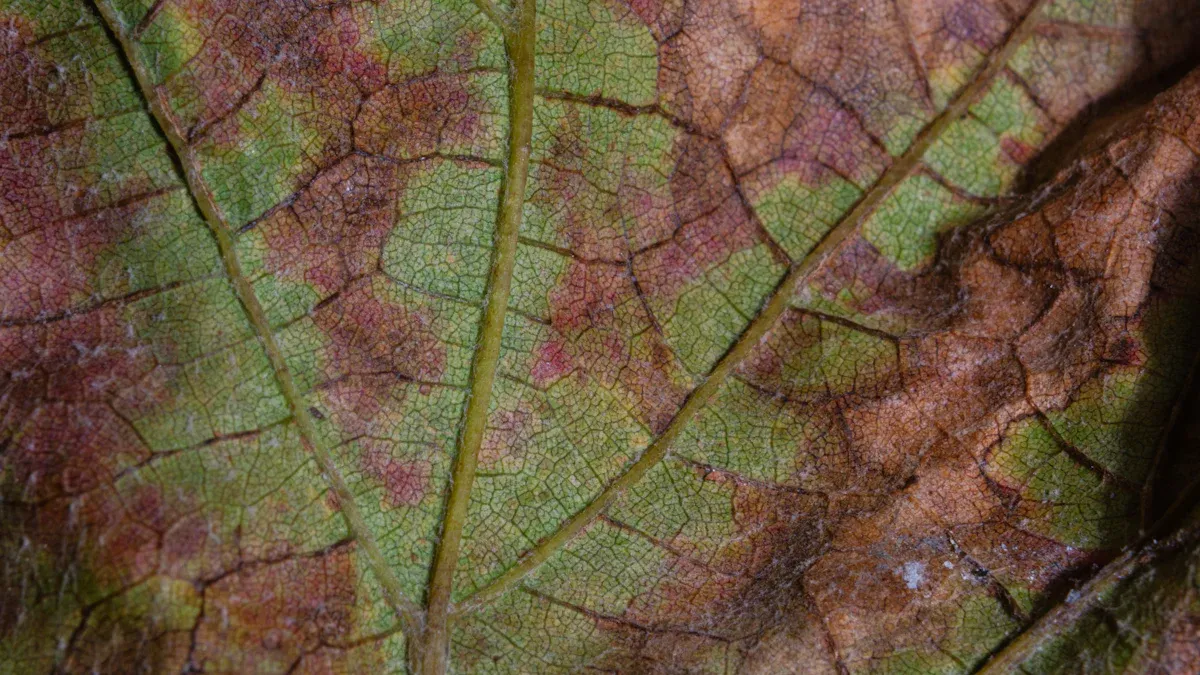
Overwatering can seriously harm your Split Rock Plant. You might notice several symptoms that indicate your plant is getting too much water. Look out for:
Brown tips or margins on the leaves
Yellowish-green leaves that seem unhealthy
Dropping of the oldest leaves
Wilting leaves that look lifeless
Weak, thin, and soft new leaves
A failure to develop new leaves or buds
These signs show that your plant is under stress due to excess moisture.
Diagnosis
To diagnose overwatering, check the soil moisture. Stick your finger or an unpainted wood dowel into the soil. If it comes out with soil sticking to it, hold off on watering. Overwatering reduces soil aeration, which can lead to root death and nutrient absorption issues. This can cause mushy spots on the leaves, indicating that your Split Rock Plant is struggling.
Solutions
If you suspect overwatering, here are some steps to help your plant recover:
Assess the soil moisture and let it dry out before watering again.
Remove any affected leaves to prevent further damage.
Ensure your pot has proper drainage to avoid water accumulation.
By following these solutions, you can help your Split Rock Plant bounce back and thrive!
Underwatering
Symptoms
Underwatering can be just as harmful to your Split Rock Plant as overwatering. When your plant doesn’t get enough water, you might notice some telltale signs. Keep an eye out for:
Leaves that appear shriveled or dry
Brown spots developing on the leaves
Leaves that curl or become crispy
Stunted growth or a lack of new leaves
Soil that feels very dry and hard
These symptoms indicate that your plant is thirsty and needs your attention.
Diagnosis
To diagnose underwatering, check the soil moisture. Stick your finger into the soil about an inch deep. If it feels bone dry, your plant is likely underwatered. You might also notice that the leaves feel brittle or look discolored. This lack of moisture can lead to stress, making it harder for your Split Rock Plant to thrive.
Solutions
If you suspect your plant is underwatered, here’s what you can do:
Water your plant thoroughly, allowing excess water to drain out of the pot.
Ensure that your pot has drainage holes to prevent water from sitting at the bottom.
Monitor the soil moisture regularly to keep your plant hydrated.
By following these steps, you can help your Split Rock Plant recover and flourish!
Sunburn on Split Rock Plant
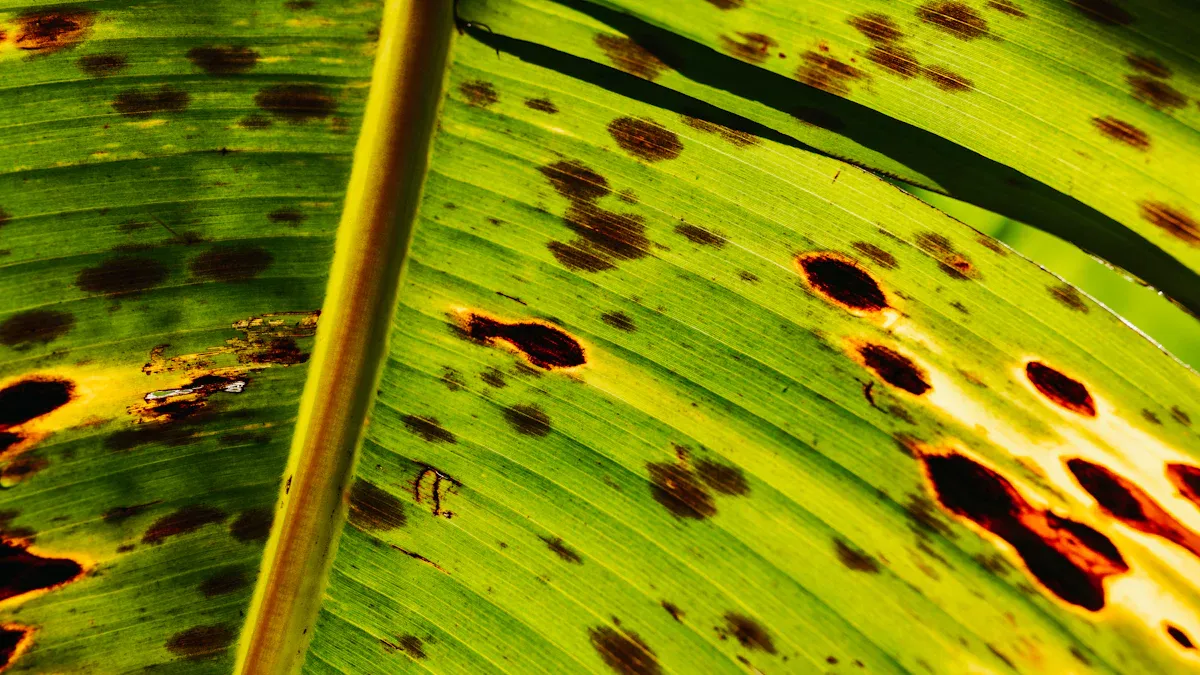
Sunburn can be a real issue for your Split Rock Plant. When it gets too much direct sunlight, you might notice brown spots appearing on the leaves. This happens because excessive sunlight stresses the plant, leading to discoloration and damage. The outer leaves may turn a brown-green color, indicating that they are struggling to cope with the intense light. In hotter climates, you might even see the vibrant purple hues fade into a brownish maroon, which is another sign of overexposure.
Symptoms
Keep an eye out for these symptoms of sunburn on your Split Rock Plant:
Brown spots on the leaves
Faded colors, especially in the outer leaves
Leaves that appear crispy or dry
These signs show that your plant is not happy with its current light conditions.
Diagnosis
To diagnose sunburn, observe the light conditions where your plant is located. If it’s in direct sunlight for long periods, it’s likely getting too much exposure. You can also check for any changes in leaf color or texture. If you notice brown spots and crispy edges, your plant is signaling that it needs a break from the sun.
Solutions
Here are some effective solutions to help your sunburned Split Rock Plant recover:
Shift your plant to a location with indirect light to prevent further damage.
Gradually acclimate your plant to its ideal light conditions.
Provide shade during the most intense midday sun, especially in summer.
By taking these steps, you can help your Split Rock Plant thrive and avoid future sunburn issues!
Pests and Damage
Pests can be a real headache for your Split Rock Plant. They can cause brown spots and other damage that can affect your plant’s health. Let’s look at some common pests that might invade your plant and how to deal with them.
Common Pests
You might encounter a few pests that love to munch on your Split Rock Plant. Here are some of the most common ones:
Mealybugs: These tiny, white, cotton-like bugs often hide in leaf joints.
Spider Mites: These pests are so small you might not see them until they cause damage. They leave tiny webs and yellow spots on leaves.
Aphids: These little green or black bugs suck the sap from your plant, leading to stunted growth.
Symptoms
How can you tell if pests are causing trouble? Watch for these signs:
Brown spots or patches on leaves
Sticky residue on leaves, known as honeydew
Wilting or drooping leaves
Visible bugs on the plant
If you notice any of these symptoms, it’s time to take action!
Solutions
To keep your Split Rock Plant healthy, here are some effective solutions:
Inspect Regularly: Check your plant often for any signs of pests.
Wash Them Off: Use a gentle stream of water to wash away pests.
Use Insecticidal Soap: This can help eliminate pests without harming your plant.
Maintain Good Air Circulation: Keep your plant in a spot with good airflow. This helps prevent infestations.
By following these tips, you can protect your Split Rock Plant from pests and keep it thriving!
Diseases
Your Split Rock Plant can fall victim to various diseases that lead to those pesky brown spots. Understanding these diseases is key to keeping your plant healthy and vibrant.
Common Diseases
Several diseases can cause brown spots on your Split Rock Plant. Here are a few to watch out for:
Fungal Infections: These often arise from overwatering or poor air circulation.
Bacterial Leaf Spot: This disease can develop in humid conditions, leading to dark, water-soaked spots.
Powdery Mildew: This fungal disease appears as a white powdery substance on leaves, which can eventually cause browning.
Symptoms
Identifying the symptoms early can save your plant. Look for these signs:
Brown spots or patches on leaves
Leaves that appear wilted or discolored
A white, powdery coating on the leaves
Dark, water-soaked areas that may spread
Solutions
If you suspect your Split Rock Plant has a disease, take action quickly. Here are some effective solutions:
Inspect Regularly: Check your plant for discolored or spotted leaves. This helps you catch issues early.
Isolate Affected Plants: If you notice signs of disease, move the affected plant away from others to prevent spreading.
Adjust Care Practices: Modify your watering habits and improve light exposure based on your observations.
Use Fungicides: If you suspect a fungal infection, applying suitable fungicides can help.
Maintain Healthy Soil: Ensure your plant gets adequate nutrients to prevent diseases from taking hold.
By staying vigilant and addressing these issues promptly, you can keep your Split Rock Plant thriving!
Environmental Stress
Environmental stress can lead to brown spots on your Split Rock Plant. Factors like light and temperature play a significant role in your plant’s health.
Light Conditions
Your plant needs the right amount of light. Insufficient or excessive light can stress it out, causing those pesky brown spots. If your Split Rock Plant doesn’t get enough light, it may struggle to grow. On the other hand, too much direct sunlight can scorch the leaves. Aim for a balance!
Temperature Effects
Temperature extremes can also affect your plant’s overall condition. If it gets too hot or too cold, you might notice discoloration on the leaves. Keeping your plant in a stable environment helps it thrive.
Solutions
To help your Split Rock Plant cope with environmental stress, consider these tips:
Proper watering practices: Avoid overwatering, especially if you see signs of stress like cracking or excessive leaf growth.
Optimal light exposure: Ensure your plant receives partial shade to full sun, particularly during winter. If natural light is insufficient, think about using grow lights.
Well-draining soil: Use a mix of 25% cactus mix and 75% pumice to prevent root rot.
By following these strategies, you can reduce stress on your Split Rock Plant and keep it healthy and vibrant!
To keep your Split Rock Plant healthy, remember these key points: water only when the soil is dry, provide adequate light without harsh exposure, and regularly check for pests and diseases. By monitoring your plant’s needs, you can prevent brown spots and ensure it thrives!
FAQ
What causes brown spots on my Split Rock plant?
Brown spots often result from overwatering, underwatering, sunburn, pests, or diseases affecting your plant.
How can I prevent brown spots on my Split Rock plant?
Monitor watering, provide adequate light, and check for pests regularly to keep your plant healthy.
Should I remove leaves with brown spots?
Yes, removing affected leaves helps prevent further damage and encourages new growth in your Split Rock plant.