

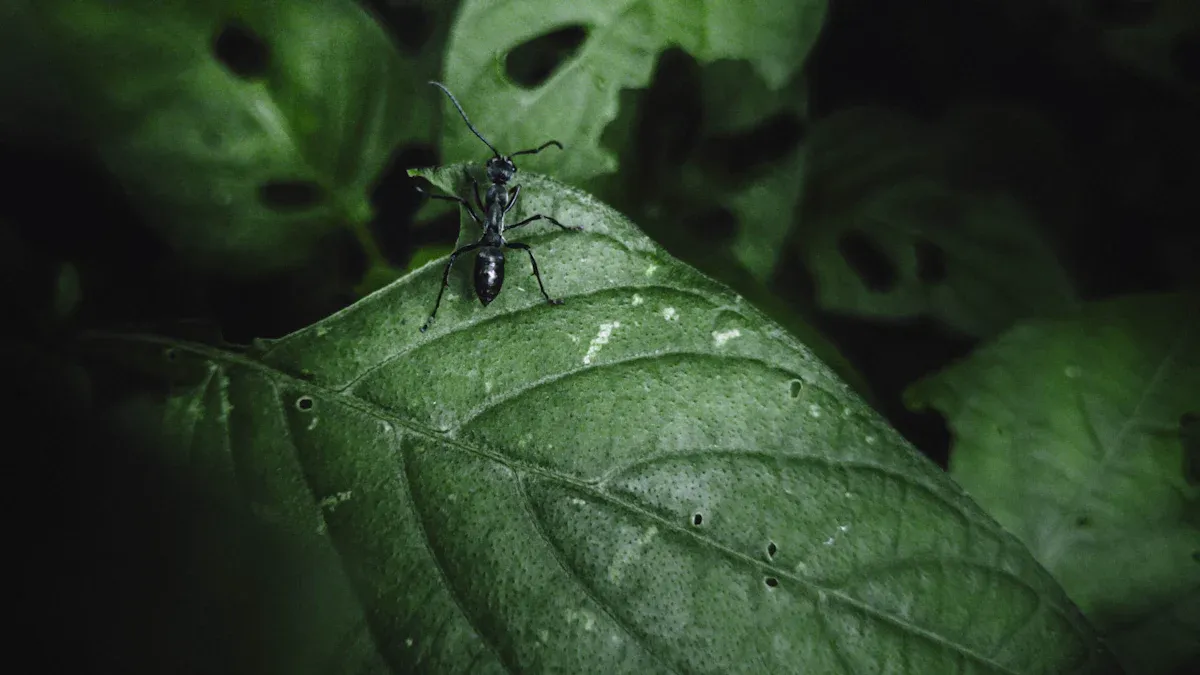
If you notice your ant plant leaves curling, it could signal several problems. Leaf curling often happens due to environmental stressors or pests. According to botanical studies, the development of domatia and herbivory by leaf-cutting ants can also lead to this issue. Understanding these factors helps you care for your plant better.
Key Takeaways
Monitor light conditions for your ant plant. Too much direct sunlight can cause leaves to curl. Aim for bright, indirect light indoors or morning sun with afternoon shade outdoors.
Check your watering habits regularly. Both overwatering and underwatering can lead to leaf curling. Water your plant about every 9 days, ensuring the soil dries out between waterings.
Keep an eye on humidity and temperature levels. Ant plants thrive in humidity around 40% and temperatures between 20°C to 30°C. Use a humidifier or humidity trays to maintain these conditions.
Environmental Factors
Light Conditions
Light plays a crucial role in the health of your ant plant. If your plant receives too much direct sunlight, you might notice the leaves curling. Research shows that high light intensity can lead to leaf curling, as seen in Shawen spinach, which curled under various light conditions. To keep your ant plant happy, consider these light tips:
Outdoor: Place your plant where it gets morning sun and afternoon shade. The best spots are east or southeast-facing areas.
Indoor: Aim for bright, indirect light. East-facing windows work well, while south or west-facing windows should be used cautiously.
Grow Lights: If natural light is limited, use full-spectrum grow lights. Position them about 12 inches from the plant for optimal results.
Temperature Fluctuations
Temperature is another key factor affecting your ant plant’s leaves. Ideally, you want to maintain a temperature range between 20°C to 30°C (68°F to 86°F). If temperatures drop below this range, you may see curling leaves. Here are some tips to manage temperature:
Keep your plant away from drafts or heating vents.
Use a thermometer to monitor the temperature around your plant.
If your home gets too cold, consider using a space heater to maintain warmth.
Humidity Levels
Low humidity can also lead to ant plant leaves curling. These plants thrive in humid environments, so aim for humidity levels around 40%. Here are some ways to boost humidity:
Use a room humidifier to add moisture to the air.
Place humidity trays filled with water near your plant.
Consider creating a mini greenhouse or terrarium to retain humidity.
By managing these environmental factors, you can help prevent your ant plant leaves from curling. Remember, keeping an eye on light, temperature, and humidity will go a long way in ensuring your plant stays healthy and vibrant.
Watering Problems
Overwatering Symptoms
Overwatering is a common issue that can lead to serious problems for your ant plant. When you give your plant too much water, it can’t absorb all of it. This excess moisture can cause several physiological effects on the leaves:
Yellowing leaves (chlorosis): You might notice your leaves turning yellow, which is a sign of stress.
Wilting despite excess water: It’s confusing, but your plant can still look wilted even when the soil is soggy.
Edema: This condition causes blisters or lesions on the leaves, making them look unhealthy.
Root rot: Too much water can lead to root rot, which prevents your plant from taking in nutrients.
Increased vulnerability to pests and diseases: A stressed plant is more likely to attract pests.
You can spot overwatering by looking for these visual symptoms:
Mushy stems and roots: If your plant feels soft to the touch, it’s a red flag.
Discoloration of leaves: Leaves may turn yellow or brown and appear mushy, resembling overcooked vegetables.
Wilting leaves: Even with moist soil, leaves can remain soft and limp.
Leaf drop: Both new and old leaves may fall off unexpectedly.
Presence of fungus or mold: Check the soil for any signs of mold, which indicates too much moisture.
Underwatering Symptoms
On the flip side, underwatering can also lead to curling leaves. When your ant plant doesn’t get enough water, it suffers from excessive soil dryness. This can cause:
Root shriveling: Roots can dry out and die, making it hard for your plant to absorb moisture.
Reduced moisture uptake: Impaired roots mean your plant can’t get the water it needs.
Leaf curling: The stress from insufficient water causes the leaves to curl up as a defense mechanism.
To avoid these watering problems, it’s essential to check the soil moisture before watering. Here are some reliable methods:
Direct Soil Inspection: Dig up a small sample of soil and feel it. If it’s dry several inches down, it’s time to water.
Feel and Appearance Method: Take a walnut-sized sample of soil. If it crumbles easily, your plant needs water.
Hand-push Probe: Use a simple tool to push into the soil. If it goes in easily, the soil is moist; if it resists, it’s dry.
By keeping an eye on your watering habits, you can help prevent your ant plant leaves from curling. Remember, both overwatering and underwatering can lead to stress, so finding the right balance is key!
Nutrient Deficiencies
Essential Nutrients
Your ant plant needs several key nutrients to thrive. Ants play a vital role in providing these nutrients by collecting and decomposing organic matter. This process enriches the soil with essential elements like nitrogen and phosphorus, which are crucial for your plant’s growth. Here are some essential nutrients for your ant plant:
Nitrogen: Promotes healthy leaf growth and vibrant green color.
Phosphorus: Supports root development and flowering.
Potassium: Helps with overall plant health and stress resistance.
Magnesium: Vital for chlorophyll production, which keeps leaves green.
Signs of Deficiency
When your ant plant lacks these nutrients, you might notice some telltale signs. Leaf curling is often a symptom of nutrient deficiencies. Here’s a quick reference table to help you identify specific nutrient deficiencies and their symptoms:
Nutrient | Symptoms |
|---|---|
Magnesium | Interveinal chlorosis with green mid-ribs; leaf margins become yellow or reddish-purple. |
Potassium | Necrosis of leaf tips with adjacent dark green zone; thickened, curling leaves. |
Boron | Young leaves of terminal bud are hooked, then die; distorted leaves with burnt edges. |
If you see yellow leaves or curling in your ant plant leaves, check for these nutrient deficiencies. Addressing them promptly can help restore your plant’s health and prevent further issues.
Pest Infestations
Common Pests
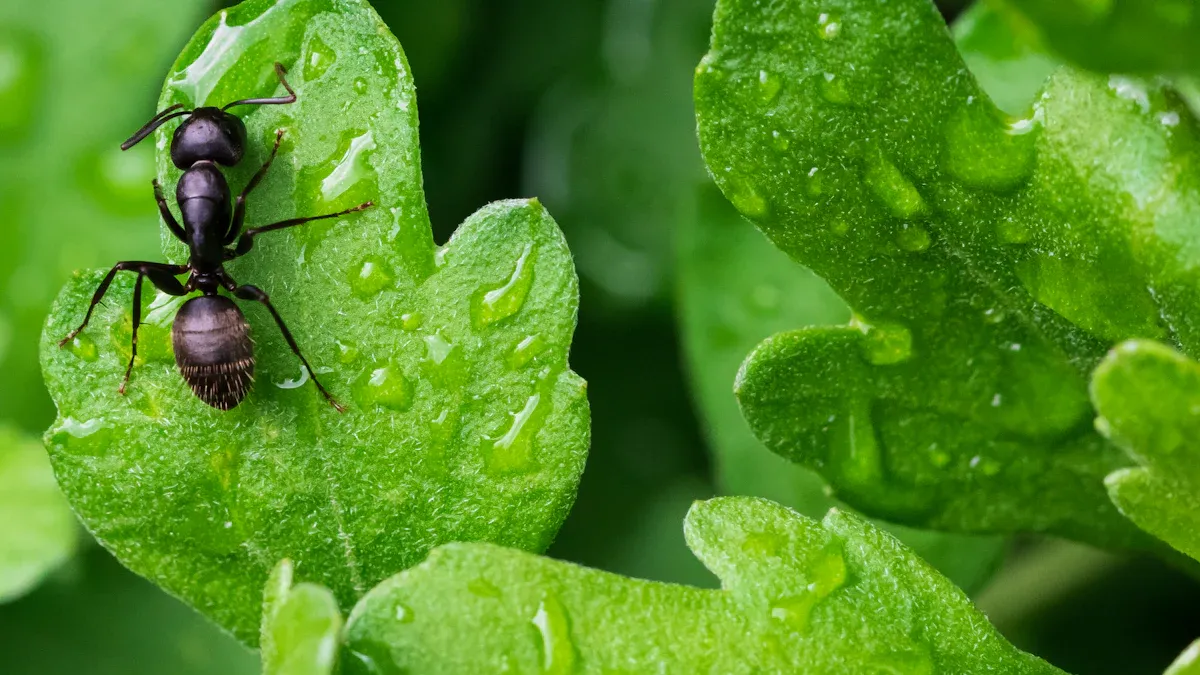
Pest infestations can wreak havoc on your ant plant. Here are some common culprits you should watch out for:
Aphids: These tiny insects suck sap from leaves, leading to curling and yellowing.
Leafhoppers: They can cause stippling on leaves, making them look unhealthy.
Thrips: These pests can create silvery streaks and distort leaf shapes.
Identifying Infestations
You can spot a pest problem by looking for specific signs on your ant plant. Here are some indicators:
Honeydew: This sticky substance often appears on leaves, produced by pests like aphids. If you see ants around your plant, they might be feeding on this honeydew, hinting at a pest issue.
Dark Spots: Shiny, shellac-like fecal material on the undersides of leaves suggests a lace bug infestation.
Stippling: Leaves may show a stippled appearance due to sap-sucking damage, which can be mistaken for other issues.
If you notice any of these signs, it’s time to take action. Neem oil is an excellent choice for pest control. It acts as an antifeedant against many insects, including aphids and thrips. This organic pesticide disrupts the growth of pests, preventing them from feeding and reproducing. Plus, it won’t harm beneficial insects like honeybees.
To enhance your pest control efforts, consider companion planting. Plants like marigolds, lavender, and basil can naturally repel pests while adding beauty to your garden. Keeping an eye on your ant plant and addressing pest issues promptly will help keep it healthy and thriving!
How to Care for Ant Plant
Taking care of your ant plant is essential for keeping those leaves healthy and vibrant. Here are some general care tips to help you maintain your plant and prevent leaf curling.
General Care Tips
Watering: Your ant plant needs about 0.5 cups of water every 9 days, especially when it’s not in direct sunlight. Make sure to water thoroughly, allowing excess water to drain out. This helps prevent root rot.
Light: Place your plant near bright, sunny windows. Ant plants thrive in bright light and don’t do well in low-light conditions. If you notice the leaves curling, check if they’re getting enough light.
Nutrients: Repot your plant once a year or when it doubles in size. This replenishes nutrients in the soil. Ant plants grow slowly, so they don’t require frequent fertilization.
Soil: Replace the potting soil annually to ensure your plant gets adequate nutrition. Fresh soil can make a big difference in plant health.
Leaf Health: Yellow leaves can be normal shedding, but if all leaves change color at once, it may signal distress. Keep an eye on your plant’s overall appearance.
Environmental Factors: Monitor temperature and humidity levels. Adjust your care routine as necessary to keep your plant comfortable.
Monitoring Plant Health
Regularly checking your ant plant is crucial for catching any issues early. Here’s how often you should monitor your plant:
Aim for weekly checks to assess leaf health and look for signs of pests. Early intervention is key to preventing minor problems from escalating.
Inspect your garden at least a couple of times a week. Frequent monitoring allows you to spot early signs of pest activity, giving you the best chance to intervene effectively.
By following these care tips and keeping a close eye on your plant, you can help ensure that your ant plant remains healthy and free from curling leaves. Remember, a little attention goes a long way in maintaining your plant’s vitality!
In summary, curling leaves on your ant plant can stem from various issues, like pests or environmental stress. Assess your plant carefully. If you spot pests, follow these steps:
Inspect for visible pests.
Apply insecticidal soap as needed.
Monitor for re-infestation.
Keep your plant healthy by watering deeply but infrequently and ensuring good drainage.
Cause | Description |
|---|---|
Insect Damage | Insects like aphids, thrips, and whiteflies suck plant juices, causing leaves to curl. |
Peach Leaf Curl | A disease affecting peach and nectarine trees, characterized by curled, reddish, puckered leaves. |
Abiotic Damage | Leaf rolling in vegetables can occur during wet conditions, not requiring any action. |
Herbicide Exposure | Herbicides can drift onto plants, causing leaf curling, especially those containing glyphosate. |
Diagnostic Tools | Use the UC IPM plant problem diagnostic tool for assistance in identifying the cause of leaf curling. |
By taking these steps, you can help your ant plant thrive!
FAQ
What causes my ant plant leaves to curl?
Leaf curling can result from overwatering, underwatering, pests, or environmental stress like low humidity or extreme temperatures.
How often should I water my ant plant?
Water your ant plant about every 9 days, ensuring the soil dries out between waterings to prevent root rot.
Can I use regular fertilizer for my ant plant?
Yes, but choose a balanced fertilizer. Avoid over-fertilizing, as this can lead to nutrient burn and further leaf curling.