
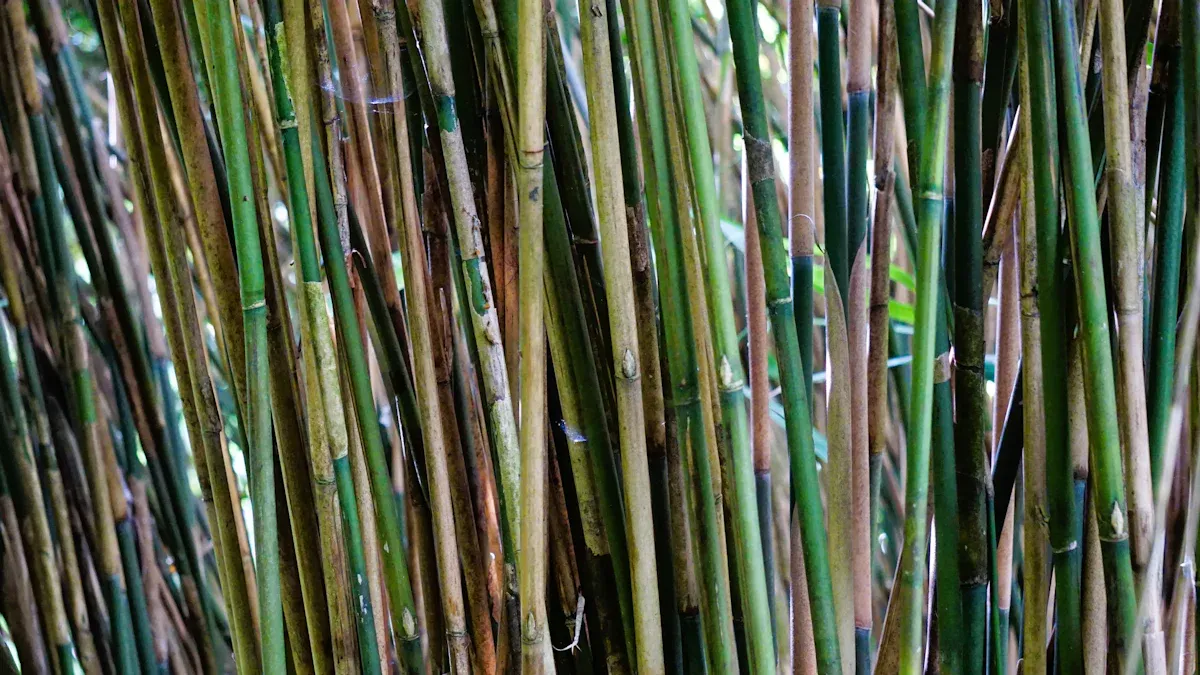
If your horsetail reed plant is dying, it’s crucial to find out why. Common issues include improper lighting, watering mistakes, and poor soil conditions. By pinpointing these specific causes, you can improve your horsetail care and help your plant thrive again.
Key Takeaways
Monitor light conditions. Horsetail reed plants thrive in partial to full shade. Too much direct sunlight can cause stress and poor growth.
Water regularly but avoid overwatering. Aim for moist soil without saturation. Check for signs of overwatering like yellow leaves or wilting.
Ensure good soil drainage. Use a peat moss-based mix to keep the soil moist yet well-draining, preventing root rot.
Environmental Factors
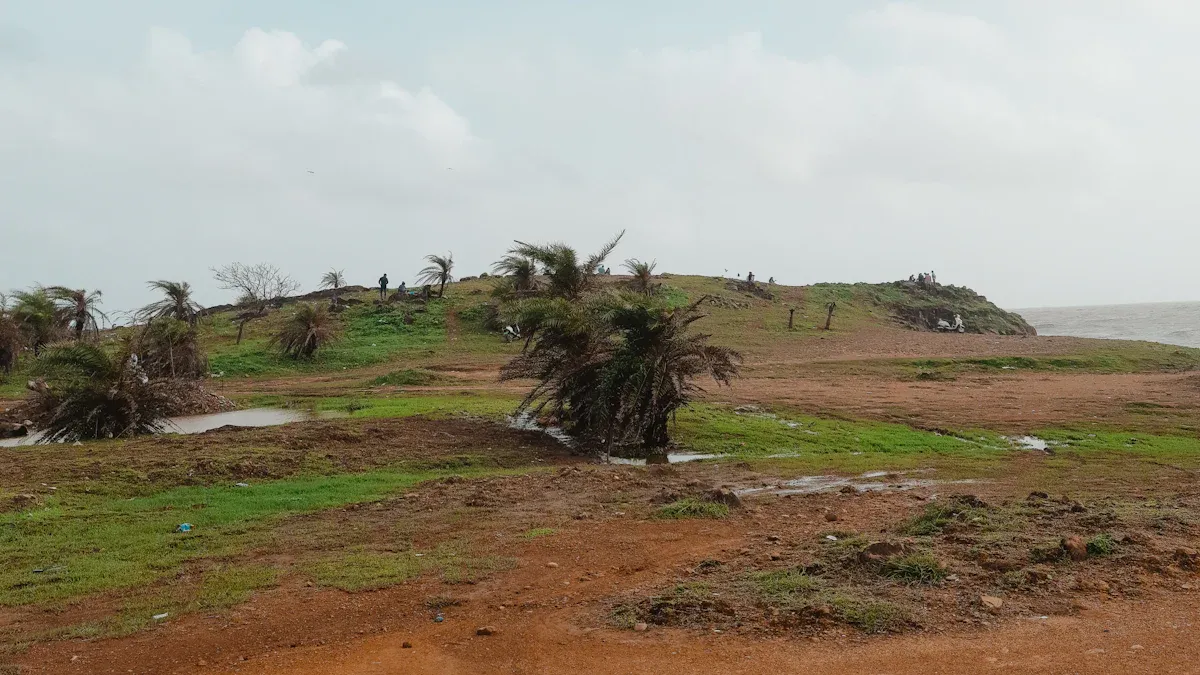
When it comes to keeping your horsetail reed plant healthy, environmental factors play a huge role. Let’s break down the key elements: light, water, and soil drainage.
Light Needs
Horsetail reed plants thrive in specific light conditions. They prefer partial to full shade, meaning they need some sunlight but should avoid direct exposure. Too much sun can stress your plant, leading to poor growth. Here’s a quick look at how different sunlight conditions affect your horsetail reed:
Sunlight Condition | Effect on Horsetail Reed Plant Health |
|---|---|
Insufficient Light | Leads to poor growth and awkward stretching |
Optimal Light | Promotes healthy, upright growth |
Excessive Light | Implied need for moderation in exposure |
If you notice your horsetail reed stretching awkwardly or growing weakly, it might be a sign it’s not getting enough light. On the flip side, if the leaves start to scorch or turn brown, you may need to move it to a shadier spot.
Watering Issues
Watering is another critical factor. Horsetail reed plants love moisture and thrive in damp soil or shallow water. However, overwatering can lead to root rot, which is a common problem. Here are some symptoms to watch for:
Curling or drooping leaves
Dropping old and new leaves
Wilting or limp leaves
Leaves turning splotchy black or dark brown
To keep your horsetail reed happy, aim to water it about three times a week, ensuring the soil stays moist but not soggy. Here’s a quick reference for watering frequency based on soil condition:
Watering Frequency | Soil Condition |
|---|---|
Three times/week | Moist to wet soil |
Remember, this plant thrives in very wet conditions, so don’t hesitate to give it a good soak!
Soil Drainage
Lastly, let’s talk about soil drainage. Horsetail reed plants prefer well-draining soil that remains moist. A rich, peat moss-based potting mix works wonders. Poor drainage can lead to serious problems, so keep an eye out for signs like:
Evidence | Description |
|---|---|
Field horsetail presence | Indicates poorly drained soils and low pH levels. |
If you notice your horsetail reed struggling, check the drainage. You want to ensure that excess water can escape easily to prevent root rot.
By paying attention to these environmental factors, you can help your horsetail reed plant flourish. Keep an eye on its light, water, and soil conditions, and you’ll be well on your way to a healthy plant!
Care Errors
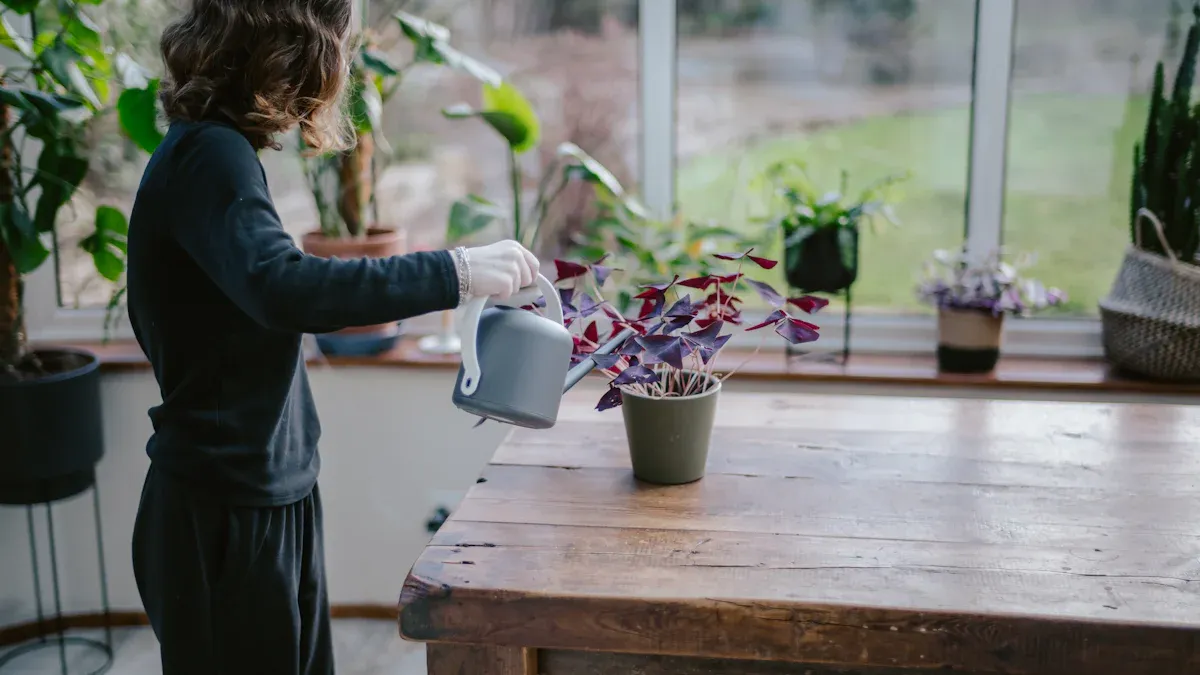
Taking care of your horsetail reed plant can be tricky, and common mistakes can lead to serious problems. Let’s explore some of these care errors and how you can fix them.
Overwatering
Overwatering is one of the most frequent issues you might face. While horsetail reed plants love moisture, too much water can suffocate their roots. When the soil stays saturated, it prevents oxygen from reaching the roots. This lack of oxygen creates a perfect environment for fungal pathogens, like Pythium and Phytophthora, which can lead to root rot.
Here are some signs that you might be overwatering your horsetail reed:
Yellow leaves
Drooping or wilting
Mold or fungal growth
Root rot
To avoid overwatering, check the soil regularly. If it feels soggy, cut back on watering. Aim for a balance where the soil remains moist but not waterlogged. Remember, consistently wet soil is a clear sign of overwatering, so adjust your watering schedule accordingly.
Nutrient Deficiency
Another common issue is nutrient deficiency. If your horsetail reed plant isn’t getting enough nutrients, it can show signs of stress. You might notice stunted growth or yellowing leaves. To combat this, implement a fertilization schedule. Use a balanced fertilizer every 4-6 weeks during the growing season. This ensures your plant gets the nutrients it needs to thrive.
You can also try horsetail broth as a natural fertilizer. It’s rich in nutrients and can help boost your plant’s health. By keeping an eye on your plant’s growth and adjusting your care routine, you can prevent nutrient deficiencies from becoming a problem.
Aeration Techniques
Soil aeration is crucial for the health of your horsetail reed plant. Poor aeration restricts oxygen flow to the roots, which is essential for nutrient absorption. Compacted soil can stunt growth and make your plant more vulnerable to diseases. To improve aeration, consider adding materials like perlite, vermiculite, or coconut coir to your soil mix. These amendments enhance drainage and prevent compaction.
Here are some effective aeration techniques:
Perlite: Improves soil aeration and prevents compaction.
Vermiculite: Facilitates aeration while maintaining moisture levels.
Coconut Coir: Enhances soil structure and retains moisture effectively.
Compost: Enriches soil with nutrients and fosters beneficial microbial activity.
Biochar: Boosts aeration and improves water retention.
By ensuring your soil has good aeration, you’ll help your horsetail reed plant access the resources it needs to grow strong and healthy.
Pests and Diseases
When caring for your horsetail reed plant, you might encounter pests and diseases that can threaten its health. Let’s take a closer look at some common pests and fungal issues you should watch for.
Common Pests
Pests can cause significant damage to your horsetail reed plant. Here are a few you might find:
Aphids: These tiny insects suck sap from the leaves, leading to yellowing and curling.
Spider Mites: They create fine webs and cause stippling on leaves, making them look dusty.
Mealybugs: These pests appear as white, cottony masses and can weaken your plant.
If you notice any of these signs, act quickly to manage the infestation. You can wash the pests off with a strong stream of water or use insecticidal soap for more stubborn cases.
Fungal Issues
Fungal diseases can also plague your horsetail reed plant. Here’s a table outlining some common fungal species and their symptoms:
Fungal Species | Symptoms | Conditions Favoring Growth |
|---|---|---|
Alternaria | Black spots on leaves | Damp conditions, high humidity |
Phytophthora | Black spots in clusters | Poor air circulation, moisture |
To combat these fungal issues, consider using natural treatments. Here are some effective options:
Horsetail tea acts as a natural fungicide, helping with problems like powdery mildew and black spot.
Extracts from horsetail (Equisetum arvense) contain silica, which can protect against fungal diseases.
By keeping an eye on your horsetail reed plant and addressing any pest or fungal issues promptly, you can help ensure its health and longevity.
Control Horsetail Health
To keep your horsetail reed plant thriving, you need to follow some proper care guidelines. These steps can help you control horsetail and prevent decline.
Proper Care Guidelines
Here’s a quick table to guide you through essential actions for maintaining your horsetail reed plant:
Step | Action | Purpose |
|---|---|---|
1 | Check soil drainage | Corrects excess moisture that favors horsetail growth |
2 | Remove mulch/plastic | Prevents creating a habitat that supports horsetail |
3 | Apply dolomite lime | Adjusts soil pH to make it less favorable for horsetail |
4 | Add organic fertilizer | Enhances soil fertility, promoting healthier plant growth |
5 | Monitor and cut sprouts | Prevents new horsetail plants from establishing |
By following these steps, you can significantly reduce the risk of your horsetail reed plant declining.
Seasonal Maintenance
Seasonal changes can affect your horsetail reed plant’s health. Here are some tips to keep in mind throughout the year:
Spring: This is the time to check for any signs of pests or diseases. You should also start fertilizing your plant to encourage new growth.
Summer: Keep an eye on watering. Ensure the soil remains moist, especially during hot spells. You might need to increase your watering frequency.
Fall: As temperatures drop, reduce watering. This helps your plant prepare for dormancy. You can also prune any dead or damaged stems.
Winter: Protect your horsetail reed from freezing temperatures. If you live in a colder climate, consider bringing your plant indoors or covering it with mulch.
By implementing these seasonal maintenance practices, you can effectively control horsetail and keep your plant healthy all year round.
To keep your horsetail reed plant healthy, focus on proper care and environmental factors. Remember to monitor light, water, and soil conditions. Regularly inspect for pests and diseases. Following expert recommendations, like improving drainage and maintaining a clean environment, will help your plant thrive. 🌱
FAQ
What should I do if my horsetail reed leaves turn yellow?
Yellow leaves often indicate overwatering or nutrient deficiency. Check your watering schedule and consider fertilizing to restore health.
How often should I fertilize my horsetail reed plant?
Fertilize every 4-6 weeks during the growing season. Use a balanced fertilizer to support healthy growth.
Can horsetail reed survive winter conditions?
Yes, horsetail reed can survive winter. Protect it from freezing temperatures by covering it with mulch or bringing it indoors if necessary. 🌿