

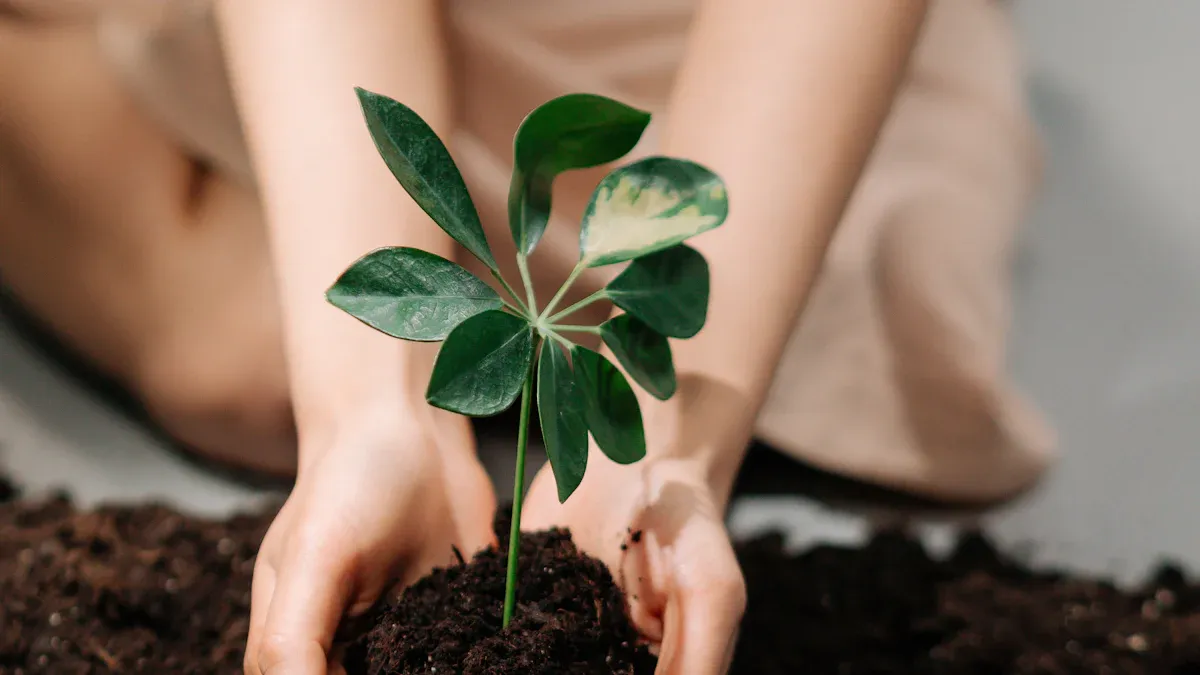
When you ask what is gardening, you discover an activity that blends science and art. The definition of garden centers on growing plants for beauty, food, or relaxation in a personal space. Unlike farming, which focuses on large-scale production, gardening often happens on a smaller scale for enjoyment or sharing with family. About 55% of households in the United States take part in gardening each year. People of all ages, from beginner to experienced, enjoy creating a garden, whether indoors or outside.
Key Takeaways
Gardening is growing plants for beauty, food, or relaxation in small personal spaces, combining science and art.
Gardening improves mental and physical health by reducing stress, providing exercise, and connecting you with nature.
You can garden anywhere, even in small spaces, by using containers, vertical gardens, or community plots.
Choosing the right plants, soil, and tools helps your garden thrive and makes gardening easier and more enjoyable.
Gardening supports the environment by helping pollinators, reducing waste, and creating habitats for wildlife.
What is Gardening
Definition
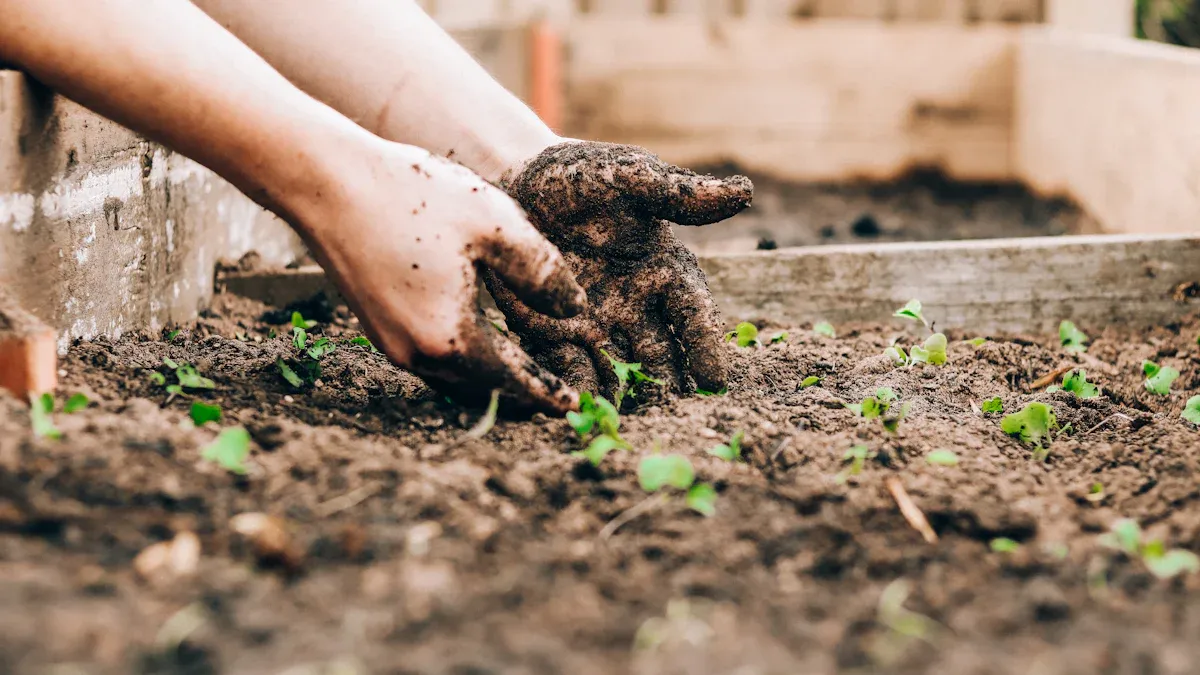
When you ask what is gardening, you explore an activity that brings together nature and human creativity. The definition of garden centers on growing plants for food, beauty, or enjoyment in a designated space. Encyclopaedia Britannica describes gardening as the laying out and care of a plot of ground devoted partially or wholly to growing plants such as flowers, herbs, or vegetables. You manage the garden by controlling weeds, watering, pruning, and conditioning the soil. This process requires you to adapt to local conditions like sunlight and temperature.
You may wonder what does it mean to garden compared to farming. Gardening happens on a small scale, such as home gardens, nurseries, or greenhouses. Farming uses large fields and machinery for mass production. The table below shows the main differences:
Aspect | Gardening (Horticulture) | Farming (Agriculture) |
|---|---|---|
Scale | Small, personal spaces | Large, commercial fields |
Purpose | Beauty, health, decoration | Staple food, fiber, fuel |
Techniques | Detailed care, pruning, grafting | Machinery, standard procedures |
Land Use | Intensive, small plots | Extensive, open fields |
You focus on quality, design, and enjoyment when gardening. Farming aims for quantity and commercial use. Horticulture connects gardening to the art and science of growing plants, enriching communities and human culture.
Gardening is a creative partnership with nature. You cooperate with natural laws and adapt your care to the unique needs of your plants.
Science and Art
Gardening combines scientific knowledge with artistic expression. You use science when you learn about soil, water, sunlight, and plant biology. Healthy soil supports plant growth by providing nutrients, retaining water, and hosting helpful microorganisms. You improve soil by adding organic matter and managing moisture. You also study how plants use photosynthesis to turn sunlight into energy, how they reproduce, and how they defend against pests.
Here are some important scientific principles you use in gardening:
Plants need sunlight for photosynthesis.
Soil provides nutrients and supports roots.
Water is essential for plant growth and transport.
Plants reproduce through seeds and cuttings.
You manage pests and diseases using natural and scientific methods.
Plants adapt to different environments and provide habitats for other living things.
You also express creativity through garden design. You choose colors, shapes, and arrangements to create harmony and balance. Many famous gardens use art principles like rhythm, proportion, and unity. For example, Asian gardens use stone lanterns and bamboo to guide the eye and create a sense of place. Public gardens may include sculptures and historical markers to tell stories and connect with the community.
Gardening lets you create living art. You select plants for their color, texture, and form. You arrange them to make beautiful spaces that change with the seasons. You can use natural materials, sculptures, and thoughtful design to make your garden unique.
Tip: When you design your garden, think about how each plant fits into the whole picture. Use repetition, balance, and focus to create a space that feels welcoming and alive.
Many people believe myths about gardening, such as using baking soda to sweeten tomatoes or relying on companion plant lists. Scientific studies show that these tips often lack evidence. You get better results by focusing on soil, light, and water.
Misconception | What Science Says |
|---|---|
Baking soda sweetens tomatoes | No proven effect; can harm plants |
Companion plant lists | Not reliable; basics matter more |
Moon phase gardening | No scientific proof |
Cinnamon as fungicide | Limited merit; not always effective |
Mosquito-repelling plants | Limited range; not reliable |
When you understand what is gardening, you see that it is more than just growing plants. You use science to help your plants thrive. You use art to make your garden beautiful. You learn, create, and connect with nature every time you step into your garden.
Why Garden
Enjoyment
Gardening is a popular activity that brings joy to people of all ages. You may find that gardening is a fun and rewarding activity because it lets you express creativity and learn new things. Many people enjoy gardening for the sense of achievement they feel when plants grow and bloom. You can plan your garden, choose your favorite flowers or vegetables, and watch them change each season.
Gardening provides restorative and psychological benefits, such as stress relief and emotional rejuvenation.
You can connect with nature, which helps improve mood and well-being.
Joining gardening groups or clubs gives you social support and helps reduce isolation.
Gardening offers opportunities for creativity and mental stimulation.
You can enjoy gardening in any space, even on a balcony or small courtyard.
Many gardeners say the greatest pleasure comes from the process, not just the results. Gardening gives you a slow, mindful escape from busy life and encourages spending time outdoors.
Health Benefits
Gardening is more than just a hobby; it is a therapeutic and relaxing activity that supports both mental and physical health. When you garden, you move your body, which helps strengthen muscles and improve flexibility. Tasks like digging, planting, and weeding count as moderate exercise and can help maintain a healthy weight. Gardening can increase your heart rate and improve circulation, which lowers the risk of heart disease. Sunlight exposure during gardening helps your body produce vitamin D, which is important for bone health and your immune system.
Gardening activities can reduce stress, anxiety, and depression.
You may notice improved memory, attention, and creativity.
Gardening helps improve mood and life satisfaction.
Spending time outdoors while gardening can help you relax and feel more energetic.
Community gardening builds social support and reduces feelings of loneliness.
Environmental Impact
Gardening also helps the environment in many ways. When you create a garden with a variety of plants, you support pollinators like bees and butterflies. Native plants in your garden provide food and shelter for local wildlife. By avoiding chemicals and using natural methods, you protect the soil and water.
Aspect | How Gardening Helps the Environment |
|---|---|
Biodiversity | Gardens support many species, including pollinators and birds. |
Carbon Sequestration | Plants in your garden capture carbon from the air and store it in the soil. |
Greenhouse Gas Reduction | Growing food at home reduces the need for transport and packaging, lowering emissions. |
Sustainable Practices | Using mulch, compost, and native plants makes your garden more eco-friendly. |
You can reduce your carbon footprint by following best practices, such as using organic fertilizers and collecting rainwater. Gardening creates small habitats that help local ecosystems thrive. Even a small garden can make a big difference for the planet.
Types of Gardens
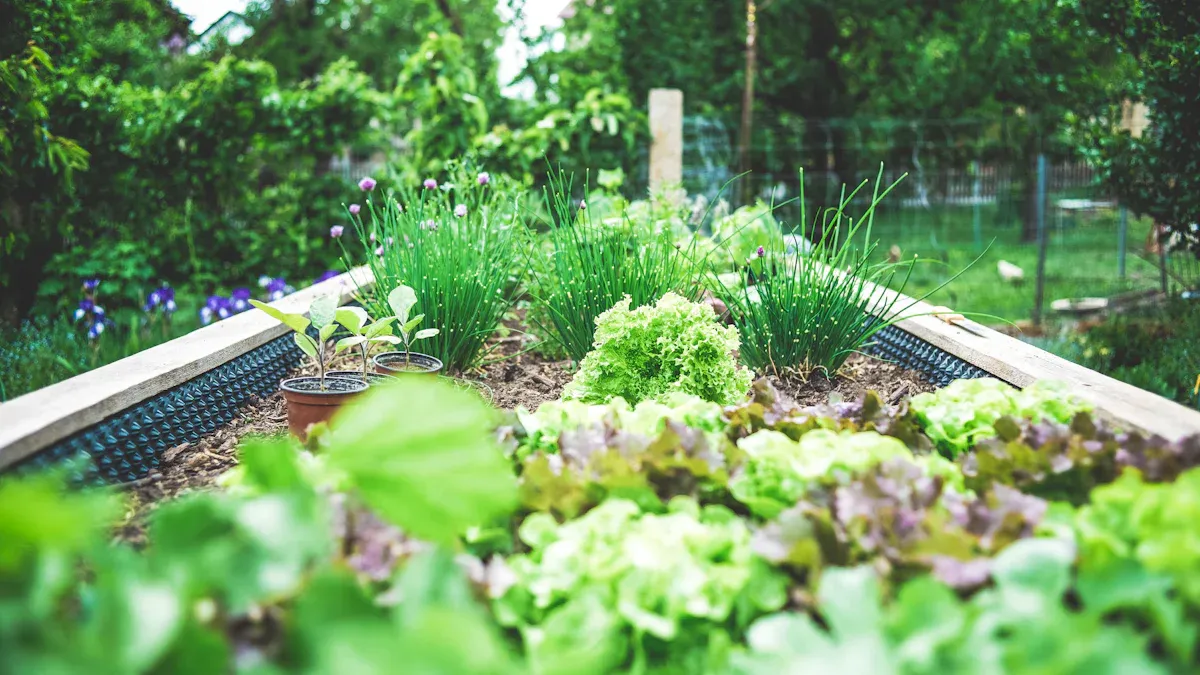
When you explore different types of gardens, you discover many ways to enjoy gardening. Each type offers unique benefits and challenges. You can choose the best garden for your space, interests, and needs.
Vegetable
Vegetable gardens let you grow your own food. You plant seeds or seedlings in prepared soil and care for them as they grow. You need to check the soil for nutrients and moisture. Good soil helps vegetables thrive and produce healthy crops. You can grow tomatoes, carrots, lettuce, and beans. Vegetable gardening teaches you about plant life cycles and food production. You also reduce your grocery bills and enjoy fresh, tasty meals. Many people in urban and suburban areas create small vegetable gardens in their yards or on balconies.
Tip: Test your soil before planting. Add compost to improve soil structure and boost plant growth.
Flower
Flower gardens bring color and beauty to your home. You select flowers based on their shape, color, and fragrance. Roses, dahlias, lilies, and sunflowers are popular choices worldwide. You prepare the soil by loosening it and adding organic matter. Healthy soil supports strong roots and vibrant blooms. Flower gardening attracts pollinators like bees and butterflies. You can design your garden with patterns or mix different flowers for a natural look.
Common flowers in home gardens include:
Roses
Dahlias
Lilies
Lavender
Tulips
Sunflowers
Marigolds
Daisies
You enjoy watching your plants grow and change with the seasons.
Container
Container gardening is perfect for small spaces. You grow plants in pots, boxes, or other containers filled with soil. This method works well on patios, balconies, or even windowsills. You control the soil quality and move containers to catch sunlight or avoid harsh weather. Container gardening helps you manage invasive plants and reduce weeds. You need to water your plants more often because soil in containers dries out quickly.
Advantages of Container Gardening | Disadvantages of Container Gardening |
|---|---|
Suitable for limited spaces | Frequent watering needed |
Easy to relocate | Limited root space |
Fewer weeds | Special soil and fertilizer required |
Decorative potential | Vulnerability to temperature extremes |
You can start gardening with just a few containers and basic supplies.
Community
Community gardens bring people together. You share space, tools, and knowledge with neighbors. These gardens support biodiversity by growing many types of plants, both wild and cultivated. Researchers found that community gardens in cities like Berlin and Munich host hundreds of plant species, making them important for conservation. You help improve food security by growing fresh fruits and vegetables for your family and others. Community gardening builds social connections and strengthens neighborhoods.
Benefits of community gardens:
Increase local food production
Foster social networking
Improve mental and physical well-being
Support biodiversity
Enhance urban green spaces
You learn from others and enjoy gardening as a group. Community gardens play a key role in urban and suburban areas, adapting to different social and demographic needs.
Getting Started
Choosing Plants
You begin your gardening journey by selecting the right plants for your space. Consider your local climate and USDA hardiness zone to find plants that will thrive. Analyze your soil type and pH to match plants with suitable growing conditions. Look for a garden spot that receives at least six hours of sunlight daily and has well-draining soil. Start with a small garden to manage your time and experience. Choose plants with maintenance needs that fit your schedule and skill level. Prefer native plants when possible, as they adapt better and require less care. Avoid invasive species to protect your garden and the environment.
Water requirements: Group plants with similar needs.
Texture: Mix coarse and fine textures for contrast.
Color: Combine plants with different bloom times and colors for year-round interest.
Mature height: Plan for how tall plants will grow.
Form: Use shapes and evergreen or deciduous plants for variety.
Function: Select plants for shade, screening, or pollinator attraction.
Plant longevity: Match plant lifespan to your garden goals.
Tip: Plant at the right time by knowing your area’s last frost date. Harden off seedlings before transplanting outdoors.
Tools
You need the right tools to cultivate and care for plants and maintain a successful and productive garden. The following table lists essential gardening tools for a beginner, along with descriptions and purchase tips:
Tool | Description & Usage Tips | Typical Cost / Example Link |
|---|---|---|
Gloves | Protect hands and forearms; choose durable, water-resistant gloves with a good fit. | Price varies on Amazon |
Pruning Shears | Cut live or dead wood; bypass for live plants, anvil for dead wood. | Price varies on Amazon |
Loppers | Trim thick branches; lightweight handles help reduce fatigue. | Price varies on Amazon |
Garden Fork | Turn and aerate soil; square tines offer strength. | Price varies on Amazon |
Hand Trowel | Transplant and weed; stainless steel preferred for durability. | Price varies on Amazon |
Spade | Dig, edge, and lift sod; look for a sturdy handle and steel head. | Price varies on Amazon |
Rake | Gather leaves and debris; adjustable rakes suit different tasks. | Price varies on Amazon |
Hoe | Prepare beds and cut weeds; sharp blade and comfortable handle recommended. | Price varies on Amazon |
Garden Hose + Nozzle | Water plants efficiently; adjustable nozzle controls spray pattern. | Price varies on Amazon |
Watering Wand | Gentle rain shower for delicate plants; built-in shutoff valve saves water. | Price varies on Amazon |
Watering Can | Choose size and handle design for comfort; metal cans resist rust. | Price varies on Amazon |
Wheelbarrow | Move soil, compost, and mulch; helps with heavy lifting. | Price varies on Amazon |
Basic Techniques
You can use simple gardening techniques to help your plants grow strong and healthy. Start small and set realistic goals for your garden. Choose low-maintenance, regionally appropriate plants such as drought-tolerant or native varieties. Use efficient watering methods like drip irrigation or rainwater collection to conserve water. Raised beds and containers make gardening easier and reduce physical strain. Make sure your plants get enough sunlight, quality soil, and proper watering for healthy plant growth.
Begin with easy-to-grow vegetables and herbs such as lettuce, radish, zucchini, mint, basil, and parsley.
Practice companion planting by pairing plants that support each other, like marigolds with peppers.
Use nutrient-rich compost or balanced soil mixes to support strong roots.
Learn to recognize signs of overwatering, underwatering, and poor light conditions.
Focus on enjoying gardening and take breaks to keep the experience stress-free.
Note: Water plants deeply but less often, focusing on soil moisture rather than foliage to prevent disease. Water during cooler morning hours to help soil retain moisture and reduce plant stress.
Gardening Benefits and Challenges
Physical and Mental Benefits
You gain many rewards from gardening, both for your body and your mind. When you spend time in a garden or near green spaces, you feel less stress and mental fatigue. Gardening increases your physical activity, which helps lower stress hormones and boost your mood. You move your body by digging, planting, and watering, which keeps you active and strong. Community gardens help you meet new people and build friendships, reducing feelings of loneliness. Growing your own fruits and vegetables can improve your nutrition and lower the risk of depression. Horticultural therapy, which uses gardening as a treatment, has shown lasting improvements for people with mental and physical health conditions.
Living near gardens or parks improves overall health.
Gardening lowers anxiety and depression.
You can enjoy better memory and focus.
Working in a garden builds a sense of pride and community.
Gardening is an activity that supports your mental and physical health, making you feel happier and more connected.
Common Challenges
You may face some challenges when you start a garden. Many new gardeners struggle with pests, poor soil, and watering problems. Weather can also make gardening difficult, especially during heatwaves or heavy rain. Sometimes, plants do not get enough sunlight, or you may not have enough space for a large garden. Overcrowding plants can lead to disease and weak growth. The table below shows common gardening challenges and their descriptions:
Challenge | Description |
|---|---|
Pest Attacks | Damage from insects like aphids, slugs, and snails. |
Poor Soil Quality | Soil lacks nutrients for healthy plant growth. |
Weeds | Compete with your plants for water, sunlight, and nutrients. |
Watering Issues | Too much or too little water harms plants. |
Extreme Weather | Heat, drought, or heavy rain can stress plants. |
Insufficient Sunlight | Plants may grow weak or not flower well. |
Spread of Diseases | Fungal infections and other diseases can spread quickly. |
Lack of Space | Small areas limit plant choices, but containers and vertical gardening help. |
Growing Too Many Plants | Overcrowding causes stunted growth and more pests or diseases. |
You can solve many of these problems by choosing the right plants, improving your soil, and learning about your local climate. Try growing a variety of plants and practicing companion planting to reduce risks. Use free or upcycled materials, and look for shade-tolerant plants if sunlight is limited. Raised beds, ergonomic tools, and online resources can also make gardening easier.
Modern Trends
Modern gardening trends help you make the most of your space and resources. Vertical gardening lets you grow plants on walls or trellises, which saves space and improves air quality. Sustainable gardening uses native plants, composting, and water-saving methods to protect the environment. Edible landscapes mix food plants with flowers, giving you beauty and fresh produce at the same time. Many people now use smart technology, like soil sensors and automated watering systems, to care for their gardens more efficiently. You can also find ergonomic tools and raised beds that make gardening easier on your body.
Trend | Description & Benefits |
|---|---|
Sustainable Gardening | Uses eco-friendly practices, saves water, and supports local wildlife. |
Vertical Gardening | Grows plants upward, perfect for small spaces and urban areas. |
Edible Landscapes | Combines food and ornamental plants for beauty and nutrition. |
Smart Garden Technology | Uses sensors and automation for easier care and better results. |
Pollinator-Friendly Gardens | Attracts bees and butterflies, helping the ecosystem. |
Technology and new ideas make gardening more accessible and enjoyable for everyone. You can find a style or method that fits your needs and space.
Gardening gives you more than fresh food or pretty flowers. You meet your basic needs and also find beauty, peace, and pride in your garden. People of all ages and abilities can enjoy gardening by using raised beds, easy tools, and simple designs. You gain health, happiness, and new friends through this activity.
Start your own garden today—small steps can lead to big rewards for your mind, body, and community.
FAQ
What is the best time to start a garden?
You should start most gardens in early spring. This gives plants time to grow before hot weather arrives. Check your local frost dates for the best results. Some plants, like lettuce, grow well in cooler weather.
How often should I water my plants?
Most plants need water once or twice a week. Check the soil with your finger. If it feels dry, water your plants. Overwatering can harm roots. Early morning is the best time to water.
Can I garden if I have limited space?
Yes! You can use containers, hanging baskets, or vertical planters. Small spaces like balconies or windowsills work well for herbs and flowers. Container gardening lets you move plants to find the best sunlight.
What are easy plants for beginners?
Try these beginner-friendly plants:
Marigolds
Lettuce
Basil
Zinnias
Radishes
These plants grow quickly and need little care. You will see results fast and build confidence.
How do I keep pests away from my garden?
You can pick pests off by hand or use natural sprays like soapy water. Attract helpful insects, such as ladybugs, to eat harmful bugs. Keep your garden clean and remove dead leaves to stop pests from hiding.