
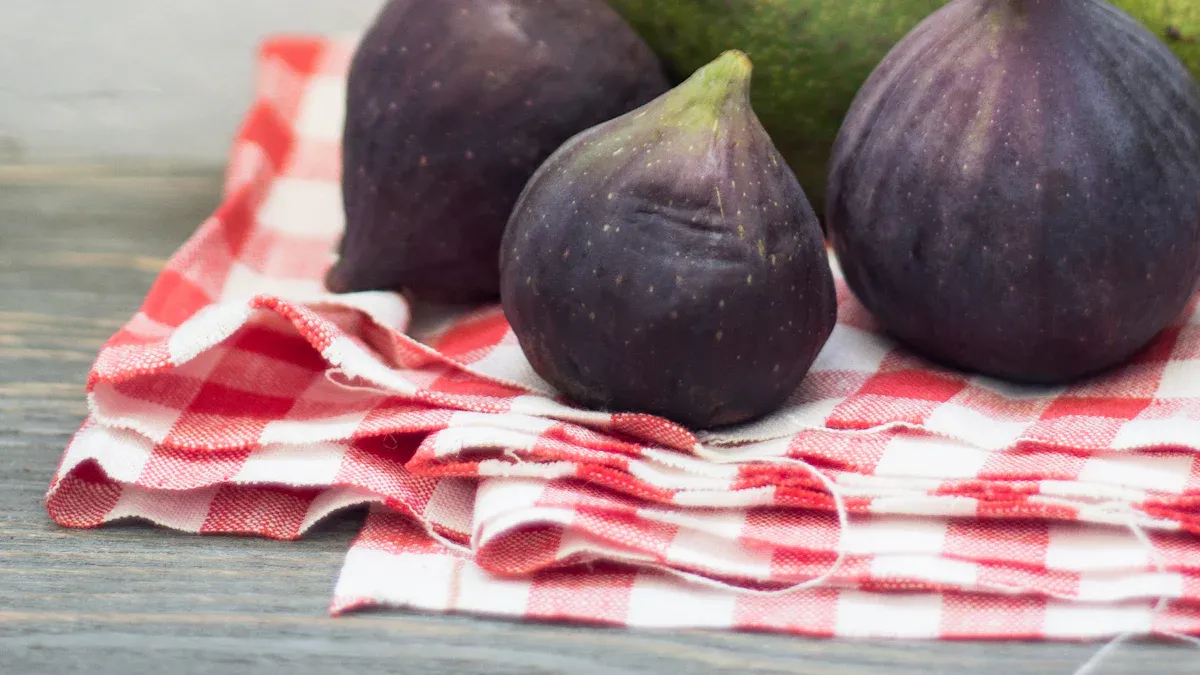
You might not know the surprising diversity of edible fig varieties. There are thousands of distinct cultivars. Growing figs can be a very rewarding experience for you, even if you are a beginner. A perfect fig tree exists for almost any climate. This guide helps you understand the different types of fig trees. It also gives you practical steps for successful growing figs in your home garden. You can enjoy delicious edible figs from your own fig trees.
Key Takeaways
Choose the right fig tree type for your climate. Common figs are best for home gardens. Some figs need wasps to make fruit.
Plant fig trees in a sunny spot. They need well-draining soil. You can grow them in pots if you have little space.
Water your fig tree often. Fertilize it in spring. Prune it twice a year to help it grow well.
Pick figs when they are soft and change color. Watch out for common problems like fruit drop or pests. Take care of your tree to get good fruit.
Understanding Types of Fig Trees
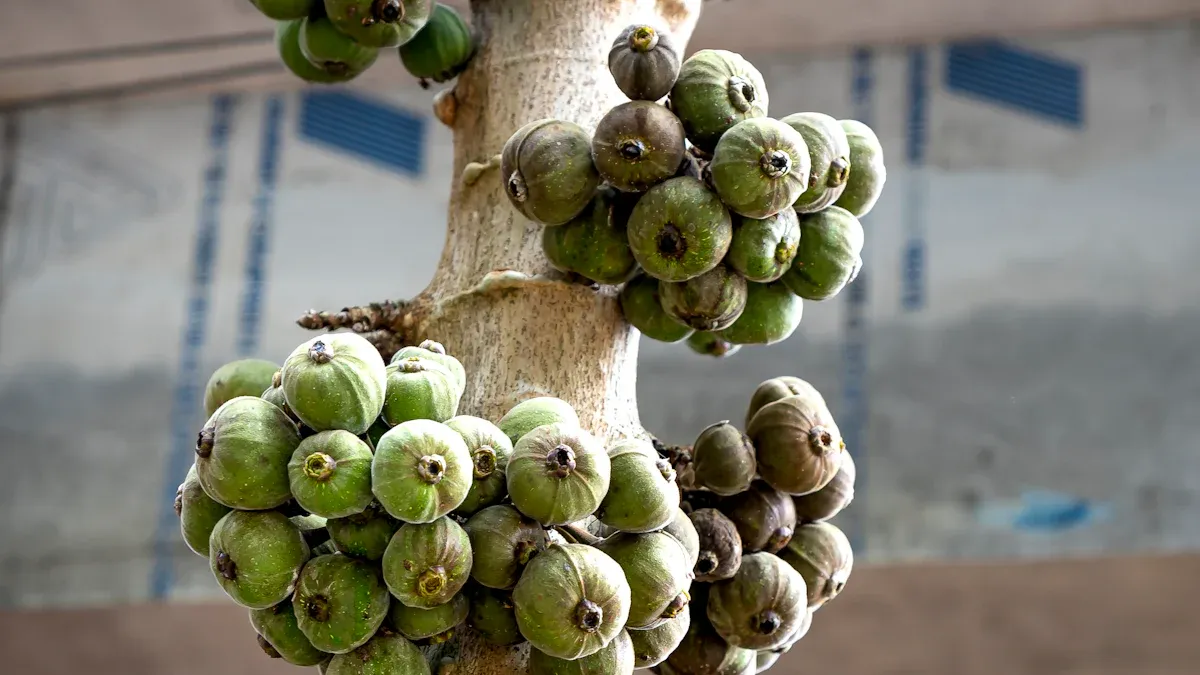
You will find over 700 named fig varieties. Many of these are not suitable for your home garden. We will introduce you to the four main types of fig trees: Caprifigs, Smyrna, San Pedro, and Common. Common fig varieties (Ficus carica) are the most frequently grown for edible figs by home gardeners.
Common Fig Varieties
Common fig varieties are self-pollinating. They produce delicious fruit without needing another fig tree or a fig wasp. You can identify them by their leaf shape, fruit color, and taste. For example, ‘Brown Turkey’ has deeply lobed leaves and brownish-purple fruit. ‘Chicago Hardy’ has broad leaves and purple-brown fruit. ‘LSU Purple’ offers glossy dark purple fruit. These fig tree varieties adapt well to different climates. They show varying cold hardiness and heat tolerance.
Characteristic | Brown Turkey | Chicago Hardy | LSU Purple |
|---|---|---|---|
Growth Habit | Robust, often sprawling, vigorous | Robust, vigorous, dense, shrub-like | N/A |
Leaf Shape | Large, deeply lobed (3-5 lobes), rough, leathery | 3-5 lobed, broad, textured | N/A |
Fruit Size | Medium | Medium | Medium to large |
Fruit Skin Color | Brownish-purple (ripens from green), subtle streaks | Purple-brown when ripe | Glossy dark purple |
Pulp Color | Translucent amber to deep reddish | Reddish-pink | Rich amber/reddish |
Flavor Profile | Mild, consistently sweet, pleasant fig aroma | Sweet and juicy | Excellent sweet flavor with berry notes |
Hardiness Zones | Reliably 7-10, with protection 5-6 | Exceptional; 5-10 (with protection/die-back), reliably 6-7 | Thrives in warm, humid Southern US (8-10) |
Resilience | Impressive tolerance for various conditions, regrows from roots after freeze | Extraordinary cold hardiness, regrows from roots after severe freezes | Excellent disease resistance (humid Southern climates) |
Crop Reliability | Reliable production, breba and main crops | Highly reliable for consistent main crop, fruits on new wood | Consistent and generous yield, good breba potential, reliable main crop |
Smyrna Fig Varieties
Smyrna fig varieties produce excellent quality figs. However, they require a special pollination process. These types of figs need the tiny fig wasp (Blastophaga psenes) to develop fruit. Without this wasp, the fruit will drop before it ripens. This means you can only grow Smyrna figs in areas where the fig wasp naturally lives, like parts of California.
San Pedro Fig Varieties
San Pedro fig varieties offer a unique fruiting habit. They produce two crops of figs each year.
The first crop, called the breba crop, grows on wood from the previous year. It ripens in early summer and does not need pollination.
The second crop, the main crop, grows on new wood. It ripens later in the season. This crop requires pollination by a specific wasp to produce mature fruits.
Caprifig Varieties
Caprifigs are male fig trees. They produce inedible figs. Their main purpose is to host the fig wasp. This wasp is necessary for pollinating other fig trees, especially Smyrna types. Caprifigs contain both male flowers and short-styled female flowers. The fig wasps lay their eggs in these flowers. Pollen from caprifigs is then carried by the wasps to other fig varieties that need pollination.
Choosing Your Edible Fig Variety
Choosing the right edible fig variety is crucial for your success. You need to consider your climate, available space, and taste preferences. Many types of fig trees exist, but not all are suitable for every home garden. This guide helps you pick the best types of figs for you.
Popular Edible Fig Varieties
You will find many popular edible fig varieties. These include ‘LSU Purple’, ‘Black Mission’, ‘Celeste’, ‘Chicago Hardy’, ‘Brown Turkey’, and ‘Ischia’. Each offers unique flavors and growth habits. You can categorize fig flavors into three general profiles: berry, sugar, and honey.
‘LSU Purple’ figs have a maple sugar flavor. They are an “off-sugar fig” with a light, somewhat honey-like pulp. This places them between sugar and honey on the flavor spectrum. You will find a mild honey-like quality in them, without a strong fruit note. ‘Mission’ figs, often called ‘Black Mission’, have a more resinous flavor. They taste aged or like molasses-caramel. Some describe them simply as “figgy.” These are “Resin Berry Figs” or “Bordeaux” types. They have a more intense, sometimes overpowering, resinous taste.
Consider ‘Celeste’ and ‘Brown Turkey’ for reliable production.
Feature | ‘Celeste’ Fig | ‘Brown Turkey’ Fig |
|---|---|---|
Growth Habit | Tight, compact grower; good for containers and small spaces; known for cold tolerance. | Vigorous, large, and productive plant; known for dependable crops and cold hardiness. |
Fruit Size | Medium-sized | Medium-large |
Skin Color | Light brown to violet | Bronze or rich purplish-brown |
Flesh/Pulp Color | Strawberry pink | Amber or light red center |
Ripening Time | Mid-July to mid-August; begins ripening early July. | Small crop (breba) in July; main crop one month later; ripens over a 60-day period. |
Eye | Closed eye | Small-to-medium ostiole |
Best Use | Good fresh or processed; excellent for drying and preserves. | Good fresh or processed. |
Cold-Hardy Fig Varieties
You need to choose cold-hardy fig varieties if you live in colder climates. Growers have developed many fig trees better suited for zones like 5, 6, or 7. These varieties can withstand lower temperatures. They often regrow vigorously from their roots even if the top growth dies back in winter. You might still need winter protection for them.
Some excellent cold-hardy options include:
‘Chicago Hardy’: This fig can withstand temperatures down to -10°F (-23°C) with protection.
‘Celeste’: It tolerates temperatures down to 0°F (-18°C).
‘Brown Turkey’: This fig can survive to 10°F (-12°C) with protection.
‘Violette de Bordeaux’: This fig is frost hardy and suitable for USDA Zones 5-10.
‘Texas Blue Giant’: You can grow this fig in USDA Zones 6-10.
‘White Genoa’: This fig is suitable for USDA Zones 7-9.
Michael McConkey recommends several figs that recover well from top dieback in single-digit Fahrenheit temperatures:
‘Hardy Chicago’
‘Celeste’
‘Osborn Prolific’
‘Brunswick’
‘Everbearer’ (also known as ‘Texas Everbearer’)
‘Verte’
Heat-Tolerant Fig Varieties
You should select heat-tolerant fig trees if you live in regions with long periods of high temperatures and strong sunlight. These varieties perform well in hot, dry conditions. They can handle intense heat and drought.
Consider these options:
Black Mission: This popular fig thrives in intense heat and drought. It has a deep root system.
Kadota: This fig is known for its heat and drought tolerance. It adapts well to hot climates. It needs less frequent watering once established.
Brown Turkey: This fig is resilient to stress. It thrives in intense heat. It tolerates high temperatures and dry conditions without losing fruit production.
Figs for Container Growing
You can grow many figs successfully in containers. This is a great option if you have limited space or live in a cold climate. You can move container plants indoors during winter. Some fig tree varieties are specifically for containers. ‘Fignomenal’ (Zone 8-11) was created for containers and indoor growth. ‘Petit Negra’ or ‘Negri’ (Zone 7-10) stays small and does well in pots.
For optimal soil mixes, consider these recipes:
For Young Fig Trees: Use straight commercial potting soil. This is quick and easy. You can repot frequently until the tree reaches your desired size.
For Mature Fig Trees (Basic Recipe): This mix holds moisture and adds weight to prevent tipping.
1 part garden loam
2 parts soilless potting mix (commercial-grade)
1 part sand
1 tbsp. lime per gallon of mix
1 tbsp. bone meal per gallon of mix
John Innes Soil Mix (Common in the UK):
7 parts sterilized loam
3 parts peat (or peat substitute)
2 parts coarse sand (like ‘builders’ sand)
Plus slow-release fertilizer for container plants
Adriano’s Fig Tree Soil Mix (Fig Mentor’s Recipe):
1 part peat-based potting mix
1 part composted manure (rabbit manure preferred)
1 part compost
Plus added perlite, dolomitic limestone, and vermiculite
Good potting soil needs plenty of air space for roots. Commercial potting soils are often “soilless.” They contain organic matter, aggregates, lime, and sometimes fertilizer. Loam is good for weight and water retention. However, do not use straight loam in pots. It compacts too much and can cause root rot. The best potting mix depends on your watering habits, feeding regimen, tree size, and container type.
Growing Figs: Site and Soil

You can successfully grow fig trees in USDA hardiness zones 5-11 with proper care. Understanding these zones helps you choose where to plant fig trees.
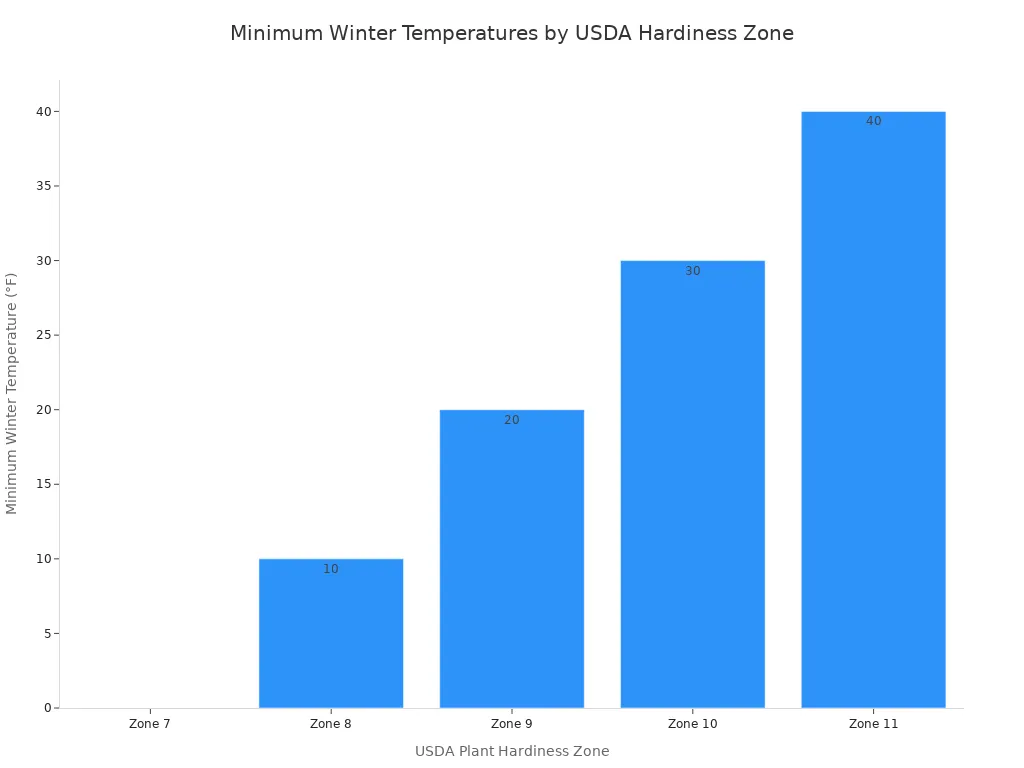
Fig trees thrive in Zones 7, 8, and warmer zones (9, 10, 11). Here, winter temperatures are mild enough for them to stay outdoors. They will have minimal freeze damage. Zone 6 is marginal; figs may die back to the ground. Their roots remain viable. You will need winter protection. In Zone 5 and colder, extensive winter protection or container growing is necessary. This helps you decide where to plant fig trees for the best results.
Ideal Sunlight
Fig trees love the sun. You should choose a spot that gets at least 8 hours of direct sunlight each day. More sun means more fruit. A south-facing wall or a sunny open area works best. This helps the figs ripen fully and develop their best flavor.
Well-Draining Soil
Fig trees need well-draining soil. They do not like wet feet. Standing water can cause root rot. You should ensure your soil drains quickly. If you have heavy clay soil, you can improve it. Mix soil amendments with your existing soil. Use a ratio of 25% to 50% amendments.
Soil conditioner
Compost
Planting mix These additions enhance porosity. They ensure good drainage for your fig trees. This is important for healthy root development.
Optimal Soil pH
The ideal soil pH for a fig tree is a bit debated. Many academic sources suggest figs prefer slightly acidic soils. A pH of around 6.5 is often recommended. However, some fig growers observe healthy, dark green leaves on their fig trees in alkaline soils. One personal account shows a fig tree thriving in alkaline conditions. High pH levels might cause poorly leafed fig plants. You should test your soil. Adjust it if needed to provide the best environment for your figs.
Planting and Propagating Fig Trees
In-Ground Planting
You can successfully plant fig trees in your garden. The best time to plant fig trees is when they are dormant. This is usually in spring. If you live in warm areas, you can plant bare-root trees in fall or early winter. Always plant container-grown plants in spring. When planting, set the fig tree 4 inches deeper than it was in its nursery pot. Dig a hole three times the width of the pot. Ensure the spot gets at least 8 hours of direct sunlight daily. This helps the figs ripen well. Avoid planting near clay sewer pipes or competing plants. Figs prefer slightly acidic soil (pH 5.5-6.5). Mix organic compost into your soil for better drainage and nutrients. For spacing, check the mature width of your chosen varieties. Plan for 2-3 feet of space on all sides. This allows for proper growth and pruning.
Container Planting
You can also grow figs in containers. This is a good choice if you have limited space. First, find a container with plenty of drainage holes. Avoid heavy pots if you need to move them often. Start with a smaller container, like a 5- or 7-gallon size. You can repot into larger ones as your fig tree grows. A wheeled plant stand makes moving easier. After planting, water the tree well. Add a layer of mulch to keep the soil moist. Place your fig tree in a sunny spot. You may need to water daily during hot summer weather. Yellowing leaves can mean you are over-watering.
Propagating From Cuttings
Propagating figs from cuttings is a simple way to get more plants. You can take cuttings from dormant branches in late winter or early spring. Choose healthy branches that are about 6-10 inches long. Make sure each cutting has a few nodes. You can dip the cut end in rooting hormone. Then, plant the cuttings in a well-draining potting mix. Keep the soil moist and warm. New roots will form in a few weeks. This method allows you to expand your collection of fig plants easily.
Ongoing Care for Fig Trees
You need consistent care for fig trees to ensure they produce delicious figs. Proper watering, fertilizing, mulching, and pruning are essential for healthy growing. This guide helps you with caring for fig trees.
Watering Requirements
You must water your fig tree regularly, especially during dry periods. Check the soil. If the top 2 inches feel dry, it is time to water. Established trees need watering every 10-14 days when they produce fruit. This prevents scorched leaves and helps the fruit develop well.
Fertilizing Practices
Fertilizing supports your fig tree’s growth. For young fig trees, enrich the soil with organic fertilizers like composted manure when you transplant them. You can use a balanced fertilizer (like NPK 10-10-10) for growth. Stop fertilizing a few months before winter. For mature trees, fertilize in early spring before new growth appears. Use a balanced fertilizer. Later, use a higher nitrogen fertilizer to encourage green growth. Switch to a higher phosphorus fertilizer as fruiting season approaches. Stop all fertilizing after small figs appear.
Mulching Benefits
Mulching around your fig tree offers many advantages. It protects the roots, which are vital, especially during cold winters. Mulch helps the roots stay alive even if the top branches die back. This minimizes winter damage. It also encourages strong new growth in the spring. You can use straw, shredded leaves, or wood chips for mulch.
Pruning Techniques
You should prune your fig tree twice a year. Prune in late winter or early spring after the last hard frost. This promotes new growth and healthier branches. Retain compact shoots with small fruitlets at their tips for the first crop. If you have long, bare branches, prune them hard (to 2-3 inches) to encourage new growth lower down. In early to mid-summer, pinch out the tips of new shoots after they have five leaves. This encourages more branching. Always wear protective gloves when you prune because the sap can irritate your skin.
Harvesting and Troubleshooting Fig Trees
Harvesting Ripe Figs
You know it is time to harvest your figs when they show specific signs. Look for these indicators to pick your fruit at its peak ripeness.
Indicator Type | Characteristic of Ripe Fig |
|---|---|
Visual | |
Color | Changes from green to brown or purple (for varieties like Brown Turkey, Chicago Hardy, Celeste, LSU Purple). Some varieties (Kadota, LSU Gold) remain greenish. |
Appearance | Hangs in a droopy way on the tree, bending at the stalk. |
Size | Increases in size as it matures. |
Tactile | |
Softness | Soft to the touch when you gently squeeze it. |
You should pick ripe figs carefully. They are delicate.
Common Growing Issues
Sometimes, your fig tree faces challenges not caused by bugs. These common growing issues can affect your harvest.
Anthracnose: This causes soft rot and fruit dropping. You will see sunken, discolored spots and pink spore masses.
Premature Fruit Drop: Natural conditions, spring frosts, or environmental stress like dry weather can cause this.
Souring of Fruit: Yeasts, other fungi, and bacteria cause fermentation. This happens especially during long rainy periods.
Cold Injury: This is a big problem. It can kill or weaken your plant. Buds may shrivel and fail to leaf out.
Nutritional Problems: You will see low vigor, small fruit, and poor fruit production. This often comes from unbalanced soil nutrients.
Curling Leaves: This happens from underwatering or fig rust.
Leaf Spots: Various fungi cause these spots.
Damaged Fruit: Anthracnose, late freezes, or dry weather can damage your fruit.
Sour Fruit: Fermentation by yeasts, fungi, and bacteria, or long wet spells, causes sour fruit.
Pest and Disease Management
You might encounter specific pests or diseases on your fig tree. Here are common problems and how you can manage them.
Pest/Disease | Symptoms | Management Strategies |
|---|---|---|
Fig Rust | Yellowish-orange spots on leaves that enlarge and spread, causing leaf drop. | Consult your County Extension Agent. |
Fig Mosaic | Large yellow spots on leaves with a rust-colored ring. It can cause fruit drop and smaller leaves. | Remove and destroy infested trees. Plant disease-free trees. Consult your County Extension Agent. |
Root Knot Nematodes | Small worms feed on roots. They cause reddish-brown lesions, wilting, browning leaves, and swollen roots. This reduces nutrient absorption. | Plant disease-free trees. Remove and destroy infested trees. Consult your County Extension Agent. |
Anthracnose | Small black, yellow, or brown spots on leaves that enlarge and merge. | Consult your County Extension Agent. |
Scale | Small (1/16”) hard, circular, scaly raised bumps with yellow centers on bark of young twigs and branches, sometimes on fruit. Sap feeding weakens the tree. | Use Safer® Brand Insect Killing Soap. |
Mealybug | ¼” long, flat, oval-shaped adults with white waxy covering. Yellow to orange eggs are in egg sacs. Yellow to brown crawlers contaminate fruit clusters with egg sacs, larvae, adults, and honeydew. This promotes black sooty mold. | Use Safer® Brand Insect Killing Soap. |
You will find immense joy growing your own delicious figs. With the right fig tree and proper care, anyone can succeed. Remember to understand the different fig types. Select the best variety for your climate. Follow essential growing practices for healthy plants. Start your fig-growing journey today. Enjoy the sweet rewards of fresh figs from your garden!
FAQ
How do I choose the right fig variety for my climate?
Focus on cold-hardy types if you live in cooler zones. Consider heat-tolerant varieties for hot regions. You can also choose figs for container planting if space is limited. This helps you select the best fig for your home, making your planting successful.
What is the best way to plant fig trees?
Plant fig trees in a sunny spot with well-draining soil. Dig a wide hole. Set the tree slightly deeper than it was in its nursery pot. Water it well after planting. This ensures a good start for your tree.
How often should I water my fig tree?
Water your fig tree regularly, especially during dry spells. Check the top 2 inches of soil. If it feels dry, water it. Established trees need water every 10-14 days when they produce fruit. This supports healthy growing.
Can I grow figs in containers?
Yes, you can grow figs in containers. Choose a pot with drainage holes. Start with a smaller size and repot as the tree grows. Move container plants indoors during winter in cold climates. This allows you to plant fig trees anywhere.