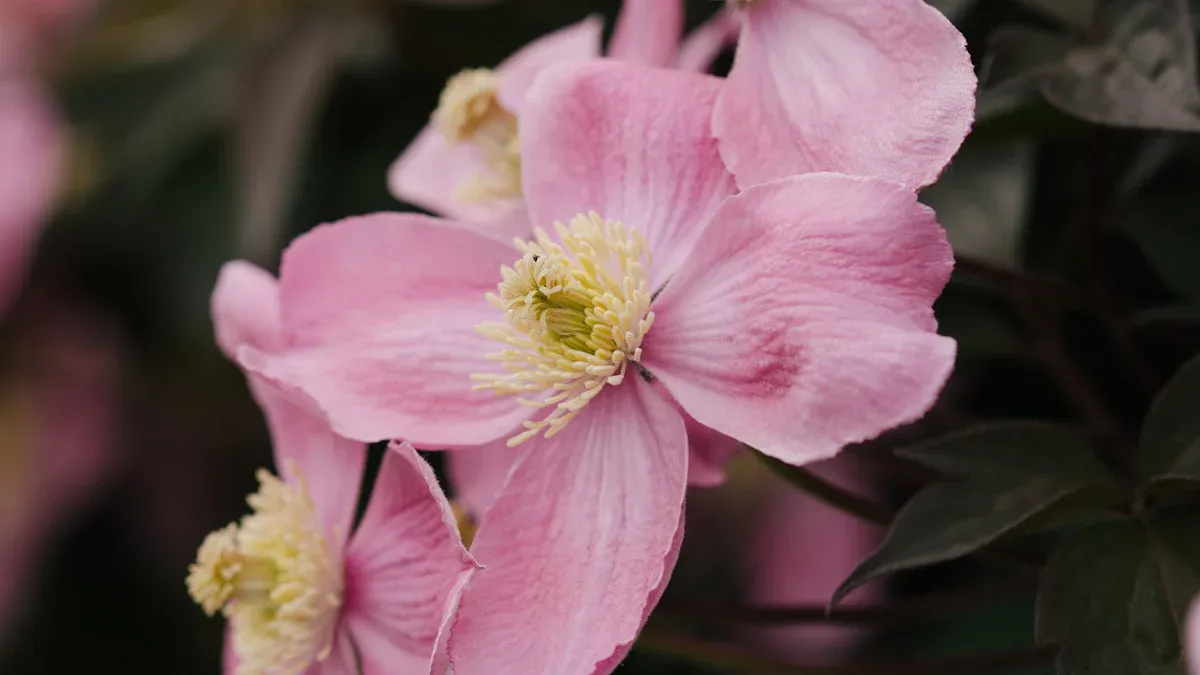
Pruning your Niobe Clematis is crucial for its health and stunning blooms. Many gardeners worry about when to prune and how to do it right. You should aim to trim Niobe Clematis in late winter or early spring. Remember to remove any dead or weak stems and cut back to strong buds. This way, you’ll encourage new growth and vibrant flowers!
Key Takeaways
Prune your Niobe Clematis in late winter or early spring to encourage healthy growth and vibrant blooms.
Use the right tools, like bypass pruners and loppers, to make clean cuts and keep your plant healthy.
After pruning, provide extra care by watering, mulching, and monitoring for pests to ensure your plant thrives.
Pruning Time
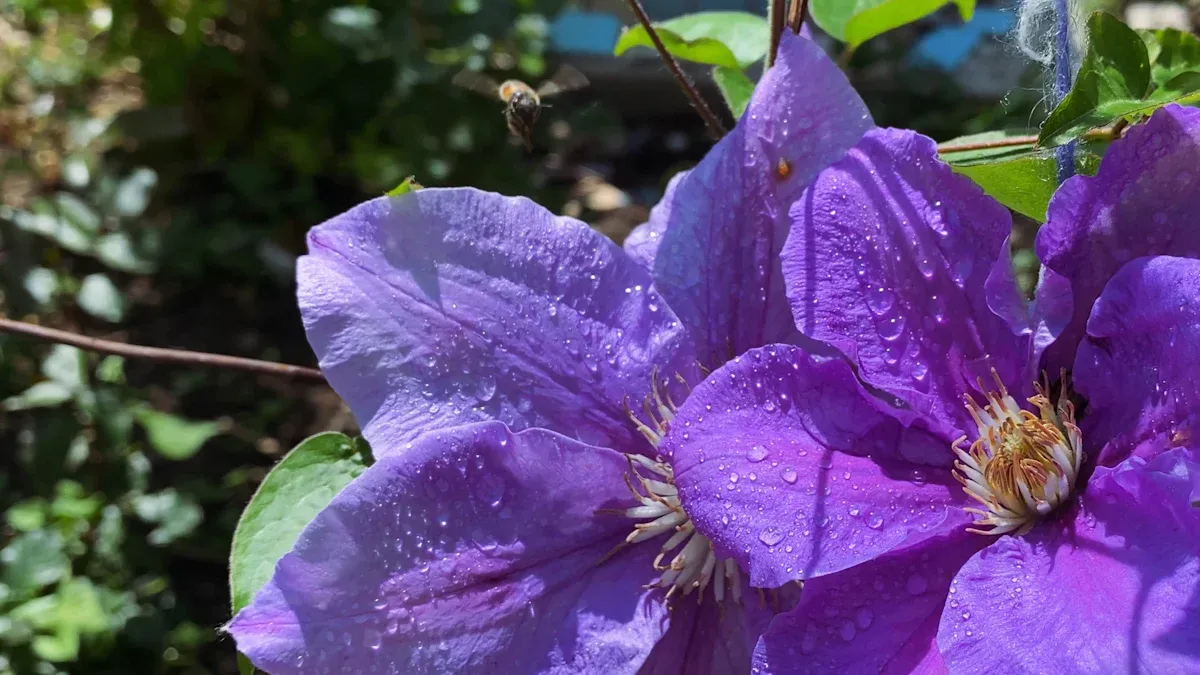
When it comes to pruning your Niobe Clematis, timing is everything! Understanding whether your plant is an early or late bloomer can help you decide when to grab those pruning shears.
Early vs. Late Bloomers
Niobe Clematis falls into the category of late bloomers. This means it typically flowers later in the season, often starting in late spring and continuing into summer. For late bloomers like Niobe, the best time to prune is in late winter or early spring. This timing allows you to remove any dead or weak stems without sacrificing the flower buds that have already formed.
Here’s a quick breakdown of pruning times for different types of clematis:
Pruning Group | Pruning Time |
|---|---|
Group 1 | Mid- to late spring, after flowering |
Group 2 | February and after early summer |
Group 3 | February |
Signs for Pruning
Knowing when to prune is just as important as knowing how. Look for these signs that indicate your Niobe Clematis is ready for a trim:
Remove weak and crossing shoots.
Thin down the plant to maintain a structure of evenly spaced one and two-year-old stems.
Cut each stem just above a pair of healthy buds.
If you notice the plant becoming bare at the base, it’s time to prune.
In early spring, you should also focus on removing dead or damaged stems. This encourages new growth and helps improve airflow, which is essential for healthy flowering.
Here’s a summary of the physiological effects of pruning at different times:
Pruning Time | Effects on Niobe Clematis |
|---|---|
Late Winter | Risk of removing flower buds that have already formed. |
Early Spring | Allows for removal of dead stems and shaping without affecting flowering potential. |
By pruning in February or March, you set your Niobe Clematis up for success. You’ll promote healthy blooms and ensure that your plant thrives throughout the growing season.
Tools to Trim Niobe Clematis
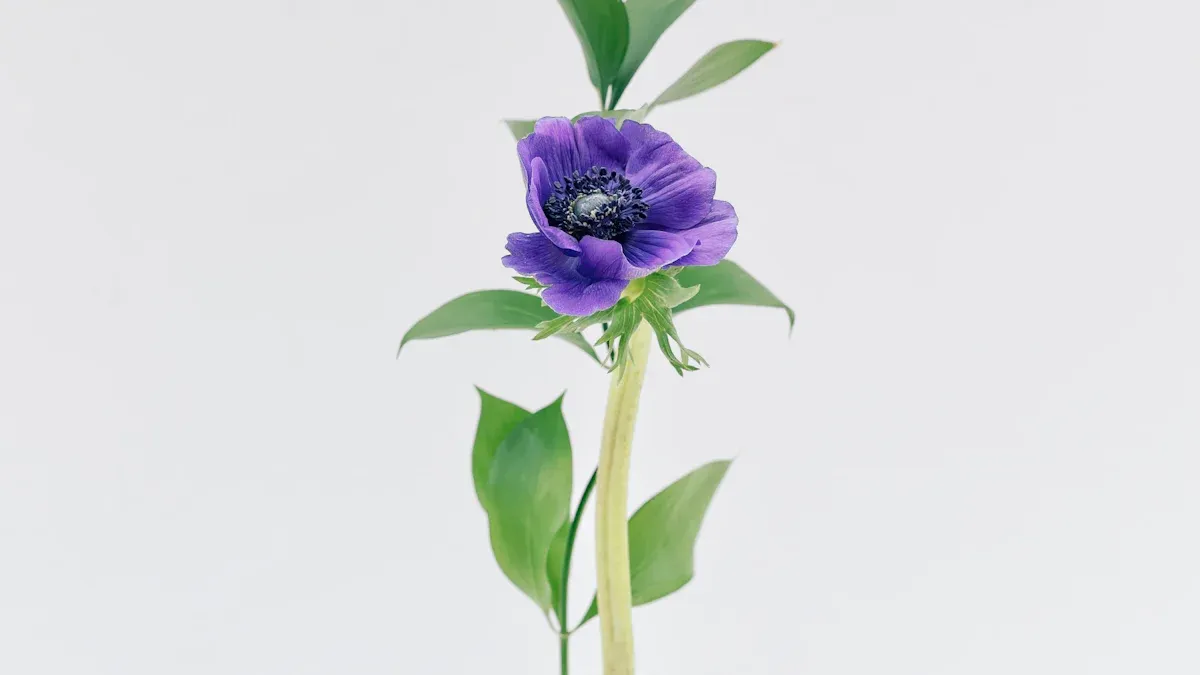
When you decide to trim Niobe Clematis, having the right tools makes all the difference. Using the best equipment not only helps you achieve a clean cut but also keeps your plant healthy. Here’s a look at the essential tools you’ll need for the job.
Essential Pruning Tools
Bypass Pruners: These are a must-have for any gardener. They feature an ergonomic grip, which reduces strain on your hands during garden cleanup. They allow for precise cuts, making them perfect for trimming Niobe Clematis.
Loppers: If you have thicker stems to cut, loppers are your best friend. They provide extra leverage and can handle larger branches with ease.
Hand Saw: For any stubborn branches that are too thick for pruners or loppers, a hand saw will do the trick. It’s great for making clean cuts without damaging the plant.
Garden Gloves: Protect your hands from thorns and sharp edges while you work. A good pair of gloves will keep you safe and comfortable.
Using the right tool is essential for pruning clematis. Experts have tested various secateurs and found that quality tools can make your pruning experience much smoother.
Safety Gear
Safety should always come first when you’re working in the garden. Here are some essential safety gear items to consider:
Gloves: Always wear gloves to protect your hands from cuts and scrapes.
Safety Glasses: Protect your eyes from debris that may fly up while you’re cutting.
Long Sleeves: Wearing long sleeves can help shield your arms from thorny branches.
By taking these precautions, you can enjoy a safe and effective pruning session. Remember, trimming Niobe Clematis not only enhances its beauty but also promotes its overall health.
Pruning Techniques
Step-by-Step Guide
Trimming your Niobe Clematis can seem daunting, but following a simple step-by-step process makes it manageable. Here’s how to do it:
Gather Your Tools: Before you start, make sure you have your bypass pruners, loppers, and gloves ready. Having everything at hand will make the process smoother.
Inspect the Plant: Look for any dead or damaged stems. These are the first candidates for removal. You want to promote healthy growth, so focus on cutting back to strong buds.
Lightly Thin the Stems: In early spring, before new growth begins, gently thin out and disentangle the stems. This helps improve air circulation and prepares the plant for a more vigorous bloom.
Make Your Cuts: Cut each stem just above a pair of healthy buds. For Niobe, which is a Group 2 clematis, this means you can prune back to strong buds. This technique encourages new growth and vibrant flowers later in the season.
Remove Old Blooms: After the first flush of blooms fades, it’s time to prune again. Severely shorten the stems that bore those flowers. This not only tidies up the plant but also encourages more blooms to form.
Dispose of Pruned Material: Proper disposal of pruned material is crucial to prevent disease spread. You can choose methods like burning, bagging, or chipping, depending on the type of material you have.
Tip: Avoid common mistakes like pruning too early or too late. If you cut back too soon, you risk losing spring flowers. If you wait too long, you might miss out on summer blooms.
Post-Pruning Care
After you’ve trimmed your Niobe Clematis, it’s essential to give it some extra care to ensure it thrives:
Watering: Ensure your plant gets enough water, especially after pruning. This helps it recover and encourages new growth.
Mulching: Apply a layer of mulch around the base of the plant. This helps retain moisture and suppress weeds.
Monitoring for Pests and Diseases: Keep an eye out for common issues like powdery mildew or leaf spot. Regular pruning improves air circulation, which can help prevent these problems.
Disease | Prevention Method |
|---|---|
Powdery Mildew | Regular pruning for air circulation and avoiding overhead watering. |
Leaf Spot | Prune to increase air circulation and avoid prolonged moisture on leaves. |
Rust | Increase air circulation and water at the base of the plant. |
Root Rot | Ensure well-draining soil and avoid overwatering. |
Clematis Wilt | Provide proper support and monitor for damage to prevent stem wounds. |
By following these steps and caring for your plant post-pruning, you’ll set your Niobe Clematis up for a beautiful blooming season. Remember, proper pruning techniques not only enhance the beauty of your plant but also promote its overall health.
Pruning your Niobe Clematis correctly is vital for its health and blooms. Remember, late winter or early spring is the best time to prune. By following proper techniques, you’ll enjoy more flowers and a healthier plant. 🌼 So grab those shears and get started for a thriving garden!
Pruning Technique | Benefit |
|---|---|
Initial planting pruning | Increases the number of canes |
Hard pruning in late winter | Produces flowers later in summer |
Selective hard pruning | Preserves early blossoms while promoting new growth |
FAQ
What should I do if my Niobe Clematis isn’t blooming?
Check for proper pruning, sunlight, and watering. Ensure you prune in late winter or early spring for optimal blooms.
How often should I prune my Niobe Clematis?
You should prune once a year, ideally in late winter or early spring, to promote healthy growth and flowering.
Can I prune my Niobe Clematis in the fall?
Avoid fall pruning. It can remove flower buds and expose the plant to winter damage. Stick to late winter or early spring instead.