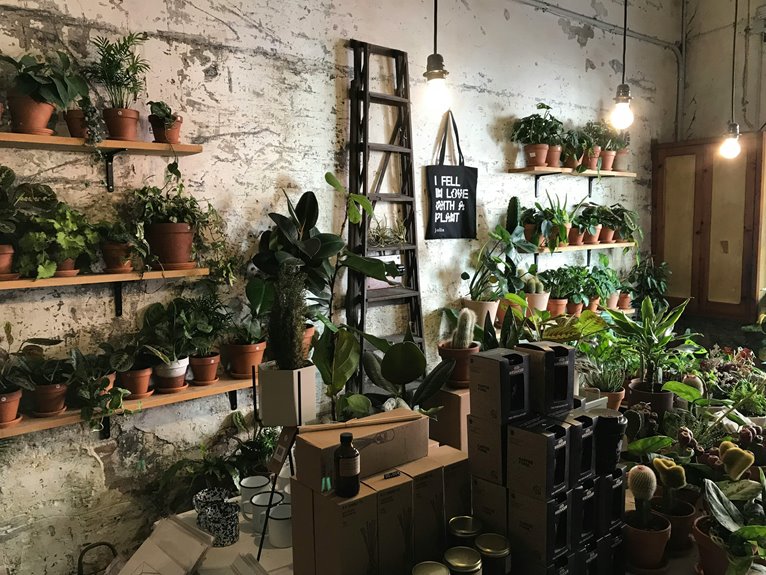

Trimming your Devil’s Ivy is essential for keeping it healthy and looking its best. Regularly trimming Devil’s Ivy helps promote growth, encourages fuller foliage, and prevents the plant from becoming leggy. Plus, a well-trimmed Devil’s Ivy simply looks more appealing in your space. So, if you want to maintain that lush green appearance, you’ll want to learn the right techniques and timing for trimming Devil’s Ivy.
Key Takeaways
Regularly prune your Devil’s Ivy to promote healthy growth and a fuller appearance.
Use clean, sharp pruning shears to make precise cuts and avoid damaging the plant.
Trim during spring or early summer for the best recovery and growth results.
Monitor your plant for signs of distress, like yellowing leaves, to address issues early.
Water and fertilize appropriately after pruning to support your plant’s health.
Why Prune?
Pruning your Devil’s Ivy is more than just a chore; it’s a vital step in keeping your plant healthy and beautiful. Here are some key benefits of trimming:
Promotes Healthy Growth: Regular pruning encourages new growth. When you trim away old or dead leaves, the plant can focus its energy on producing fresh, vibrant foliage. This leads to a fuller, more lush appearance.
Enhances Aesthetics: A well-trimmed Devil’s Ivy looks stunning in any indoor space. By removing leggy vines, you enhance the plant’s fullness, making it visually appealing. Plus, getting rid of dead leaves prevents a cluttered look, allowing the plant to shine.
Improves Air Quality: Pruning helps maintain the health of your plant. When you regularly clean the leaves, you remove dust and debris. This not only brightens the leaves but also allows the plant to breathe better. Remember, avoiding oils or polishes is crucial, as they can hinder the plant’s ability to absorb light.
Prevents Pests and Diseases: Keeping your plant trimmed helps prevent pests and diseases. Dead or decaying leaves can attract unwanted insects. By trimming these away, you create a healthier environment for your Devil’s Ivy.
Tip: Wipe the leaves with a moist cloth while cleaning. This keeps them looking fresh and prevents damage. Supporting the leaves during cleaning ensures they remain healthy and attractive.
Tools to Trim Devil’s Ivy
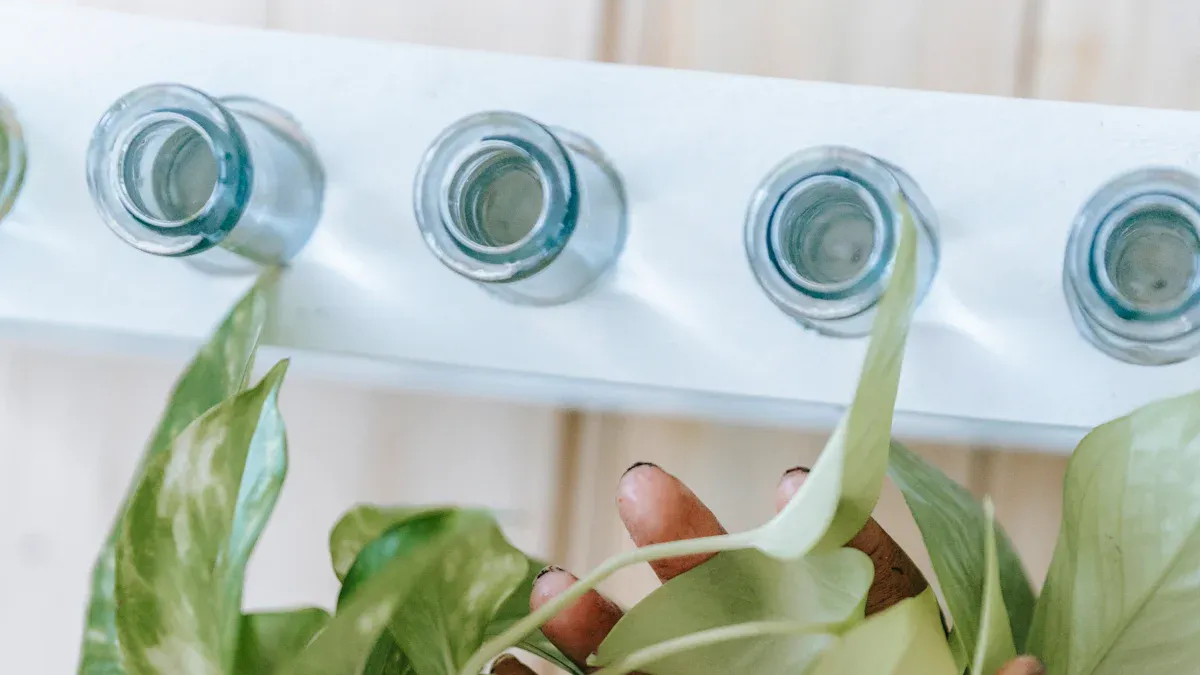
When it comes to trimming your Devil’s Ivy, having the right tools makes all the difference. Here’s a breakdown of what you’ll need to get started.
Essential Pruning Tools
Pruning Shears: A good pair of pruning shears is a must. They help you make clean cuts, which is crucial for the plant’s health. Clean cuts promote bushier growth and prevent damage to the stems.
Gloves: Protect your hands with a sturdy pair of gardening gloves. They keep your hands safe from sharp leaves and any potential irritants.
Water Spray Bottle: Keeping your plant hydrated is important. A spray bottle helps you mist the leaves before and after trimming, which can reduce stress on the plant.
Cleaning Cloth: Use a soft cloth to wipe down the leaves. This helps remove dust and allows your plant to absorb more light.
Tip: Always use sterile tools when you trim Devil’s Ivy. This practice helps avoid spreading diseases and keeps your plant healthy.
Optional Tools for Care
While the essentials will get you started, a few optional tools can enhance your trimming experience:
Garden Trowel: If you plan to repot or propagate cuttings, a trowel can be handy for digging and transferring soil.
Plant Labels: If you take cuttings to propagate, labeling them can help you keep track of different varieties or care instructions.
Fertilizer: After trimming, consider using a balanced fertilizer to encourage new growth. This can give your plant a boost and help it thrive.
Using the right tools not only makes the job easier but also ensures that your Devil’s Ivy stays healthy and vibrant. So, gather your tools and get ready to trim Devil’s Ivy like a pro!
When to Trim Devil’s Ivy
Best Seasons for Pruning
Timing is everything when it comes to trimming your Devil’s Ivy. The best seasons for pruning are typically spring and early summer. During these times, the plant is actively growing, which means it can recover quickly from any cuts you make. Here’s a quick overview:
Spring: As the days get longer and temperatures rise, your Devil’s Ivy will start to show signs of new growth. This is the perfect time to trim, as it encourages bushier foliage.
Early Summer: By this time, your plant has established its growth for the year. Trimming now helps maintain its shape and prevents it from becoming too leggy.
Tip: Avoid pruning in late fall or winter. During these seasons, the plant is in a dormant state, and cutting it back can stress it out.
Signs That It’s Time to Trim
Knowing when to trim Devil’s Ivy is just as important as knowing how. Here are some signs that indicate it’s time for a trim:
Leggy Growth: If you notice long, straggly vines, it’s time to give them a cut. This helps promote a fuller appearance.
Yellowing Leaves: Lower yellow leaves may indicate that the plant is focusing on new growth. This is a normal part of its growth cycle, but trimming these leaves can help redirect energy to healthier parts of the plant.
Overcrowding: If your plant looks crowded or bushy, it’s a good idea to trim back some of the excess foliage. This allows for better air circulation and light penetration.
Pest Infestation: If you spot any pests or signs of disease, trimming away affected areas can help protect the rest of the plant.
Quote: “Cut back the stems if they are growing too long or straggly.” This simple guideline can help you maintain the health and appearance of your Devil’s Ivy.
By keeping an eye out for these signs, you can ensure that your Devil’s Ivy remains healthy and vibrant. Regular trimming not only enhances its beauty but also supports its overall growth.
Trimming Steps
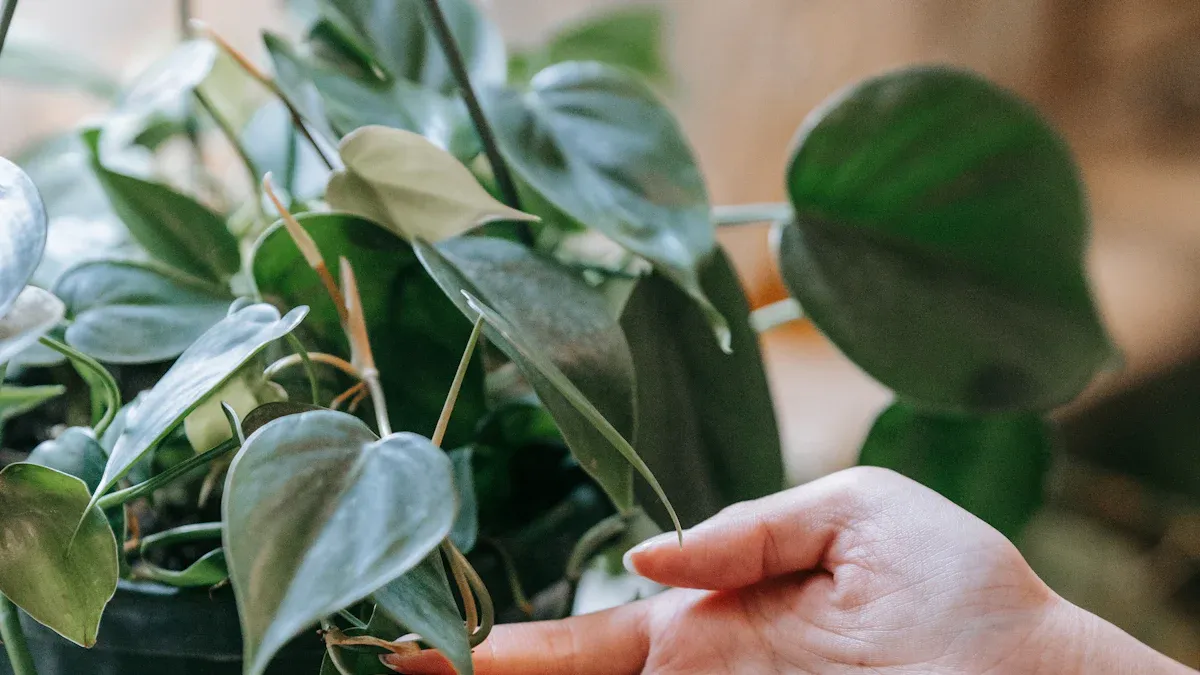
Step-by-Step Pruning Process
Trimming your Devil’s Ivy doesn’t have to be complicated. Follow these simple steps to ensure you do it right:
Prepare Your Tools: Gather your pruning shears, gloves, and a cleaning cloth. Make sure your tools are clean and sharp. Disinfect them with rubbing alcohol to prevent spreading any diseases.
Inspect the Plant: Take a good look at your Devil’s Ivy. Identify any wilted, dead, or yellowing leaves. These are the first candidates for removal.
Start Pruning: Begin by cutting away any unhealthy leaves. Focus on the straggly branches that detract from the plant’s appearance. Aim to remove no more than one-third of the plant at once to avoid shocking it.
Cut at Leaf Nodes: When you trim, make your cuts directly at the leaf nodes. This encourages bushier growth. If you notice long, leggy vines, cut them back by up to two-thirds. This will help the plant become fuller and more vibrant.
Clean Up: After you finish trimming, wipe down the leaves with a damp cloth. This removes dust and helps the plant absorb more light.
Tip: Always wear gloves when handling Devil’s Ivy. The plant can be toxic, so it’s better to be safe!
Techniques for Shaping and Maintenance
To keep your Devil’s Ivy looking its best, consider these techniques:
Encourage Branching: Cutting back leggy growth promotes branching. This makes your plant look fuller and healthier.
Regular Maintenance: Make pruning a regular part of your plant care routine. Check for dead leaves or overcrowded areas every few weeks. This keeps your plant thriving.
Propagation: Healthy stems can be propagated to create new plants. If you have extra cuttings, place them in water or soil to grow new roots.
By following these steps and techniques, you’ll ensure your Devil’s Ivy remains lush and beautiful. Regular trimming not only enhances its appearance but also supports its overall health.
Post-Pruning Care
After you trim Devil’s Ivy, giving it some extra care can really help it thrive. Here are some essential tips for watering, fertilizing, and monitoring growth.
Watering and Fertilizing
Watering your Devil’s Ivy properly after pruning is crucial. You want to keep the soil moist but not soggy. A good rule of thumb is to give your plant about 0.5 cups of water every 9 days. This routine helps the plant recover from the stress of pruning while ensuring it stays hydrated.
When it comes to fertilizing, timing is key. You should consider repotting your Devil’s Ivy after it doubles in size or at least once a year. This gives the plant fresh nutrients and space to grow. Using a balanced fertilizer during the growing season can also boost its health and vitality.
Tip: Always check the soil moisture before watering. If the top inch feels dry, it’s time to water!
Monitoring Growth
Keep an eye on your Devil’s Ivy after pruning. Look for signs of new growth, which indicates that your plant is responding well to the trim. Healthy leaves should start to sprout within a few weeks. If you notice any yellowing or wilting, it might be a sign of overwatering or insufficient light.
Regularly inspect the plant for pests or diseases. Early detection can save your plant from serious issues. If you spot any problems, address them immediately by trimming affected areas or adjusting care routines.
By following these post-pruning care tips, you’ll help your Devil’s Ivy flourish and maintain its beautiful appearance. Remember, a little attention goes a long way in keeping your plant healthy!
Common Mistakes
When it comes to trimming your Devil’s Ivy, avoiding common mistakes can make a big difference in your plant’s health. Here are two frequent errors you should watch out for:
Over-Pruning
One of the biggest mistakes you can make is over-pruning your Devil’s Ivy. Cutting too much at once can shock the plant and hinder its growth. Aim to remove no more than one-third of the plant during a single session. This way, you allow the plant to recover and thrive. Here are some tips to help you avoid over-pruning:
Prune in spring or summer for optimal health.
Use sharp scissors or shears to ensure clean cuts.
Trim yellow or brown leaves and overgrown stems to maintain plant vitality.
Cutting stem tips encourages bushier growth.
By following these guidelines, you can keep your plant looking full and healthy without stressing it out.
Ignoring Plant Health Signs
Another mistake is ignoring the signs your plant gives you. Your Devil’s Ivy communicates its needs through its leaves and stems. If you notice yellowing leaves or wilting, it’s time to take action. Regularly monitor your plant for signs of distress. Here’s what you can do:
Adjust care routines as necessary to prevent issues.
Recognize potential problems early to take proactive measures.
By staying attentive to your plant’s health, you can catch problems before they escalate. Remember, a little observation goes a long way in keeping your Devil’s Ivy thriving!
Avoiding these common mistakes will help you maintain a beautiful and healthy Devil’s Ivy. Happy pruning!
In summary, trimming your Devil’s Ivy is crucial for its health and beauty. Remember these key points:
Prune regularly to encourage bushier growth and maintain a clean appearance.
Water consistently to prevent dehydration and support healthy growth.
Fertilize appropriately with compost or organic fertilizers to boost foliage.
By following these tips, you’ll help your plant thrive. So grab those pruning shears and start shaping your Devil’s Ivy today! 🌱 Happy gardening!
FAQ
How often should I prune my Devil’s Ivy?
You should prune your Devil’s Ivy every few months, ideally in spring or early summer. Regular trimming helps promote healthy growth and keeps your plant looking full and vibrant.
Can I propagate Devil’s Ivy from cuttings?
Absolutely! You can propagate Devil’s Ivy by taking cuttings from healthy stems. Place the cuttings in water or soil, and they’ll develop roots in a few weeks.
What should I do if my Devil’s Ivy has pests?
If you spot pests, trim away affected leaves and stems. Then, treat the plant with insecticidal soap or neem oil to eliminate the pests. Regularly check for signs of infestation.
Why are my Devil’s Ivy leaves turning yellow?
Yellowing leaves often indicate overwatering or insufficient light. Check the soil moisture and adjust your watering schedule. Ensure your plant gets enough indirect sunlight to thrive.
Is Devil’s Ivy toxic to pets?
Yes, Devil’s Ivy is toxic to pets if ingested. Keep it out of reach of curious cats and dogs. If your pet consumes any part of the plant, contact your veterinarian immediately.