
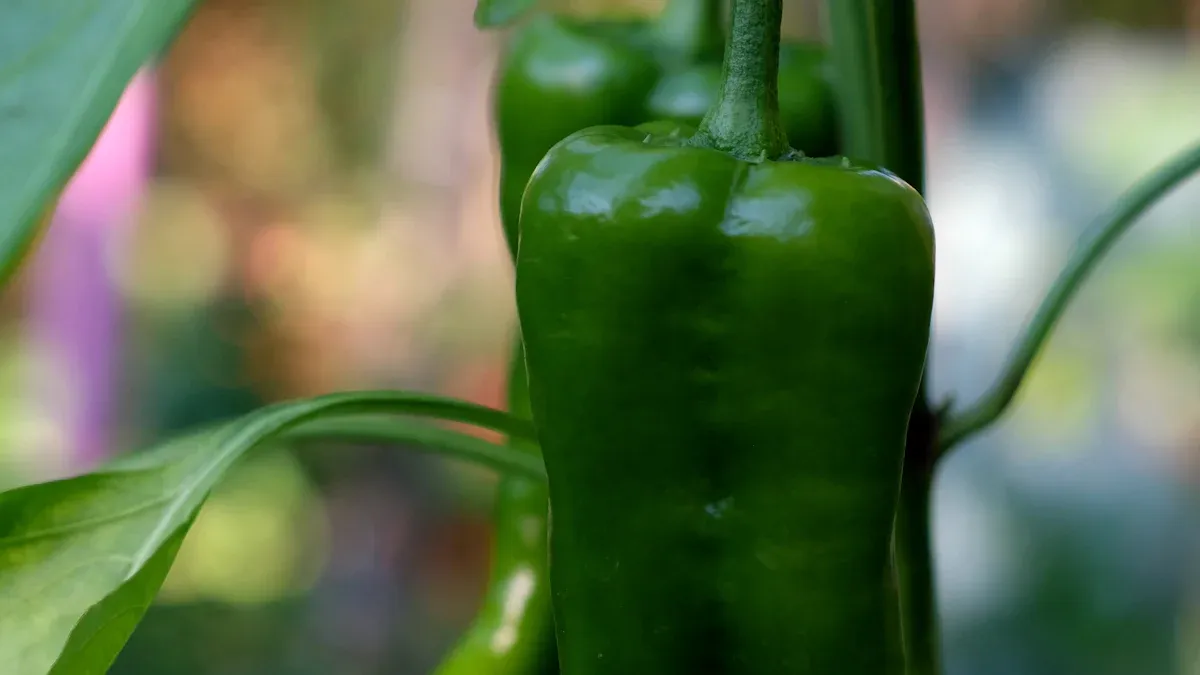
Growing a Thai pepper plant can be a delightful experience! These vibrant plants not only add spice to your meals but also bring a touch of beauty to your garden. To keep your Thai pepper plant healthy, it’s crucial to understand how to care for its roots and stems. Healthy roots and sturdy stems are essential for thriving plants. So, let’s dive into some simple tips to help you nurture your Thai pepper plant!
Key Takeaways
Choose well-draining soil with a pH between 6.0 and 6.8 to promote healthy root growth.
Water your Thai pepper plants deeply every 2 to 3 days, adjusting for weather conditions to prevent overwatering.
Prune your plants regularly to remove dead leaves and encourage bushier growth for better fruit production.
Support your plant stems with stakes or skewers to prevent breakage and improve airflow around the plants.
Monitor for pests and signs of distress, like yellowing leaves, to address issues early and keep your plants thriving.
Thai Pepper Plant Root Care
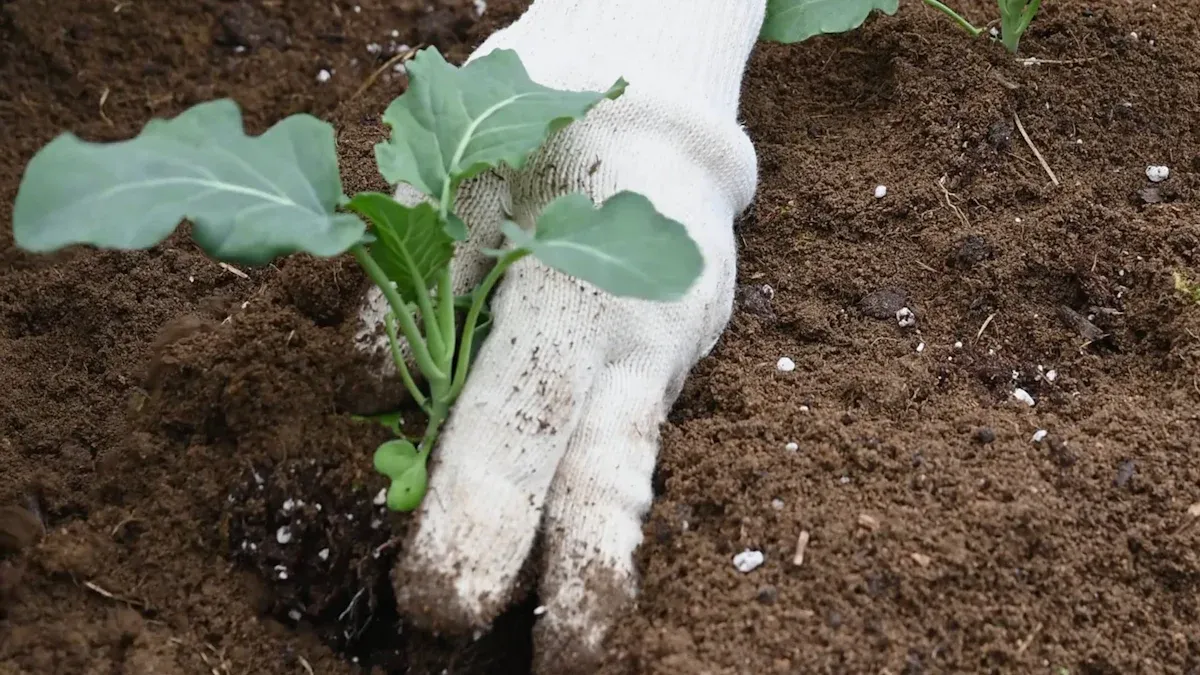
Taking care of your Thai pepper plant’s roots is vital for its overall health and productivity. Healthy roots absorb nutrients and water, supporting the plant’s growth and fruit production. Here are some essential tips to ensure your Thai pepper plant thrives.
Soil Requirements
The right soil can make all the difference for your Thai pepper plant. Here are some key factors to consider:
Soil pH: Aim for a neutral pH between 6.0 and 6.8. This range helps your plant absorb nutrients effectively. Most experts agree that a pH of 5.5 to 6.5 is ideal for peppers.
Soil Type: Choose soil that provides good drainage. Here are some excellent options:
Sand: Great for improving drainage, especially in clay-heavy soils.
Topsoil: A natural choice that works well in raised beds.
Perlite: Lightweight and drains well while retaining moisture.
Vermiculite: Similar to perlite, it helps with drainage and moisture retention.
Sandy Loam: This mix of sand and silt with minimal clay is perfect for most pepper plants.
Soil Compaction and Drainage: Ensure your soil isn’t compacted. Compacted soil can lead to root rot, which is detrimental to your plant’s health.
Here’s a quick reference table summarizing the factors influencing root health:
Factor | Description |
|---|---|
Varietal Susceptibility | Different pepper varieties may have varying resistance to root diseases. |
Irrigation | The amount and frequency of watering can affect root health significantly. |
Soil Compaction and Drainage | Proper soil structure is crucial for preventing root rot and ensuring health. |
Crop Rotation | Rotating crops can help manage soil health and reduce disease incidence. |
Clean Transplants | Using disease-free plants can prevent the introduction of pathogens. |
Watering Tips
Watering your Thai pepper plant correctly is just as important as choosing the right soil. Here are some tips to keep in mind:
Frequency: Generally, your pepper plants need about 1 to 2 inches of water weekly. It’s better to water deeply a few times a week than to give them light water every day.
Signs of Dry Soil: Check the top inch of soil. If it’s dry, it’s time to water.
Adjusting for Conditions: During hot weather, you might need to water daily, especially for potted plants.
Watering Technique: A good rule of thumb is to water deeply once or twice a week. However, adjust based on your soil type—sandy soils may need more frequent watering, while clay soils retain moisture longer.
Be cautious of overwatering. Here are some signs that you might be giving your Thai pepper plant too much water:
Wilted Leaves: This can often be mistaken for underwatering but usually indicates overwatering.
Insufficient Drainage: Excess water can prevent roots from accessing nutrients.
Stunted Growth: Overwatering can lead to nutrient decline, causing slow or halted growth.
Curled Leaves: This happens when roots can’t access enough oxygen due to overly moist soil.
By following these soil and watering tips, you’ll set your Thai pepper plant up for success, ensuring it has the strong roots needed for vibrant growth and bountiful harvests.
Thai Pepper Plant Stem Care
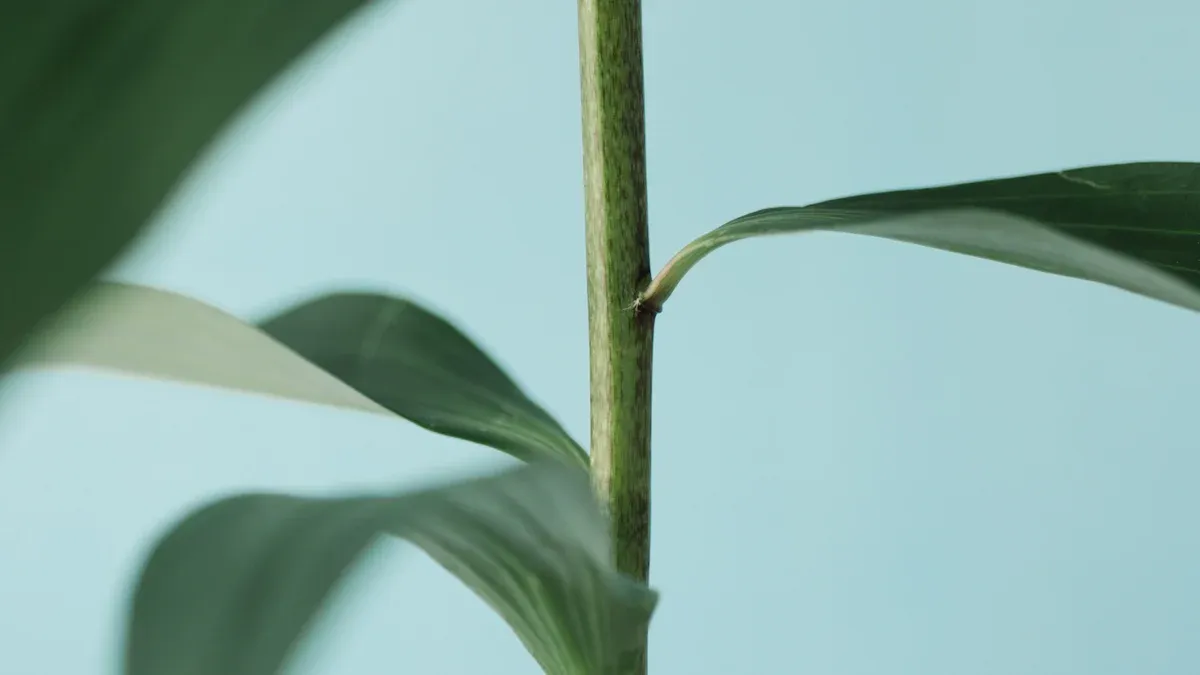
Taking care of your Thai pepper plant’s stems is just as important as nurturing its roots. Healthy stems support the plant’s structure and help it produce more fruit. Here are some essential tips for maintaining strong stems through proper pruning and support techniques.
Pruning Techniques
Pruning your Thai pepper plant can lead to healthier growth and better yields. Here are some effective pruning techniques you should consider:
Prune Peripheral Branches: This makes harvesting easier and encourages the plant to focus its energy on producing fruit.
Remove Early Flowers: By cutting off early blossoms, you allow the roots to establish themselves better before the plant starts fruiting.
Focus on Health: Regularly check for dead or diseased leaves and remove them to keep your plant healthy.
Prune for Aesthetics: A well-shaped plant not only looks good but also promotes better air circulation.
When should you prune? Here’s a quick guide:
Early Season: Prune the growing tip when your plants reach 6-8 inches tall. This encourages bushier growth.
Throughout the Season: Keep an eye on branches and remove any dead or diseased leaves.
Late Season: About two to four weeks before the first frost, prune to help the remaining peppers ripen.
By following these pruning techniques, you can help your Thai pepper plant thrive and produce a bountiful harvest.
Supporting Stems
Supporting your Thai pepper plant stems is crucial for preventing breakage and ensuring healthy fruit production. Here are some effective support methods:
Support Method | Description |
|---|---|
Skewers | Lightweight, sturdy skewers work well for young plants. Just be careful not to damage the roots. |
Traditional Stakes | Straight, pointed stakes made of wood, bamboo, or metal are easy to find at garden centers. |
Metal Stakes | Plastic-coated metal stakes are great for larger plants and come in various sizes. |
Fallen Tree Branches | A rustic option, using straight, fallen branches can provide strong support if they’re sturdy enough. |
Why is stem support so important? Here are a few reasons:
Supporting your Thai pepper plants helps prevent breakage during windy conditions.
It improves airflow around the plants, reducing the risk of disease.
With proper support, your plants can focus more energy on developing fruit instead of maintaining their structure.
By implementing these pruning and support techniques, you’ll ensure that your Thai pepper plant remains healthy and productive throughout its growing season.
Common Issues with Thai Pepper Plants
Growing Thai pepper plants can be rewarding, but you might encounter some common issues along the way. Understanding these problems and how to tackle them will help you keep your plants healthy and productive.
Root Rot
Root rot is a serious issue that can affect your Thai pepper plants. It often occurs due to overwatering or poorly draining soil. The main culprit is a fungus-like microorganism called Phytophthora capsici, which thrives in warm, moist conditions (75°F to 91°F). Here’s how to spot and prevent root rot:
Symptoms: Look for wilting leaves, yellowing foliage, and stunted growth. If you notice these signs, check the roots. They may appear brown and mushy.
Prevention: Ensure your soil drains well. Use pots with drainage holes and avoid watering too frequently.
Cause | Description |
|---|---|
Phytophthora capsici | A fungus-like microorganism that causes root rot in pepper plants. |
Pest Infestations
Pests can also pose a threat to your Thai pepper plants. Here are some common pests you might encounter:
Aphids
Hornworms
Spider Mites
Pepper Weevils
These pests can damage your plants by feeding on leaves and stems. To manage these pests effectively, consider these strategies:
Cultural Controls: Keep your garden clean. Remove weeds and debris that can harbor pests.
Mechanical Controls: Handpick larger pests like hornworms. You can also use insect traps to catch flying insects.
Chemical Controls: If infestations become severe, consider using insecticidal soap or neem oil. Always follow the instructions on the label.
Tip: Regularly inspect your plants for signs of pests. Early detection can save your plants from significant damage.
By staying vigilant and implementing these strategies, you can protect your Thai pepper plants from root rot and pest infestations, ensuring they thrive in your garden!
Seasonal Care for Thai Pepper Plants
Caring for your Thai pepper plants throughout the seasons is key to their health and productivity. Each season brings unique challenges and opportunities for growth. Here’s how you can adjust your care routine for spring, summer, fall, and winter.
Spring and Summer Care
Spring and summer are the prime growing seasons for Thai pepper plants. Here are some tips to help your plants thrive during these warmer months:
Planting Time: Start your seeds indoors 8 to 10 weeks before the last frost. Once the seedlings develop true leaves, transplant them into larger containers. Space them 18 to 24 inches apart in rich, slightly acidic soil.
Temperature Needs: Thai peppers love warmth! They thrive when soil temperatures exceed 60°F. For germination, aim for around 75°F, especially if you’re using a seed heat mat.
Watering: Water your plants deeply every 2 to 3 days. Be careful not to overwater, especially once the fruit starts developing.
Fertilization: Use an NPK 5-10-10 fertilizer to promote healthy growth. Ensure your plants get enough calcium for strong cell walls.
Sunlight: Thai Dragon Peppers require full sun exposure for optimal growth. In hot climates, provide some afternoon shade to prevent leaf scorch. In cooler areas, maximize sun exposure to help your plants flourish.
Fall and Winter Preparations
As the seasons change, it’s time to prepare your Thai pepper plants for the cooler months. Here’s what you should do:
Soil Preparation: Mix fresh soil with water until it feels like a wrung-out sponge. Add 1-2 inches of this soil to your pot for a comfortable base.
Harvest and Prune: Remove all remaining peppers and prune back branches, leaving several nodes for new growth.
Clean Up: Take off all leaves to prevent pests from hiding. Clean out the root ball and trim the roots to fit the new pot size.
Re-potting: Re-pot your plant in fresh soil, ensuring the main stem is positioned correctly. Water it well and place it in a cool location with ambient light, keeping the temperature between 55-65°F.
Watering: During dormancy, water every 3 to 4 weeks to keep the soil moist but not overly wet. Avoid fertilizing during this time.
Tip: Move your plant to a sunny spot, like a windowsill, but make sure the temperature doesn’t drop below the 50s.
By following these seasonal care tips, you’ll help your Thai pepper plants stay healthy and productive all year round!
Caring for your Thai pepper plant’s roots and stems is essential for a thriving garden. Here are some key takeaways to remember:
Water your plants deeply every 2 to 3 days, keeping the soil moist but not soggy.
Amend the soil with organic compost and ensure a balanced fertilizer with NPK 5-10-10 for optimal growth.
Monitor for signs of distress, like yellowing leaves, to catch issues early.
By following these tips, you’ll enjoy a bountiful harvest and healthy plants for years to come! 🌶️
FAQ
What type of soil is best for Thai pepper plants?
You should use well-draining soil with a pH between 6.0 and 6.8. A mix of sandy loam, perlite, and organic compost works great for healthy root development.
How often should I water my Thai pepper plants?
Water your Thai pepper plants deeply every 2 to 3 days. Adjust based on weather conditions; hotter days may require daily watering.
Can I grow Thai pepper plants indoors?
Yes! Thai pepper plants can thrive indoors. Ensure they receive plenty of sunlight, ideally 6 to 8 hours a day, and maintain warm temperatures.
How do I know if my Thai pepper plant is getting enough nutrients?
Look for vibrant green leaves and healthy growth. Yellowing leaves or stunted growth may indicate nutrient deficiencies. Consider using a balanced fertilizer.
What pests should I watch for on my Thai pepper plants?
Common pests include aphids, spider mites, and hornworms. Regularly inspect your plants and use insecticidal soap or neem oil if you spot any infestations.