

Noticing Swiss plant brown spots can be alarming. These brown spots can signal underlying issues that affect your plant’s health and beauty. Identifying the cause of the Swiss plant brown spots is crucial. Proper care can help you restore your plant to its vibrant state, so don’t hesitate to act!
Key Takeaways
Overwatering and underwatering can both cause brown spots on your Swiss plant. Adjust your watering practices based on the season and monitor your plant’s needs.
Sunburn can lead to brown patches. Gradually acclimate your plant to brighter light and provide shade during peak sun hours to prevent damage.
Pests and nutrient deficiencies can also result in brown spots. Regularly check for pests and fertilize your plant to ensure it receives essential nutrients.
Causes of Brown Spots
Overwatering
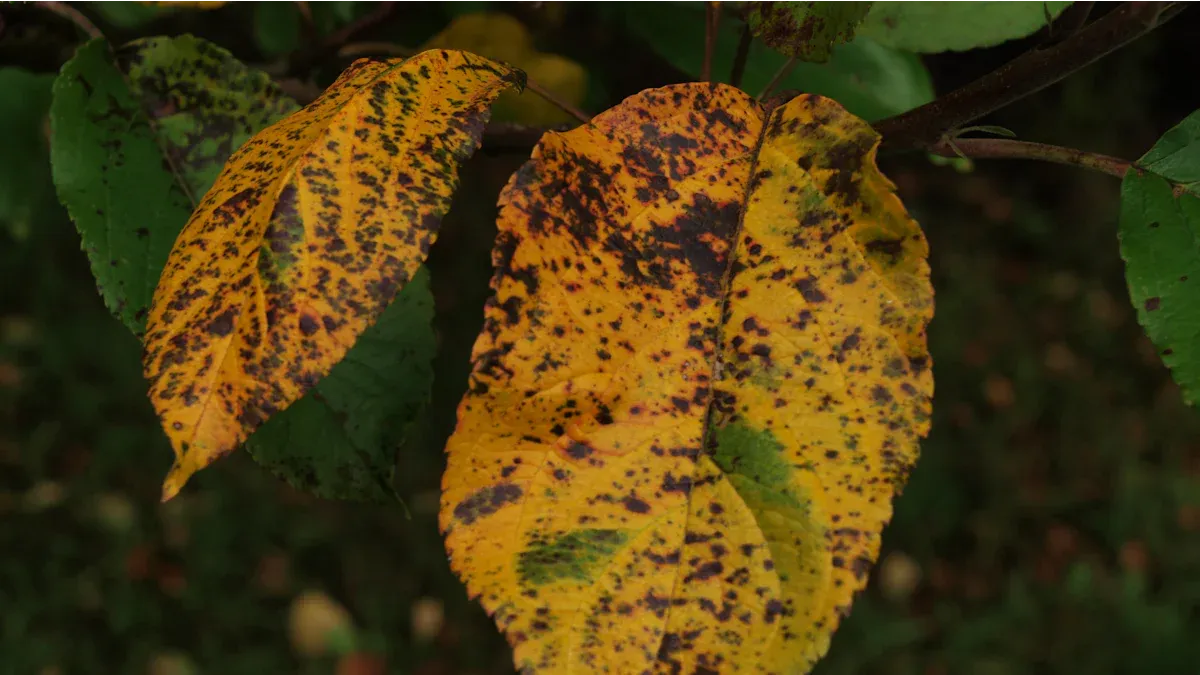
Overwatering is one of the most common reasons for brown spots on your Swiss plant. When you give your plant too much water, it can lead to root rot. This condition damages the roots, making it hard for your plant to absorb nutrients. As a result, you might see brown spots appearing on the leaves.
Here are some signs that you might be overwatering:
Sign | Description |
|---|---|
Brown Leaf Tips with Yellow Margins | Soft, limp leaves with yellow or brown tips due to excess water affecting leaf cells. |
Yellowing Leaves | Leaves turning yellow due to poor gas exchange in the roots. |
Wet Soil | Soil that is highly saturated indicates excessive watering. |
Rotten or Soft Stems | Stems near the soil that are mushy, indicating root rot from overwatering. |
Mold or Fungal Growth | Presence of mold or algae on the soil surface due to excess moisture. |
Wilting | Overall wilting of plants, which can be confused with underwatering but is due to root decay. |
Edema | Blisters or brown dots on leaves caused by excess water pressure leading to cell bursting. |
Underwatering
On the flip side, underwatering can also cause brown spots. If you forget to water your Swiss plant, it may develop droopy leaves and black, crispy areas. This indicates that the leaf tissue is dying due to lack of moisture. You might notice that your plant was thriving but started to decline when you were away.
Here are some signs of underwatering:
Droopy leaves
Black, crispy areas on leaves
Soil that feels dry to the touch
Environmental factors can also play a role. For instance, if your plant is near a heater, it may struggle to absorb moisture. Low humidity can stress your plant, making it more vulnerable to diseases and pests.
Sunburn
Just like us, Swiss plants can get sunburned! If your plant gets too much direct sunlight, you might notice brown spots forming on the leaves. This usually happens when the plant is suddenly exposed to intense light after being in a shadier spot.
To prevent sunburn, try to gradually acclimate your plant to brighter conditions. If you notice brown patches, consider moving it to a location with filtered light.
Pest Infestations
Pests can wreak havoc on your Swiss plant, leading to brown spots. Common culprits include scale insects, spider mites, and thrips. These pests suck the sap from your plant, causing discoloration and damage.
Here’s how different pests affect your plant:
Pest Type | Mechanism of Damage | Resulting Effect on Foliage |
|---|---|---|
Scale Insects | Attach to stems and leaves, sucking sap and forming hard bumps. | Brown spots on leaves |
Spider Mites | Suck sap from leaves and stems, causing yellow patches that turn brown. | Discoloration and browning |
Thrips | Microscopic pests that cause wilting and brown or black spots on leaves. | Browning foliage |
Nutrient Issues
Nutrient deficiencies can also lead to brown spots on your Swiss plant. Lack of essential nutrients like nitrogen, phosphorus, and potassium can cause your plant to show signs of stress. When your plant doesn’t get what it needs, it can’t thrive, leading to those unsightly brown spots.
Low Humidity
Low humidity can be a sneaky culprit behind brown spots. If the air around your plant is too dry, you might notice brown tips and edges on the leaves. This is especially common in juvenile leaves.
To keep your Swiss plant happy, aim for optimal humidity levels. You can use a humidifier or a pebble tray filled with water to maintain moisture in the air.
By understanding these causes, you can take steps to prevent and treat brown spots on your Swiss plant. Regular monitoring and proper care will help keep your plant healthy and vibrant!
Remedies for Brown Spots
Adjusting Watering Practices
To tackle the issue of brown spots, start by adjusting your watering practices. Overwatering and underwatering can both lead to these unsightly blemishes. Here are some effective tips to help you maintain proper hydration for your Swiss plant:
Tip | Description |
|---|---|
Watering Technique | Use a watering can with a long spout to water underneath leaves, keeping them dry to prevent fungal diseases. Stop when water drains from the pot. |
Cultural Practices | Ensure proper light and water conditions to strengthen plants against pests and diseases, making prevention easier than treatment. |
Sterilization | Sterilize tools and containers with rubbing alcohol or bleach solutions to prevent soil-borne fungal diseases. |
Physical Barriers | Use inorganic top dressing like polished pebbles to create barriers against soil-borne fungal spores. |
You should also adjust your watering frequency based on the season. During spring and summer, your Swiss plant will need more water. In contrast, reduce watering in fall and winter. Observing your plant’s behavior is key; if you notice drooping leaves, it might be time to water. A moisture meter can also help you gauge when to hydrate your plant.
Treating Sunburn
If your Swiss plant has brown dry patches from sunburn, you can take several preventive measures to protect it. Here are some effective strategies:
Ensure plants are in the right spot for optimal sun exposure.
Water roots regularly to keep leafy tops strong.
Provide extra water during summer extremes to maintain moisture.
Use mulch to retain soil moisture and regulate temperatures.
Conduct a soil test and fertilize appropriately to maintain healthy growth.
Offer wind protection or a sheltered spot for plants prone to leaf scorch.
Avoid pruning during peak heat to maintain a leafy canopy.
Consider building a sun shade or white-washing trees to shield your plants from excessive sun exposure. Increasing humidity in your garden can also help your plants cope with heat.
Managing Pests
Pests can cause significant damage to your Swiss plant, leading to brown spots. To manage pests effectively, follow these strategies:
Control weeds and remove plant debris to minimize disease spread.
Dispose of diseased plants properly to prevent spore transmission.
Reduce humidity and ensure good air circulation for fungal prevention.
Water in the morning to keep foliage dry, which is essential for preventing infections.
If you notice pests, consider using natural or chemical treatments. Here’s a table of recommended methods:
Treatment Method | Instructions |
|---|---|
Baking Soda Spray | Mix two tablespoons of baking soda into a gallon of water. Spray affected areas every few days until the problem ceases. |
Milk and Water Spray | Mix equal parts milk and water and spray on infected plants. Three treatments a week apart should control the disease. |
Neem Oil Spray | Spray both sides of the leaves with Neem Oil Spray every 7 days for three times, then every 14 days for prevention. |
Cooking Oil and Baking Soda | Combine one tablespoon of cooking oil, two tablespoons of baking soda, and a few drops of Ivory soap into a gallon of water and apply as a spray. |
Enhancing Humidity
Low humidity can lead to brown spots on your Swiss plant. To increase humidity, consider these methods:
Using a humidifier: This device helps maintain consistent humidity levels, especially in dry conditions.
Pebble trays: Place pots on trays filled with water and pebbles to increase humidity through evaporation.
Grouping plants together: Clustering plants can create a microclimate, allowing them to share moisture.
Pebble trays are particularly effective, boosting humidity and providing an attractive way to showcase your plants. They can increase humidity levels around individual plants, especially those that thrive in humid environments.
Correcting Nutrient Deficiencies
Nutrient deficiencies can also lead to brown spots. To correct these issues, follow these best practices:
Best Practice | Purpose |
|---|---|
Regular fertilization | To address nutrient deficiencies causing brown spots |
Monitor for signs of deficiency | To identify and correct issues promptly |
Soil testing is crucial for identifying nutrient deficiencies. It helps establish the health and fertility levels of your soil, ensuring that you apply the correct amounts of nutrients. This tailored approach optimizes the growth of your Swiss plants.
By implementing these remedies for brown spots, you can restore your Swiss plant’s health and beauty. Regular monitoring and proper care will keep your plant thriving!
Taking care of your Swiss plant is essential for its health and beauty. Regularly monitor your plant for signs of trouble and apply the remedies discussed. Remember, early detection of issues leads to a thriving plant. For more tips, explore resources on Swiss plant care, pest management, and nutrient needs.
FAQ
What causes brown spots on my Swiss cheese vine?
Brown spots can result from overwatering, underwatering, sunburn, pests, nutrient deficiencies, or low humidity.
How can I prevent brown spots on my Swiss cheese vine?
To prevent brown spots, maintain proper watering, ensure adequate humidity, and monitor for pests regularly.
Is low humidity harmful to my Swiss cheese vine?
Yes, low humidity can lead to brown tips and edges on leaves, stressing your plant and making it more vulnerable.