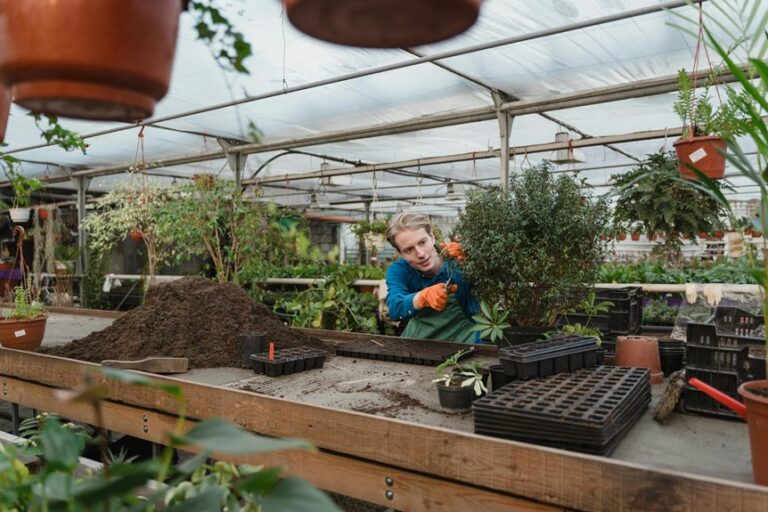

Exploring natural dyeing with seasonal flowers opens up a world of vibrant colors and sustainable practices. You can enjoy several environmental benefits by using these flowers. They come from renewable resources, promoting sustainable cultivation. Additionally, natural dyes help reduce your carbon footprint. Their extraction processes are energy-efficient and prevent pollution in local ecosystems. As you dive into this creative journey, knowing which flowers to use and how to extract their dyes effectively will enhance your experience.
Key Takeaways
Using seasonal flowers for natural dyeing connects you with nature and enhances your creativity.
Natural dyes from flowers are eco-friendly, promoting sustainable practices and reducing your carbon footprint.
Experimenting with different flowers and mordants can lead to unique and vibrant colors in your dyeing projects.
Each flower offers distinct colors and properties, allowing for a diverse palette in your textile creations.
Safety is crucial; always research the flowers you use, as some can be toxic or irritating.
Spring Seasonal Flowers

Spring brings a vibrant array of flowers that you can use for natural dyeing. These flowers not only provide beautiful colors but also allow you to connect with nature. Using seasonal flowers for dyeing offers several benefits. They are fresh, readily available, and often more vibrant than dried alternatives. You can create unique shades that reflect the beauty of the season.
Dandelion
Dandelions are more than just weeds; they are excellent for dyeing. The bright yellow flowers produce a warm golden dye. The chemical compounds in dandelions contribute to their dyeing properties. These include:
Carotenoids
Flavonoids
Phenolic acids (including coumaric acid)
Polysaccharides
Sterols
Triterpenoids
To extract the dye, you can follow these steps:
Moisten the petals: Lightly dampen the dandelion petals.
Mash the petals: Use a spoon to mash the petals with a small amount of ethanol. Let it sit for an hour.
Filter the mixture: Pour the mixture through a piece of fabric to strain out the solids.
Store the extract: Keep the dye in an airtight container.
Dandelion dye is known for its lightfastness, making it a durable choice for your projects.
Chamomile
Chamomile is another fantastic spring flower for dyeing. Dyer’s Chamomile produces a rich, warm shade of yellow dye. Many consider it one of the best sources for yellow dye due to its strong and crisp results. The yellows obtained from Dyer’s Chamomile are vibrant and long-lasting. Here are some key points about chamomile dye:
It is competitive with other yellow dye plants.
The dye is much more lightfast than many other yellow options.
To extract chamomile dye, you can soak the flowers in water. This method allows the color to infuse effectively. You will find that the resulting dye is not only beautiful but also reliable for various dyeing projects.
Black Hollyhock
Black Hollyhock offers unique shades that can enhance your dyeing palette. The dried flowers can produce colors ranging from green to teal and periwinkle blue. To extract the dye, you can follow this simple process:
Place the dried hollyhock flowers in a jar.
Cover them with warm water and leave the jar in the sun for a day.
Initially, the dye solution will appear petrol blue, transitioning to dark red or purple.
Using mordants can influence the resulting shades. For example, alum can produce greens and blues. The duration of sunlight exposure can also affect the saturation and shade of the dye.
Key Dye Colours | Dye Process | Weight of Fibre (WOF) |
|---|---|---|
Green, teal, periwinkle blue | Simmer until water turns deep purple and petals appear greyish | Use at 5% for a rich medium shade; adjust for darker or lighter shades |
Spring seasonal flowers like dandelion, chamomile, and black hollyhock provide you with a wonderful opportunity to explore natural dyeing. Each flower brings its unique color and character, allowing you to create beautiful, sustainable textiles.
Summer Seasonal Flowers

Summer brings a burst of color to your garden, and many flowers offer vibrant hues for natural dyeing. You can create stunning shades that reflect the warmth of the season. Here are three excellent summer flowers to consider for your dyeing projects.
Marigold
Marigolds are a popular choice for natural dyeing due to their bright and cheerful colors. You can expect to achieve a creamy, light buttery yellow from standard marigold flowers. The Queen Sophia Marigold variety produces red-striped orange blossoms, yielding vibrant orange hues. The Orange Hawaii Marigold offers large, eye-catching true orange blooms.
The primary pigments in marigold are lutein and its esters. These pigments account for over 90% of the flower’s color. The concentration of lutein varies, affecting the dye’s colorfastness. For example, lutein esters range from 4.0 mg/g in greenish-yellow flowers to 800 mg/g in orange-brown flowers.
When you extract marigold dye, consider the pH levels during the process. Optimal conditions lead to better colorfastness ratings. Here are some key points about marigold dye:
Washing fastness: 4-5 rating on a scale of 1-5.
Light fastness: 5-6 rating on a scale of 1-8.
Dry crocking fastness: 4 rating on a scale of 1-5.
Wet crocking fastness: 2-3 rating on a scale of 1-5.
Coreopsis
Coreopsis is another fantastic summer flower for dyeing. It yields bright orange shades from its flowers, while the stems and leaves provide yellows and browns. The dyeing process can vary significantly based on factors like mordants and pH, which affect color intensity.
You can achieve different results depending on whether you use fresh or dried flowers. Fresh coreopsis flowers produce vibrant shades like neon orange and lemon yellow. In contrast, dried flowers yield paler and less saturated tones. This difference is especially noticeable on plant fibers compared to animal fibers.
Coreopsis is versatile, allowing you to create a variety of colors. Here are some dyeing characteristics to keep in mind:
Fresh Flowers: Bright, intense colors.
Dried Flowers: Softer, less saturated tones.
Cosmos
Cosmos flowers are not only beautiful but also excellent for dyeing. They can produce a range of colors depending on the mordant combination you use. Here’s a table summarizing the dyeing methods and resulting color shades:
Mordant Combination | Dyeing Method | Resulting Color Shades |
|---|---|---|
Alum + Copper Sulphate | Pre-mordanting | Light to dark orange shades |
Alum + Ferrous Sulphate | Simultaneous mordanting | Dark orange to light brown shades |
Copper Sulphate + Ferrous Sulphate | Post mordanting | Yellow to light orange shades |

Cosmos flowers provide a delightful palette for your dyeing projects. Experimenting with different mordants can lead to exciting results.
Fall Seasonal Flowers
Fall brings a rich palette of colors, perfect for natural dyeing. The flowers of this season offer unique hues that reflect the changing landscape. You can create stunning shades that range from vibrant yellows to deep reds. Here are three fall flowers that stand out for their dyeing properties.
Goldenrod
Goldenrod is a fantastic choice for producing vibrant yellow dye. You should harvest the flowers when they are bright yellow. If you wait too long, they will dull and dry into little puffs of seeds. Fresh goldenrod flowers yield the brightest colors. Here are some key points about goldenrod dye:
Fresh flowers produce vibrant yellow dye.
Harvesting too late results in duller colors.
Careful drying preserves dye quality.
To maintain the vibrancy of the dye, dry the flowers in a dark, cool place. This method prevents sunlight from fading the colors. The dye quality remains intact after drying, ensuring you get the best results for your projects.
Aster
Asters are another excellent option for natural dyeing. They can produce a range of colors, including soft blues and purples. The dye extracted from asters can vary based on the specific variety and the mordants used. Here’s a quick overview of aster dyeing:
Flower | Dye Color | Notes |
|---|---|---|
Aster | Soft Blue/Purple | Varies with mordants; can yield different shades. |
Experimenting with different mordants can lead to exciting results. You might find that alum produces softer shades, while iron can deepen the color.
Bloodroot
Bloodroot offers a unique red dye, but you must handle it with care. The sap is toxic if ingested and can irritate your skin. Here are some important safety considerations:
Bloodroot is toxic if ingested.
The sap can irritate moist membranes.
Handle with care to avoid respiratory irritation.
Despite its toxicity, bloodroot produces a beautiful red dye. You can use it to create striking textiles, but always prioritize safety when working with this plant.
Winter Seasonal Flowers
Winter may limit your options for natural dyeing, but it offers unique and beautiful choices. You can still create stunning colors using winter seasonal flowers. Here are three excellent options to consider.
Camellia
Camellia sinensis, commonly known as tea, serves as a remarkable natural dye source. The dyeing process relies heavily on the use of mordants, which significantly influence the resulting color and its fastness on fabrics. The compounds found in tea leaves, such as catechins and flavonoids, enhance the dye’s effectiveness. Here are some key points about camellia dye:
Natural dyes from Camellia sinensis are eco-friendly and have good adsorption properties.
They are inexpensive, sustainable, and safe, with minimal health risks.
The fastness qualities of these dyes are generally good, providing soft hues and vivid colors.
You can use camellia dye on various fabrics, including cotton and jute, achieving moderate to good light and wash fastness.
Pansy
Pansies are another delightful winter flower for dyeing. The vibrant colors of pansy flowers can produce lovely shades. To enhance the color of the dye, you can use alum as a mordant. The dyeing process involves simmering the pansy flowers in a mixture that includes vinegar and alum. Here are some highlights of pansy dyeing:
Pansies yield a range of colors, from soft pastels to deeper hues.
Using alum helps to brighten and stabilize the dye.
Hellebore
Hellebore flowers also offer unique dyeing capabilities. While they may not be as commonly used, they can produce soft, muted colors. The dyeing process for hellebore involves careful extraction to ensure you capture the delicate hues. Here’s a quick overview of recommended mordants for enhancing the color of winter flower dyes:
Mordant | Fiber types | Features | Percentage to use |
|---|---|---|---|
Aluminum Acetate + calcium carbonate after bath | Cellulose fibers | Produces bright colors. Does not require heat | 8% Al Acetate and 2% Calcium Carbonate post-bath |
Aluminum Potassium Sulfate | Protein fibers | Easy to use. Produces bright, clear colors | 10% Aluminum Potassium Sulfate |
Iron | All fibers | Adds a darker or gray tone to colors | Use at 1% WOF |

Winter seasonal flowers like camellia, pansy, and hellebore provide you with unique opportunities for natural dyeing. Each flower brings its distinct character, allowing you to create beautiful, sustainable textiles even in the colder months.
Using seasonal flowers for natural dyes offers you a unique way to connect with nature and create beautiful textiles. You can enjoy vibrant colors while embracing sustainable practices. Here are some key takeaways:
Natural dyes allow you to imprint personal memories onto fabrics, enhancing their emotional value.
The revival of natural dyeing aligns with the growing interest in sustainable fashion.
You can express your creativity and connect with nature through your dyeing projects.
Experiment with different flowers and techniques to discover the endless possibilities of natural dyeing. Your journey into this colorful world can lead to stunning results and a deeper appreciation for the environment.
FAQ
What are natural dyes?
Natural dyes come from plants, insects, and minerals. You can use them to color fabrics and materials. They offer a sustainable alternative to synthetic dyes, providing unique colors and shades.
How do I extract dye from flowers?
To extract dye, you can simmer the flowers in water. Strain the mixture to remove solids. The resulting liquid contains the dye, which you can use for coloring fabrics.
Are natural dyes safe to use?
Yes, natural dyes are generally safe. However, some plants can be toxic. Always research the flowers you plan to use and handle them with care.
How do I make the dye color last longer?
To improve colorfastness, use mordants. Mordants help fix the dye to the fabric. Common mordants include alum and iron. Always follow safety guidelines when using them.
Can I dye synthetic fabrics with natural dyes?
Dyeing synthetic fabrics can be challenging. Natural dyes work best on natural fibers like cotton, wool, and silk. You may need special techniques or mordants for synthetic materials.