
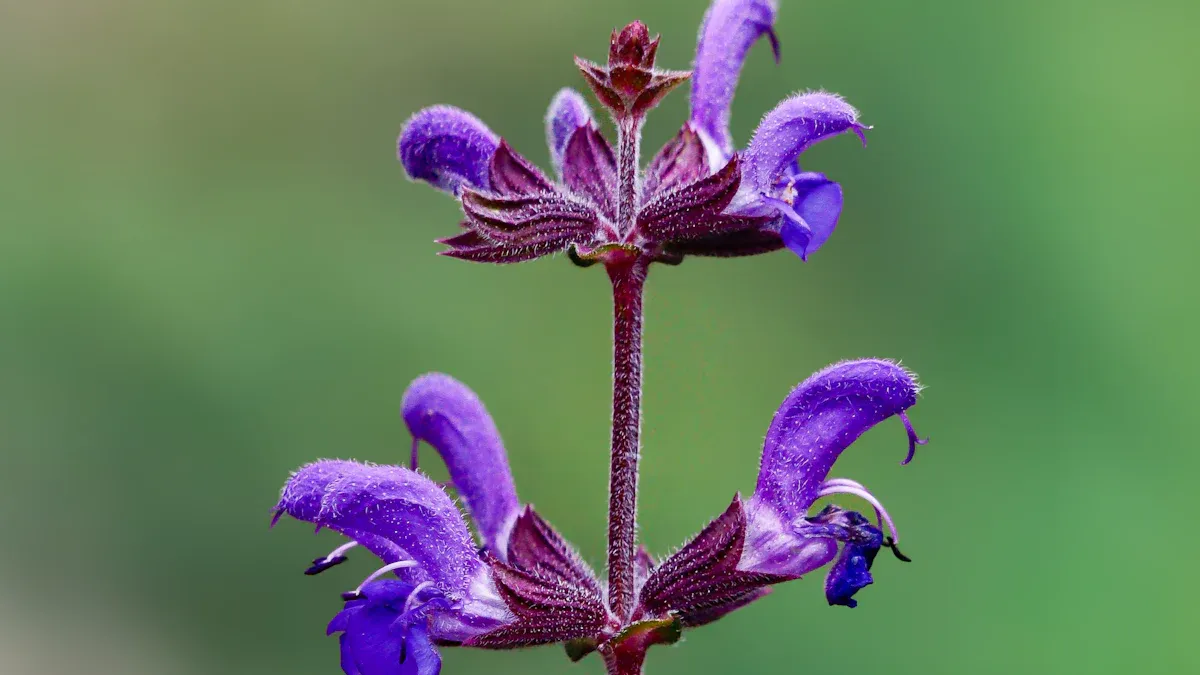
Salvia plant is a diverse genus within the mint family, known for its spectacular perennial flowers. You will find Salvia plants are exceptional choices for your garden; they are easy to grow. Their vibrant, colorful flowers provide intense, long-blooming flowers. They also act as a hummingbird magnet and attract butterflies. You will discover many salvia varieties with a wide array of colors, sizes, and hardiness levels.
Why Perennial Salvia Thrives in Your Garden
Salvia’s Appeal: Easy Care and Vibrant Color
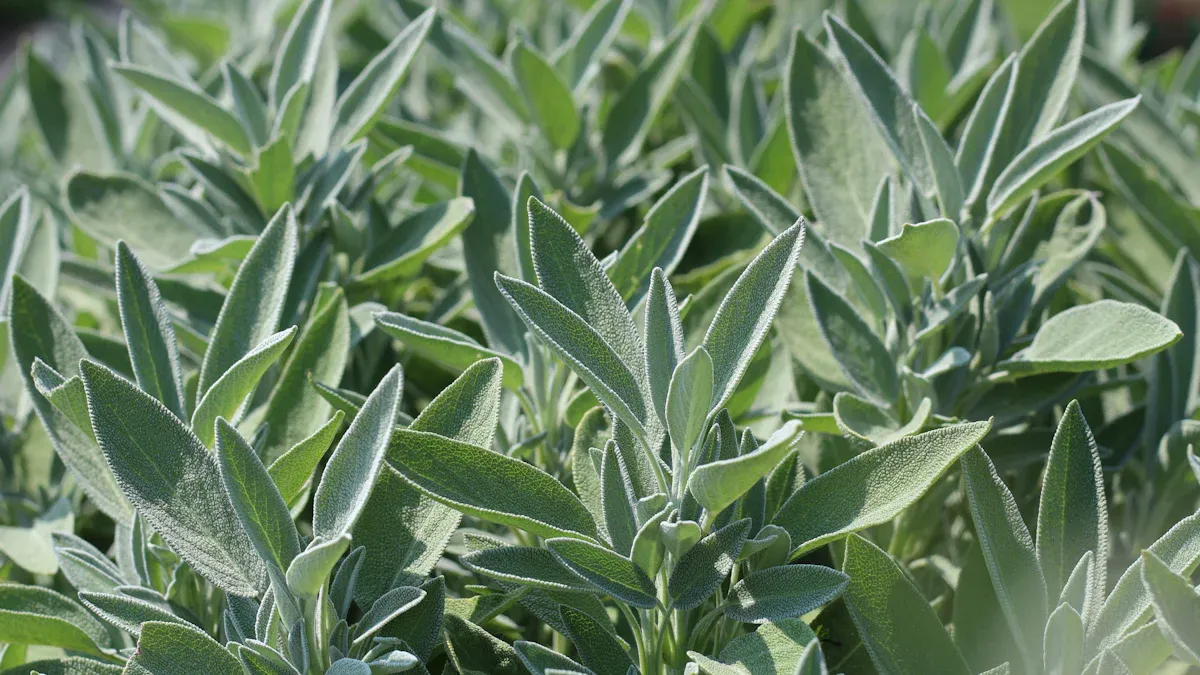
You will find perennial salvia plants are a fantastic addition to your garden. They offer both beauty and simplicity. These plants are easy to grow, making them perfect for gardeners of all skill levels. Salvia provides intense color with its vibrant flowers, creating stunning displays. You can enjoy these blooms for extended periods.
Beyond their visual appeal, salvia plants offer significant environmental benefits to your garden ecosystem:
Water Conservation: Many salvia species tolerate drought. They need minimal water once established. This helps you reduce water usage.
Ecological Impact: Salvia attracts many pollinators. Bees, butterflies, and hummingbirds visit these plants. They find vital nectar and habitat. This supports biodiversity and improves garden health.
Erosion Control: Some salvia species develop dense root systems. These roots stabilize soil on slopes. They help prevent erosion.
Key Characteristics of Salvia Varieties
Salvia plants possess several key traits that make them garden favorites. They are generally heat and drought tolerant, thriving in sunny locations. This makes them ideal for many climates. Their foliage often has a pleasant aroma. This adds another sensory layer to your garden. You will also notice their long blooming periods. Different salvia varieties offer blooms at various times.
Here is a look at typical bloom durations for some common salvia varieties:
Salvia Variety | Bloom Duration |
|---|---|
Mealycup sage | May until frost |
Texas sage | Late spring to early fall |
Woodland sage | June to September |
Autumn sage | Summer through early fall |
Tricolor sage | Early spring |
Giant purple desert sage | All summer long |
East friesland salvia | Entire summer |
These characteristics ensure you have beautiful flowers throughout much of the growing season.
10 Spectacular Perennial Salvia Varieties

You can transform your garden with these ten spectacular perennial salvia varieties. Each offers unique beauty and benefits.
Salvia ‘Caradonna’: Deep Purple Spires
Salvia ‘Caradonna’ stands out with its striking deep purple spires. These flowers create a dramatic vertical accent in your garden. This salvia plant is a favorite for its intense color.
Characteristic | Value |
|---|---|
USDA Hardiness Zones | 5 – 8 |
Mature Height | 1 – 2 feet |
Mature Width | 3 – 5 feet |
You will find ‘Caradonna’ thrives in full sun. It blooms from late spring through summer. This salvia is perfect for borders or mass plantings. It also attracts many pollinators.
Salvia ‘May Night’: Classic Violet-Blue Blooms
Salvia ‘May Night’ is a classic choice. It features abundant violet-blue flowers. These blooms appear on strong, upright stems. This salvia thrives in full sun for optimal flowering performance. Its bloom time extends from May through September. You will enjoy its continuous display. This salvia is very adaptable. It works well in various garden settings.
Salvia leucantha: Velvety Mexican Bush Sage
Mexican Bush Sage, or Salvia leucantha, brings a velvety texture to your garden. Its unique flowers are soft to the touch.
The primary flower colors are purple/lavender and white.
Flowers are typically bicolor. They feature white corollas and purple calyces. The white appears in late summer to fall.
The flower form is tubular.
The inflorescence is a raceme or spike.
You can find different color variations:
‘All Purple’: Flowers are entirely purple.
‘Danielle’s Dream’: Features pink and white flowers.
‘Santa Barbara’: Has purple calyces and rose-lavender petals.
‘White Mischief’: Flowers are entirely white.
This salvia grows well in full sun. It blooms from late summer into fall. It is a favorite for its late-season color.
Salvia greggii: Vibrant Autumn Sage
Autumn Sage, or Salvia greggii, offers vibrant flowers. These flowers come in many colors, including red, pink, orange, and white. This salvia provides continuous color from spring to fall.
Attribute | Value |
|---|---|
Height | 1 to 2 feet |
Spread | 1 to 2 feet |
USDA Hardiness Zones | 7B through 11 |
You will find this salvia attracts many pollinators. Butterflies and hummingbirds love its blooms. Bees also visit these plants. Autumn Sage is drought-tolerant once established. It is an excellent choice for xeriscaping or rock gardens.
Salvia splendens ‘Van Houttei’: Bold Brazilian Red
Brazilian Red Salvia, Salvia splendens ‘Van Houttei’, makes a bold statement. It features striking red flowers.
Flower Color: Pendulous wine-colored.
Flower Form: Erect spikes of flowers. They are tubular or bell-shaped, 35 mm long, with two lobes towards the apex.
This salvia prefers specific sun conditions. It thrives with morning sun followed by afternoon shade. This is ideal on an eastern side of a house. You should protect it from midday and afternoon sun. Intense summer sunlight can harm tender leaves. Afternoon shade is crucial for Salvias that prefer cooler temperatures. This salvia reaches peak bloom in Fall. It can flower for much of the season. Some varieties bloom from late Spring until the first frost. Others bloom from Summer into Fall.
Salvia ‘Hot Lips’: Bicolor Beauty
Salvia ‘Hot Lips’ is a truly unique plant. It displays stunning bicolor flowers. These flowers are typically red and white. The color combination can change with temperature. Cooler weather often brings more red.
Unique Features:
Stunning bi-color flowers. They can range from pink to white with various combinations or single colors.
Rugged nature of the plant.
Hummingbirds love its tubular flowers. It also attracts beneficial insects.
Two-toned red and white flowers.
Blooms continuously through the hottest summers until the first frost.
Adaptable and easy to cultivate.
Hardy to 10° F and extremely drought tolerant.
Fragrant leaves.
Resists deer.
Attracts bees, butterflies, and hummingbirds.
Compact, colorful, and carefree choice for sunny, low-water gardens.
Ideal Garden Uses:
Good choice for smaller gardens. It grows to 2 or 3 feet.
Mass Planting.
Border Edging.
General Garden Use.
Cut flowers.
Container Planting.
You will find this salvia is hardy to USDA zones 8-11. It thrives in full sun.
Salvia x superba ‘Blue Hill’: Elegant Sky Blue
Salvia x superba ‘Blue Hill’ offers elegant sky blue flowers. These flowers create a calming presence in your garden. This salvia is also known as Salvia x sylvestris ‘Blue Hill’. It typically grows to a mature size of 18–24 inches tall and wide. It is adaptable to various environments. It thrives in USDA hardiness zones 4–8.
Characteristic | Value |
|---|---|
Plant Height | 1′ – 2′ (ft) |
Plant Spread | 1′ – 2′ (ft) |
Hardiness Zone(s) | 4, 5, 6, 7, 8, 9 |
You can plant ‘Blue Hill’ in full sun. It blooms from late spring through summer. It is a reliable performer.
Salvia lyrata ‘Purple Knockout’: Groundcover Foliage
Salvia lyrata ‘Purple Knockout’ is unique for its foliage. It forms a beautiful groundcover. Its leaves are a rich purple color.
Flower Color: Small blue-bronze flower bracts. They turn bronzy-red.
Flower Form: Stiff flower stems shoot up. Flower bracts swirl up the stem. They keep their form well through the summer.
This salvia plant is excellent for filling in spaces. It adds continuous color even when not in bloom. It prefers partial shade to full sun. It is hardy in USDA zones 5-9.
Salvia chamaedryoides: Silver Germander Sage
Silver Germander Sage, or Salvia chamaedryoides, features striking silver foliage. This foliage provides year-round interest. Its bright blue flowers contrast beautifully with the silver leaves. This salvia thrives in full sun. This means at least 6 hours of direct sunlight daily. It can tolerate some partial shade. This is especially true in hotter climates. Afternoon shade might be beneficial there. In cooler climates, it handles more sun. The plant exhibits explosive blooming during summer and fall. Some varieties start flowering in spring. They continue until the first frost. This salvia is drought-tolerant. It is perfect for rock gardens or dry borders.
Salvia uliginosa: Tall Blue Bog Salvia
Tall Blue Bog Salvia, or Salvia uliginosa, brings height and airy blue flowers to your garden.
Flowers: Eye-catching white-flecked azure blue flowers. They are brilliant sky blue. These are hooded, tubular flowers. They bloom from early summer till frost.
Foliage: Slender branching stems line with narrow lance-shaped green leaves. They are roughly textured. They are mid to dark green. They have finely toothed leaves. They are narrow, bright green leaves that are aromatic and serrated.
Habit: Quick-to-establish colonizing perennial. It has an airy, strong, and erect habit. It does not need staking. It is a spreading perennial. It has an open upright habit. It has willowy 4-5′ tall stalks. It forms a 1-3′ wide clump.
Size: Grows to 6′ tall. Stems are 3-6′ tall. It is 4-5′ tall. It is 2-5 ft wide. It is 3-6 ft tall.
Growth: Spreads rapidly on underground runners. It is fast-growing. It spreads by underground stems in moist soils. It is more restrained on drier sites.
This salvia flourishes in moist niches. You can plant it along streams or ponds. It likes damp, boggy soil. ‘Uliginosa’ means swamp or marsh. It is found naturally in wet habitats. It likes a very damp place in full sun. It tolerates heavy or dry soil. It is not particular about soil. It does well in average, rich, and well-drained soil. It adapts to various soil conditions. It tolerates sandy, wet, clay, and poor soils. This salvia is a favorite nectar source for butterflies, hummingbirds, and bees. American goldfinches also eat its seeds. It is an excellent addition to pollinator gardens. You can use it as a border plant or in a cottage garden. It is hardy in USDA Zones 6a – 10b.
Caring for Your Salvia Plants
Optimal Planting and Site Selection
You want your salvia to thrive. Salvia plants love full sun. They are generally heat and drought tolerant once established. Plant them in well-draining soil. Amend the top 6 inches with compost and coarse sand for drainage. Salvia tolerates poor soil. Loosen soil to 12 inches deep. When you transplant salvia seedlings, ensure the hole is deep enough. Plant salvia in a hole or pot with at least 12 inches of depth. Space plants 1 to 3 feet apart.
Watering and Feeding Salvia
Watering your established plants is simple. Salvia plants are drought tolerant. Observe your plants to know their needs. Water at the base of the plant in the morning or afternoon. Check soil for stress. Water thoroughly. Salvia is a light-feeder. A 1-inch layer of aged compost in spring works well. Potted salvia may need more feeding. Fertilize in early spring and mid-summer for strong growth.
Pruning for Best Performance
Pruning helps your salvia look its best and encourages more flowers. Deadhead any spent blooms. This directs energy to new growth for continuous flowers. If your plants become leggy, prune them lightly to restore shape. Cut away leggy branches. Trim back overgrown salvia. Avoid hard pruning. For overall health, prune perennial salvia in fall or spring. In colder areas, deadhead lightly in late season.
Pest and Disease Management
Your plants can face some pests and diseases. Common pests include aphids, whiteflies, and mealybugs. Use insecticidal soap or neem oil for aphids. Yellow sticky traps help with whiteflies. Diseases like Botrytis Blight (gray mold) can occur. Powdery mildew causes white powdery leaves. Ensure good air circulation. Use drip irrigation to keep leaves dry. Stem rot happens from overwatering. Let the soil dry out between waterings. Salvia prefers well-draining soil.
Winter Care for Perennial Salvia
Prepare your perennial salvia plant for winter. Know your hardiness zone. For salvia in the ground, add a thick layer of wood mulch around roots when the ground freezes. This insulates roots and prevents heaving. For container salvia, add mulch or move to a thicker pot. You can sow salvia seed in late winter. Collect salvia seeds from spent blooms. Store salvia seeds in a cool, dry place. You can also buy salvia seeds. Many gardeners start salvia seeds indoors. Protect your salvia seeds from moisture. Ensure your salvia seeds are viable. You can share salvia seeds with others.
You have explored ten spectacular perennial salvia varieties. These salvia plants offer immense value and beauty to any garden. They provide diverse colors and forms. You will find them easy to care for. They also attract beneficial pollinators like hummingbirds and butterflies. Choose the salvia varieties that best suit your garden’s conditions and personal style. Transform your outdoor spaces with the enduring beauty and resilience of salvia.