
Growing runner beans that overflow your garden takes more than just planting and hoping for the best. You’ll want to pick the right varieties that thrive in your area and prepare your soil carefully to give your plants a strong start. From timing your planting perfectly to supporting your beans as they climb, every step matters. As you manage pests wisely and prune with care, your harvest can truly shine. Let’s investigate how to turn your patch into a runner bean powerhouse.
Choose the Right Runner Bean Varieties
As you’re prepared to cultivate runner beans, selecting the appropriate variety is one of the most vital choices you’ll make. You want to tap into hybrid vigor benefits through choosing varieties that combine strong genetics, yielding more sturdy plants and bountiful harvests. Look for runner beans known for disease resistance and high productivity. Also, consider companion planting strategies—pairing your beans with crops like corn or marigolds can enhance growth and deter pests naturally. Don’t forget to match varieties with your climate and soil conditions to maximize success. Through focusing on these factors, you’ll set the stage for vigorous plants that thrive together in your garden. This thoughtful selection process lays the groundwork before you prepare the soil for ideal growth.
Prepare the Soil for Optimal Growth
Before planting your runner beans, you’ll want to give the soil some serious love to help your plants grow strong and healthy.
Start with loosening the soil deeply, breaking up any clumps to improve drainage and root penetration.
Incorporate plenty of organic matter like compost or well-rotted manure to raise fertility, reflecting on historical bean uses where farmers relied on rich soil for abundant crops.
Pay attention to companion planting ideas; beans thrive near carrots, cucumbers, and corn, which can naturally improve soil nutrients and pest control.
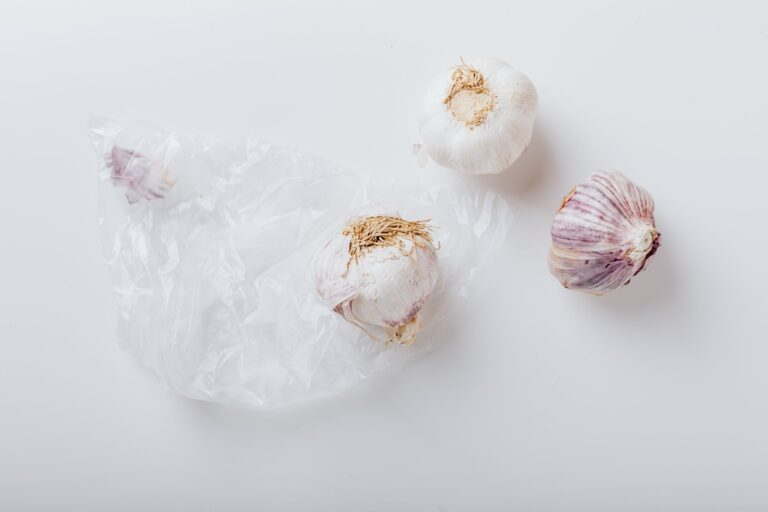
Avoid planting near onions or garlic as they hinder growth.
Test soil pH to make certain it’s slightly acidic to neutral, around 6.0 to 7.0, for best nutrient uptake.
Preparing the soil this way sets a solid stage for your beans to flourish and produce massive yields.
Timing Your Planting for Best Results
You’ll want to plant your runner beans during the right months to give them the best chance at growing strong. Paying attention to soil temperature is just as crucial because beans hate cold ground. Let’s investigate the time the soil warms up enough and which months work best for planting your beans.
Optimal Planting Months
Although runner beans thrive in warm weather, timing your planting just right can make all the difference in how much you harvest. You want to plant after the last frost, usually between late April and mid June, depending on your zone. This guarantees your beans get the warmth they crave without risking cold damage. Pair this timing with smart companion planting—like near carrots or corn—to enhance growth and reduce pests. Also, practice crop rotation, so your runner beans don’t drain the soil or invite diseases.
- Plant too soon, and frost can stunt growth or kill seedlings
- Wait too long, and the growing season shortens, cutting yields
- Prompt planting lets you enjoy fresh beans sooner
- Good timing supports healthier vines and bigger pods
- Proper timing works hand-in-hand with companion planting and crop rotation for success
Soil Temperature Guidelines
If dirt remains excessively chilly, your runner bean seeds won’t emerge correctly, and that may delay your entire cultivation period. You must grasp soil heat impacts since they immediately affect sprouting rate and young plant vigor. Target dirt warmth levels from 55°F to 70°F prior to sowing. Should the dirt seem cool, think about placing seeds a bit further down than normal; sowing level changes can assist in preserving heat near the seed, fostering swifter development. Employing a dirt heat gauge guarantees you’re sowing at the appropriate time, preventing cold damage. Milder dirt promotes speedier root formation and sturdier plants. Keep in mind, scheduling your sowing to align with ideal dirt warmth levels establishes the foundation for substantial harvests, so avoid haste—allow the ground to heat up, and your runner beans will compensate your forbearance with sturdy expansion.
Proper Planting Techniques and Spacing
As you prepare to plant runner beans, spacing and technique play a huge role in how well your plants grow and produce. Start with planting seeds about 2 inches deep, spacing them 6 inches apart in rows set 18 inches apart. This setup gives roots room to breathe and climb without crowding. Consider companion planting options like marigolds or nasturtiums nearby to enhance pest resistance naturally. Don’t forget frost protection measures; wait until after the last frost to sow seeds outdoors or start them indoors to shield young plants. Some tips to excel at planting runner beans:
- Soak seeds overnight to speed germination
- Plant in well-drained soil rich in organic matter
- Space plants evenly to avoid competition
- Mulch around seedlings to retain moisture
- Water gently but consistently
These steps help you grow healthy, plentiful runner beans.
Provide Strong Support Structures
Once your runner beans start to sprout and grow, they need a sturdy support to climb on. Providing strong support structures not only helps your plants thrive but also increases yields through encouraging vertical growth. Use vertical garden designs like trellises, teepees, or wire frames to maximize space and integrate companion planting strategies effectively. Choose materials that withstand wind and rain, ensuring stability throughout the season.
| Support Type | Material | Benefits |
|---|---|---|
| Trellis | Wood or metal | Easy to build, supports height |
| Teepee | Bamboo poles | Natural look, great airflow |
| Wire frame | Galvanized wire | Durable, flexible design |
| String lines | Nylon or twine | Cost-effective, adjustable |
| Fence support | Existing fences | Saves space, easy setup |
Strong supports give your runner beans the best chance to flourish.
Watering and Feeding Requirements
While runner beans thrive with strong support, their growth depends just as much on proper watering and feeding to keep them healthy and productive. You’ll want to water deeply and consistently, especially during flowering and pod development. Mulching benefits your plants by retaining moisture and suppressing weeds, which helps keep watering steady. Feeding is vital too; organic compost or balanced fertilizer fuels strong growth. Don’t forget how companion planting companions like nasturtiums can improve soil health and attract beneficial insects. Here’s your watering and feeding checklist:
- Water at the start of the day to reduce evaporation
- Keep soil moist but not soggy to prevent root rot
- Apply mulch to lock in moisture and regulate temperature
- Feed every two weeks with a high-potassium fertilizer
- Rotate companion plants to enhance nutrient availability
Master these, and your runner beans will thank you with a bountiful harvest.
Managing Pests and Diseases
Keeping your runner beans well-watered and fed sets a strong foundation, but you’ll need to watch out for pests and diseases that can quickly undo your hard work. Using organic pest control methods like neem oil or introducing ladybugs helps keep aphids and spider mites in check, protecting your crop naturally. Disease prevention strategies, such as crop rotation and removing infected leaves, reduce fungal threats like powdery mildew. Staying vigilant means catching issues ahead of time, so you can act swiftly without harsh chemicals.
| Common Pest/Disease | Effective Organic Control |
|---|---|
| Aphids | Ladybugs, neem oil spray |
| Spider Mites | Insecticidal soap, regular misting |
| Powdery Mildew | Remove infected leaves, improve airflow |
| Runner Bean Rust | Crop rotation, clean garden debris |
Pruning and Training Your Plants
You’ll want to keep your runner beans healthy through pruning off weak or damaged shoots, which helps the plant focus its energy on strong growth.
Training your plants to climb supports like poles or trellises not only saves space but also improves air circulation and sunlight exposure.
Let’s investigate some simple techniques to prune and train your beans for a bigger, better harvest.
Pruning Techniques
Since runner beans grow vigorously, pruning becomes an essential step to help you manage their size and improve their yield.
As you prune, you encourage stronger growth and better airflow, reducing disease risk.
Plus, you’ll make the most of companion planting benefits through allowing nearby plants thrive without competition.
Keep in mind frost protection methods—pruned plants recover faster should cold snaps hit.
Here’s how to prune like a pro:
- Snip off weak or crossing stems to increase nutrient flow
- Remove initial flowers to promote sturdier vines
- Cut back side shoots to focus energy on main growth
- Trim leaves blocking sunlight to pods for better ripening
- Regularly clear dead material to prevent pests and disease
Master these techniques, and your runner beans will reward you with bountiful, healthy crops.
Training Methods
Training your runner beans well can make a big difference in how much you harvest and how healthy your plants stay. Start by selecting sturdy supports like poles or trellises. Tie vines loosely to avoid damage but keep them guided upward. Incorporate companion planting ideas such as nasturtiums nearby, which deter pests and improve growth. Use frost protection strategies, like row covers, especially during initial plant training outside. Prune selectively to remove weak shoots, encouraging air circulation and stronger stems.
| Method | Benefit | Tip |
|---|---|---|
| Vertical Training | Maximizes space | Use bamboo canes 6-8 feet tall |
| Twining Support | Prevents breakage | Tie loosely with soft twine |
| Companion Planting | Improves growth | Plant marigolds to deter pests |
This balanced approach guarantees robust growth and plentiful yields.
Harvesting Runner Beans at Peak Flavor
As runner beans attain the appropriate size, they yield the finest flavor and consistency, so it’s vital to monitor them attentively.
You’ll want to harvest as pods are firm but still tender, about 6 to 8 inches long.
Waiting too long risks tough, fibrous beans that lose their delicate taste.
To excel in cooking fresh runner beans and flavor preservation techniques, pick regularly to encourage more growth and keep beans at peak freshness.
- Feel the thrill of snapping crisp, lively pods from your plant
- Savor the bright, sweet notes only fresh-picked beans deliver
- Experience the joy of effortless, fresh cooking that honors your harvest
- Relish recognizing you’ve secured peak nutrition and flavor
- Take satisfaction in your skill to time harvests perfectly, enhancing yield and taste
Maintain a close watch—your careful timing changes ordinary beans into culinary treasures.
Saving Seeds for Future Planting
As your runner bean pods become dry and brown, it’s time to harvest the seeds for next season. You’ll want to store them in a cool, dry place to keep them healthy and ready to grow. Let’s investigate how to pick the perfect seeds and the best ways to keep them safe until planting time.
When to Harvest Seeds
Before you know it, your runner bean pods will start drying on the vine, signaling the perfect time to harvest seeds for next season. Watch for seed maturity indicators like hardened, darkened seeds and pods that turn brown and brittle. Don’t rush this—you want fully matured seeds for the strongest future plants. Once harvested, focus on post harvest processing: carefully shell the seeds and let them air dry completely to avoid mold and rot. This step guarantees your seeds stay viable and ready for planting. Keep in mind, timing and careful handling make all the difference. Here’s what to look for:
- Pods turning brown and dry
- Seeds feeling firm and tough
- Seeds easily detachable from pods
- Pods starting to crack open naturally
- Avoid harvesting when seeds feel soft or green
Proper Seed Storage Methods
Even though harvesting your runner bean seeds feels like a huge win, the real challenge lies in storing them properly so they stay healthy and ready for planting next season.
To protect seed viability, keep seeds in a cool, dry place away from sunlight and humidity.
Use airtight containers like glass jars or sealed envelopes to prevent moisture buildup.
Germination rate factors, such as temperature fluctuations or dampness, can quickly reduce seed quality.
Before storage, conduct seed viability testing by placing a few seeds on a damp paper towel to check sprouting success.
Whether germination drops below 80 percent, you could want fresher seeds.
Label your containers with dates and bean variety to track seed age.
With these steps, you’ll maintain your seeds’ vigor and set yourself up for massive runner bean yields next year.