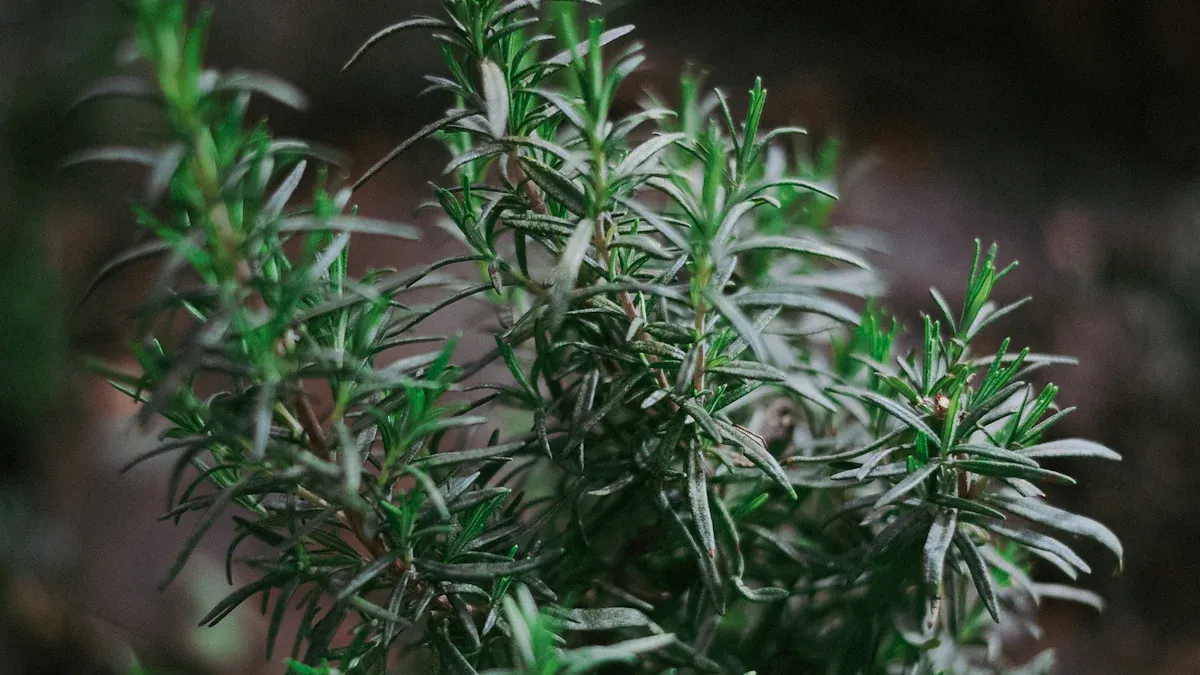
Rosemary is a truly remarkable herb. Its aromatic qualities and versatility make it a favorite for many. I find rosemary indispensable in my kitchen, enhancing everything from baked goods like rosemary cakes to refreshing cocktails. Chefs also use rosemary to infuse hot oil for cooking meats. This popular herb is also great in savory snacks.
Learning how to grow rosemary is a rewarding experience for any gardener. It’s easy to grow, and with proper care, a rosemary plant thrives, offering endless uses.
About the Rosemary Plant
What is Rosemary
I know rosemary as a fragrant, evergreen herb. It belongs to the mint family, Lamiaceae. People use it for cooking and for its medicinal properties. This plant has needle-like leaves and small flowers. It grows well in many climates. To understand rosemary better, I look at its scientific classification.
Classification Level | Name |
|---|---|
Kingdom | Plantae |
Clade | Tracheophytes |
Clade | Angiosperms |
Clade | Eudicots |
Clade | Asterids |
Order | Lamiales |
Family | Lamiaceae |
Genus | Salvia |
Species | S. rosmarinus |
Binomial Name | Salvia rosmarinus |
This classification shows rosemary is a distinct and valuable plant.
Benefits of Rosemary
I find rosemary offers many health benefits. This herb is more than just a culinary delight. It has properties that support overall well-being. Here are some of the key benefits I have learned about:
Antioxidant and Anti-inflammatory Properties: Rosemary is rich in compounds that fight damage in the body. These compounds also help reduce inflammation. They boost the immune system and improve blood flow.
Cognitive Stimulation: Rosemary can improve brain function. It helps with memory, alertness, and focus. I find its aroma alone can clear my mind.
Mood Improvement and Stress Relief: The scent of rosemary can lift your mood. It helps calm the mind and reduce stress. This is especially helpful for people feeling anxious.
Digestion Problems: People often use rosemary for digestive issues. It can help with heartburn, gas, and liver complaints. It also helps with loss of appetite.
Antibacterial Properties: Rosemary fights off bad bacteria. It can even help prevent infections like staph.
Potentially Reduced Risk of Cancer: Rosemary contains carnosic acid. This powerful antioxidant can slow cancer cell growth. It may also lower tumor risk.
Immune System Support: Carnosic and rosmarinic acids in rosemary have antibacterial, antiviral, and antifungal effects. They help reduce infection risk and support the immune system.
Stress Reduction: Studies show rosemary can reduce anxiety and stress. Some research shows it improves sleep quality.
Improved Memory and Concentration: Rosemary has a long history as a memory aid. Inhaling its essential oil can improve cognitive performance.
Metabolic Health and Blood Clot Formation: Rosemary contains manganese. This nutrient is important for metabolism. It also helps the body form blood clots, which aids healing.
Eye Health, Liver Function, and Asthma Risk: The natural chemicals in rosemary may improve eye health. They can also regulate liver function. They might even lower the risk of asthma.
I believe these benefits make rosemary a truly remarkable herb for health.
Types of Rosemary Plants
I have learned that rosemary comes in many forms. Gardeners generally categorize them into two main groups: upright shrubs and ground covers. Each group offers different types of rosemary to grow, suitable for various garden designs and uses. Understanding these different types of rosemary helps me choose the best one for my needs.
Upright Rosemary Varieties
Upright rosemary varieties grow tall and bushy. They are perfect for creating hedges, borders, or as central plants in a herb garden. I find these varieties often have a strong, classic rosemary flavor. Here are some popular upright rosemary plant varieties I have encountered:
‘Arp’ Rosemary: This is a truly remarkable cold hardy rosemary. It is more cold-hardy than most rosemary varieties. I know it can survive further north, thriving in USDA Zones 6-10. ‘Arp’ quickly forms an upright hedge. It can reach up to 6 feet tall and 2 to 4 feet wide. Its foliage is aromatic and needle-like.
These evergreen leaves have a very good flavor for culinary use. ‘Arp’ produces profuse, clear-blue flowers from spring through summer. These flowers add great landscape value. This rosemary is easy to care for and waterwise. It is non-toxic to cats and dogs, and I can use it for cooking. It also attracts pollinators. I appreciate its resilience; it is deer and rabbit resistant. It tolerates urban pollution and is suitable for coastal exposure.
‘Tuscan Blue’ Rosemary: I often see ‘Tuscan Blue’ in gardens. It is a popular choice for its robust growth and beautiful blue flowers. This variety has an upright spreading form. It typically reaches an average height of 6 feet and an average spread of 4 feet.
Other observations show it can mature to 3-4 feet tall and 3-4 feet wide, with a compact, upright growth habit. Some sources also indicate a height of 24-30 inches, making it ideal for containers. Its medium growth rate means it establishes well without becoming unruly too quickly.
‘Madalene Hill’ Rosemary: This is another excellent cold hardy rosemary. It can tolerate temperatures down to 0°F. I find it grows into a sturdy, upright shrub. It is known for its strong flavor, making it a favorite for cooking.
Trailing Rosemary Varieties
Trailing rosemary varieties spread along the ground or cascade over walls and containers. They make excellent ground covers or beautiful additions to hanging baskets. I enjoy their softer appearance compared to the upright types.
‘Prostratus’ Rosemary: This is a common trailing rosemary. It is perfect for ground cover or cascading over edges. I know it spreads 2-4 feet wide. It thrives in USDA Hardiness Zones 7-9. ‘Prostratus’ needs full sun. It requires moderate watering, especially in well-draining soil. I let the soil partially dry between waterings.
Once established, it becomes drought-tolerant. Its mature height is typically 6-12 inches. It spreads 24-36 inches. I space these plants 24-36 inches apart. Regular watering is important until it establishes. Container plants need regular watering and excellent drainage to keep the soil barely moist.
It prefers a soil pH of 6.0-7.0. Fertilizing is not necessary. This rosemary tolerates heat and resists deer. It is a great edible plant. I have also learned that it tolerates rocky, alkaline soil. It fails in heavy, clay soils. I plant it in fall in low-desert regions or spring in high elevation zones. Established plants need watering every two to three weeks in summer. In winter, I water once a month in low deserts. In high elevation zones, I rely on rainfall.
Unique Rosemary Cultivars
Beyond the main upright and trailing categories, I have discovered some unique rosemary varieties. These offer special characteristics for specific gardening needs.
‘Blue Boy’ Rosemary: This is one of the tiniest rosemary cultivars. It reaches a height of only 16 inches. It has fragrant, green, narrow-lobed leaves. It produces showy pale blue flowers in mid-summer. ‘Blue Boy’ is slow-growing. This makes it ideal for edging gardens or planting in containers.
It is sturdy, heat, and drought resistant. Bees are particularly fond of its flowers. I also know it matures to 10-12 inches tall and 18-24 inches wide. This makes it a tidy and compact cultivar. Its evergreen green foliage has a spicy scent. The blue blooms in spring are sweet pastel blue and attract bees. I use it in rock gardens, pots, and as a fragrant foliage plant. Its small leaves are good for cooking, though I need many due to their tiny size. It resists deer and tolerates seaside/salt conditions and drought once established.
Choosing Your Rosemary Type
When I choose among the different types of rosemary, I consider several factors. First, I think about my climate. Some rosemary varieties are more cold-hardy than others. For example, ‘Arp’ and ‘Madalene Hill’ are excellent choices if I live in a colder region.
Rosemary Variety | Cold Hardiness |
|---|---|
‘Alcalde’ | -10°F |
‘Arp’ | -10°F |
‘Athens Blue Spire’ | 6°F |
‘Madalene Hill’ | 0°F |
General Rosemary (Zones 5, 6, 7) | Can be overwintered with planning, but not consistently rated for -10°F to -20°F |
I also consider the space available. Upright types of rosemary to grow need more vertical room. Trailing types are better for spreading or cascading. Finally, I think about how I will use the rosemary plant. Some varieties have stronger flavors for cooking. Others are more ornamental. I find that exploring the many rosemary varieties is part of the fun of gardening.
How to Grow Rosemary
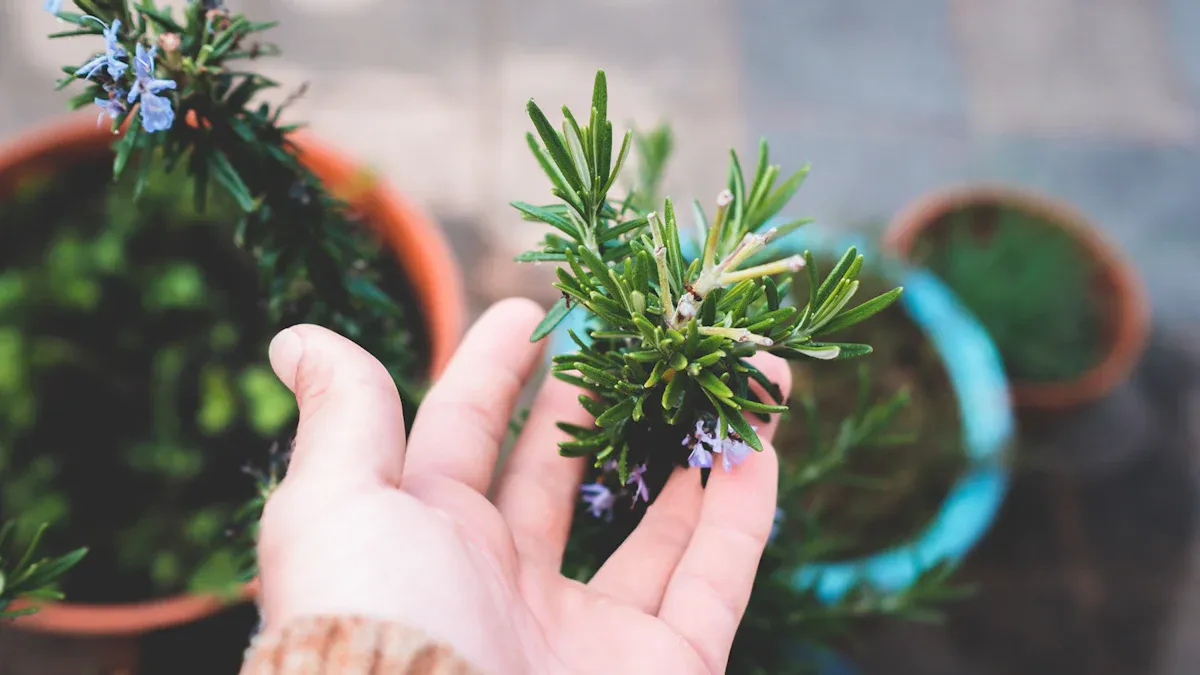
I find learning how to grow rosemary is a rewarding experience. This herb is quite resilient, but it does have specific needs to thrive. I always make sure to provide the right environment for my rosemary plant.
Ideal Growing Conditions
I know rosemary prefers full sun. This means it needs at least six to eight hours of direct sunlight daily. I always choose a sunny spot in my garden or a bright window for my potted rosemary. It also thrives in light, well-drained soil. The soil pH should be between 6 and 7. I find this slightly acidic to neutral range works best.
To improve existing soil, I add a few inches of aged compost-enriched material. For in-ground planting, I amend the top 6 inches of native soil. I mix in coarse sand and compost. This enhances drainage, which is crucial for rosemary. I also ensure good drainage by using materials like Florida Oyster Shells at the bottom of my pots before adding premium potting mix. These rosemary growing conditions are key to a healthy plant.
Starting Rosemary from Seed
I have tried starting rosemary from seed, but I find it can be challenging. Rosemary seeds often have a low germination rate. They also take a long time to sprout. If I choose this method, I sow the seeds indoors about 10 weeks before the last frost. I lightly cover the seeds with soil. I keep the soil consistently moist but not waterlogged. I also provide warmth and bright light. Patience is important when starting rosemary from seed.
Propagating Rosemary Cuttings
I find propagating rosemary from cuttings is much easier and more reliable than starting from seed. This is my preferred method to grow new rosemary plants. I take 4- to 6-inch cuttings from a healthy, mature rosemary plant. I make sure the cutting has new growth. I strip the leaves from the bottom 2 inches of the cutting. Then, I can place the cuttings in a glass of water. I change the water every few days. Roots usually appear in a few weeks.
Alternatively, I dip the cut end in rooting hormone. Then I plant it directly into a small pot filled with a well-draining potting mix. I keep the soil moist and place the pot in a warm, bright spot. I usually see new growth, which tells me the cutting has rooted successfully.
Planting Rosemary in Pots
I often grow rosemary in containers. This allows me to move the plant indoors during colder months. When I plant rosemary in pots, I prioritize excellent drainage. I use a pot with drainage holes. I also make sure the potting mix is suitable.
Rosemary thrives in well-draining soil. This soil mimics the sandy, gritty conditions of its native Mediterranean environment. A balanced potting mix for rosemary typically consists of two-thirds compost and one-third horticultural sand or grit.
Compost provides essential nutrients. Horticultural sand or grit promotes drainage and aeration. These are crucial for healthy root development. The sandy and porous nature of the soil mix allows for optimal oxygen circulation around the roots. This prevents soil compaction and waterlogging.
I can also create my own potting mix. I use 1 part peat moss, 1 part perlite or vermiculite, and 1 part high-quality potting soil. I sometimes add ¼ to ½ part sand if my potting soil does not already contain sand. When I choose an off-the-shelf potting mix, I look for one suitable for Mediterranean herbs. It should also have fast permeability.
Top contenders often incorporate drainage boosters like gravel, sand, perlite, or bark. Examples I have used include Miracle-Gro Cactus, Palm & Citrus Mix, Espoma Organic Cactus Mix, Sun Gro Black Gold Cactus Soil Mix, and FoxFarm Ocean Forest Potting Soil. This is how to grow rosemary in a container successfully.
Planting Rosemary in the Ground
When I plant rosemary in the ground, I choose a location with full sun and well-drained soil. If my soil is heavy clay, I amend it significantly. I dig a hole twice as wide as the root ball. I mix in plenty of compost and coarse sand to improve drainage. I carefully remove the rosemary plant from its nursery pot. I loosen any circling roots. I place the plant in the hole so the top of the root ball is level with the ground. I backfill with the amended soil. I gently pat it down.
When planting rosemary in garden beds, I space the plants 2 to 3 feet apart. This gives them enough room to grow and allows for good air circulation. After planting young rosemary plants, I ensure thorough watering. This helps settle the soil around the roots. Once established, rosemary is quite drought-tolerant.
Rosemary Plant Care
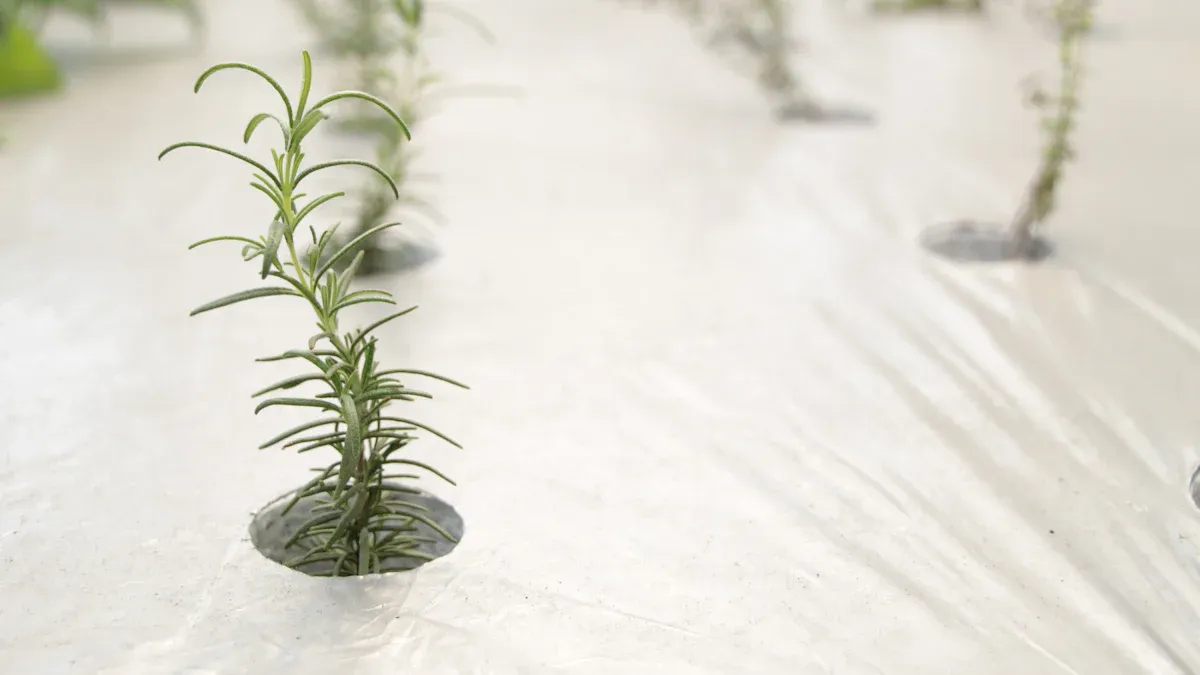
I know proper rosemary plant care helps this wonderful herb thrive. Rosemary is a resilient plant. It needs specific conditions to grow its best. I focus on these key areas for healthy rosemary.
Watering Rosemary
I find watering rosemary correctly is very important. Rosemary does not like constantly wet conditions. Overwatering is a common reason for plant death. Rosemary comes from the Mediterranean. It prefers dry conditions. I let the soil dry out between waterings.
I watch for signs of underwatering. The leaves may look wilted or yellow. They can become brittle, shriveled, or crispy. The edges might curl inward. In severe cases, the plant may shed withered leaves. This helps it save energy. Growth can become stunted or very slow. In potted plants, the soil may pull away from the container edges. The roots might be brittle and easily breakable. Healthy roots are pliable.
I note that some rosemary varieties, like Trailing Rosemary, may prefer slightly more moisture. I still ensure good drainage for these types.
Sunlight Requirements
Rosemary loves the sun. I always give my rosemary plant full sun exposure. This means at least six to eight hours of direct sunlight every day. Sunlight is crucial for its health and fragrance.
If rosemary does not get enough sun, I see several problems. The plant can develop leggy growth. It might not produce many flowers. The leaves can turn pale green or yellow. They may also become limp. Low vigor and stunted growth occur because the plant cannot perform photosynthesis well. It cannot produce enough energy. The plant also loses its strong fragrance. It needs 6-8 hours of UV light for aromatic rosemary. Pale or yellowing leaves show the plant struggles to produce chlorophyll. Leggy growth means stems stretch towards the sun. This often happens with container plants.
Soil and Drainage
I know good soil and drainage are vital for rosemary. Rosemary needs light, well-drained soil. Its native environment has sandy, gritty conditions. I make sure my soil mimics this.
Poor drainage can harm rosemary roots. I look for yellowing leaves. A bad smell might come from the plant. The roots can have brown or black lesions. They might also be dark and mushy. Overwatering and heavy clay soil cause poor drainage. This leads to root rot in rosemary. I always use a potting mix with good drainage. I add coarse sand or grit to my garden soil if it is too heavy.
Fertilizing Rosemary
I fertilize rosemary lightly. Too much fertilizer can hurt the plant. I use a balanced, slow-release fertilizer. This fertilizer has a good mix of nitrogen (N), phosphorus (P), and potassium (K). I lean towards more P and K. This encourages blooms. I avoid too much nitrogen. Micronutrients are also important. Calcium, magnesium, and sulfur help with robust growth and blooming. I can also use well-rotted manure as an organic option. I apply it in autumn.
Pruning Rosemary
I prune my rosemary to keep it bushy and healthy. Pruning also helps maintain its shape and size. I prune new growth after the plant blooms in spring. This prevents a scraggly look. It encourages side branching. This makes the plant bushier. I avoid cutting into woody stems.
In late spring or early summer, I cut back the plant by about one-third of its height. I focus on trimming green, succulent stems. I avoid the woody base. This promotes new growth. Throughout the summer, I trim overgrown stems as needed. I stop pruning by early September. This allows new growth to harden before the first frost.
Pest and Disease Control
I watch for common pests and diseases on my rosemary. Early detection helps me control them.
Pest | Description | Organic Control Methods |
|---|---|---|
Spittlebugs (Froghoppers) | Frothy white foam around stems/leaves, produced by larvae. | I wash off foam and bug with a strong jet of water. |
Glasshouse and Sage Leafhoppers | Small (2-3mm) sap-sucking insects causing small spots on leaves. | I move the plant outdoors for natural predators. I use yellow sticky traps. I vacuum on low-power suction. |
Rosemary Beetle | 6-8mm long adult beetles and greyish-white slug-like larvae (8mm) that eat leaves and flowers. | I vigorously shake the plant to dislodge beetles into a container. I squash grubs. I prune damaged areas. |
Tortrix Moth (Leafroller grubs) | Caterpillars use silk to stitch leaves together, eating leaves and sometimes stems, causing brown patches. | I remove affected parts. I squash grubs or leave them for birds. |
Powdery Mildew | Common fungal disease, usually on indoor plants, causing unsightly appearance. Can lead to leaf/stem death if untreated. | I prune affected parts. I move indoor plants to full sun outdoors. I water the compost, not the leaves. I ensure good ventilation and reduce humidity. I use home-brew sprays like sodium bicarbonate or dilute milk. |
Other common invertebrate pests include aphids, spider mites, and whiteflies. Phytophthora root and crown rot can also affect rosemary. I always check my plants regularly.
Overwintering Rosemary
I protect my rosemary from winter frost. This is especially important in colder climates.
Hardy varieties: I choose varieties like ‘Arp’ or ‘Hills Hardy’ (‘Madalene Hill’). These are hardy to zone 6.
Protected planting site: I select a location that offers protection from extreme weather. A sunny, south-facing wall of my home works well.
Heavy mulch: I apply a thick layer of mulch upon the first frost. This insulates the plant.
Portable cold frame: I use a small, portable cold frame. It traps solar heat. It keeps temperatures above critical lows.
Snow cover: I allow snow to accumulate. It acts as a natural insulator. It protects plants from extreme cold.
Overwintering indoors: I move potted rosemary indoors. I place it in a cool (50-60 degrees Fahrenheit) and brightly lit location. I use grow lights if natural light is not enough.
Double-pot method: I place the rosemary pot inside a larger pot. I fill the space between them with loose insulating leaves like oak.
Burlap wrapping: I loosely wrap burlap around a pot. I leave room to stuff insulating leaves inside.
In-ground protection: For rosemary planted in the ground, I create a box around it. I use burlap staked on four sides. I fill the space with insulating leaves after the ground freezes.
Elevate containers: I lift pots off cold cement floors using bricks. This prevents freezing from below.
These steps help my rosemary survive the winter.
Uses for Rosemary
I find rosemary incredibly versatile. I use it in many ways around my home and garden. It adds flavor to food, offers health benefits, beautifies landscapes, and provides a wonderful aroma.
Culinary Uses
I often use rosemary in my cooking. Its strong, piney flavor enhances many dishes. I especially love it with roasted meats and vegetables. I also enjoy baking with it. For example, I make Mediterranean Rosemary Cornbread. When I bake it, the whole house smells like fresh rosemary. I also prepare Sheet-Pan Rosemary Chicken with Vegetables. This dish gets its comforting Mediterranean flavors from fresh rosemary, garlic, warm spices, lemon juice, and extra virgin olive oil. I always have fresh rosemary on hand for these recipes.
Medicinal Uses
Rosemary has a long history of medicinal use. Ancient cultures recognized its healing properties. Theophrastus, a Greek scholar, used rosemary root for wounds. He also used rosemary seed for various ailments. Dioscorides described rosemary as ‘warming.’ He used it for jaundice and as an energizing draught. Pliny, a Latin contemporary, also used rosemary root for wounds. He used the sap for jaundice. Galen described rosemary as an emollient. He used the sap of root and leaves with honey for eye issues. I appreciate rosemary’s historical significance in medicine.
Ornamental Uses
Rosemary is also a beautiful plant. I use it in my garden for its ornamental value. It is a versatile plant. I grow it in beds, borders, and containers. Its aromatic leaves make it an attractive landscape plant. Rosemary is evergreen and pollinator-friendly. It fills barren spots and provides year-round interest. Its deep-green foliage and numerous flowers add beauty to any landscape or pot. The flowers can be blue, white, purple, or pink.
Aromatic Uses
The scent of rosemary is one of its most appealing qualities. I love its fresh, invigorating aroma. This aroma comes from several key compounds.
Compound | Odor Activity Value (OAV) | Aroma Intensity (AI) |
|---|---|---|
1,8-cineole | 1869.27 | 9.4 |
Linalool | 1668.90 | >5 |
Ethyl decanoate | 1169.09 | 6.9 |
Camphor | N/A | 8.9 |
β-caryophyllene | <1 | 7.2 |
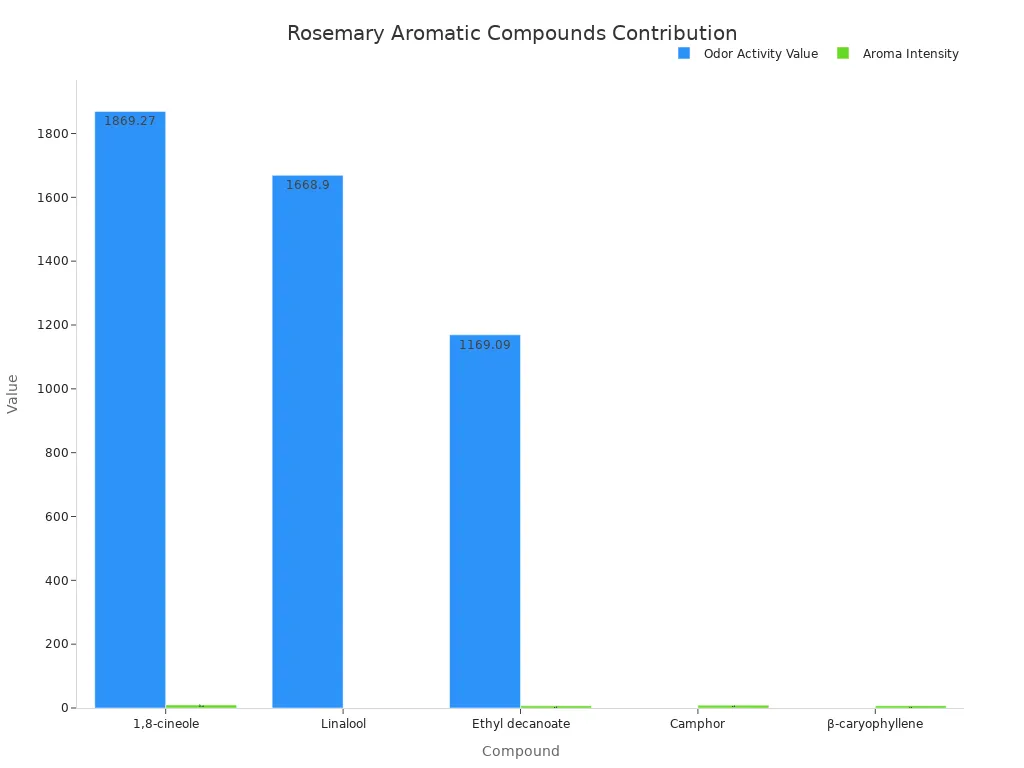
1,8-cineole has the highest Odor Activity Value. This means it contributes most to the overall aroma. Camphor also has a strong aroma intensity. I often crush a few fresh rosemary leaves to release their scent. I also use rosemary in potpourri. Knowing how to harvest rosemary properly helps me get the most aromatic leaves.
I have shared many details about rosemary. We explored different rosemary types, how to grow rosemary, and essential care. This amazing herb is so versatile. You can grow rosemary for cooking, medicine, or just its beauty. I encourage you to grow this resilient plant. It is truly rewarding to grow your own rosemary. You will love to grow it.