

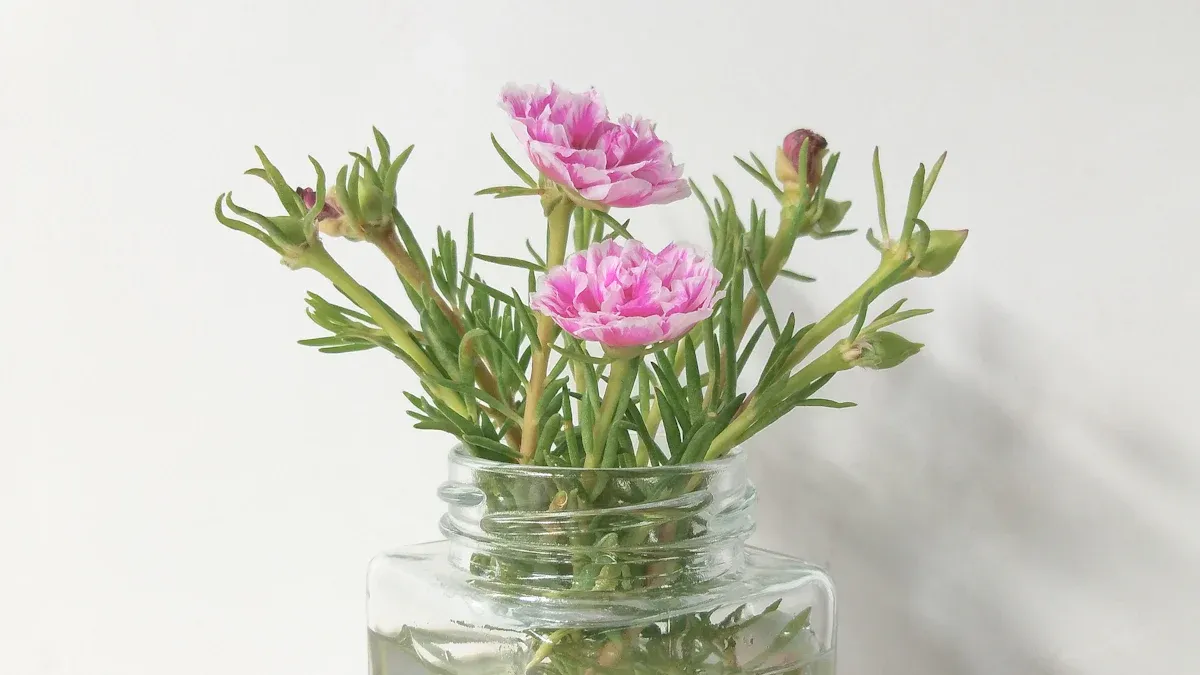
Pruning Portulaca plants is essential for keeping them healthy and vibrant. When you prune, you encourage new growth and more flowers, making your garden burst with color. Many gardeners wonder when the best time to prune is and how to do it without harming the plant. Don’t worry! With the right techniques, you can enhance your portulaca plant’s beauty while promoting its overall health.
Key Takeaways
Prune Portulaca plants in early spring to encourage new growth and vibrant blooms.
Use sharp pruning shears for clean cuts, which helps prevent damage to the plant.
Monitor your plants after pruning for signs of stress, pests, or diseases.
Remove spent flowers regularly to promote continuous blooming throughout the season.
Avoid over-pruning; always leave enough healthy leaves for the plant’s health.
Importance of Pruning Portulaca Plants
Pruning Portulaca plants is more than just a gardening chore; it’s a vital practice that can significantly boost your plant’s health and flowering potential. When you take the time to prune, you encourage your plants to thrive and flourish. Let’s dive into the benefits of pruning and how it can transform your Portulaca into a vibrant display of color.
Benefits for Plant Health
Pruning plays a crucial role in maintaining the overall health of your Portulaca plants. Here are some key benefits:
Encourages New Growth: By removing dead or spent foliage, you allow the plant to redirect its energy toward new growth. This rejuvenation helps your Portulaca stay lush and vibrant.
Prevents Disease: Regular pruning helps eliminate any diseased or damaged parts of the plant. This action reduces the risk of spreading infections and keeps your plant healthy.
Improves Air Circulation: Thinning out dense areas of foliage allows for better air circulation. Improved airflow helps prevent fungal diseases, which can be a concern in humid conditions.
Enhancing Flower Production
One of the most exciting aspects of pruning is its impact on flower production. When you prune your Portulaca, you can expect to see a boost in blooms. Here’s how:
Pinching Back Spent Blooms: When you pinch back spent flowers, you encourage the plant to produce new ones. This simple act can lead to a longer flowering season, extending the beauty of your garden well into the fall.
Promoting Bushier Growth: Pruning encourages your Portulaca to grow bushier. As you trim back leggy stems, the plant responds by producing more lateral branches, which can lead to an increase in flower buds. This means more blooms for you to enjoy!
Direct Impact on Bloom Size: Research shows that proper trimming can directly affect the number and size of blooms. By removing spent flowers and leggy foliage, you stimulate new growth, which encourages more flower buds to form. This results in larger and more abundant blooms.
Best Time for Pruning Portulaca
When it comes to pruning your Portulaca plants, timing is everything. Knowing the right season and recognizing the signs that indicate when to prune can make a big difference in your plant’s health and flowering. Let’s explore the best times to get those shears out!
Seasonal Considerations
The ideal time for pruning Portulaca plants is early spring, just before new growth starts to emerge. This timing allows you to:
Remove any dead or diseased growth.
Improve air circulation around the plant.
Reduce the risk of fungal diseases that can thrive in dense foliage.
By pruning in early spring, you set your Portulaca up for a successful growing season. 🌱
Signs for Pruning
Besides knowing the right season, you should also look for specific signs that indicate it’s time to prune. Here are a few key indicators:
Leggy Growth: If you notice long, spindly stems with few leaves, it’s time to trim. This will encourage bushier growth and more blooms.
Spent Flowers: Once flowers fade, pinch them off. This not only tidies up the plant but also encourages new blooms to form.
Yellowing Leaves: If you see leaves turning yellow or brown, it’s a sign of stress. Pruning these leaves can help the plant focus its energy on healthier parts.
By paying attention to these signs, you can keep your Portulaca plants looking their best. Remember, a little pruning goes a long way in promoting vibrant growth and beautiful flowers! 🌼
Pruning Techniques for Moss Rose
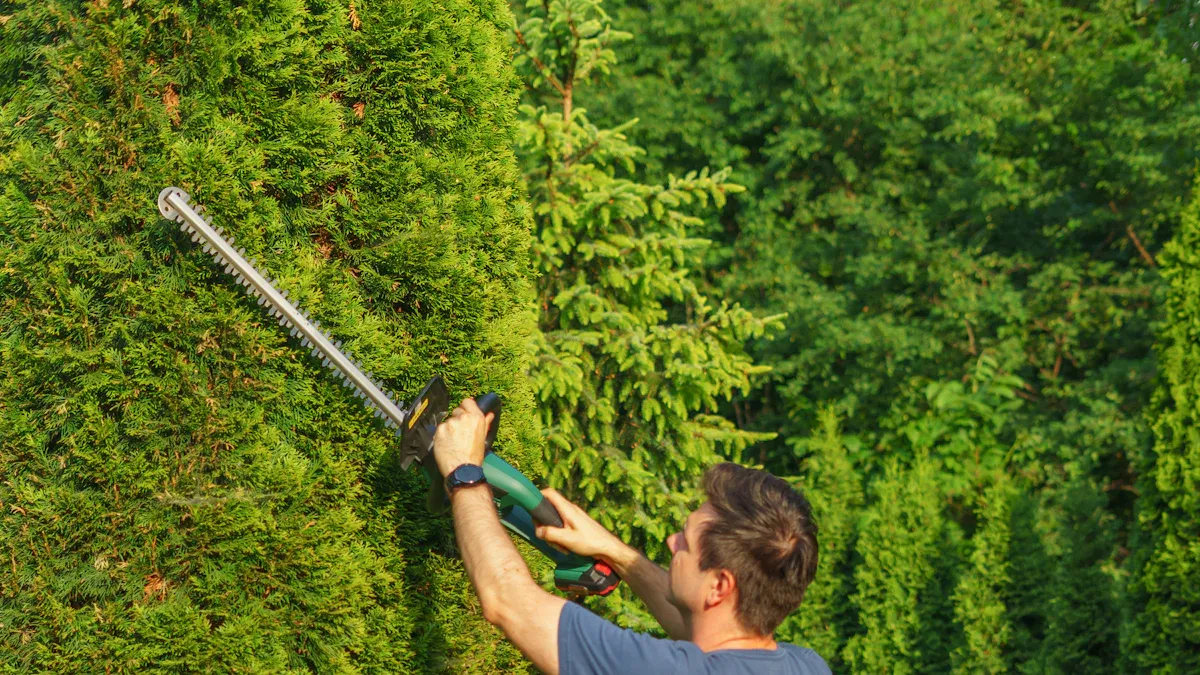
When it comes to pruning your moss rose plants, having the right tools and knowing the proper techniques can make all the difference. Let’s explore what you need to get started and how to prune your Portulaca grandiflora effectively.
Tools for Pruning
Before you dive into pruning, gather the necessary tools. Here’s a list of what you’ll need:
Sharp Pruning Shears: A good pair of shears will make clean cuts, which helps prevent damage to the plant.
Gloves: Protect your hands from thorns and any potential irritants.
Trowel: This can help you remove any dead or spent foliage from the soil level.
Bucket or Bag: Use this to collect the cuttings and keep your workspace tidy.
Having the right tools ensures that you can prune efficiently and safely.
Pruning Process Explained
Now that you have your tools ready, let’s go through the pruning process step by step. Follow these simple instructions to keep your moss rose plants healthy and blooming beautifully:
Inspect Your Plant: Start by examining your Portulaca grandiflora. Look for any dead, damaged, or diseased stems and leaves. Identifying these areas will help you focus your pruning efforts.
Remove Dead or Diseased Growth: Using your sharp pruning shears, cut away any dead or unhealthy parts of the plant. Make your cuts just above a leaf node to encourage new growth. This step is crucial for maintaining the health of your moss rose plant.
Pinch Back Spent Blooms: If you see any faded flowers, pinch them off. This not only tidies up the plant but also encourages it to produce more blooms. You can do this with your fingers or use your shears for a cleaner cut.
Trim Leggy Stems: If your moss rose has long, spindly stems, trim them back to promote bushier growth. Cut just above a leaf node to stimulate lateral branching. This will lead to a fuller plant with more flowers.
Clean Up: After you finish pruning, collect all the cuttings and dispose of them properly. This helps prevent any potential diseases from spreading to your healthy plants.
Water and Fertilize: After pruning, give your moss rose plant a good drink of water. You might also consider applying a balanced fertilizer to support new growth.
By following these steps, you’ll ensure that your moss rose plants thrive and produce an abundance of beautiful blooms. Remember, regular pruning is key to keeping your Portulaca plants looking their best!
Pruning and Maintenance Aftercare
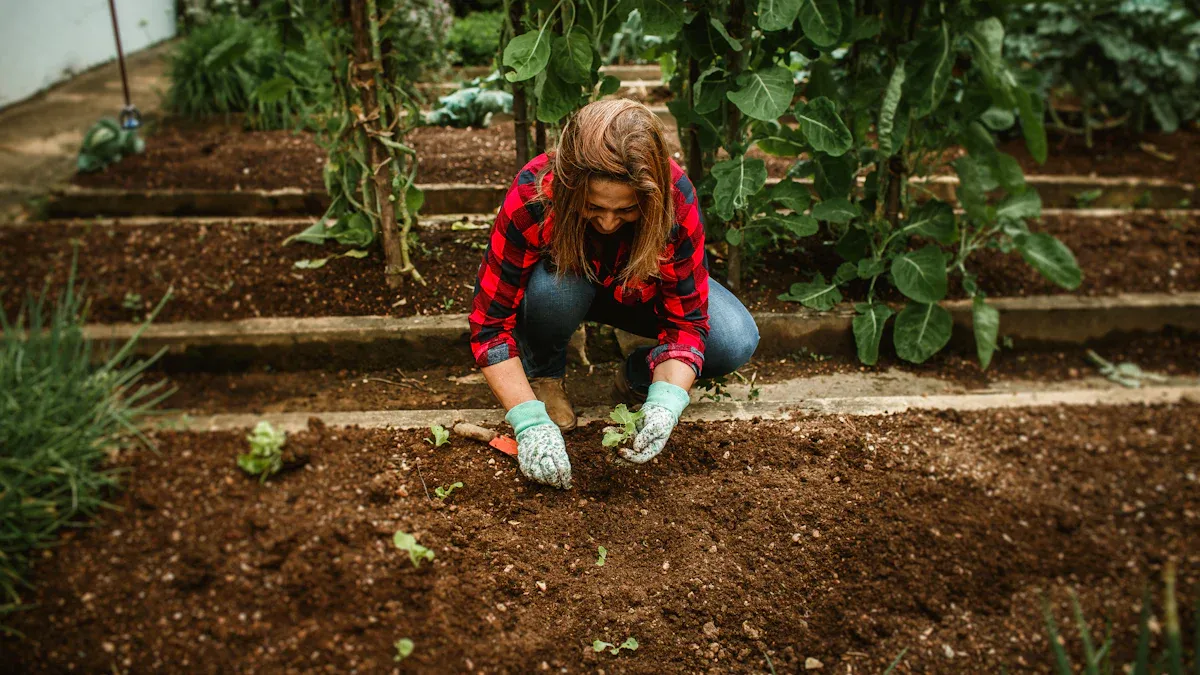
After you finish pruning your Portulaca plants, proper aftercare is essential for their recovery and continued growth. This includes watering, fertilization, and monitoring their health. Let’s break down these important steps.
Watering and Fertilization
Right after pruning, your Portulaca plants need a little extra attention. Here’s what you should do:
Watering: Give your plants a good drink of water. This helps them recover from the stress of pruning. Ensure the soil is moist but not soggy. Portulaca thrives in well-draining soil, so avoid overwatering.
Fertilization: About a week after pruning, consider applying a balanced fertilizer. This will provide the nutrients your plants need to bounce back and promote new growth. Look for a fertilizer that’s specifically designed for flowering plants to maximize bloom production.
By following these tips, you’ll set your Portulaca plants up for success!
Monitoring Plant Health
Keeping an eye on your plants after pruning is crucial. Here are some indicators to watch for:
Regular Deadheading: Continue to pinch off any spent blooms. This encourages your Portulaca to produce even more flowers.
Pest Monitoring: Check for any signs of pests. Aphids and spider mites can be common nuisances. If you spot any, take action quickly to prevent infestations.
Disease Checks: Look for any signs of disease, such as yellowing leaves or unusual spots. Early detection can save your plants from serious issues.
By monitoring these aspects, you’ll ensure your Portulaca plants remain healthy and vibrant. Remember, pruning and maintenance go hand in hand for the best results!
Common Mistakes in Pruning Portulaca
Pruning your Portulaca plants can be rewarding, but it’s easy to make mistakes. Let’s look at two common pitfalls that can hinder your plants’ growth and flowering.
Over-Pruning Issues
One of the biggest mistakes you can make is over-pruning your moss rose plants. While trimming is essential, cutting too much can harm your plants. Here’s what you should keep in mind:
Leave Enough Foliage: Always ensure you leave enough healthy leaves on the plant. These leaves are vital for photosynthesis, which helps your Portulaca thrive.
Avoid Cutting Too Late in the Season: Pruning too late can prevent your plants from recovering before winter. This can lead to weak growth in the spring.
Know When to Stop: If you find yourself unsure, it’s better to err on the side of caution. A little pruning goes a long way!
Remember, for Portulaca plants, particularly varieties like Portulaca ‘Balriowite’, regular pruning is crucial for maintaining health and promoting new blooms. Deadheading spent flowers encourages further flowering, so focus on that instead of excessive trimming.
Ignoring Plant Needs
Another common mistake is ignoring the specific needs of your Portulaca. Each plant has unique requirements, and understanding these can make a significant difference. Here are some tips to help you:
Observe Growth Patterns: Pay attention to how your moss rose plants grow. If they appear leggy or sparse, they may need more frequent pruning.
Consider Environmental Factors: Factors like sunlight, soil quality, and water can affect how much you should prune. Make adjustments based on your plant’s environment.
Listen to Your Plants: If your Portulaca shows signs of stress, such as yellowing leaves or stunted growth, it may be time to reassess your pruning strategy.
By being mindful of these common mistakes, you can ensure your Portulaca plants remain healthy and vibrant. Pruning is an art, and with the right tips, you can master it!
In summary, pruning your Portulaca plants is essential for their health and beauty. Here are the key takeaways:
Prune in early spring to promote new growth.
Use sharp tools for clean cuts and avoid over-pruning.
Monitor your plants after pruning to ensure they thrive.
By following these tips, you can enjoy a vibrant display of blooms all season long! 🌼 So, grab those shears and get started on your pruning journey today! Happy gardening! 🌱
FAQ
What tools do I need for pruning Portulaca plants?
You’ll need sharp pruning shears, gloves, a trowel, and a bucket or bag for collecting cuttings. These tools help you prune effectively and keep your workspace tidy.
How often should I prune my Portulaca?
Prune your Portulaca plants in early spring and regularly throughout the growing season. Remove spent blooms and leggy growth to encourage bushier plants and more flowers.
Can I prune Portulaca in the fall?
It’s best to avoid pruning in the fall. Pruning too late can stress the plant before winter. Stick to early spring for optimal results.
What should I do if my Portulaca looks unhealthy?
If your Portulaca shows signs of stress, like yellowing leaves or stunted growth, inspect for pests or diseases. Prune away any dead parts and adjust care as needed.
How can I tell if I over-pruned my Portulaca?
If your Portulaca looks sparse or has few leaves, you may have over-pruned. Always leave enough healthy foliage for photosynthesis to keep your plant thriving.