


Growing your own Greek oregano can transform your herb garden into a vibrant oasis. Not only does fresh oregano pack a flavorful punch in your dishes, but it also boasts numerous health benefits. Fresh oregano is rich in phytonutrients, acting as powerful antioxidants. In fact, while dried oregano has higher vitamin K content, fresh oregano still offers a great nutritional boost. Plus, there’s something incredibly satisfying about nurturing a plant from cutting to harvest. So, why not dive in and learn how to propagate Greek oregano?
Key Takeaways
Choose healthy cuttings from a young stem, about 5-8 inches long, to start propagating Greek oregano.
Root cuttings in water by submerging leaf nodes and placing them in a warm spot with indirect sunlight for best results.
Transplant cuttings into well-draining potting mix once roots are 2-3 inches long, ensuring proper spacing for growth.
Water Greek oregano moderately, allowing the soil to dry out between waterings to prevent root rot.
Provide at least 6 hours of sunlight daily to keep your oregano healthy and thriving.
How to Propagate Greek Oregano by Cuttings
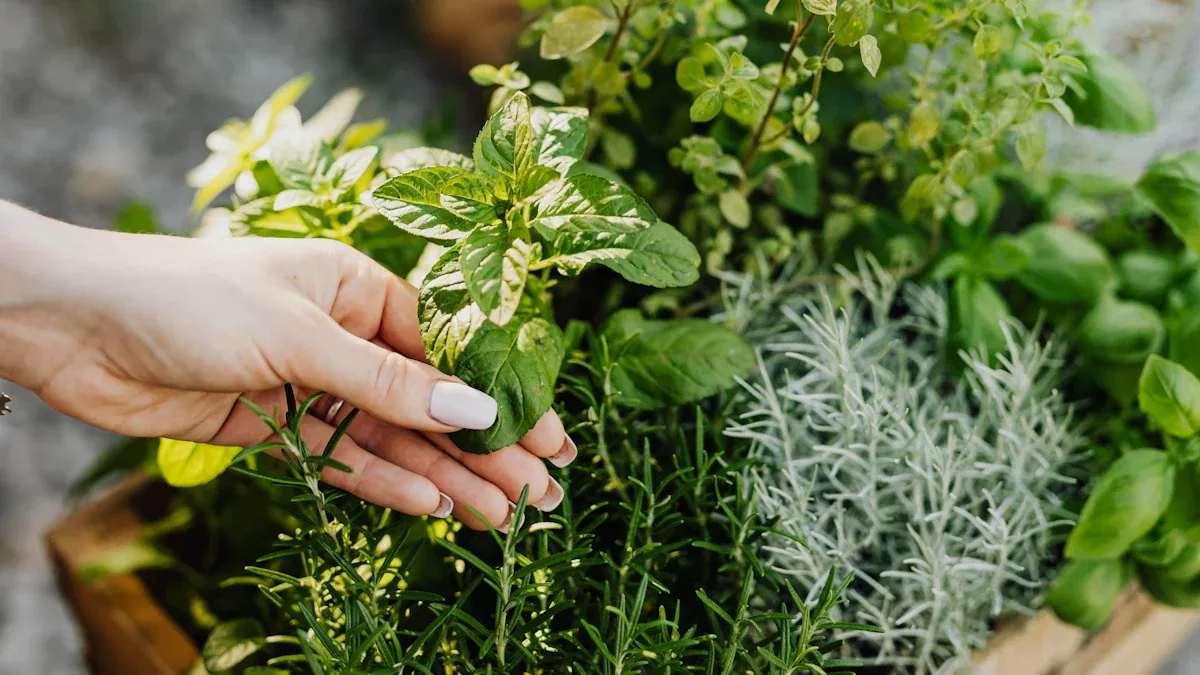
Preparing Cuttings
To start propagating Greek oregano, you need to take cuttings from a healthy plant. This process is simple and rewarding. Here’s how you can do it:
Choose the Right Stem: Look for a fresh, young stem that is about 5-8 inches long. This length is ideal for optimal cutting propagation.
Make the Cut: Use clean, sharp scissors or pruning shears to cut just above a leaf node. This is important because the leaf node is where new roots will develop. Cutting above the node encourages growth and helps the plant thrive.
Remove Lower Leaves: Trim off the lower leaves from the cutting. This prevents the leaves from rotting when you place the cutting in water.
Taking care of these details will set you up for success in propagating Greek oregano.
Rooting in Water
Once you have your cuttings prepared, it’s time to root them in water. This method is straightforward and allows you to see the roots develop. Here’s what you need to do:
Place in Water: Fill a glass or jar with water and place the cuttings in it. Ensure that the leaf nodes are submerged, but the leaves themselves are above the waterline.
Ideal Conditions: For the best results, keep the cuttings in a warm spot with plenty of indirect sunlight. The ideal temperature for rooting is between 65-70°F. A sunny north-facing window works well for this.
Wait for Roots: Roots should start appearing in about a week. However, it’s best to wait a few weeks for a good network of roots to form before planting the cutting. This will give your new plant a strong start.
Tip: Dipping the cuttings in rooting hormone before placing them in water can promote root growth. This simple step can significantly increase your success rate.
By following these steps, you’ll be well on your way to propagating Greek oregano successfully. Remember, patience is key, and soon you’ll have fresh oregano ready for your culinary adventures!
Transplanting Greek Oregano Cuttings

Once your Greek oregano cuttings have developed a robust root system and show signs of new growth, it’s time to transplant them into potting mix. This step is crucial for ensuring your plants thrive in their new environment. Here’s how to do it:
Choose the Right Time: Wait until the roots are at least 2-3 inches long. This indicates that your cuttings are ready for transplanting.
Prepare the Potting Mix: Use a well-draining potting mix. Greek oregano prefers soil that allows excess water to escape, as it’s susceptible to root rot.
Transplanting Process:
Make a hole in the potting mix with your finger or a stick.
Gently place the cutting into the hole, ensuring the roots are covered but the leaves remain above the soil.
Firm the soil around the base of the cutting to provide support.
When transplanting, consider the spacing between your plants. For optimal growth, you should:
Transplant Greek oregano plants 12 inches apart in rows that are 18 inches apart.
Set plants at their original depth, spacing them 12 to 18 inches (30 to 45 cm) apart.
Ideal conditions for transplanting include a temperature range of 60 to 80°F. This range helps your cuttings adjust to their new home. Keep in mind that excessive humidity can lead to root rot, so ensure good airflow around your plants.
Tip: Overwatering is the greatest threat to oregano. Water your newly transplanted cuttings lightly and allow the soil to dry out between waterings. This will help prevent root rot and promote healthy growth.
By following these steps, you’ll successfully transplant your Greek oregano cuttings and set them up for a flourishing future in your herb garden!
Care Requirements for Greek Oregano
To keep your Greek oregano thriving, you need to pay attention to its care requirements. This herb loves the right balance of water, light, and soil conditions. Let’s break it down!
Watering Needs
Greek oregano prefers a moderate watering schedule. Overwatering can lead to root rot, so it’s essential to find that sweet spot. Here’s a quick guide on how often to water your oregano during different growth stages:
Growth Stage | Water Frequency | Conditions |
|---|---|---|
General Care | 0.5 cups every 9 days | No direct sunlight, 5″ pot |
During the early stages, you might need to water more frequently. As your plant matures, adjust your watering to keep the soil slightly dry between waterings. Always check the top inch of soil; if it feels dry, it’s time to water!
Light Conditions
Light is crucial for healthy growth. Greek oregano needs at least 6 hours of sunlight each day. Here’s what you should know about its light requirements:
It thrives in full sun, especially as it matures.
During the early stages, indirect sunlight can help your cuttings acclimate before they transition to full sun.
Soil Requirements
The right soil can make all the difference in your oregano’s health. Greek oregano is adaptable and can thrive in various soil types. Here are some key points to consider:
Soil Type: It does well in both rich and poor calcareous soils.
pH Level: Aim for a soil pH of around 6.8, but it can also flourish in soils with higher pH levels.
Drainage: Good drainage is essential. You can improve drainage by adding:
Rich compost: This provides essential nutrients.
A dash of perlite: This enhances aeration and prevents waterlogging.
By ensuring your Greek oregano has the right watering, light, and soil conditions, you’ll set the stage for a healthy and productive herb garden. Remember, the goal is to create an environment where your oregano can flourish and provide you with fresh herbs for your culinary creations!
Common Mistakes When Propagating Greek Oregano
When you start propagating Greek oregano, it’s easy to make a few common mistakes. These slip-ups can hinder your plant’s growth and overall health. Let’s look at some of these pitfalls and how you can avoid them.
Overwatering
One of the biggest mistakes you can make is overwatering your oregano cuttings. While it might seem like a good idea to keep the soil moist, too much water can suffocate the roots. Here’s how overwatering affects your plants:
Wilting: Your oregano may look wilted, even if the soil feels wet. This happens because the roots can’t absorb enough oxygen.
Yellowing Leaves: If you notice yellow leaves that fall off, it’s a sign of root rot caused by excessive moisture.
Stunted Growth: Overwatered plants often struggle to grow tall or quickly, as their roots can’t absorb the nutrients they need.
To avoid overwatering, always check the top inch of soil. If it feels dry, it’s time to water. Remember, it’s better to underwater than to overdo it!
Neglecting Light Needs
Another common mistake is not providing enough light. Greek oregano thrives in full sun, needing at least six hours of sunlight daily. If your cuttings don’t get enough light, they may become leggy and weak. Here are some tips to ensure your oregano gets the light it needs:
Choose the Right Spot: Place your cuttings in a location where they can soak up plenty of indirect sunlight. A south-facing window is often ideal.
Rotate Your Plants: If you notice one side of your plant growing faster than the other, rotate it regularly to ensure even light exposure.
By avoiding these mistakes, you’ll set your Greek oregano up for success. Keep an eye on your watering habits and light conditions, and you’ll enjoy a thriving herb garden in no time! 🌱
In summary, propagating Greek oregano is a rewarding journey that enhances your herb garden. By following the right techniques—like taking cuttings and ensuring proper care—you’ll enjoy fresh herbs year-round. Remember these key benefits:
Oregano is resilient and drought-tolerant.
It attracts pollinators and repels pests.
As a perennial, it requires minimal maintenance.
With these tips, you can cultivate a thriving oregano plant that not only enriches your cooking but also supports sustainable gardening practices. Happy gardening! 🌱
FAQ
How long does it take for Greek oregano cuttings to root?
Rooting typically takes about 1 to 3 weeks. You’ll see roots forming in water within a week, but waiting a bit longer ensures a stronger root system before transplanting.
Can I grow Greek oregano indoors?
Absolutely! Greek oregano thrives indoors with plenty of sunlight. Place it near a south-facing window where it can receive at least 6 hours of indirect sunlight daily.
What pests should I watch for with Greek oregano?
Common pests include aphids and spider mites. Keep an eye out for any unusual spots or webbing on your plants. If you spot pests, treat them promptly with insecticidal soap or neem oil.
How often should I fertilize my Greek oregano?
Fertilize your Greek oregano every 4 to 6 weeks during the growing season. Use a balanced, water-soluble fertilizer at half strength to promote healthy growth without overwhelming the plant.
Can I use dried oregano instead of fresh?
Yes, you can! Dried oregano has a more concentrated flavor, so use less than you would with fresh. However, fresh oregano offers a vibrant taste and aroma that enhances your dishes beautifully.