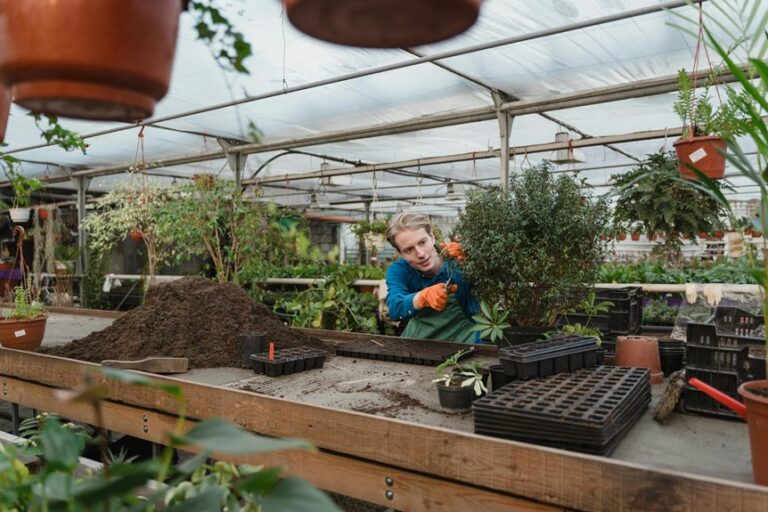
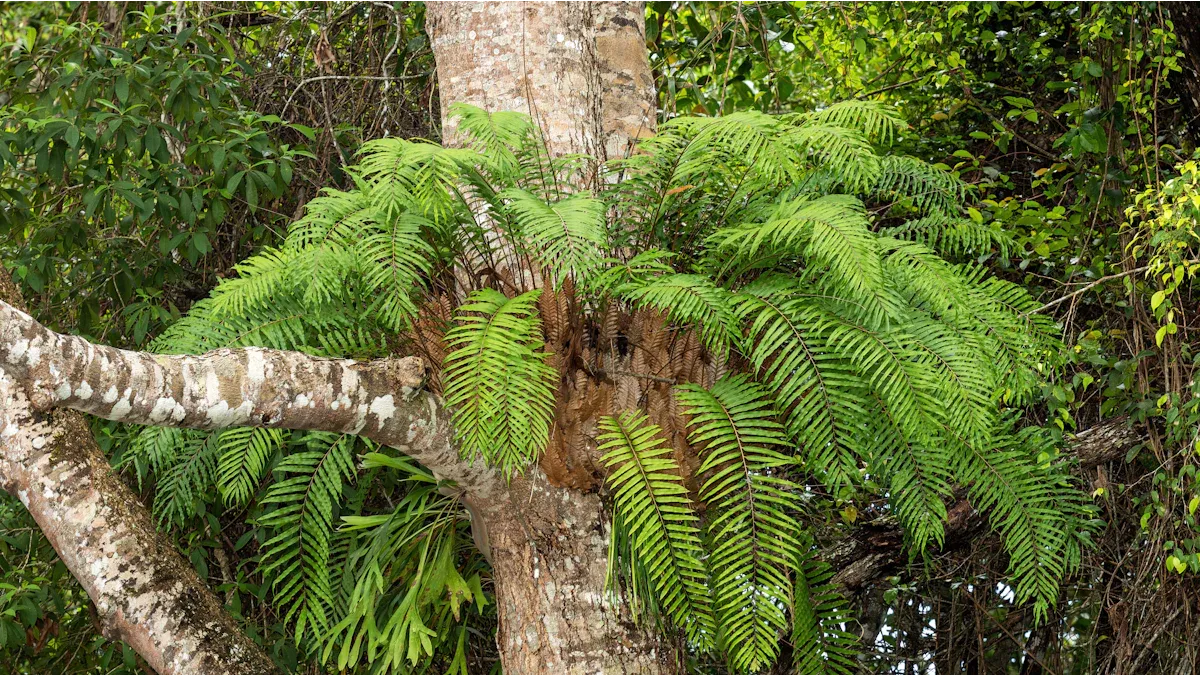
Are you ready to dive into the world of Australian tree ferns? These stunning plants, like Cyathea australis and Cyathea cooperi, can truly transform your garden. To propagate Australian tree ferns successfully, it’s crucial to use the right techniques. Proper methods not only increase your chances of success but also make the experience more enjoyable. Watching these beautiful ferns grow can be incredibly rewarding. So, let’s explore how you can bring a piece of Australia into your own backyard!
Key Takeaways
Timing is crucial for propagation. Start in spring or early summer for the best results.
Gather essential materials like a sharp knife, suitable containers, and the right soil mix to support healthy growth.
Choose between division and spore propagation methods, each offering unique benefits for growing tree ferns.
Maintain high humidity and provide indirect light to help your ferns thrive after propagation.
Regularly check for pests and diseases to ensure your tree ferns stay healthy and vibrant.
Best Time to Propagate Australian Tree Ferns
When you decide to propagate Australian tree ferns, timing is everything! The best seasons for propagation depend on your local climate. Here are some tips to help you choose the right time:
Spring: This is often the best time to start. As temperatures rise, your tree ferns will wake up from their winter dormancy. New growth begins, making it easier for you to propagate Australian tree ferns successfully.
Early Summer: If you miss spring, early summer is still a good option. The warm weather encourages growth, and your ferns will thrive in the longer days of sunlight.
Avoid Late Fall and Winter: During these seasons, tree ferns slow down. The cooler temperatures can hinder growth and make propagation less successful.
Temperature plays a crucial role in the growth of your tree ferns. Ideally, you want to keep the temperature between 65°F and 75°F (18°C to 24°C) during the propagation process. This range promotes healthy root development and encourages new fronds to emerge.
Tip: If you live in a cooler climate, consider starting your propagation indoors or in a greenhouse. This way, you can control the temperature and provide the best environment for your ferns.
By choosing the right time and maintaining optimal temperatures, you set yourself up for success in propagating Australian tree ferns. Happy gardening!
Materials for Propagating Tree Ferns
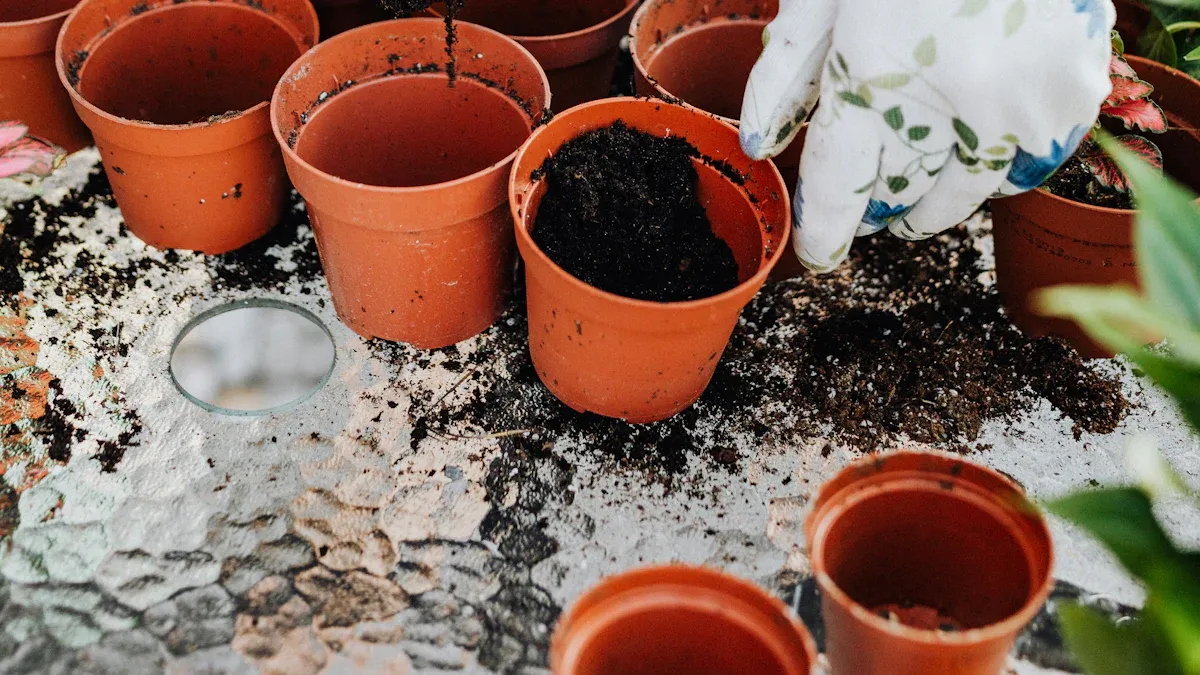
To successfully propagate Australian tree ferns, you’ll need a few essential tools and supplies. Here’s a handy list to get you started:
Sharp Knife or Spade: Use this for dividing the ferns or cutting fronds.
Containers: Choose pots or trays that suit the size of your cuttings.
Watering Can or Spray Bottle: Keep your ferns hydrated without overwatering.
Labels: Mark your pots to keep track of different varieties or propagation dates.
Now, let’s talk about the soil mix. The right soil is crucial for your tree ferns to thrive. Here’s a breakdown of the recommended soil mix based on pot size:
Pot Size | Soil Mix Composition | Reason for Composition |
|---|---|---|
Tiny Pots or Cups | 100% tree fern | Provides the perfect balance for young roots to establish. |
Small Pots (2–3 inches) | 2–3 parts tree fern, 1 part Pon (or perlite) | Enhances drainage and holds nutrients over time. |
Medium to Large Pots | 50% tree fern, 50% pumice, lava rock, Monto clay, zeolite | Keeps soil airy yet moisture-retentive for various conditions. |
Using this soil mix will help you create an environment where your tree ferns can flourish. Remember, the right balance of moisture and aeration is key to successful propagation.
By gathering these materials and preparing the right soil mix, you’re setting yourself up for success as you propagate Australian tree ferns. Happy planting!
Propagation Methods for Tree Ferns
When it comes to propagating Australian tree ferns, you have two main methods to choose from: division and spore propagation. Each method has its own steps and tips for success. Let’s dive into both!
Division Technique
The division technique is one of the simplest ways to propagate Australian tree ferns. Here’s how you can do it:
Choose the Right Time: Spring is the best time for division. The ferns are actively growing, which helps them recover quickly.
Prepare Your Tools: Gather a sharp knife or spade, pots, and a suitable soil mix.
Select a Healthy Fern: Look for a mature tree fern with multiple stems. This will give you enough sections to work with.
Divide the Fern:
Carefully dig around the base of the fern to expose the roots.
Use your knife or spade to cut through the root ball, ensuring each section has roots and at least one frond.
Replant the Sections: Place each section in its pot filled with the prepared soil mix. Water them lightly to settle the soil.
Create a Humid Environment: High humidity is crucial for the newly divided sections. You can cover the pots with plastic bags or place them in a greenhouse to maintain moisture.
Tip: Keep the humidity levels between 50-70% to help the ferns establish roots. This will support their recovery after division.
Spore Propagation
Spore propagation is a more intricate method but can be very rewarding. Here’s how to do it:
Collect Spores: Wait until the fronds produce spores. They usually appear on the underside of mature fronds. Gently tap the fronds over a clean surface to collect the spores.
Prepare the Germination Medium: Use equal parts of loam, peat moss, and finely crushed terracotta. This mix provides the right nutrients for germination.
Sow the Spores:
Sterilize the germination mixture by pouring boiling water over it. This step eliminates competing spores.
Sow the spores sparsely on the medium. Cover the containers with plastic or glass, leaving some airspace.
Maintain Optimal Conditions: Keep the temperature around 20°C (68°F) in indirect light. Monitor the humidity closely, aiming for levels above 50%.
Watch for Germination: After a few weeks, you should see a translucent green film on the surface of the medium. This indicates that prothalli are developing.
Transplanting: Once the prothalli are well developed, prick them off into a punnet with a finely sifted soil mixture. Cover the new container until fronds appear, avoiding direct light exposure.
Tip: For further potting, use a coarser textured mix with high organic matter that drains well. This will support healthy growth as the ferns mature.
By following these steps for both division and spore propagation, you can successfully propagate Australian tree ferns. Remember, patience is key, and maintaining the right environment will significantly improve your success rates.
Care Guide: How to Care for the Tree Fern

Caring for your newly propagated Australian tree ferns is essential for their growth and health. After you propagate Australian tree ferns, you need to pay close attention to watering, light, and nutrients. Let’s break down these important aspects.
Post-Propagation Watering
Watering your tree ferns correctly is crucial. Here are some tips to help you get it right:
Water Amount: For a 5-inch pot, give your tree fern about 0.5 cups of water every 9 days, especially if it’s not in direct sunlight. This helps keep the soil moist without drowning the roots.
Watering Technique:
Water up and down the trunk of the tree fern.
Avoid pouring water directly into the crown. This can lead to water pooling, which may cause rot and affect the fern’s survival rate.
Humidity Matters: Australian tree ferns thrive in high humidity. If you’re propagating in a greenhouse, aim for humidity levels above 50%. You can use a humidifier or place your pots in trays filled with pebbles and water to boost humidity around the plants.
Tip: Always check the soil moisture before watering. Stick your finger about an inch into the soil. If it feels dry, it’s time to water!
Light and Nutrient Needs
Light and nutrients play a significant role in the health of your tree ferns. Here’s what you need to know:
Light Requirements:
Tree ferns prefer indirect light. Direct sunlight can scorch their delicate fronds. Place them in a spot where they receive filtered light, like near a window with sheer curtains or under a tree canopy.
Nutrient Needs:
Fertilizing your tree ferns is essential for healthy growth. Use a balanced, water-soluble fertilizer every 4-6 weeks during the growing season (spring and summer). Dilute it to half the recommended strength to avoid burning the roots.
Signs of Nutrient Deficiency: Keep an eye out for yellowing fronds or stunted growth. These can indicate that your tree fern needs more nutrients. Adjust your fertilization schedule accordingly.
By following these care guidelines, you’ll help your tree ferns thrive and flourish. Remember, patience is key as they establish themselves in their new environment. Enjoy the process of nurturing these beautiful plants!
Troubleshooting Common Issues
When you propagate Australian tree ferns, you might encounter some common issues. Don’t worry! With a little knowledge, you can tackle these problems head-on.
Pests and Diseases
Pests can be a real headache for your tree ferns. Common culprits include aphids, scale insects, and mealybugs. These pests suck the sap from the fronds, leading to yellowing and wilting. To keep your ferns healthy, regularly inspect them for signs of infestation. If you spot any pests, you can wash them off with a gentle stream of water or use insecticidal soap.
Diseases can also affect your tree ferns. Fungal infections, like root rot, often occur when the soil is too wet. To prevent this, ensure your pots have good drainage. If you notice dark, mushy roots, it’s time to repot your fern in fresh, dry soil.
Tip: Many of the tree ferns have spores with very short viability, so gather them and sow immediately if you can, rather than buying them and possibly wasting time on spores that cannot germinate.
Environmental Stress Factors
Environmental stress can hinder the growth of your tree ferns. Factors like temperature fluctuations, low humidity, and poor lighting can all impact their health. To minimize stress, create a stable environment. Keep your ferns in a spot with indirect light and maintain humidity levels above 50%.
You can also use a suitable soil mix to help your ferns thrive. Here’s a quick look at the advantages of a good soil mix:
Advantage | Description |
|---|---|
Superior aeration | Enhances root health and growth |
Consistent moisture retention | Maintains optimal hydration for the plants |
Sustainable longevity | Reduces the need for frequent replacements |
Pest-free environment | Minimizes the risk of disease and pest damage |
By addressing these common issues, you can keep your tree ferns healthy and thriving. Remember, a little attention goes a long way in ensuring your ferns flourish!
In summary, propagating Australian tree ferns can be a rewarding journey. Here are some key takeaways to remember:
Choose the Right Time: Spring and early summer are ideal for propagation.
Use Proper Materials: Gather the right tools and prepare a suitable soil mix.
Follow Effective Methods: Whether you divide or use spores, each method has its benefits.
By caring for your ferns with attention to their light, humidity, and watering needs, you’ll help them thrive. Plus, propagating these ferns offers long-term benefits, like improving air quality and enhancing your garden’s beauty. 🌿
So, don’t hesitate! Dive into the world of Australian tree ferns and enjoy the process of nurturing these stunning plants. Happy gardening!
FAQ
What are the different types of tree fern?
You can find various types of tree fern, including Cyathea australis and Cyathea cooperi. Each type has unique characteristics, making them suitable for different garden styles and climates.
What are some growing tips for tree ferns?
To ensure healthy growth, provide indirect light, maintain high humidity, and use a well-draining soil mix. Regularly check for pests and diseases to keep your ferns thriving.
How do I care for my tree fern outdoors?
For outdoor care, plant your tree fern in a shaded area with moist, well-draining soil. Water regularly, especially during dry spells, and protect it from harsh winds.
How long does it take for tree fern spores to germinate?
Tree fern spores typically take 2 to 6 weeks to germinate, depending on environmental conditions. Keep the germination medium moist and maintain a warm temperature for the best results.
Can I propagate tree ferns in winter?
While it’s possible to propagate tree ferns in winter, it’s not ideal. The cooler temperatures can slow growth. Spring or early summer is the best time for successful propagation.