

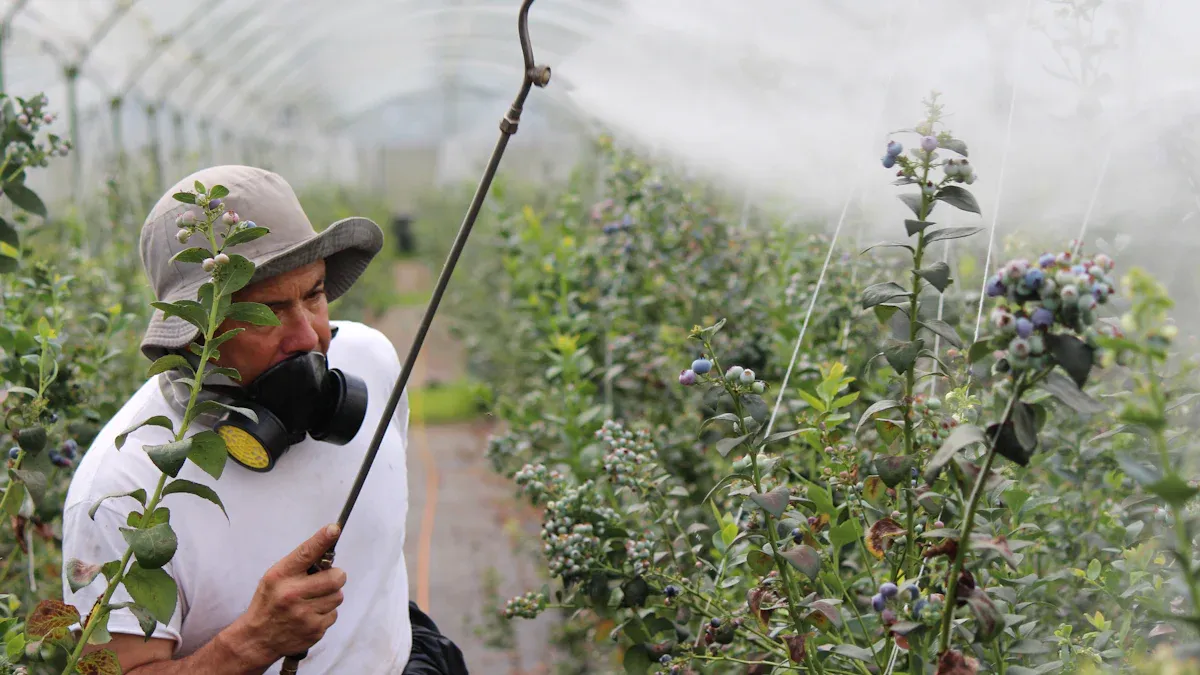
Chemical drift poses a serious threat to your garden and the surrounding environment. It can damage a wide variety of plants, especially vegetables and fruits. You may worry about food safety due to unknown herbicide residues on your crops. Moreover, identifying the source of chemical drift can be challenging. In some cases, you might even need to take drastic measures, such as removing affected plants, to ensure safety. Preventing chemical drift is crucial not only for protecting your plants but also for maintaining a healthy ecosystem in your backyard.
Key Takeaways
Understand chemical drift to protect your garden and the environment. It refers to the unintended movement of pesticides away from the target area.
Monitor weather conditions before spraying. Low wind speeds and moderate temperatures reduce the risk of chemical drift.
Use protective covers like row covers or burlap to minimize drift during herbicide application. These barriers help capture spray particles.
Always wear personal protective equipment (PPE) when applying pesticides. This reduces your risk of exposure to harmful chemicals.
Read pesticide labels carefully. Following instructions helps ensure safe application and minimizes the chance of drift.
What is Chemical Drift?
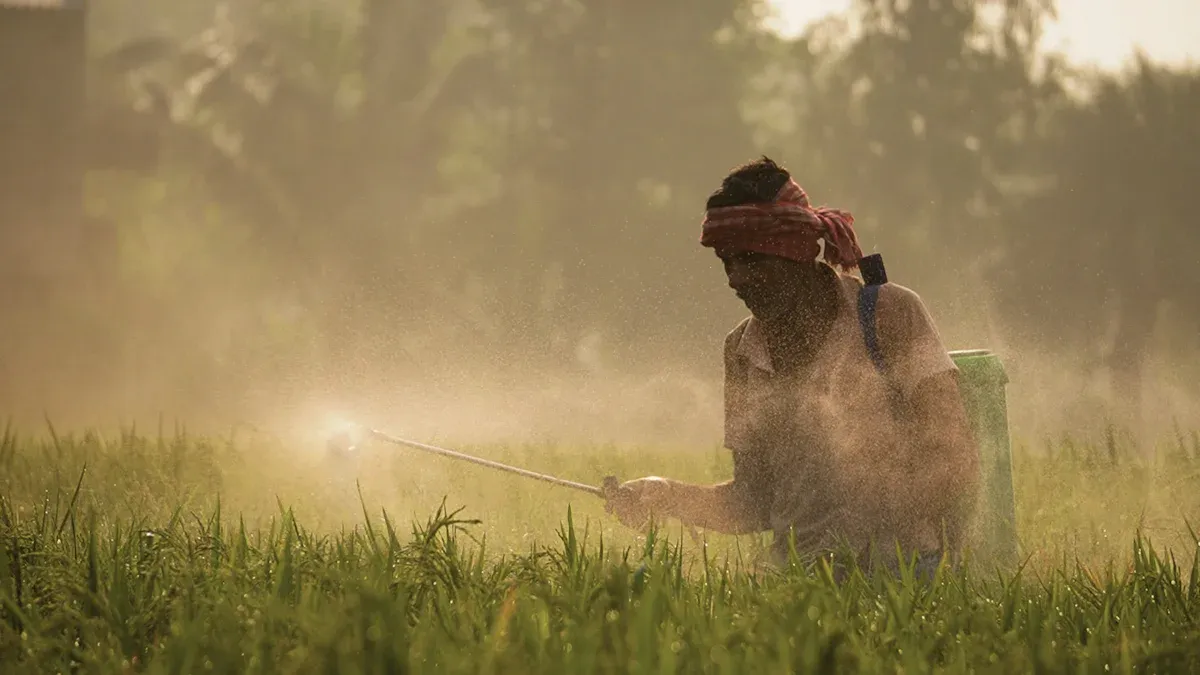
Chemical drift refers to the unintentional movement of pesticides away from the target area during application. This phenomenon can affect not only your garden but also neighboring plants and the environment. Understanding chemical drift is essential for responsible gardening practices.
Causes of Herbicide Drift
Several factors contribute to herbicide drift in home gardens. Here are some common causes:
Drift from specific herbicides: Certain herbicides, like 2,4-D and dicamba, are notorious for drifting. Their formulations can easily become airborne, affecting nearby plants.
Misapplication: Accidental spraying or incorrect application techniques can lead to unintended drift. Always follow the instructions on the pesticide label to minimize this risk.
Herbicide carryover: Contaminated soil, manure, mulch, or compost can harbor herbicides. When you use these materials, you may inadvertently introduce herbicides to your garden.
The goal of pesticide applications is to target specific areas while minimizing drift. However, drift can occur with any pesticide application. While not all drift is harmful, it can still pose risks to your plants and the environment.
Environmental Conditions to Monitor
Certain environmental conditions can significantly influence chemical drift during spraying. Here’s a table summarizing these conditions:
Environmental Condition | Effect on Chemical Drift |
|---|---|
Wind Velocity and Direction | Higher wind speeds increase spray drift; it’s best to spray in light to moderate winds. |
Temperature | High temperatures can lead to evaporation of droplets, increasing drift. |
Relative Humidity | Low humidity (below 40%) can enhance evaporation, contributing to drift. |
Monitoring these conditions before spraying can help you reduce the likelihood of chemical drift. By being aware of the weather and environmental factors, you can make informed decisions about when and how to apply herbicides.
Effects of Chemical Drift
Chemical drift can have serious consequences for your garden and the surrounding environment. Understanding these effects helps you make informed decisions about pesticide use.
Impact on Nearby Gardens
When herbicide drift occurs, it can damage nearby gardens. Here are some key impacts:
Drift can affect crops like grapes, tomatoes, and fruit trees. A single instance of drift can minimize or even prevent harvests for several years.
Symptoms of herbicide injury vary by herbicide and plant species. You may notice deformed leaves, stunted growth, or even sudden leaf shedding in your garden plants.
Herbicides like glyphosate can destroy non-target plants, including valuable flowers and crops. Studies show that herbicide drift can reduce plant health, growth, and yield, leading to significant losses for gardeners.
If you observe symptoms of herbicide injury, such as yellowing or scorched leaves, it’s crucial to identify the source of the drift. This will help you take appropriate action to protect your plants.
Environmental Consequences
The environmental consequences of chemical drift extend beyond your garden. Here’s a summary of the potential impacts:
Environmental Consequences | Description |
|---|---|
Pollution Risks | Drift can lead to significant pollution risks for soils, water bodies, and ecosystem diversity. |
Ecological Disruption | Pesticide drift disrupts ecological balances and harms non-target species. |
Biodiversity Reduction | Herbicide drift can reduce wild plant diversity, which affects pollinators and other wildlife. |
Human Health Risks | Increased potential for human health risks due to contamination of residential areas. |
Airborne pesticide drift poses a significant threat to ecosystems far from application sites. Up to 25% of applied pesticides can be carried by air currents, especially during summer months. This can lead to over 50% reductions in wild plant diversity within 500 meters of fields. The long-term consequences of these airborne pesticides on biodiversity are still not fully understood.
Preventing Drift Strategies
Preventing drift is essential for maintaining a healthy garden and protecting the surrounding environment. Here are some effective strategies to consider.
Timing and Weather Considerations
Timing your herbicide application can significantly reduce the risk of drift. You should always monitor weather conditions before spraying. Here’s a table summarizing key factors that influence drift:
Factor | Influence on Drift |
|---|---|
Wind Speed | Light breezes can carry droplets farther than intended, keeping them concentrated near the ground. |
Temperature Inversions | Occur during clear, calm nights, trapping droplets and allowing them to drift for hours post-application. |
Precipitation | Rain can wash away pesticides, leading to unintended spread and contamination of non-target areas. |
Timing of Application | Waiting for atmospheric layers to mix post-inversion is crucial to minimize drift risk. |
Dew and Surface Moisture | Wet surfaces can dilute pesticides, reducing their effectiveness and increasing runoff risk. |
Solar Radiation | Strong sunlight can increase convection and volatility, leading to greater drift potential. |
Topography | Local terrain can influence air movement and create conditions for drift, especially in valleys. |
You should aim to spray when wind speeds are low and temperatures are moderate. Avoid spraying during temperature inversions, as these conditions can allow small droplets to travel long distances. As John Nowatzkl noted, “If pesticides are applied during an inversion, small droplets readily can move thousands of feet before falling to the ground.”
Using Protective Covers
Protective covers can be highly effective in reducing chemical drift during herbicide application. These covers alter air movement and capture spray particles, minimizing the risk of drift. Here are some options to consider:
Row Covers: Ideal for protecting vegetables and fruits while extending the growing season.
Burlap: Useful for shielding shrubs and small trees from wind and frost.
Cloches: Perfect for tender plants in small gardens, offering protection from sudden frosts.
Cold Frames: Great for fall and winter crops, providing frost protection to vegetables.
Pop-up Greenhouses: Excellent for starting seeds early in spring and providing instant frost protection.
Mulch: Helps protect plants while enriching the soil naturally.
Vegetative barriers, such as hedges or tall plants, can also capture spray droplets effectively. Their success depends on careful planning regarding height, density, and distance from spray zones. Properly designed shields can significantly minimize drift, especially when small droplets are present.
Incorporating these strategies into your herbicide management plan will help you protect your garden from herbicide damage while promoting a healthier environment.
Safe Spraying Practices
Personal Protective Equipment (PPE)
Using personal protective equipment (PPE) is essential when applying pesticides. PPE helps reduce your risk of exposure to harmful chemicals. Here are some recommended types of PPE for home gardeners:
Chemical-resistant gloves (plastic, rubber, neoprene, polyvinyl chloride)
Long-sleeved shirt
Long pants
Close-toed shoes and socks
Wide-brimmed hat
Chemical-resistant boots
Protective eyewear (goggles, face shield, safety glasses)
Respirator (if required by the pesticide label)
Wearing PPE significantly lowers the chances of pesticide poisoning. It protects you from dermal, inhalation, eye, and oral exposure to pesticides. Always follow the PPE instructions on product labels. Studies show that using PPE can greatly reduce the risk of dermal exposure to pesticides. However, compliance among small-scale farmers remains low.
Evidence | Description |
|---|---|
PPE Usage | Operators must use gloves and eyewear when mixing pesticides to avoid direct contact. |
Effectiveness | The study shows that PPE can significantly reduce the risk of dermal exposure to pesticides. |
Compliance | Despite its effectiveness, the use of PPE among small-scale farmers remains low. |
Reading Pesticide Labels
Reading pesticide labels is crucial for safe application and minimizing chemical drift. Here are some best practices to follow:
Always read and follow all product directions and precautions on pesticide containers.
Be aware of local, state, and federal regulations regarding pesticide application procedures.
Know the exact location of the area to be treated and the potential hazards of spray drift.
Avoid spray drift, as it is illegal to allow it to move off the target site.
Use larger spray droplets with low pressure to minimize particle drift.
Monitor environmental conditions, especially temperature and wind speed, to reduce the risk of vapor drift.
Select the appropriate nozzle type to produce coarse droplets, which help reduce drift potential.
Following these guidelines will help you apply pesticides safely and effectively. Remember, reading the label is not just a suggestion; it is a legal requirement.
Instruction Type | Details |
|---|---|
Drift Prevention | Do not allow spray (or dust) to drift from the application site and contact people or structures. |
Wind Speed | Apply only when wind speed is not more than 10 mph. |
Droplet Size | For sprays, apply the largest size droplets possible. |
No-Spray Zones | Do not apply this product within a specified distance of sensitive areas or people. |
By adhering to these safe spraying practices, you can protect your health and the environment while enjoying a thriving garden.
Preventing chemical drift is vital for the health of your garden and the environment. By implementing effective strategies, you can protect your plants and promote biodiversity. Here are some key practices to consider:
Establish buffer zones with dense plants to reduce drift.
Use windbreaks like fences or trellises to slow down airborne chemicals.
Communicate with neighbors about sensitive plants and peak spraying times.
Adopting safe gardening practices benefits both your garden’s productivity and local environmental health. Trees and plants improve air quality by filtering toxins. They also help mitigate climate change by trapping carbon and emitting oxygen. By taking these steps, you contribute to a healthier ecosystem while enjoying a thriving garden. 🌱
FAQ
What is the best time to spray pesticides in my garden?
Spray pesticides early in the morning or late in the evening. These times usually have lower wind speeds and cooler temperatures, reducing the risk of chemical drift.
How can I tell if my plants are affected by chemical drift?
Look for signs like yellowing leaves, stunted growth, or deformed foliage. If you notice these symptoms, investigate potential herbicide sources nearby.
Are there organic alternatives to chemical herbicides?
Yes! You can use natural options like vinegar, salt, or boiling water to control weeds. These methods are safer for your garden and the environment.
How far should I stay from sensitive plants when spraying?
Maintain a buffer zone of at least 25 feet from sensitive plants. This distance helps prevent accidental drift and protects your valuable crops.
What should I do if I suspect chemical drift has occurred?
If you suspect drift, document the symptoms and take photos. Contact your local agricultural extension office for guidance on how to address the issue and protect your plants.