

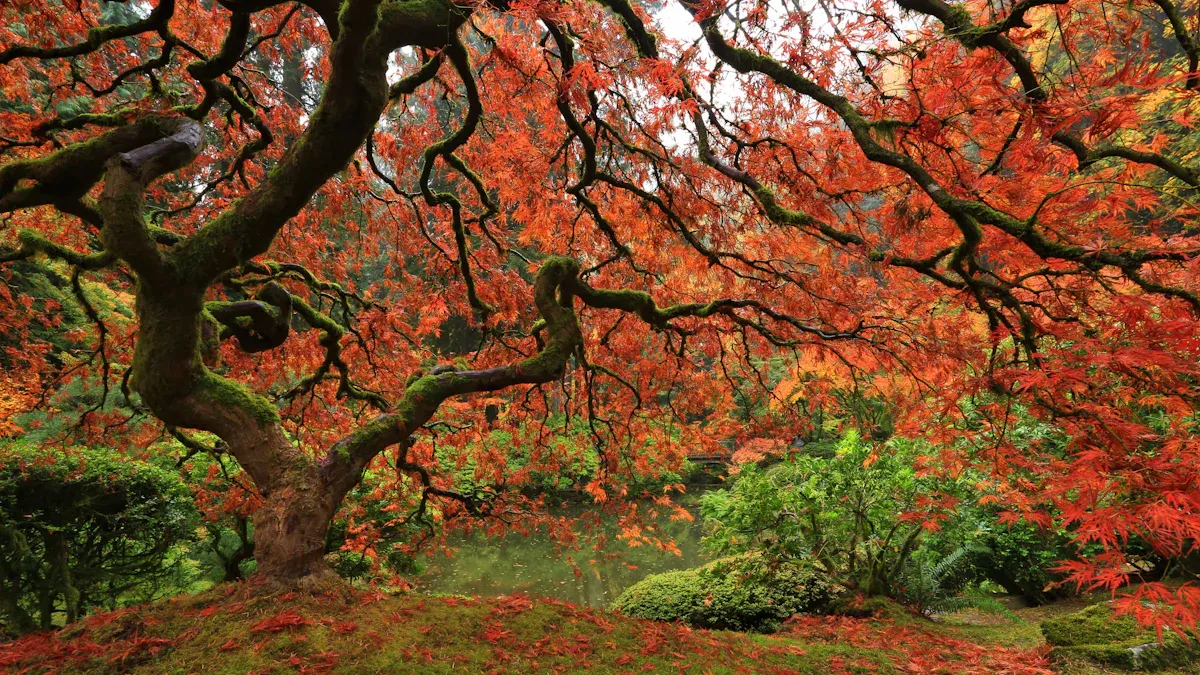
The Portland Japanese Garden stands as a global beacon of tranquility and beauty. Many proclaim it the most authentic and beautiful Japanese garden outside of Japan. This Portland Japanese Garden draws over 400,000 visitors each year, a testament to its widespread appeal. The garden’s attendance grew significantly, from 30,000 annually to nearly 300,000 by 2015.
So, 2025 is a particularly compelling year to visit this serene escape. It offers a unique blend of authentic Japanese design, evolving cultural programs, and profound peace. This makes it an essential destination for cultural immersion and year-round beauty. This is your ultimate guide to the Portland Japanese Garden.
Authenticity and Evolving Beauty of the Portland Japanese Garden

I find the Portland Japanese Garden truly stands out as the most beautiful and authentic Japanese garden outside of Japan. This 12.5-acre sanctuary sits peacefully within Washington Park. It offers visitors a deep dive into the art of Japanese landscape design. The garden meticulously maintains its diverse styles. This commitment to authenticity makes it a world-renowned destination.
Exploring Distinct Japanese Garden Styles
The garden showcases multiple distinct Japanese garden styles. Each style offers a unique experience and perspective. I can see the careful planning and execution in every detail.
Here are some of the prominent garden styles you will find:
| Garden Style | Characteristics |
|---|---|
| Tea Garden | This space is one of the four original gardens from the 1960s. Its aesthetics come from eras before the Meiji Period. It features a stone path designed for contemplation. Visitors move slowly to reach a tea house for formal tea ceremonies. It includes a water basin for hand washing and purification. Stone lanterns provide light for night ceremonies. |
| Flat Garden | Also one of the four original spaces from the 1960s, its design reflects pre-Meiji Period aesthetics. This simple garden uses open space, often square or oblong. It has white sand laid flat, sometimes shaped like a pond. Moss, grass, and trees are arranged artistically. A green circle of moss symbolizes ‘enlightenment,’ and a gourd shape means ‘happiness.’ Evergreen plants create a secluded, tranquil beauty year-round. |
| Sand and Stone Garden | This garden is another original space from the 1960s. It also draws its aesthetics from eras before the Meiji Period. It is a kare sansui, or Zen garden of stones and sand. It contains only stones set in white gravel. This garden represents Buddha and the universe as one. It helps visitors feel contemplative. The Portland garden’s kare sansui has a fable about a tigress and cubs. |
| Strolling Pond Garden | This garden is one of the four original spaces from the 1960s. Its aesthetics also come from eras before the Meiji Period. It is a Tsukiyama or “Pond Garden.” It faithfully reproduces natural beauty like seascapes. Key elements include curved shorelines and stones in the water that suggest islands. It has many trees and shrubs and a relatively large pond. It aims to create a pictorial effect like famous Japanese views. |
| Natural Garden (zoki no niwa) | This is the fifth historic space, built in the 1970s. Its style, zoki no niwa (雑木の庭), reacted to Japan’s industrialization and post-WWII devastation. It features a long, narrow path sloping down a mossy hillside with a jizo carving. It has asymmetrical wooden gates and layered maples over waterfalls. Ponds and bubbling streams are also present. Winding stairs pass camellia and rhododendron. Inconspicuous stone lanterns and a machiai (sheltered waiting area) show depth and the sound of coursing water. The garden maintains the trees to look untouched and natural. |
| Paradise Garden | This garden is a landscape in miniature. It has a sea of white sand and a gentle coastline of stylized azaleas, maples, birches, camellias, and cherries. Visitors can view it but not enter. The garden carefully rakes the white granitic sand into patterns. These patterns represent ripples and waves. |
I observe that Japanese gardens use natural and manmade features to create miniature natural scenery. They emphasize harmony and the human-nature connection. Key elements include:
- Stones, rock, gravel, and sand: These anchor the landscape. They symbolize islands, mountains, hills, or animals. Flat areas of gravel or sand symbolize water. The garden rakes them into patterns.
- Water: Ponds, streams, waterfalls, and stone basins evoke tranquility. They symbolize life, renewal, purity, and cleansing. Waterfalls signify the flow of time.
- Bridges, pathways, and stairs: These connect areas and mark transitions. Bridges are often arching wood. Pathways are gravel or stepping stones. They symbolize life’s journey and encourage mindful strolling.
- Lanterns and statuary: These hold deep religious, spiritual, and philosophical symbolism. They act as focal points and guardians. Lanterns are guiding lights, representing enlightenment and protection.
- Structures: Manmade features like pagodas, teahouses, pergolas, gates, and arbors connect humans and nature.
- Screening: Walls, fences (often bamboo), and hedges create privacy and divide areas. The garden trims hedges for a formal, minimalist look.
- Plants: The garden uses plants in a restrained and disciplined way. It focuses on foliage and structure over colorful flowers. Some plants have symbolic meaning. For example, cherry means purity, and pine means longevity. Moss is a predominant ground cover.
The design principles of the Portland Japanese Garden root themselves in Japanese culture and philosophy. These principles guide the garden’s construction:
- Wabi-sabi: This embraces imperfection, transience, and simplicity. It appreciates that gardens are ever-changing and incomplete. The garden uses irregular stones and weathered materials.
- Shizen: This means ‘natural.’ It arranges rocks, water, and plants to create a space that feels natural, simple, and spontaneous. This is true despite intentional placement.
- Fukinsei: This embraces asymmetry to avoid uniformity. It creates a harmonious yet balanced space with a relaxed, natural appearance.
- Shakkei: This incorporates ‘borrowed scenery’ from the distant landscape. It creates depth and makes the garden feel larger. The garden strategically places elements to frame views.
- Ma: This emphasizes negative space between elements. It creates harmony, balance, and flow. It draws attention to important features. It makes the whole greater than its parts.
The Cultural Village: A Hub for Japanese Arts
The Cultural Village at the Portland Japanese Garden serves as a vibrant hub for Japanese arts. I find this area offers many opportunities for cultural immersion. Visitors can participate in various programs and workshops. These activities deepen my understanding of Japanese culture.
The Cultural Village hosts:
- Workshops
- Storytelling sessions
- Interactive performances
- Daily demonstrations of traditional games
- Traditional sport demonstrations, like lacrosse or Arctic sports, where I can watch, learn, and even participate.
- Main stage performances by Indigenous artists from around the world. These include world-renowned singers, dancers, and performers.
- Art workshops where I can learn characters, words, and symbols reflecting traditions.
- Dance workshops where I learn elements of movement symbolizing important events.
- Music activities where I learn the purpose and history of instruments and rhythms.
- Cultural information and demonstrations.
- Traditional and modern dance performances.
- Music performances.
- Films.
- Ethnic food.
- Crafts.
- Martial arts performances.
I believe these offerings make the Cultural Village an essential part of the garden experience.
Seasonal Highlights in 2025
The Portland Japanese Garden offers beauty in every season. I particularly enjoy the late March to early April period when cherry blossoms burst into bloom. Late June brings stunning iris blooms. Autumn transforms the garden with vibrant maples. Winter offers a unique tranquility.
In 2025, the garden also plans special exhibitions. These exhibitions add another layer to my visit.
| Exhibition Title | Dates |
|---|---|
| Kintsugi: The Restorative Art of Naoko Fukumaru | Continues into early March 2025 |
| Earthen Elegance: The Ceramic Art of Bizen | February 8, 2025 – June 9, 2025 |
| The Art of Katazome | March 29, 2025 – September 15, 2025 |
I look forward to experiencing these unique displays. They highlight the garden’s commitment to showcasing authentic Japanese art forms.
Cultural Immersion and Educational Opportunities
I find the Portland Japanese Garden offers more than just beautiful landscapes. It provides rich cultural immersion and many educational opportunities. These programs help visitors connect deeply with Japanese heritage.
Best Things to Do: Cultural Programs and Art
The garden offers many cultural programs and activities. I believe these are some of the best things to do in the Portland Japanese Garden. They allow me to experience Japanese traditions firsthand. The garden hosts “Cultural Demonstrations.” Here, they work with local artists. These artists showcase various Japanese arts and performances. They share the joy of these traditions with all visitors.
The garden also organizes events into different categories. These include:
- Art Exhibitions
- Cultural Festivals
- Demonstrations & Performances
Cultural Festivals are a key offering. For example, the garden plans upcoming events like the Tanabata, Star Festival. These festivals provide a vibrant way to experience Japanese culture.
The garden also offers programs with clear educational benefits. The “Haiku Alive Program” teaches the Japanese cultural value of living in harmony with nature. It uses poetic tradition. This program helps students understand their inner state by observing the natural world. The International Japanese Garden Training Center Programs, like ‘Waza to Kokoro,’ teach traditional skills. These programs focus on creating and fostering Japanese gardens.
They also introduce learners to the garden’s cultural heart and soul. Topics include stone setting, bamboo fence construction, design, history, and aesthetics. These are all part of a holistic learning experience. It is framed in the culture of tea.
A seminar participant once noted that their personal goals were exceeded. The program immersed them in Japanese culture. It also explained the reasons behind techniques and ideas used in Japanese gardens.
Art Exhibitions and Nature’s Fusion
The Portland Japanese Garden seamlessly integrates nature and art in its design and art exhibitions. I always appreciate how the garden uses its spaces to highlight this connection. The garden presents ‘Designing Nature: Elements of Harmony.’ This art exhibition celebrates the beauty, history, artistry, and inspiration from Japanese gardens themselves. It directly showcases how nature and art come together.
The ‘Designing Nature’ exhibition explores the history, traditions, and philosophies of Japanese garden design. It highlights how human hands shape nature to create harmony. The Pavilion Gallery features a visual journey through six distinct styles of Japanese gardens. It emphasizes designers’ reverence for the natural world. Exhibitions show how the three basic garden elements—water, plant, and stone—inspire creativity.
These include a large-scale waterfall painting by Hiroshi Senju. They also feature bamboo sculptures by Chikuunsai Tanabe IV and Honda Syoryu. Suiseki, or landscape scene stones, are also on display.
The Pavilion Gallery, used for exhibitions and special events, features architectural elements. These include shoji (translucent paper panels) and verandas. These elements integrate the house and garden. They offer a seamless connection between the built environment and nature. The ‘Cross Currents’ installation by Portland-based bamboo artist Anne Crumpacker showcases the artistry of bamboo.
It reflects bamboo’s role in Japanese gardens and cultural traditions. Crafted using an innovative crosscut bamboo technique, the interwoven panels of ‘Cross Currents’ evoke a meditative landscape. This directly integrates natural materials into an artistic expression.
The expansion of the Portland Japanese Garden, designed by Kengo Kuma, emphasizes integrating architecture with nature. It draws inspiration from traditional Japanese methods. It also uses natural materials. Kuma’s approach, which includes referencing Kyoto’s Katsura Rikyu, aims to adjust the Japanese spirit to Portland’s landscape. It creates a Cultural Village that blends with the natural environment. The doors of the Jordan Schnitzer Japanese Arts Learning Center are crafted from narrow planks of chestnut. They are hand-hewn using a special Japanese adze. Port Orford Cedar is the main wood used for the interior, including all screens. Ceiling panels are crafted from bamboo. This further integrates natural elements into the architectural design.
The garden has specific art exhibitions planned for 2025. These add to the cultural experience.
- ‘Kintsugi: The Restorative Art of Naoko Fukumaru’ continues into early March 2025.
- ‘Earthen Elegance: The Ceramic Art of Bizen’ runs from February 8, 2025, to June 9, 2025. The Portland Japanese Garden’s final exhibition of 2025 will explore the history and artistry of Japanese gardens. This announcement was posted on September 22, 2025.
Connecting with Japanese Heritage
The Portland Japanese Garden offers several initiatives to connect visitors with Japanese heritage. I find these programs crucial for fostering community engagement. The Japan Institute, established in 2020, is a global cultural initiative. It expands programs, deepens international partnerships, and engages diverse people through shared experiences.
The Japan Institute has three programming centers:
- Center for Japanese Arts & Culture
- International Exchange Forum
- Japanese Garden Training Center
These centers organize symposia, gatherings, and experiences. The garden also offers free programs. These provide opportunities to explore Japanese culture. Cultural Demonstrations and art exhibitions like ‘Designing Nature: Elements of Harmony’ are part of these efforts.
A Sanctuary for Serenity and Reflection

Escaping the Urban Bustle
I find the Portland Japanese Garden offers a profound escape from the city’s noise and rush. Its design actively encourages a slower pace. Winding paths invite me to stroll mindfully, appreciating every detail. Secluded nooks offer quiet spots for contemplation. The constant, soothing sound of water from streams and waterfalls creates a peaceful backdrop. This absence of overt distractions allows me to focus on natural beauty. Strategically placed benches also invite quiet observation.
The garden even considers sound in its buildings. New structures, like the Village House, Garden House, and Tea House, use special acoustical ceilings. These ceilings, made with bamboo veneer, maintain a traditional look. They also improve acoustics, ensuring the auditory experience is as serene as the visual one. This helps maintain a peaceful atmosphere and mitigates urban noise.
Spending time here offers real benefits. Breathing in essential oils from plants like Japanese Pines can boost my immune system. Studies show that time in nature significantly lowers stress levels. Listening to falling water increases feelings of serenity. My concentration also improves when I look at natural vegetation. Walking in the woods, even for a short time, can improve memory.
Harmony, Balance, and Impermanence in Design
The design of the Portland Japanese Garden embodies harmony, balance, and impermanence. I see these principles in every carefully placed stone and plant. The garden’s creators arrange elements to create a sense of equilibrium, yet they avoid perfect symmetry. This asymmetry feels more natural and relaxing. It reflects the Japanese aesthetic of wabi-sabi, which embraces imperfection and the transient nature of things.
The garden constantly changes with the seasons. This reminds me of impermanence. Vibrant spring blooms give way to lush summer greens. Autumn brings fiery maples, and winter offers quiet, stark beauty. This ever-changing landscape encourages reflection on life’s cycles.
It helps regulate blood pressure and benefits my parasympathetic nervous system, promoting relaxation. This deep connection with nature also increases natural killer cells, which protect against disease. I find this garden truly provides a defense against anxiety and stress, fostering a sense of peace and well-being.
Planning Your Visit to the Portland Japanese Garden
Maximizing Your 2025 Experience
I find planning your visit to the Portland Japanese Garden helps you make the most of your time. To avoid crowds, I recommend visiting during specific hours. The garden’s public hours are Wednesday through Monday, from 10:00 am to 3:30 pm. You can enter until 3:30 pm and stay until 4:30 pm.
Members enjoy exclusive access earlier, from 8:00 am to 10:00 am, Wednesday through Monday. This early access offers a quieter experience. Knowing how to get to the Portland Japanese Garden is also important. I suggest checking their website for directions and parking information before you go. This ensures a smooth arrival.
Tip: Consider becoming a member for early morning access and a more serene visit.
Accessibility and Amenities
The Portland Japanese Garden welcomes visitors of all abilities. I understand the garden is built on steep, hilly terrain. Some paths feature stairs and steep grades. Other paths are flat and even. This offers different levels of ease for visitors. The garden provides accessible parking, restrooms, exhibit spaces, a cafe, and a gift shop. These features ensure a comfortable experience for everyone.
I always look forward to the dining options. The Umami Café, located in the Cultural Village, offers counter service. They serve tea from the acclaimed Jugetsudo Tea Company. You can also find a rotating selection of handcrafted sweets from local culinary partners. I enjoy my refreshments at the cafe, taking in the natural beauty. You can also order them to go.
The Garden Gift Shop, also in the Cultural Village, offers a unique selection. I find many hand-selected items from Japan here. Some are exclusive to the United States. You can find meaningful and unique merchandise to take home. During warmer months, the garden hosts an annual summer marketplace called Behind the Shoji.
This expands the selection of goods in the Pavilion Gallery. I always find beautiful teacups, delicate pierced earrings with dragonflies, and intricate floral design fans. They also have stunning artwork and hand-painted boxes. Photography is welcome throughout the garden. I always capture the beauty of the Portland Japanese Garden. This helps me remember my visit. Knowing how to get to the Portland Japanese Garden and its amenities makes for a great trip.
I believe the Portland Japanese Garden is an unparalleled must-see attraction in 2025. Its world-renowned authentic design offers a profound sense of peace. Dynamic cultural offerings provide deep immersion. This garden’s beauty spans all seasons. Visitors will gain a unique and lasting impression. It stands as a premier cultural destination. Plan your visit to the Portland Japanese Garden in 2025. Experience an unforgettable journey into Japanese aesthetics and serenity.