


Understanding the stages of Poppy Plant Growth is essential for successful gardening. Each phase, from seed germination to blooming, presents unique challenges and rewards. You will find joy in watching these vibrant flowers develop. For example, under optimal conditions, Glaucium flavum seeds can achieve a germination rate of 74.8%, while Glaucium corniculatum reaches 30%. These statistics highlight the importance of providing the right environment for your Poppy Plant Growth.
Key Takeaways
Create the right environment for poppy seed germination by ensuring optimal soil temperature, moisture, and light exposure.
Monitor your seedlings closely. Provide consistent moisture and plenty of sunlight to support healthy growth.
During vegetative growth, focus on nutrient-rich soil and avoid over-fertilization to promote strong leaves and stems.
Encourage vibrant blooms by ensuring proper sunlight, watering, and deadheading spent flowers to extend the blooming season.
Harvest poppy seeds at the right time to ensure viability for future planting, and dry them properly to prevent mold.
Poppy Seed Germination
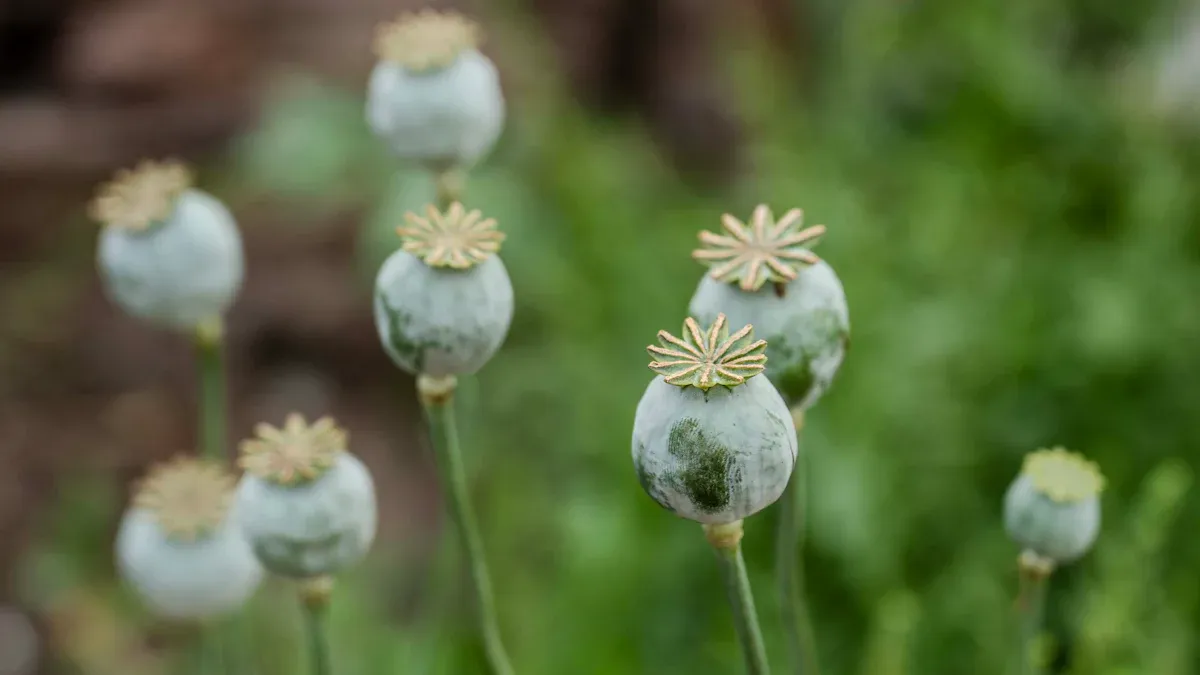
Germination is the first crucial step in the poppy plant growth journey. Understanding the ideal conditions and timeframe for germination can significantly enhance your chances of achieving successful poppy germination.
Ideal Conditions
To ensure your poppy seeds germinate effectively, you must create the right environment. Here are some key factors to consider:
Soil Temperature: The optimal soil temperature for germination ranges from 55°F to 65°F (13°C to 18°C). This temperature range encourages seed activation.
Moisture Levels: Keep the seed bed moist until seedlings emerge. After the final thinning, water needs decrease to about one inch per week, depending on weather conditions.
Light Exposure: Poppy seeds require light to germinate. This often gets overlooked by gardeners. Ensure you do not bury the seeds too deeply; a light covering of soil is sufficient.
Direct Sowing: Poppies thrive best when planted directly in their intended outdoor location. Starting them indoors can be beneficial, but seeds sown indoors generally have much higher germination rates compared to those sown directly outdoors. When you sow seeds outdoors, only a fraction may germinate due to environmental factors.
Germination Timeframe
The timeframe for poppy seed germination can vary based on several factors. Typically, you can expect germination to occur within 7 to 14 days under standard gardening conditions. Here are some environmental factors that influence this timeframe:
Environmental Factor | Effect on Germination |
|---|---|
Climate | Cold climates delay germination until spring; warmer temperatures promote dormancy reduction and germination. |
Temperature | Germination occurs in spring when suitable temperatures are reached; dormancy reduction is influenced by temperature. |
Light Exposure | Plays a crucial role in enhancing germination rates. |
Soil Conditions | Affects overall germination success. |
From personal experience, poppy seeds need a cool and wet period to germinate effectively. Remember, providing the right conditions will set the stage for a thriving poppy plant growth journey.
Poppy Seedling Stage
Once your poppy seeds germinate, they enter the seedling stage. This phase is crucial for establishing a strong foundation for your plants. Understanding the traits of seedlings and how to care for them will help you nurture healthy poppies.
Seedling Traits
Poppy seedlings exhibit distinct characteristics that make them easy to identify. Here are some key traits to look for:
Cotyledons: The first leaves that emerge are called cotyledons. They are usually broad and oval-shaped.
True Leaves: After the cotyledons, true leaves will develop. These leaves are more finely divided and resemble the mature leaves of the poppy plant.
Height: Seedlings typically grow to about 2 to 4 inches tall during this stage.
These traits indicate that your seedlings are healthy and ready for the next steps in their growth journey.
Care Tips
Proper care during the seedling stage is essential for robust poppy plant growth. Here are some tips to ensure your seedlings thrive:
Watering: Keep the soil consistently moist but not soggy. Water gently to avoid displacing the seedlings.
Light: Ensure your seedlings receive plenty of sunlight. A location with at least 6 hours of direct sunlight daily is ideal.
Spacing: As your seedlings grow, it’s important to thin them out. Thin seedlings to 6–12 inches apart once they have sprouted. This spacing allows for good airflow and reduces the risk of disease. You should also place seeds 6 to 12 inches (15–30 cm) apart initially, depending on the variety.
By following these care tips, you will set your poppy seedlings up for success as they transition to the next growth stage.
Poppy Vegetative Growth
During the poppy vegetative growth stage, your plants will focus on developing strong leaves and stems. This phase is crucial for establishing a robust structure that supports future blooms.
Leaf and Stem Development
As your poppy plants grow, you will notice significant changes in their leaves and stems. Initially, the seedlings will produce small, delicate leaves. Over time, these leaves will expand and become more pronounced. Here are some key points about leaf and stem development:
Leaf Growth: Poppy leaves are typically lobed and can grow quite large. They will emerge in a rosette pattern close to the ground before the plant begins to grow taller.
Stem Strength: The stems will thicken and elongate as the plant matures. A strong stem is essential for supporting the weight of the flowers that will develop later.
Nutritional Needs
To ensure healthy vegetative growth, your poppies require balanced nutrients. Poppies thrive in nutrient-rich soil but do not need heavy feeding. Here are some tips for meeting their nutritional needs:
Use organic fertilizers like bone meal or fish emulsion. These fertilizers release nutrients slowly, promoting steady growth without the risk of over-fertilization.
Apply a slow-release fertilizer in early spring. This will provide a steady supply of nutrients as growth begins.
In mid-summer, switch to a quick-release fertilizer. This will give your plants the boost they need for blooming.
If you notice weak growth in late summer, consider a light feeding to support your plants.
By following these guidelines, you will help your poppy plants thrive during the vegetative growth stage, setting the stage for beautiful blooms in the future.
Poppy Budding Stage
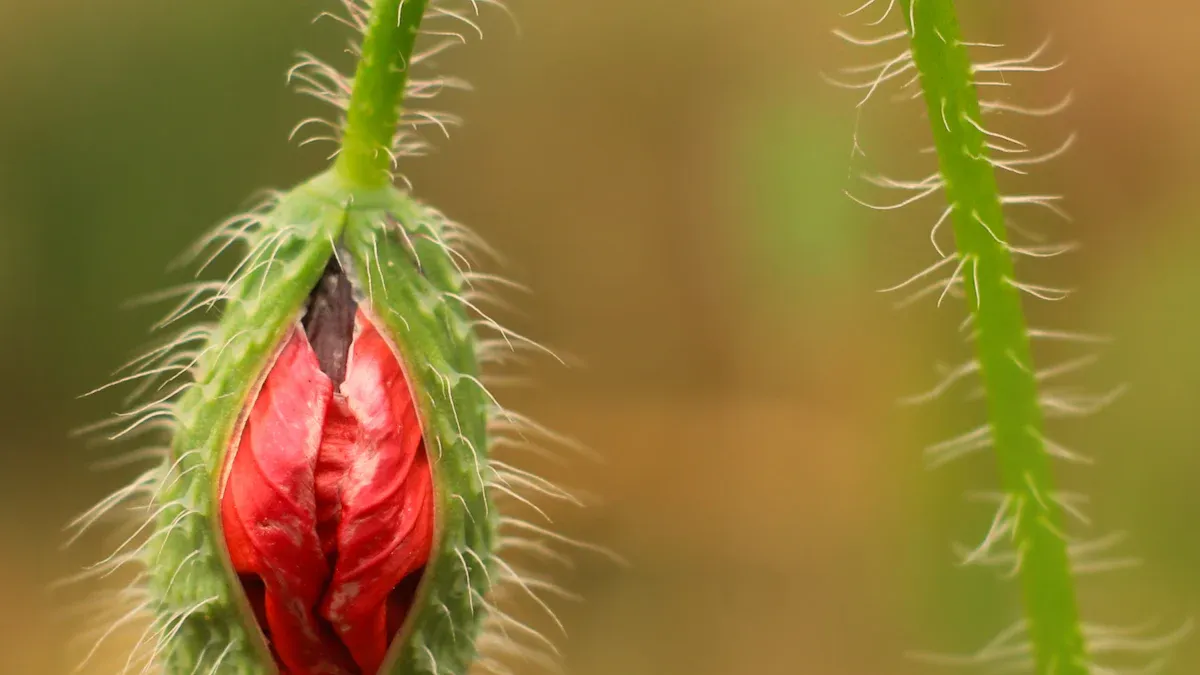
As your poppy plants progress to the budding stage, you will witness the exciting formation of flower buds. This phase is crucial for the development of vibrant blooms that will soon grace your garden.
Flower Bud Formation
During this stage, you will notice small buds forming at the tips of the stems. These buds are the precursors to the beautiful flowers that will soon emerge. The formation of flower buds depends on several environmental conditions. Here’s a quick overview:
Condition | Description |
|---|---|
Soil Drainage | Well-drained soils are essential to prevent root rot, which can hinder flowering. |
Soil pH | The ideal pH range is 6.0 to 7.5; deviations can affect nutrient availability and plant health. |
Light Exposure | Full sun exposure (6 to 8 hours daily) is crucial for vibrant blooms and strong stems. |
Temperature Stability | Extreme temperature changes can disrupt the bloom cycle, leading to delayed or failed flowering. |
Humidity Levels | High humidity can promote fungal diseases, while low humidity can cause drought stress, both affecting flowering. |
By ensuring these conditions are met, you will encourage healthy bud formation in your poppy plants.
Care During Budding
Proper care during the budding stage is vital for maximizing flower production. Here are some essential tips to follow:
Soil Conditions: Improve drainage by incorporating sand or perlite if you have heavy clay soil. Poppies dislike waterlogged conditions.
Sunlight: Ensure your poppies receive at least 6–8 hours of direct sunlight daily for optimal growth.
Watering: Water consistently but moderately. Young plants need moist soil, while mature plants prefer drier conditions to avoid root rot.
Deadheading: Remove spent flowers to promote new blooms and extend the blooming season.
Pruning: Remove damaged or overcrowded foliage to improve air circulation and reduce disease risk.
By following these care practices, you will support your poppy plants as they transition from buds to full blooms, enhancing the beauty of your garden.
Poppy Blooming Stage
The blooming stage is the most exciting part of the poppy plant growth journey. During this phase, you will witness the vibrant flowers that make poppies so beloved in gardens. Understanding the characteristics of these blooms and how to maintain them will help you enjoy their beauty for as long as possible.
Bloom Characteristics
Poppy flowers come in various colors and sizes, each with unique features. Here’s a table showcasing some popular poppy varieties and their characteristics:
Variety Name | Color | Size/Height | Unique Features |
|---|---|---|---|
Black Peony Poppy | Dark red | N/A | Almost fully double flowers |
Spanish Poppy | Bright orange-red | N/A | Elongated capsule fruits |
Oriental Poppy | Various colors | 70-100 cm tall | Cupped flowers up to 18 cm in diameter |
Harvest Moon | Orange-red | N/A | Large flowers |
Striking Purple Poppy | Purple | Up to 70 cm tall | N/A |
Pink Poppy | Pink | 40-80 cm tall | Wavy edges and black base spots |
White Poppy | Pure white | Up to 20 cm high | Purple basal spots |
Papaver miyabeanum | Pale lemon-yellow | N/A | Cupped flowers |
Opium Poppy | Various colors | N/A | Large flowers and bulbous seed pods |
Blue Moon Poppy | Pink, white | N/A | Large seed heads with deep blue seeds |
Danish Flag Poppy | Bright red | N/A | Fringed petals with large white spots |
Princess Victoria Louise | Salmon-pink | N/A | Dark purple centers |
Royal Wedding | Immaculate white | N/A | Contrasting black centers |
Typically, the blooming period for poppies lasts from May to June, especially for varieties like the Oriental poppy. During this time, you can enjoy the stunning display of colors and shapes that these flowers offer.
Maintenance Tips
To prolong the blooming stage of your poppies, follow these maintenance tips:
Deadheading: Remove spent flowers to encourage new blooms. This practice prevents the plant from diverting energy into seed production.
Pruning: Trim damaged or overcrowded foliage. This action improves air circulation and reduces the risk of diseases.
Watering: Regular watering is essential. However, avoid overwatering to prevent root rot.
Mulching: Apply mulch around your plants. This helps retain moisture and suppress weeds, contributing to healthier plants.
Be aware of common pests and diseases that can affect your poppies during the blooming stage. Here are some to watch for:
Pests:
Aphids
Black bean aphid
Green peach aphid
Melon aphid
Hoplia beetle
Spittlebugs
True bugs (e.g., Plant bugs, Lygus spp.)
Diseases:
Botrytis blight (gray mold)
Downy mildew
Powdery mildew
Rhizoctonia root
Virus diseases (e.g., Tomato spotted wilt virus)
Powdery mildew is a common fungal disease that appears as a whitish coating on leaves, especially in humid conditions. It can lead to leaf curling and overall plant decline. Keeping an eye on your plants and addressing any issues promptly will help you maintain their health and beauty.
Poppy Seed Head Development
After your poppy plants bloom, they enter the seed head development stage. This phase is essential for producing seeds for the next generation. Proper post-bloom care and harvesting techniques will help you maximize seed yield.
Post-Bloom Care
Once the flowers fade, your plants will focus on forming seed pods. Here are some best practices to ensure healthy seed pod formation:
Best Practice | Description |
|---|---|
Seed Pod Formation | After blooming, the plants focus on forming seed pods and seeds for the next generation. |
Harvesting | If seed pods vent and seeds slip out, harvest them and dry in a vented bag to prevent seed loss. |
Drying Seeds | Ensure no moisture remains before storing seeds in an airtight container for future sowing. |
Managing Self-Seeding | Collect and clear dropped seeds to prevent overwhelming self-seeding. |
Deadheading | Regular deadheading promotes continuous blooming throughout the growing season. |
By following these practices, you will support your poppy plants in producing healthy seed pods.
Harvesting Seeds
Timing is crucial when harvesting poppy seeds. Here are some tips to help you collect seeds effectively:
Harvest poppy seeds in early summer after blooming.
Look for seed pods that change from green to brown as they mature.
Seeds are ready to collect when seed pods turn brown.
Check for small openings near the top of the capsules.
The key to successful harvesting is timing. You should harvest when seed pods are brown and have small openings. This ensures that the seeds are viable and ready for planting.
Once you have harvested the seed pods, drying them properly is essential to prevent mold and preserve seed quality. Here are some methods to consider:
Ensure poppy pods are completely dry before harvesting to avoid mold.
Monitor the drying process closely to prevent premature harvesting.
Consider using netting to allow airflow while the pods dry.
Remove debris from the seeds before drying.
Place seeds in a container without a lid on a windowsill for a couple of weeks to ensure thorough drying.
Store completely dry seeds in paper bags in a cool, dry place or in an airtight container.
By following these steps, you will ensure that your poppy seeds remain viable for future planting.
Understanding the growth stages of poppy plants is vital for successful gardening. Here are the key takeaways from each stage:
Each flower begins as a tiny bud, highlighting the importance of early care.
Buds grow into plump forms, indicating the need for support.
Proper sunlight exposure helps stems straighten.
The transition to flowering attracts pollinators.
Collecting seeds ensures future planting.
Avoid common mistakes like improper sowing techniques and overcrowding. Engage with your poppy plants and enjoy observing their growth journey! 🌼
FAQ
What is the best time to plant poppy seeds?
You should plant poppy seeds in early spring or fall. This timing aligns with the poppy season, allowing seeds to germinate in cooler temperatures.
How often should I water my poppy plants?
Water your poppy plants once a week, ensuring the soil remains moist but not soggy. Adjust watering based on rainfall and temperature.
Do poppies require special soil conditions?
Poppies thrive in well-drained, nutrient-rich soil with a pH between 6.0 and 7.5. Avoid heavy clay soils that retain too much moisture.
How can I prevent pests from damaging my poppy plants?
Regularly inspect your plants for pests like aphids. Use insecticidal soap or neem oil to manage infestations effectively.
When can I expect my poppies to bloom?
Poppies typically bloom from May to June, depending on the variety and local climate conditions. Enjoy the vibrant colors during this time!