Have you ever wondered how the Plumeria plant size affects your garden’s beauty and health? Choosing the right Plumeria plant size is crucial. It can make your landscape more appealing and meet your specific gardening needs. A well-placed Plumeria can transform your outdoor space, providing not just visual interest but also a thriving environment for the plant to flourish.
Key Takeaways
Choose the right Plumeria size based on your garden space. Small varieties fit well in compact areas, while large varieties need more room to thrive.
Ensure your Plumeria gets enough sunlight. Aim for at least six hours of direct sunlight daily to promote healthy growth and vibrant blooms.
Consider maintenance needs when selecting a Plumeria size. Smaller varieties require less care, while larger ones may need significant pruning and attention.
Research different Plumeria varieties to find the best fit for your garden. Look for options that match your space, sunlight, and aesthetic preferences.
Pair Plumeria with compatible companion plants. Choose plants that thrive in similar conditions to enhance growth and garden beauty.
Plumeria Sizes
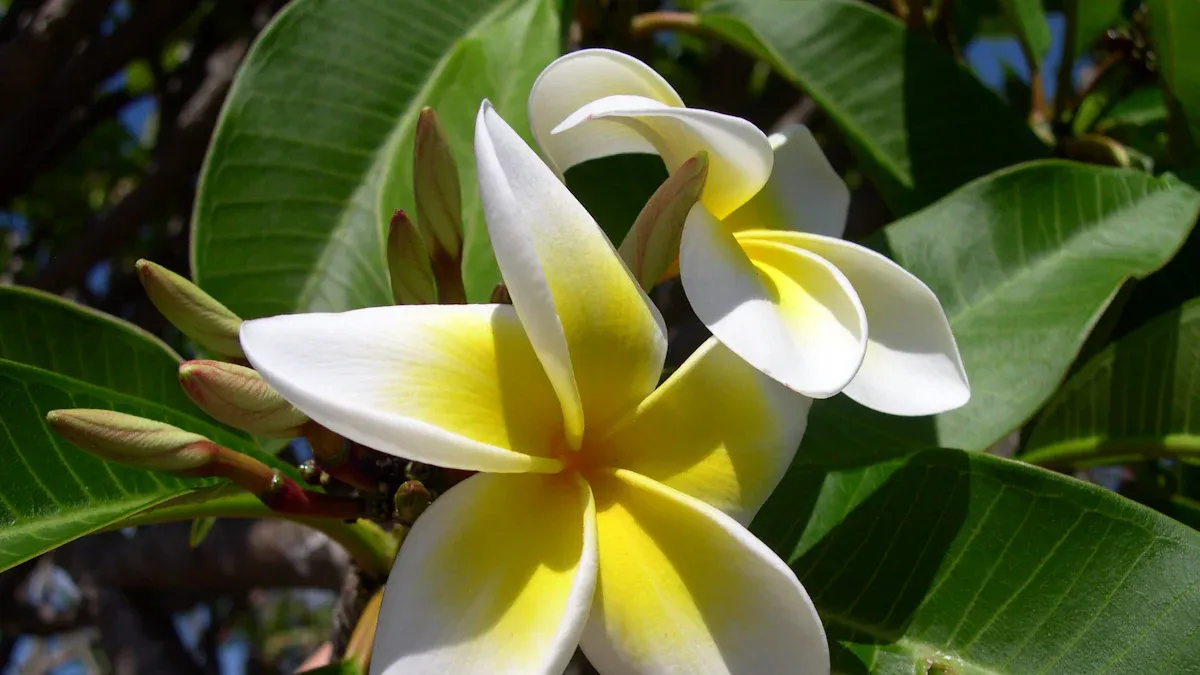
When it comes to Plumeria plant size, you have three main categories to consider: small, medium, and large varieties. Each category has its unique characteristics and height ranges, which can significantly impact your garden’s aesthetics and functionality.
Small Varieties
Small Plumeria varieties are perfect for compact spaces or container gardening. They typically reach heights of 10 to 15 feet, making them manageable for smaller gardens. Here are some popular small varieties along with their typical mature heights:
Variety | Typical Mature Height |
|---|---|
San Germain | 15 feet |
Celadine | 10-15 feet |
Mardi Gras | 10-15 feet |
Inca Gold | 10-15 feet |
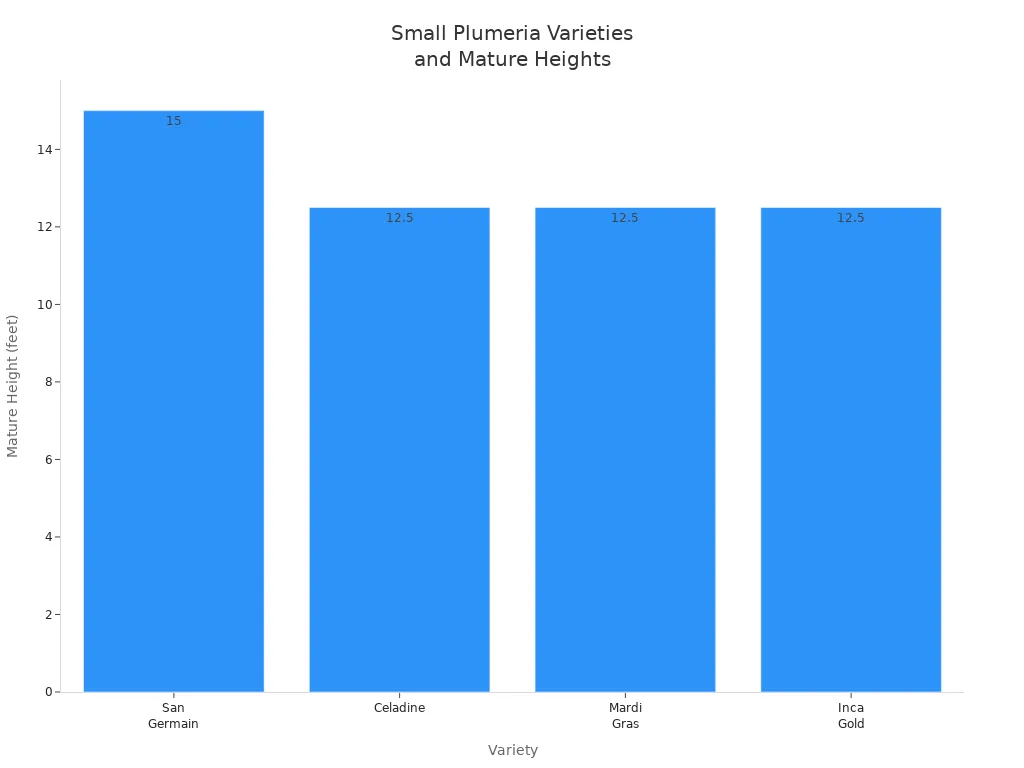
Small Plumeria varieties perform well in containers compared to larger types. They have a compact size, slower growth rate, and smaller leaves and flowers. This makes them easier to care for, as they require less maintenance than their larger counterparts.
Medium Varieties
Medium Plumeria varieties usually grow between 10 to 20 feet tall. They exhibit a defined growth habit but can sometimes show unusual behavior. Here are some key characteristics of medium varieties:
They require full sun to bloom, although some may still flower in less than ideal conditions.
These plants have a dormant period during dry months, allowing for indoor storage during winter.
Active growth resumes with increased sunlight and temperatures in spring, leading to new leaves and flowers.
If you’re looking for medium varieties to enhance your suburban landscape, consider these options:
Cream Plumeria
Orange Plumeria
Pink Plumeria
Purple-Violet Plumeria
Red Plumeria
White Plumeria
Yellow Plumeria
Rainbow – Multi Color Plumeria
Large Varieties
Large Plumeria varieties can reach impressive heights of 20 to 30 feet, and in optimal tropical conditions, they may even exceed 30 feet. Their canopy spread can range from 15 to 25 feet, providing substantial shade. Here are some defining characteristics of large Plumeria varieties:
They create a lush environment, which can be beneficial for forming natural barriers and enhancing privacy in your garden.
Local conditions, such as sheltered areas or sunny spots, can significantly impact their health.
Microclimates allow these varieties to thrive in conditions that may exceed their typical hardiness range.
Mature Plumeria trees not only provide shade but also contribute to creating a secluded garden space. Their lush foliage can help establish a shaded environment, making your outdoor area more inviting.
Remember, USDA zone and hardiness are general guidelines. Actual cold tolerance can vary based on plant variety and local conditions. Even small differences between varieties can matter. Warmer spots in your yard—like near a wall or fence—can help plants survive cold nights. These little warm areas are called microclimates, and they make a big difference.
Choosing the right Plumeria plant size is essential for achieving the desired look and feel in your garden. Whether you opt for small, medium, or large varieties, each has its unique benefits that can enhance your landscape.
Factors for Plumeria Plant Size Selection
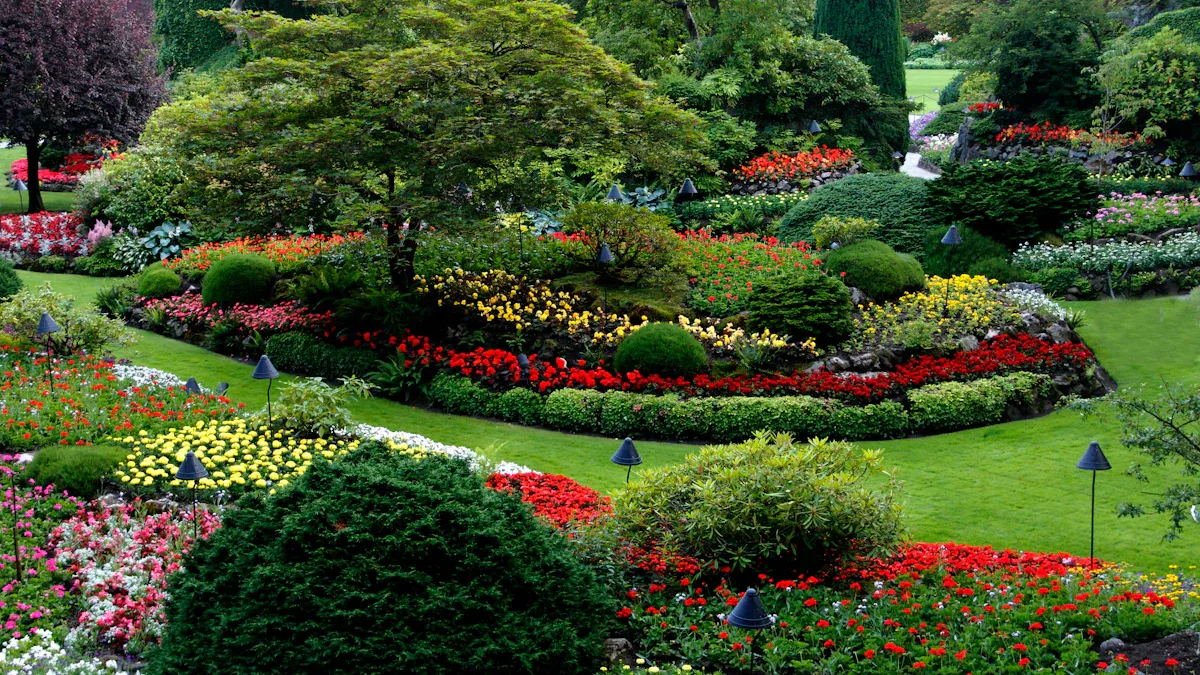
When choosing the right Plumeria plant size for your garden, consider several important factors. These include available space, sunlight requirements, and maintenance needs. Each of these elements plays a crucial role in ensuring your Plumeria thrives and enhances your landscape.
Available Space
Before you plant, assess the space you have. Plumeria plants come in various sizes, and each type has specific spatial needs. Here’s a quick reference table to help you understand the recommended space for different Plumeria sizes:
Plumeria Size Category | Height Range | Recommended Space |
|---|---|---|
Small Varieties | 4 to 6 feet | Pots or small garden corners |
Medium Varieties | 7 to 12 feet | Typical home garden |
Large Varieties | 13 to 20 feet or more | Large yards or commercial landscapes |
Make sure to leave enough room for growth. Overcrowding can lead to poor air circulation and increased susceptibility to diseases. You want your Plumeria to have space to flourish without competing for resources.
Sunlight Requirements
Sunlight is vital for the health of your Plumeria plants. They thrive in full sun and need at least six hours of direct sunlight each day to bloom beautifully. If your garden has strong sunlight, consider providing some shade during the hottest part of the day to protect your plants from excessive heat.
To produce blooms, Plumeria plants require 6 to 8 hours of sunlight exposure daily. Insufficient sunlight can prevent the formation of bloom stems, leading to fewer flowers. Here are some tips to ensure your Plumeria gets the right amount of light:
Young seedlings thrive in bright but indirect sunlight.
Direct sunlight can scorch delicate leaves, so be cautious.
A windowsill that receives filtered sunlight is ideal for seedlings.
Gradually acclimate seedlings to more direct sunlight as they mature.
By ensuring your Plumeria receives adequate sunlight, you’ll encourage strong growth and vibrant blooms.
Maintenance Needs
Different Plumeria sizes come with varying maintenance requirements. Understanding these needs will help you choose the right plant for your lifestyle. Here’s a breakdown of maintenance needs based on size:
Variety Type | Height | Growth Rate | Maintenance Needs |
|---|---|---|---|
Dwarf | ~6ft | Slow | Prune annually, manage humidity to prevent fungal issues |
Medium | ~12ft | Moderate | Regular pruning, ensure good aeration |
Large | Up to 20ft | Fast | Significant pruning, root restriction, manage height |
Larger varieties often require more attention. They may need significant pruning to maintain their shape and size. In contrast, smaller varieties can be easier to manage, especially if you’re growing them in containers.
Remember, container-grown Plumeria plants have different needs compared to those planted in the ground. For instance, container plants may require more frequent watering and repotting, while in-ground plants benefit from natural soil conditioning.
By considering these factors—available space, sunlight, and maintenance—you can make an informed decision about the best Plumeria plant size for your garden. This thoughtful approach will help ensure your plants thrive and contribute to a beautiful landscape.
Steps to Determine Plumeria Size
Measuring Your Space
Before you plant your Plumeria, take a moment to measure your available space. This step is crucial for ensuring your plants have enough room to grow. Here’s how to do it:
Use a tape measure to determine the length and width of the area where you plan to plant.
Consider the height of the plants you’re interested in. Make sure you have enough vertical space, especially for larger varieties.
Think about pathways. Ensure that your chosen plants won’t obstruct walkways or create overcrowding.
Here’s a quick reference table to help you visualize the space needed for different Plumeria sizes:
Plumeria Size Category | Height Range | Recommended Space |
|---|---|---|
Small Varieties | 4 to 6 feet | Pots or small garden corners |
Medium Varieties | 7 to 12 feet | Typical home garden |
Large Varieties | 13 to 20 feet or more | Large yards or commercial landscapes |
Researching Varieties
Once you’ve measured your space, it’s time to research the Plumeria varieties that fit your needs. Here are some resources to help you:
Florida Colors Nursery offers a categorized list of Plumeria types based on their growth habits, including Dwarfs, Compact, Medium, and Tall.
PlumeriaCareGuide.com provides comprehensive care and cultivation tips, ensuring you choose the right variety for your garden.
When researching, pay attention to factors like sunlight exposure, soil quality, and container size. These elements can significantly affect how well your Plumeria grows.
Companion Plants
Choosing the right companion plants can enhance your Plumeria’s growth and overall garden aesthetics. Here are some great options:
Lantana: Thrives in similar conditions and adds colorful displays.
Hibiscus: Creates a stunning layered effect with large blooms.
Basil: Helps repel pests, benefiting both plants.
Lavender: Offers pest-repelling qualities and adds fragrance.
When selecting companion plants, consider their growth habits. Pairing Plumeria with plants that deter pests, like marigolds, can create a healthier environment. Avoid aggressive growers that might compete for resources. By carefully choosing companions, you can create a vibrant and thriving garden space.
Choosing the right size of Plumeria plants is key to creating a beautiful garden. You want your plants to thrive and fit well in your space. Take the time to assess your garden conditions before making a choice.
Remember, a little planning goes a long way! 🌱 Consider factors like sunlight, space, and maintenance needs. This way, you’ll enjoy vibrant blooms and a stunning landscape for years to come. Happy gardening!
FAQ
What is the best time to plant Plumeria?
You should plant Plumeria in spring after the last frost. This timing allows the plant to establish roots and thrive during the warm months.
How often should I water my Plumeria?
Water your Plumeria when the top inch of soil feels dry. Typically, this means watering every 1-2 weeks, depending on your climate.
Do Plumeria plants need fertilizer?
Yes! Use a balanced fertilizer every 4-6 weeks during the growing season. This helps promote healthy growth and vibrant blooms.
Can Plumeria survive winter?
Plumeria can’t tolerate frost. If you live in a colder climate, bring them indoors or cover them during winter to protect them from freezing temperatures.
How do I prune my Plumeria?
Prune your Plumeria in late winter or early spring. Remove dead or damaged branches to encourage new growth and maintain shape.