

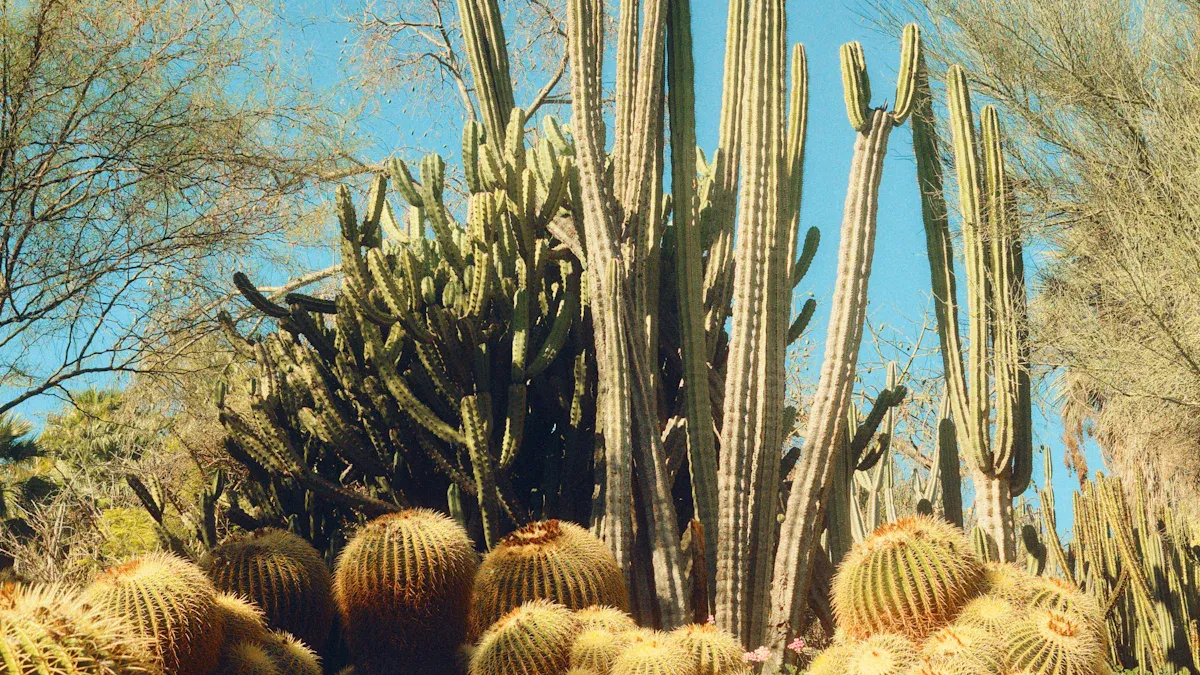
Gardening in hot and dry climates can feel like an uphill battle. With one-fifth of the world’s land classified as hot desert zones, you face unique challenges. Selecting the best plants matters for both sustainability and beauty in your garden. Drought-tolerant plants not only thrive in minimal rainfall but also require minimal maintenance, allowing you to enjoy your garden without constant worry.
Key Takeaways
Select drought-tolerant perennials like Coneflower and Black-Eyed Susan for a beautiful, low-maintenance garden.
Incorporate native plants to enhance resilience and support local wildlife while reducing the need for extra care.
Use succulents and cacti for their unique adaptations that thrive in extreme heat and require minimal watering.
Apply mulch around plants to retain moisture and keep roots cool, ensuring healthier growth.
Design your garden with ornamental grasses to add texture and movement while conserving water.
Best Drought-Tolerant Perennials

When it comes to choosing the best plants for your garden in hot and dry climates, drought-tolerant perennials are your best bet. These resilient plants not only survive but thrive in challenging conditions. Here are some top recommendations for you:
Plant Recommendations
Coneflower (Echinacea): This beauty features daisy-like blooms and attracts pollinators. It’s drought-resistant and loves full sun, making it a perfect choice for your garden.
Rudbeckia (Black-Eyed Susan): Known for its low maintenance, this sun-loving plant is easy to grow. It flourishes in well-drained soil and requires minimal care, making it ideal for busy gardeners.
Nepeta (Catmint): With its fragrant foliage, Catmint serves as a pollinator-friendly groundcover. It’s drought-tolerant and can handle heat, adding a lovely touch to your garden.
Clematis: Many varieties of this climbing plant thrive in hot climates. With proper care, you can enjoy its stunning flowers throughout the growing season.
Russian Sage (Perovskia atriplicifolia): This plant loves full sun and poor soil, making it perfect for dry gardens. Its silvery foliage adds a unique texture to your landscape.
Summer Alliums: These heat and drought-tolerant plants add structural flair to your garden. Their striking blooms will catch the eye and provide interest even in the hottest months.
Sedum (Stonecrop): Extremely resilient, Sedum stores water and thrives in dry conditions. It comes in various shapes and sizes, making it a versatile choice for any garden.
Care Tips
To keep your drought-tolerant perennials thriving, follow these care tips:
Watering: Initially, water your plants deeply to establish strong roots. After that, let the soil dry out between waterings. Most drought-tolerant plants only need about 40% to 60% of the water that traditional garden plants require.
Mulching: Apply a layer of mulch around your plants. This helps retain soil moisture and keeps the roots cool. Aim for a depth of 2-4 inches, and refresh organic mulches annually to maintain their effectiveness.
Soil: Ensure your garden has well-drained soil. Drought-tolerant plants prefer this type of soil, which prevents root rot and promotes healthy growth.
Sunlight: Most of these perennials thrive in full sun. Make sure they receive at least six hours of sunlight daily to flourish.
Pest Management: Keep an eye out for common pests like spider mites and lecanium scale. These pests can thrive in hot, dry weather, so monitor your plants regularly. If you notice any issues, act quickly to manage them.
By incorporating these drought-tolerant perennials into your garden, you can create a beautiful and sustainable landscape that withstands the heat and dryness.
Succulents and Cacti
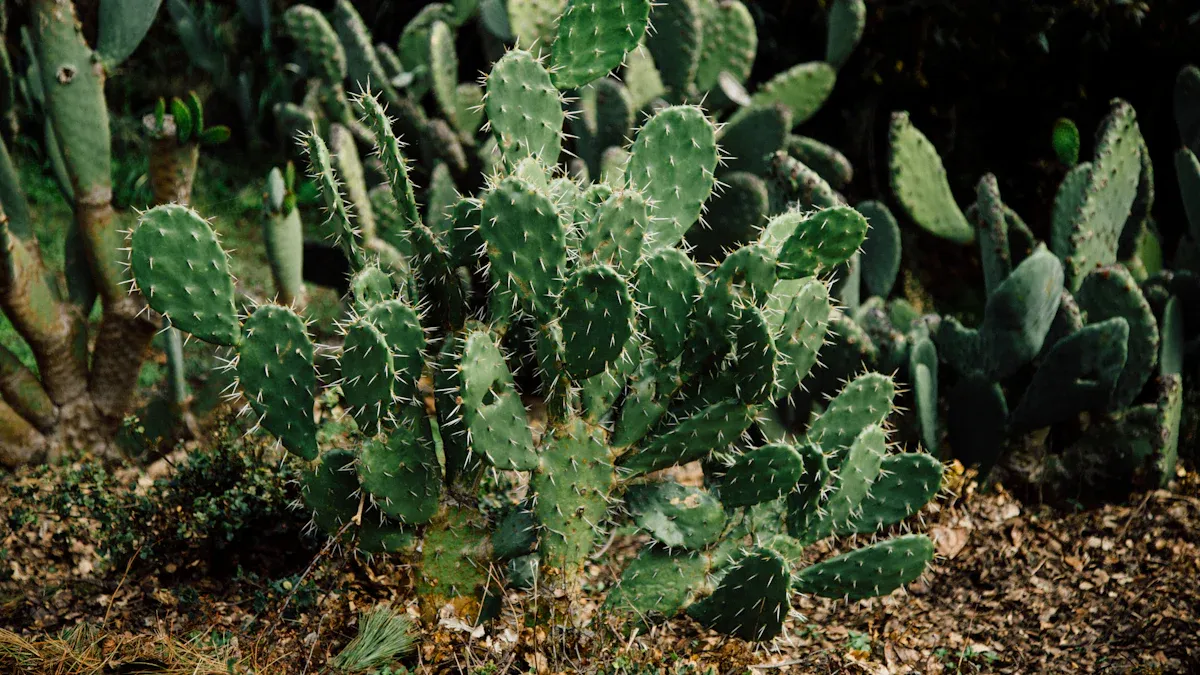
When it comes to hot and dry climates, succulents and cacti are your best friends. These plants have unique adaptations that allow them to thrive in extreme conditions. They store water in their thick stems and have wide, shallow root systems that efficiently absorb moisture. Plus, their minimal leaves and sharp spines help reduce water loss. Let’s dive into some popular varieties and how to care for them.
Popular Varieties
Here are some succulent and cactus varieties that flourish in hot gardens:
Plant Name | Description | Care Requirements |
|---|---|---|
Aeonium | Forms green rosettes with red edging; blooms with small yellow flowers. | Propagated by cutting; drought tolerant. |
Aloe Vera | Known for healing properties; grows up to 2 feet; bright orange flowers. | Needs water once a month; prefers light shade. |
Crassula Capitella | Bright green leaves with red tips; changes color with sunlight. | Drought tolerant; light watering needed. |
Opuntia (Prickly Pear) | Produces bright yellow flowers; edible fruit; grows up to 12 feet tall. | Cold hardy; minimal care required. |
Portulacaria Afra | Small round leaves; can grow up to 5 feet tall; used for bonsai. | Grows quickly; informal screens or hedges. |
These plants not only add beauty to your garden but also require minimal maintenance, making them perfect for busy gardeners.
Maintenance Guidelines
Caring for succulents and cacti is straightforward, but there are a few key points to keep in mind:
Watering: Water your succulents thoroughly when the soil is completely dry. Different species have varying water needs, so pay attention to how your plants respond. For cacti, monitor them closely based on environmental conditions. In humid climates, they may only need watering once a month, even in summer.
Soil: Use well-drained soil to prevent root rot. A mix designed for cacti and succulents works best. You can also add sand or perlite to improve drainage.
Light: Most succulents and cacti thrive in full sun. However, some can adapt to lower light conditions. If you notice dull colors, your plants might need more light.
Common Mistakes: Avoid overwatering your plants, especially in fall and winter when they need less moisture. Check for dry, crispy, or shriveled parts to ensure you’re meeting their needs. Remember, not all succulents require bright light; some can thrive in partial shade.
By following these guidelines, you can enjoy a vibrant garden filled with drought-tolerant plants that stand up to the heat.
Native Plants for Resilience
When you think about gardening in hot and dry climates, native plants should be at the top of your list. These plants have adapted to local conditions over time, making them incredibly resilient. They thrive with minimal care and can withstand the heat and drought that often challenge other plants. Here are some top native species you might consider for your garden:
Top Native Species
Palo Verde: This tree is a true champion of drought resilience. It thrives in arid regions and requires very little water. Plus, it attracts pollinators and helps conserve water through its unique photosynthesis ability.
Black-Eyed Susan: These vibrant flowers bloom for over a month in summer. They love full sun and dry conditions, making them perfect for your garden.
Blazing Star: With its bright flowers, this plant does well in dry gardens. Plant it in groups to attract pollinators and create a stunning display.
Butterfly Weed (Milkweed): Known for its striking orange blooms, this plant is drought-tolerant and serves as a host plant for monarch butterflies. It’s a great way to support local wildlife.
Coneflower: This plant offers nine species that bloom for 6-9 weeks in sunny, dry spots. They’re easy to grow from seed and provide a splash of color.
Coreopsis (Tickseed): Great for dry areas, this plant features tiny flowers that attract pollinators. It’s a low-maintenance option that adds beauty to your landscape.
Rattlesnake Master: This unique plant has a taproot and produces flowers for over six weeks in summer. Its sculptural interest shines in fall and winter.
Benefits of Native Plants
Using native plants in your garden comes with a host of benefits:
Native plants have aced the skill of self-sufficiency and have coexisted with local insects and critters for eons, developing their own defense mechanisms. This means you can say goodbye to excessive fertilizers and pesticides, as these are needed more often for non-native plants.
Less Maintenance: Native plants require less hands-on care. You can enjoy your garden without constant upkeep. They thrive on local rainfall and don’t need much irrigation.
Biodiversity Support: Native plants provide essential resources like nectar, pollen, and foliage. They support a wide range of wildlife, including butterflies, moths, and birds. In fact, they can support up to 15 times as many caterpillars compared to non-native plants, which are crucial food sources for birds.
Ecosystem Balance: By planting native species, you help preserve the balance of local ecosystems. They compete with invasive species, preventing their spread and restoring disturbed areas.
Incorporating native plants into your garden not only enhances its beauty but also contributes to a sustainable environment. You’ll create a thriving ecosystem that supports local wildlife while enjoying a landscape that stands up to the heat and drought.
Ornamental Grasses for Gardens
Ornamental grasses can add texture and movement to your garden while thriving in hot and dry conditions. These plants are not only beautiful but also drought-tolerant, making them perfect for your landscape. Here are some of the best choices for your garden:
Best Choices
Grass Species | Characteristics | Drought Tolerance | Additional Notes |
|---|---|---|---|
Pink Muhly Grass | Eye-catching pink plumes, low-maintenance, thrives in sunny locations | High | Salt-tolerant, ideal for coastal gardens |
Deer Grass | Tough, drought-tolerant, fine-textured foliage | High | Good for erosion control, wildlife gardens |
Purple Threeawn | Graceful, purple-tinged seed heads, low-growing | High | Ideal for naturalistic plantings |
Purple Fountain Grass | Fast-growing, arching form, soft flower spikes | High | Select sterile cultivars to avoid invasiveness |
Blue Fescue | Compact, icy blue foliage, neat mounding shape | High | Performs well in urban settings |
Giant Sacaton | Towering bunchgrass, provides structure and wildlife value | High | Ideal for privacy screens, dramatic appearance |
Blue Grama Grass | Attractive, hardy, unique curved seed heads | High | Thrives in low-water conditions |
Little Bluestem | Striking blue-green foliage, ecological value | High | Important native grass for pollinator habitats |
Mexican Feather Grass | Fine-textured, elegant movement, soft plumes | High | Drought-tolerant, may be invasive in some regions |
These grasses not only tolerate drought but also enhance your garden’s aesthetic appeal.
Design Ideas
Incorporating ornamental grasses into your landscape can be both fun and rewarding. Here are some design ideas to get you started:
Border Plantings: Use tall grasses like Miscanthus to create striking borders that frame your garden.
Mass Plantings: Group different grasses together to create focal points. This adds depth and interest to your landscape.
Container Gardens: Choose compact varieties for pots. They can add height and texture to your patio or deck.
Water Features: Plant grasses around ponds or streams to soften the edges and create a natural look.
Erosion Control: Use grasses on slopes to stabilize soil and prevent erosion.
Wildlife Habitat: Select grasses that attract birds and provide cover for small animals.
By using these design strategies, you can create a vibrant and sustainable garden that thrives in the heat. Ornamental grasses not only save water but also provide ecological benefits, such as improving soil quality and offering habitat for wildlife.
Creating a sustainable garden in hot and dry climates is achievable with the right plants. Here are some key takeaways to remember:
Choose low-water requirement plants that still look great.
Utilize native plants that thrive in your area and support local wildlife.
Incorporate hardscaping to reduce water needs while enhancing beauty.
Design for cooler microclimates to provide relief from the heat.
By considering these tips, you can transform your garden into a vibrant oasis. Don’t forget to visit your local nurseries. They often have a fantastic selection of drought-tolerant plants and can offer personalized advice to help you succeed.
FAQ
What are drought-tolerant plants?
Drought-tolerant plants are species that can survive with minimal water. They have adaptations like deep roots and thick leaves to store moisture. These plants thrive in hot, dry climates, making them perfect for low-maintenance gardens.
How often should I water drought-tolerant plants?
Water your drought-tolerant plants deeply but infrequently. After establishing their roots, most only need watering every two to four weeks, depending on rainfall. Always check the soil moisture before watering to avoid overwatering.
Can I grow vegetables in hot and dry climates?
Yes! Many vegetables thrive in hot, dry conditions. Consider planting heat-tolerant varieties like tomatoes, peppers, and squash. Use mulch to retain moisture and provide shade during the hottest parts of the day.
What is the best time to plant in hot climates?
The best time to plant in hot climates is during the cooler months, like spring or fall. This allows plants to establish roots before the intense heat of summer arrives. Early morning or late afternoon is ideal for planting.
How can I improve soil for drought-tolerant plants?
To improve soil for drought-tolerant plants, mix in organic matter like compost. This enhances drainage and nutrient retention. You can also add sand or perlite to sandy soils to improve structure and moisture retention.