

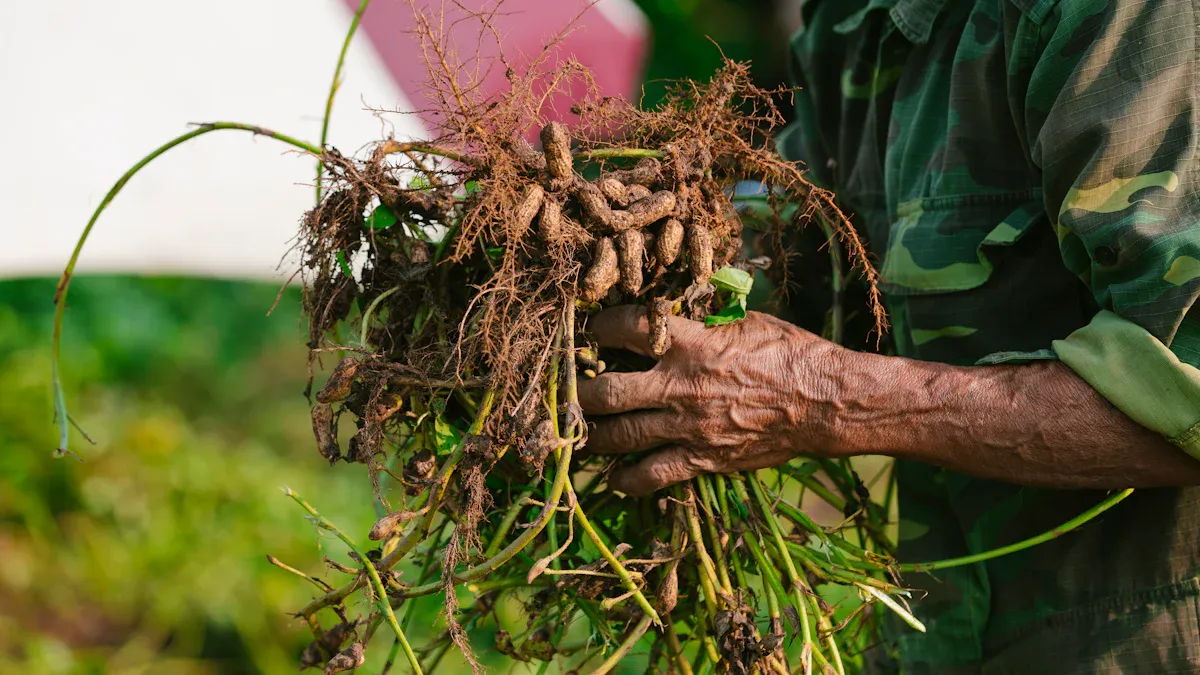
Roots and stems play vital roles in the healthy growth of pea plants. Roots absorb essential nutrients and water from the soil, anchoring the plant securely. This stability allows the plant to thrive in various conditions. Stems provide structural support, holding leaves and flowers high enough to capture sunlight. Recent studies show that healthy roots and stems significantly enhance healthy growth metrics, such as shoot height and root length. For instance, treatments that improve root health can lead to better overall yield, highlighting the importance of nurturing these parts of the plant for optimal healthy growth.
Key Takeaways
Healthy roots absorb essential nutrients and improve soil health, leading to stronger plants.
Strong stems provide support and transport nutrients, which are crucial for plant growth.
Proper care, including watering and mulching, enhances root and stem health for better yields.
Using support structures like trellises helps climbing varieties maximize sunlight and airflow.
Maintaining optimal soil conditions, such as pH and nutrient levels, is vital for healthy pea growth.
Root Functions
Nutrient Uptake
Roots play a crucial role in the nutrient uptake of pea plants. They absorb essential macro-nutrients and micro-nutrients from the soil. Here are the primary nutrients that your pea plants need:
Macro-nutrients:
Carbon (C)
Hydrogen (H)
Oxygen (O)
Nitrogen (N)
Phosphorus (P)
Potassium (K)
Calcium (Ca)
Sulfur (S)
Magnesium (Mg)
Micro-nutrients:
Iron (Fe)
Copper (Cu)
Zinc (Zn)
Manganese (Mn)
Molybdenum (Mo)
Boron (B)
Chlorine (Cl)
Nickel (Ni)
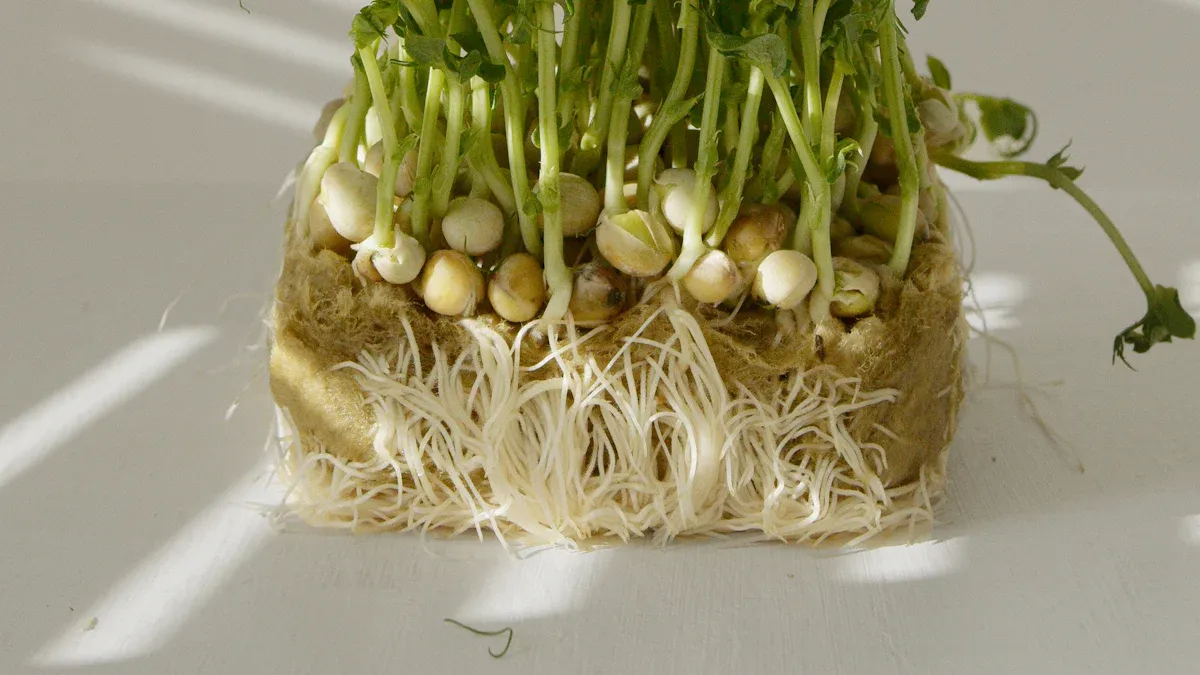
These nutrients are vital for various physiological functions. For instance, nitrogen is essential for protein synthesis, while phosphorus supports root development and energy transfer. When your pea plants face nutrient deficiencies, they adapt by increasing root hair density. This adaptation enhances their ability to absorb nutrients effectively.
Additionally, pea plant roots interact with soil microorganisms to boost nutrient uptake. In nutrient-limited soils, your plants increase the discharge of exudates. This action enhances the activities of beneficial microorganisms around the roots. Essentially, your plants “farm” these microbes, improving nutrient availability in the soil.
Stability and Anchoring
Roots also provide stability and anchoring for pea plants. They secure the plant in the soil, allowing it to withstand various environmental conditions. Root hairs play a significant role in this process. They enhance soil penetration by gripping the soil pore walls. Research shows that the frictional force required to withdraw pea roots increases significantly after root hairs emerge. This indicates their importance in anchoring the plant.
The effectiveness of root anchorage varies with soil type. For example, root hair adhesion is strongest in fine-textured soils. In contrast, shorter root hairs in denser soils may reduce anchorage ability. Studies indicate that optimal anchorage occurs at intermediate soil densities. This means that your pea plants can thrive better in well-aerated soils that allow for proper root expansion.
Moreover, pea plants form symbiotic relationships with nitrogen-fixing bacteria, such as rhizobia. These bacteria establish nodules on the roots, converting atmospheric nitrogen (N2) into ammonia, which the plant can use for growth. This relationship not only benefits your plants but also enhances soil fertility. When the plant dies, it releases nitrogen back into the soil, enriching it for future crops.
Root Characteristics
Structure and Depth
The structure and depth of pea plant roots significantly influence their health and growth. Pea roots typically consist of a main taproot that extends deep into the soil. This taproot allows the plant to access water and nutrients from deeper soil layers. In addition to the taproot, lateral roots branch out horizontally. These lateral roots enhance stability and nutrient absorption.
Research shows that the highest-yielding pea varieties often have average-sized root systems. This indicates that root growth timing is crucial. Most root development should occur before flowering. After flowering, the plant redirects energy toward pod development.
Types of Roots
Pea plants exhibit several root types, each contributing to their overall health. Here are the main types:
Root Type | Characteristics | Contribution to Plant Health |
|---|---|---|
Lateral Roots | Dense and well-developed, contributing to soil stability and nutrient uptake. | Enhances nutrient absorption and supports soil health. |
Nodulated Roots | Specialized structures for nitrogen fixation. | Improves soil nitrogen levels, benefiting overall plant health. |
Shallow Root System | Relatively shallow compared to other species, affecting water and nutrient access. | Adaptation to specific soil conditions, influencing growth. |
Healthy nodules on the roots play a vital role in nitrogen fixation. They house beneficial bacteria that convert atmospheric nitrogen into a form the plant can use. This process enriches the soil and supports plant growth. Studies indicate that root and nodule health directly impacts nitrogen fixation rates. For example, improved root development enhances nitrogen uptake, especially during drought conditions.
By understanding the structure and types of roots, you can better care for your pea plants. Healthy roots lead to robust plants that yield more produce.
Stem Functions
Support and Structure
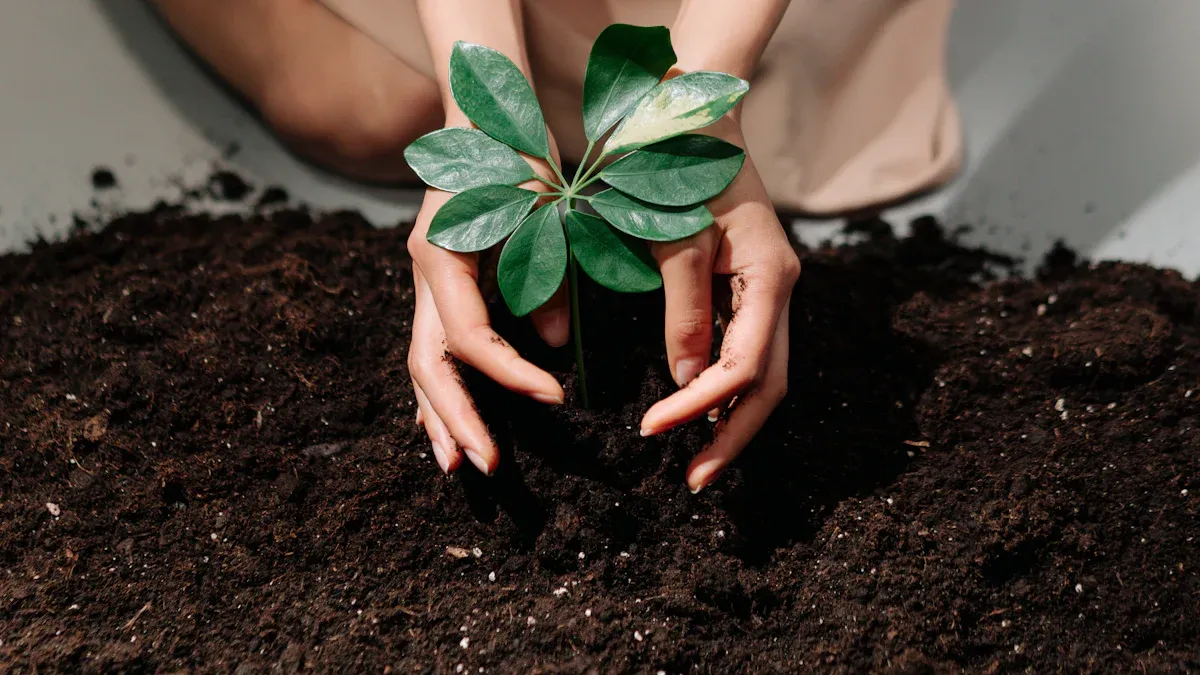
Stems serve as the backbone of pea plants, providing essential support and structure. They hold leaves and flowers upright, allowing them to capture sunlight effectively. A strong stem helps your plants resist wind and other environmental stresses.
The stem’s structure consists of several layers. The outer layer, called the epidermis, protects the plant. Beneath this layer lies the cortex, which stores nutrients. The vascular tissue, located in the center, plays a crucial role in transporting water and nutrients.
You may notice that some pea varieties, like snap peas and snow peas, have thicker stems. These adaptations help them support heavier pods and withstand external pressures. The ability of stems to grow taller and thicker is vital for maximizing light exposure, which is essential for photosynthesis.
Nutrient Transport
Stems also play a critical role in transporting nutrients and water throughout the plant. This process involves two main types of vascular tissue: xylem and phloem.
Xylem: This tissue transports water from the roots to the leaves. It helps maintain turgor pressure, which keeps your plants firm and upright.
Phloem: This tissue carries nutrients, such as carbohydrates and amino acids, from the roots and older leaves to growing organs. The anatomical adaptations of phloem cells ensure efficient nutrient transport.
The exchange between xylem and phloem is vital for delivering nitrogen to actively growing tissues. This process supports overall plant health and growth. When you provide adequate water and nutrients, your pea plants can thrive, leading to better yields.
In addition to their nutrient transport functions, stems in climbing varieties of peas have unique adaptations. These plants develop tendrils that wrap around supports, allowing them to climb and reach for sunlight. This climbing ability enhances their growth potential, especially in limited space. By understanding these adaptations, you can better support your climbing pea varieties and maximize their growth.
Stem Characteristics
Structure and Growth Patterns
The structure of pea plant stems plays a vital role in their overall health and growth. Pea stems typically have a rounded or slightly quadrangular shape, with a hollow interior. Their thickness can vary from medium to thick, depending on the variety. The internode length, which is the space between nodes, can range from short to long.
Here’s a quick overview of key anatomical features of pea stems:
Feature | Description |
|---|---|
Stem Shape | Rounded or indistinctly quadrangular, hollow inside. |
Stem Thickness | Varies from medium to thick. |
Internode Length | Ranges from short to long. |
Stem Types | Simple (elongated internodes, evenly spaced flowers) and fasciated (short internodes, clustered flowers). |
Growth Type | Determinate (growth ends with generative bud) and indeterminate (growth continues with beans at lower nodes). |
Stem Height | Varies from 20 to 300 cm, categorized as low (below 50 cm), semi-dwarf (51-80 cm), medium (81-150 cm), tall (151-300 cm). |
During the vegetative growth stage, your pea plants focus on developing their stems, leaves, and roots. The elongation of the stem is crucial. It allows the plant to achieve greater heights, enhancing its structural integrity and ability to capture sunlight. This growth pattern significantly influences overall plant development.
Climbing Adaptations
Pea plants have unique adaptations that allow them to climb and attach to supports. These adaptations help them maximize light exposure, which is essential for photosynthesis. Here are some key features of their climbing mechanism:
Pea plants can detect potential supports in their environment and adapt their behavior to grasp them.
Tendrils, which are modified leaves or stems, coil around supports. They are sensitive to mechanical stimulation, allowing them to wrap around objects effectively.
The coiling mechanism begins with circumnutation, where the tendril moves in a circular pattern to increase contact chances with support. When a support is detected, tendrils adjust their direction towards it, enhancing their climbing ability.
These climbing adaptations enable your pea plants to thrive in various environments. By understanding these characteristics, you can provide better support for your climbing varieties, ensuring they reach their full growth potential.
Optimal Conditions for Healthy Growth
Soil and Water Needs
To achieve healthy growth, your pea plants require specific soil and water conditions. The ideal soil for peas should have a pH above 5.5. This level is essential for healthy root and stem development. Here’s a quick overview of the optimal nutrient levels:
Nutrient | Optimal Level | Notes |
|---|---|---|
Soil pH | Above 5.5 | Essential for healthy root and stem development |
Phosphorus | Essential | Important for nodulation |
Potassium | Essential | Supports overall plant health |
Sulfur | Essential | Necessary for various plant functions |
Molybdenum | Critical | Important for nodulation and nitrogen fixation; less available at low pH |
Water availability significantly influences the growth of your pea plants. Studies show that drought conditions can adversely affect both root and shoot development. When water is scarce, your plants may struggle to maintain photosynthetic activity. This struggle leads to reduced growth and can hinder nitrogen fixation, which is crucial for legumes like peas. Therefore, ensure your plants receive consistent moisture, especially during dry spells.
Planting Peas: Depth and Spacing
When planting peas, proper depth and spacing are vital for maximizing yield. Follow these guidelines for optimal results:
Planting Depth: Sow your seeds at a depth of 1 to 3 inches, depending on moisture and soil conditions.
Spacing: Aim for eight seeds per square foot, with each seed approximately three inches apart. This spacing allows for adequate airflow and nutrient access.
By adhering to these planting practices, you can promote healthy growth and ensure your pea plants thrive. Remember, the right conditions lead to robust plants that yield quality produce.
Care Tips for Growing Peas
Nurturing Roots
To promote healthy growth in your pea plants, focus on nurturing their roots. Start by preparing the soil properly. Peas thrive in sandy soil rich in organic matter. Before planting, incorporate 1-2 inches of well-composted organic matter into the soil. If you have heavy clay soil, amend it with compost to improve drainage and root development.
Here are some essential watering practices to keep in mind:
Water Evenly: Keep the soil consistently moist, aiming for about 1 inch of water per week.
Avoid Waterlogging: Peas dislike soggy soil, which can lead to root rot or fungal diseases.
Water at the Base: Direct water to the soil rather than the leaves to reduce disease risk.
Mulch: Apply straw or compost mulch to retain soil moisture and regulate temperature.
Adjust for Growth Stage: Increase watering slightly during flowering and pod formation, but reduce as plants mature.
Using mulch can significantly benefit your pea plants. It helps retain soil moisture, regulates temperature, and suppresses weeds. In fact, mulch can reduce soil moisture loss by up to 40%, ensuring your roots stay hydrated.
Benefit | Description |
|---|---|
Moisture Retention | Mulch reduces soil moisture loss, maintaining consistent moisture levels for roots. |
Temperature Regulation | Acts as an insulating barrier, stabilizing soil temperatures and protecting roots from extremes. |
Weed Suppression | Reduces weed growth, allowing plants to access nutrients and water without competition. |
Soil Enrichment | Organic mulches decompose to release nutrients and enhance microbial activity, improving soil health. |
Supporting Stems
Supporting the stems of your pea plants is crucial for their overall health and productivity. Proper support prevents lodging and allows your plants to grow upright, maximizing light exposure. Here are some recommended support structures:
Trellises: Suitable for taller pea cultivars, made from wood or metal.
Poles: Ideal for multiple plants climbing a single pole.
Netting: Various types can be used, with larger weaves being easier to manage.
DIY Structures: Options include bamboo canes, wire mesh, or natural materials like pea sticks.
Using these supports promotes healthier and more productive plants. It reduces the occurrence of diseases like powdery mildew by maximizing light exposure and increasing airflow. Additionally, vertical gardening minimizes damage from pests, making it harder for them to reach the plants.
By following these care tips, you can ensure that your pea plants develop strong roots and sturdy stems, leading to a bountiful harvest.
Healthy roots and stems are vital for the growth of your pea plants. They ensure effective nutrient uptake and provide stability. Here are some key takeaways:
Healthy roots enhance nutrient absorption and improve soil health.
Strong stems support the plant structure and facilitate nutrient transport.
Following care tips can lead to better yields when harvesting peas.
By nurturing your plants’ roots and stems, you contribute to their overall productivity. Remember, growing legumes like peas in crop rotations boosts soil organic matter, which is crucial for plant growth. Implement these practices, and you will enjoy a bountiful harvest.
FAQ
What are common pea plant growing problems?
Pea plants can face issues like poor germination, yellowing leaves, and stunted growth. These problems often stem from inadequate soil nutrients, pests, or diseases. Regular monitoring helps you identify and address these issues early.
How do I support climbing garden pea varieties?
Use trellises, poles, or netting to support climbing garden pea varieties. These structures help your plants grow upright, maximizing sunlight exposure and airflow, which promotes healthy growth.
When should I harvest my peas?
You should harvest peas when the pods are plump and firm. For snap peas, pick them before the seeds fully develop. Regular harvesting encourages more pod production, leading to a bountiful yield.
How can I improve soil for my pea plants?
To improve soil, incorporate organic matter like compost before planting. Ensure the soil has good drainage and a pH above 5.5. This creates optimal conditions for healthy root and stem development.
What nutrients do peas need for healthy growth?
Peas require essential nutrients like nitrogen, phosphorus, and potassium. These nutrients support root development, flowering, and pod formation. Regular soil testing helps you maintain the right nutrient levels for optimal growth.