
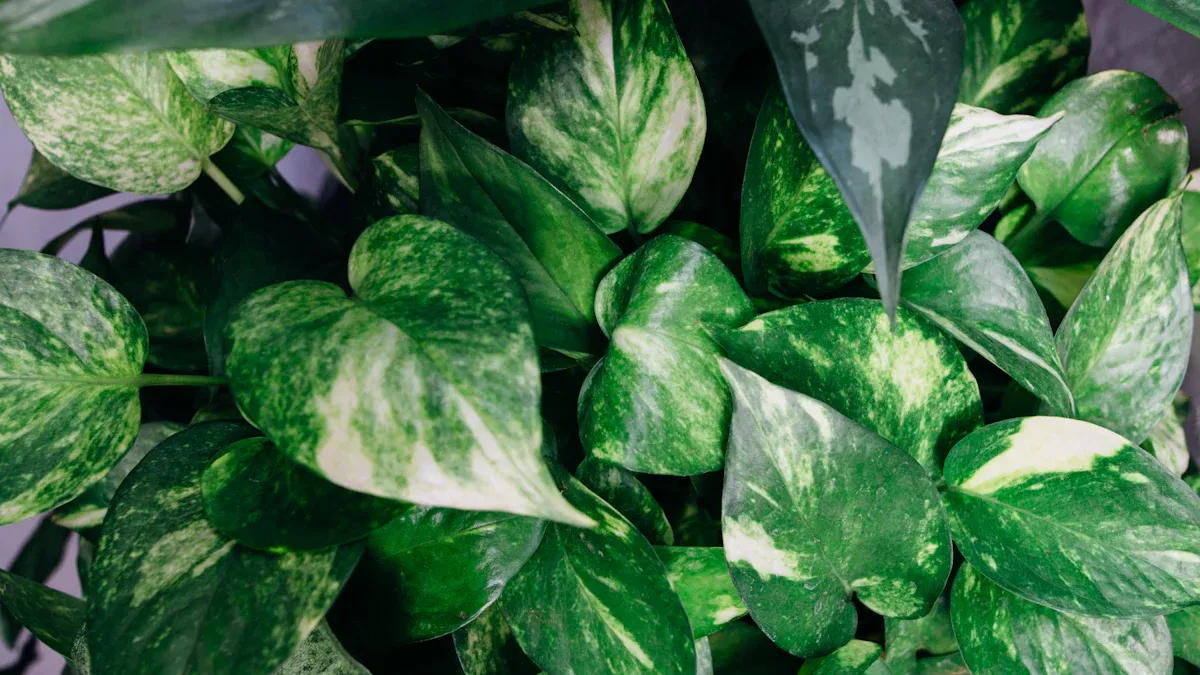
The Brazilian Pothos plant originates from the lush tropical rainforests of South America, especially Brazil. This popular houseplant thrives in warm, humid environments. Its vibrant green leaves and easy care make it a favorite among plant enthusiasts. Many people are curious about its origin and how it became such a beloved addition to homes worldwide.
Key Takeaways
The Brazilian Pothos thrives in warm, humid environments, making it ideal for indoor spaces. Keep it in temperatures between 65°F and 85°F for best results.
Use well-draining, nutrient-rich soil to help your Brazilian Pothos grow strong. This prevents waterlogging and ensures the plant gets the nutrients it needs.
This plant is easy to care for, requiring bright, indirect light and infrequent watering. Allow the top inch of soil to dry out before watering again.
The Brazilian Pothos is known for its air-purifying abilities, improving indoor air quality while adding beauty to your home.
Culturally, the Brazilian Pothos symbolizes prosperity and growth in Brazil, making it a popular choice for home decoration and celebrations.
Habitat

The Brazilian Pothos plant thrives in specific environments that mimic its natural habitat. Understanding these conditions can help you care for your pothos effectively.
Climate Conditions
In its native tropical rainforest, the Brazilian Pothos enjoys warm temperatures and high humidity. Here are some key climate conditions:
Ideal temperature range: 65°F (18°C) to 85°F (29°C)
Minimum temperature: 50°F (10°C)
Humidity: Prefers high humidity, similar to its native habitat.
You should aim to keep your pothos in a warm area of your home. While it can tolerate average or dry air, it thrives best in humid conditions. If you live in a drier climate, consider using a humidifier or placing a tray of water near your plant to increase moisture levels.
Soil Requirements
The soil composition plays a crucial role in the growth of Brazilian Pothos. These plants thrive in soil that has excellent drainage and is nutrient-dense. Here are the ideal soil characteristics:
Excellent drainage: Prevents waterlogging, which can harm the roots.
Slightly acidic pH: Helps the plant absorb nutrients effectively.
Nutrient-dense: Provides essential nutrients for healthy growth.
In their native environment, Brazilian Pothos roots in rich soil. You can replicate this by using a well-draining potting mix that retains some moisture while allowing excess water to escape. This will help your pothos flourish and maintain its vibrant green leaves.
By understanding the habitat preferences of the Brazilian Pothos, you can create an environment that supports its growth and health.
Botanical Classification
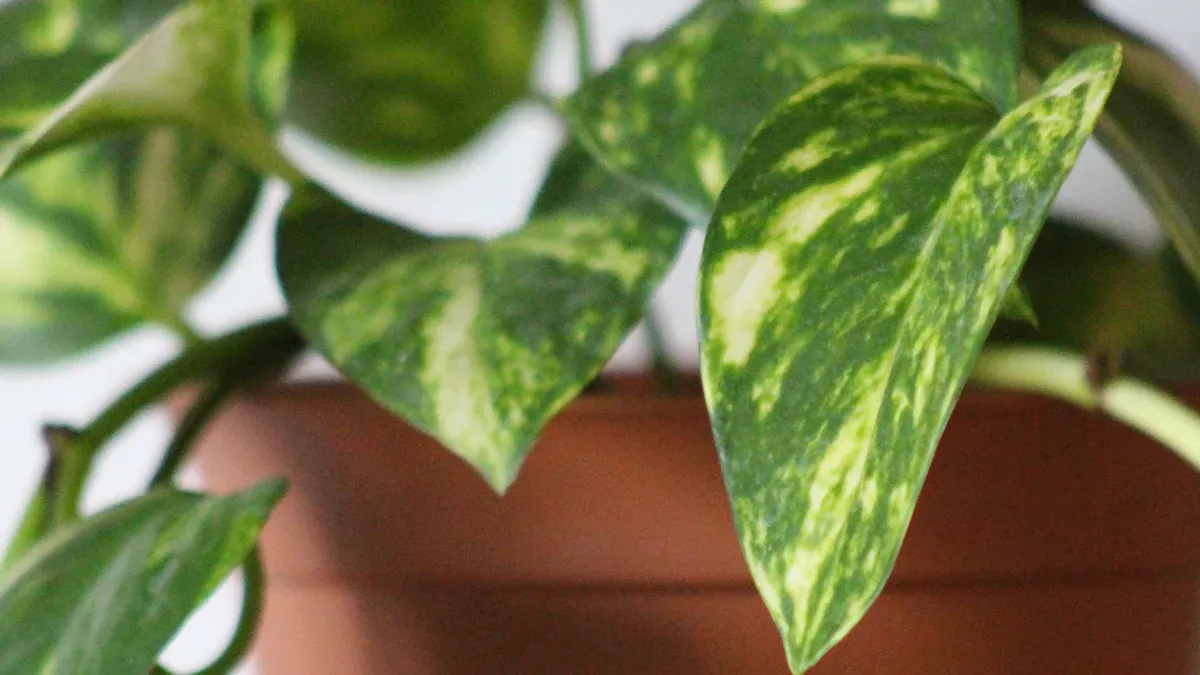
The Brazilian Pothos plant belongs to a specific scientific classification that helps you understand its place in the plant kingdom. Here’s a breakdown of its classification:
Classification Level | Name |
|---|---|
Kingdom | Plantae |
Clade | Tracheophytes |
Clade | Angiosperms |
Clade | Monocots |
Order | Alismatales |
Family | Araceae |
Tribe | Potheae |
Genus | Pothos |
Species | Pothos repens |
This classification shows that the Brazilian Pothos is part of the Araceae family, which includes many other popular houseplants.
Philodendron Brasil
You might notice that the Brazilian Pothos is often confused with the heartleaf philodendron. While they share some similarities, they are distinct plants. The Brazilian Pothos, scientifically known as Epipremnum aureum, has thicker, waxy leaves compared to the thinner, smoother leaves of the heartleaf philodendron.
Here’s a quick comparison of their characteristics:
Characteristic | Brazilian Pothos (Epipremnum aureum) | Philodendron Species |
|---|---|---|
Leaf Texture | Thicker, waxy, bumpy | Thin, smooth |
Leaf Shape | Asymmetrical, larger | Symmetrical, heart-shaped |
Leaf Color | Marked with gold, white, or yellow | Plain green |
Root Structure | Thick nubs, one per node | Indented towards the stem |
Sheath | No sheaths | Brown and papery |
Growth Rate | Up to 12 cm per week | Up to 10 cm per week |
Light Tolerance | Can tolerate lower light | Tolerates low light |
Humidity Preference | Prefers higher humidity | Prefers lower humidity |
Related Species
The Brazilian Pothos is not alone in the Araceae family. Several related species share similar traits. Here are a few notable ones:
Common Name | Botanical Name | Family | Native Area |
|---|---|---|---|
Philodendron Brasil | Philodendron hederaceum Brasil | Araceae | Central America, Caribbean |
Cebu Blue Pothos | Epipremnum pinnatum Cebu Blue | Araceae | Asia |
Dragon’s Tail Pothos | Epipremnum pinnatum | Araceae | Asia, Australia |
Emerald Pothos | Epipremnum aureum Emerald | Araceae | None (cultivar) |
Glacier Pothos | Epipremnum aureum Glacier | Araceae | None (cultivar) |
Understanding the botanical classification of the Brazilian Pothos helps you appreciate its unique characteristics and its relationship with other plants in the Araceae family.
History of Discovery
The Brazilian Pothos plant has an intriguing history that dates back to its discovery in 1991. This plant quickly gained attention for its unique beauty and adaptability. You may wonder how it became such a significant part of local culture and the global houseplant scene.
Cultural Significance
In Brazil, the Brazilian Pothos holds a special place in local culture. People often use it in homes and gardens for its aesthetic appeal. The plant symbolizes prosperity and growth, making it a popular choice for decorating spaces. Many families believe that having this plant brings good luck and positive energy into their homes.
Additionally, the Brazilian Pothos is often featured in traditional ceremonies and celebrations. Its vibrant green leaves and trailing vines add a touch of nature to various events. You might find it adorning tables during family gatherings or being used in floral arrangements for special occasions.
Discovery Timeline
The journey of the Brazilian Pothos began with its initial classification under the genus Pothos. Over time, scientists improved their understanding of the plant’s morphology and genetics. This led to its reclassification into the genus Epipremnum. Here’s a brief timeline of key events in the history of the Brazilian Pothos:
1880: Original materials named Pothos aureus.
1908: The plant was moved to the genus Scindapsus.
1960s: An expert identified the inflorescence, confirming its placement in Epipremnum by 1964.
Ongoing debates: Discussions continue about the species status, particularly between E. aureum and E. pinnatum.
Despite the confusion surrounding its classification, the Brazilian Pothos has become a beloved houseplant worldwide. Its ability to thrive in various environments has contributed to its popularity. You can enjoy this plant’s beauty and benefits in your own home, knowing its rich history and cultural significance.
Popularity of Brazilian Pothos Plant
The Brazilian Pothos plant has gained immense popularity among houseplant enthusiasts worldwide. Its introduction to various regions has made it a staple in many homes. You can find this plant thriving in homes, offices, and public spaces across the globe.
Philodendron Brasil Care
Caring for your Brazilian Pothos is straightforward, making it an excellent choice for both beginners and experienced gardeners. Here are some essential aspects of Philodendron Brasil care:
Light Requirements: This plant prefers bright, indirect light. Direct sunlight can scorch its leaves, so place it near a window with filtered light.
Watering: Allow the soil to dry between waterings. Overwatering can lead to root rot, so check the top inch of soil before watering.
Temperature and Humidity: The ideal temperature range is between 65°F to 80°F. Aim for humidity levels between 60% to 80% to keep your plant healthy.
You can enhance your care routine by misting the leaves or placing the pot on a pebble tray filled with water. This will help maintain the humidity levels that the Brazilian Pothos loves.
Global Spread
The Brazilian Pothos has spread globally due to its adaptability and ease of care. Here are some reasons for its widespread popularity:
Affordability: The Brazilian Pothos is very common and affordable, making it accessible to many plant lovers.
Lighting Flexibility: It thrives in various lighting conditions, including fluorescent light, which is perfect for indoor environments.
Low Maintenance: This plant is easy to care for and propagate, allowing you to share it with friends and family.
Feature | Description |
|---|---|
Aesthetic Appeal | Heart-shaped leaves that grow long on cascading vines, ideal for hanging baskets and climbing. |
Low Maintenance | Perfect for beginners; adaptable to various environments. |
Versatility | Suitable for both experienced gardeners and novices, fitting well in diverse interior decor. |
Additionally, the Brazilian Pothos has exceptional air-purifying capabilities, improving indoor air quality. Its ability to thrive in low light conditions makes it a favorite among indoor gardeners.
As the Brazilian ornamental plant market grows, the revenue has increased significantly, indicating its emerging role in the global market. The implementation of the PVP Act has attracted technology and innovations in ornamental plants, enhancing the distribution of varieties like the Brazilian Pothos.
The Brazilian Pothos plant thrives in various environments, making it a popular choice for indoor gardening. Its ability to grow in moderate to bright indirect light enhances its appeal. You can enjoy its vining nature and aerial roots, which allow for creative display options. This plant requires infrequent watering and minimal fertilization, fitting well into busy lifestyles.
Understanding its botanical classification as Epipremnum aureum helps you appreciate its unique traits. The Brazilian Pothos also holds cultural significance in Brazil, symbolizing prosperity and growth. Its global popularity continues to rise, making it a beloved houseplant for many.
FAQ
What is the best light for Brazilian Pothos?
Brazilian Pothos thrives in bright, indirect light. You can place it near a window with filtered sunlight. Avoid direct sunlight, as it can scorch the leaves.
How often should I water my Brazilian Pothos?
Water your Brazilian Pothos when the top inch of soil feels dry. Typically, this means watering every 1-2 weeks, depending on humidity and temperature.
Can I propagate Brazilian Pothos easily?
Yes! You can propagate Brazilian Pothos through stem cuttings. Simply cut a healthy stem below a node, place it in water or soil, and watch it grow roots.
Is Brazilian Pothos safe for pets?
Brazilian Pothos is toxic to pets if ingested. Keep it out of reach of cats and dogs to prevent any health issues.
How do I fertilize my Brazilian Pothos?
Fertilize your Brazilian Pothos every 4-6 weeks during the growing season. Use a balanced, water-soluble fertilizer diluted to half strength for best results.