Did you know that aphids can multiply up to 100 times in just a month when left unchecked? You probably want to stop these tiny invaders without harming your plants or the environment. Luckily, you can encourage helpful insects like ladybugs and use natural sprays such as neem oil or garlic solutions to keep aphids at bay. Grasping these organic methods can change how you protect your garden and enjoy healthier plants all season long.
Attract Beneficial Insects to Your Garden
As you invite beneficial insects into your garden, you’re not just adding friends—you’re creating a natural defense team against aphids. Ladybugs in agriculture play a crucial role as voracious predators of aphids on fruit trees, quickly reducing their numbers. To attract these helpful allies, plant nectar-rich flowers like dill, fennel, and yarrow near your fruit trees. These plants provide food and shelter, encouraging ladybugs and other beneficial insects to settle in. Avoid broad-spectrum pesticides, which harm your insect defenders. Also, maintain diverse plantings to support a balanced ecosystem where natural predators thrive. In cultivating this environment, you give ladybugs and their cohorts the upper hand, making your garden healthier and more resilient without relying on harsh chemicals. This method leads you toward expert-level pest control with lasting results.
Use Neem Oil as a Natural Insecticide
Neem oil offers a powerful, natural way to tackle aphids without harming your garden’s helpful insects. You may have heard neem oil myths claiming it’s ineffective or toxic, but those aren’t true if you use it correctly. This oil disrupts aphids’ feeding and breeding cycles, reducing their numbers steadily. Unlike some chemical pesticides, neem oil lowers the chance of aphid resistance because it works in multiple ways. You’ll want to apply it regularly, especially in the morning or late evening, to avoid harming beneficial insects. Make sure to cover all leaf surfaces since aphids hide on undersides. Using neem oil helps you control aphids gently, keeping your garden balanced and thriving while respecting nature’s helpful allies.
Apply Insecticidal Soap for Aphid Control
While neem oil works through interrupting aphids’ life cycles, insecticidal soap attacks these pests more directly, making it another friendly option for your garden. You’ll want to prepare soap mixtures carefully, choosing pure, unscented soaps to avoid harming your plants. Spray these mixtures thoroughly on the undersides of leaves where aphids hide. The soap breaks down their outer layer, quickly controlling infestations. For aphid prevention, apply insecticidal soap regularly during warm, dry weather, which helps maintain a barrier against new pests. Keep in mind to test the soap mixture on a small leaf initially to make sure your plants tolerate it well. Through incorporating insecticidal soap into your routine, you gain a targeted, low-toxicity method that complements other organic approaches, keeping your garden thriving without harsh chemicals.
Introduce Ladybugs to Your Plants
You can invite ladybugs into your garden to naturally reduce aphid populations because these little beetles love to feast on pests.
To attract them, plant flowers like dill, fennel, or marigolds that provide shelter and food.
Choosing the right species, like the Asian lady beetle or the convergent ladybug, helps guarantee they’ll stick around and keep your plants healthy.
Benefits of Ladybugs
As you invite ladybugs into your garden, you’re bringing in one of nature’s best pest controllers. These tiny warriors feed on aphids and other harmful insects, reducing the need for chemicals. Knowing the ladybug lifecycle stages helps you appreciate their role: from eggs to larvae, pupae, and adults, each stage contributes to pest control. By offering beneficial insect habitats, like leafy plants and mulch, you create a welcoming environment that supports ladybug survival and reproduction. This natural balance keeps your garden healthy and lively. Plus, ladybugs rarely damage plants themselves, so you gain protection without risk. Trusting these little helpers means less stress for you and a thriving garden buzzing with life and harmony. They truly make organic aphid control easier and more rewarding.
How to Attract Ladybugs
Contemplating how to invite ladybugs into your garden and keep them happy? Grasping ladybug breeding habits and migration patterns helps you create a welcoming environment.
Here’s how to attract these natural pest controllers:
- Plant pollen-rich flowers like dill, fennel, and yarrow to support ladybug feeding and breeding.
- Provide a shallow water source with stones to prevent drowning.
- Avoid pesticides that disrupt ladybug migration patterns and breeding cycles.
- Introduce aphid-infested plants temporarily, offering a food source that encourages ladybugs to stay and reproduce.
Best Ladybug Species
Choosing the right ladybug species can make a big difference as you introduce these helpful insects to your garden.
You’ll want to focus on species like the convergent lady beetle and the seven-spotted ladybug because their ladybug breeding habits suit controlled releases. They reproduce quickly, ensuring your aphid problem gets tackled fast.
Also, knowing ladybug migration patterns helps you predict the time these insects naturally arrive or leave, so you time your introductions perfectly. Some species tend to fly off during colder months, while others stay longer.
Through selecting species with favorable breeding and migration traits, you increase your chances of sustaining a healthy, aphid-free garden. This knowledge lets you work with nature’s rhythm, making your organic pest control smarter and more effective.
Spray Garlic and Pepper Solution
You can make a powerful garlic and pepper spray using simple ingredients like fresh garlic cloves, hot peppers, water, and a bit of soap to help the mixture stick. As you spray this solution on your plants, it naturally repels aphids without harming your garden’s health. Let’s talk about how to prepare it right, apply it safely, and why it works so well for organic pest control.
Ingredients and Preparation
Making your own garlic and pepper spray is a smart way to tackle aphids without harsh chemicals. You’ll combine simple ingredients, often found in your kitchen or garden, to create an effective natural pesticide that supports organic fertilizers and companion planting alternatives. Here’s what you’ll need:
- Four cloves of crushed garlic for strong insect-repelling properties.
- One tablespoon of cayenne pepper to intensify the spray’s potency.
- One quart of water as the base to dilute the ingredients.
- A few drops of mild liquid soap to help the solution stick to leaves.
Start by soaking garlic and pepper in water overnight. Strain, add soap, and stir well. This blend fits perfectly within an organic garden strategy, enhancing plant health while gently deterring pests.
Application Tips
Before you spray your garlic and pepper solution, it’s essential to shake it up well to mix all the ingredients evenly. You want every leaf coated just right, so the aphids don’t find an easy escape. Choose a calm day because wind can blow your spray off target, and avoid rainy weather that washes it away quickly. Morning or late afternoon works best since aphids are most active then, and the sun won’t burn your plants. Healthy plants grown with organic soil amendments resist pests better. Spray the undersides of leaves where aphids hide, and repeat applications every few days for lasting control. With these steps, you’ll use your homemade spray efficiently, adapting to weather impact on aphids and making your garden thrive naturally.
Effectiveness and Safety
A well-crafted garlic and pepper spray can work marvels in keeping aphids at bay without harming your plants or the environment.
Once you prepare this solution, you’re tapping into nature’s own defense system, making it align well with organic certification standards.
You’ll appreciate that it passes an environmental impact assessment, meaning it won’t disrupt beneficial insects or soil health.
To maximize effectiveness and safety, keep these points in mind:
- Use fresh ingredients to preserve natural oils that repel aphids efficiently.
- Test the spray on a small plant section to avoid leaf burn.
- Reapply every 7-10 days or after rain to maintain protection.
- Store unused spray in a cool, dark place to sustain potency.
Utilize Companion Planting Strategies
As you team up the right plants, you create a natural defense that keeps aphids from settling in your garden. Using intercropping advantages, you mix crops that repel aphids or attract their predators, confusing pests and reducing their numbers. Polyculture techniques take this further, combining multiple species to improve biodiversity and disrupt aphid colonization. For example, planting marigolds or nasturtiums near vegetables tricks aphids away, while herbs like dill and fennel lure beneficial insects that feast on aphids. You’ll find that spacing plants cleverly and rotating crops also boost these effects. This strategy not only lowers pest attacks but strengthens your garden’s total health, making it more resilient. Your careful pairing of plants becomes a subtle but powerful shield against aphids, cutting down your need for sprays or chemicals.
Employ Homemade Citrus Spray
You can make a powerful aphid-fighting spray right in your kitchen using citrus fruits. Citrus peel benefits include natural oils that repel aphids and disrupt their feeding. To get started, follow these steps:
- Collect peels from lemons, oranges, or grapefruits—these hold the key oils.
- Chop the peels finely and soak them overnight in two cups of water.
- Strain the mixture carefully, then dilute it using spray dilution ratios of one part concentrate to four parts water.
- Pour your solution into a spray bottle and apply it directly to infested plants, focusing on the undersides of leaves where aphids hide.
This homemade citrus spray attacks aphids naturally, reducing your reliance on chemical treatments while keeping your garden lively and healthy.
Keep Plants Well-Watered and Healthy
You’ll want to keep your plants consistently watered without soaking them, so they stay strong against aphids.
Feeding them nutrient-rich soil gives their roots an enhancement and helps build natural defenses.
During the time your plants are healthy, they’re much less likely to invite pests at the outset.
Consistent Moisture Levels
Keeping your plants consistently moist plays a big role in preventing aphids from taking over your garden. You want to focus on steady irrigation practices and balanced watering schedules to keep plants healthy and resilient. Here’s how to maintain consistent moisture levels:
- Water at dawn to reduce evaporation and allow plants to absorb moisture fully.
- Use drip irrigation or soaker hoses to deliver water directly to roots without wetting leaves.
- Check soil moisture regularly via feeling it an inch below the surface; avoid letting it dry out or become soggy.
- Mulch around plants to retain moisture and moderate soil temperature.
These steps help your plants stay strong, making it harder for aphids to settle in and cause damage.
Nutrient-Rich Soil
A garden thrives as soil is rich in nutrients and moisture is just right. You’ll want to improve your soil with nutrient dense amendments and organic fertilizer blends to keep your plants strong against aphids. Healthy plants resist pests better because they grow vigorously and recover quickly from damage. Consistent watering paired with these rich soil treatments creates an environment where your plants flourish naturally. Picture your garden like this:
| Amendment Type | Benefit | Application Frequency |
|---|---|---|
| Compost | Increases organic matter | Every spring |
| Bone Meal | Adds phosphorus | Twice per season |
| Worm Castings | Improves microbes | Monthly |
| Seaweed Extract | Provides micronutrients | Every 3 weeks |
| Organic Fertilizer Blends | Balanced nutrition | According to label |
This balance helps maintain plant vigor, cutting aphid attraction dramatically.
Remove Aphids by Hand or With Water Spray
As aphids begin to cluster on your plants, it’s the moment to prepare and act through eliminating them manually or employing a water spray. You’ll find the environmental impact of manual aphid removal is minimal since you’re not introducing any chemicals. Comparing effectiveness, water sprays can dislodge more aphids quickly but mightn’t reach every nook. Here’s how to proceed:
- Wear gloves and gently pinch aphids off leaves and stems.
- Use a soft brush or your fingers to remove clusters.
- Spray plants with a strong jet of water, focusing on undersides of leaves.
- Repeat treatments every few days to catch new hatchlings.
Manual removal requires patience but offers precision, while water sprays provide speed—both methods complement each other perfectly for organic aphid control.
Use Diatomaceous Earth Around Plants
Once you’ve removed aphids manually or with water sprays, using diatomaceous earth can add an extra layer of defense around your plants. This natural powder works through damaging aphids’ exoskeletons, causing dehydration. Some may claim Diatomaceous Earth Myths suggesting it harms beneficial insects or indoor plants, but careful application avoids these issues. During Indoor Plant Application, sprinkle lightly around the soil surface, avoiding direct contact with leaves.
| Benefit | Application Tips | Common Myths |
|---|---|---|
| Non-toxic to humans | Use in dry conditions | Kills all insects |
| Long-lasting effect | Reapply after rain | Harmful to indoor plants |
| Controls aphids well | Avoid windy days | Unsafe around pets |
| Easy to apply | Wear a mask to avoid dust | Ineffective when wet |
This method complements physical removal and helps protect your plants naturally.
Plant Marigolds to Repel Aphids
Planting marigolds near your garden creates a natural shield against aphids that can quickly take over your plants. These bright blooms don’t just add color; their scent disrupts aphid movement patterns, confusing pests and keeping them at bay. Plus, marigold flower symbolism ties into protection and healing, making them a meaningful garden ally. To utilize their power effectively:
- Plant marigolds at garden borders to form a protective barrier.
- Choose varieties like French or African marigolds for stronger aphid repellence.
- Intercrop marigolds with vulnerable plants to confuse aphid movement.
- Regularly deadhead flowers to encourage continuous blooming and consistent pest deterrence.
Using marigolds strategically helps you outsmart aphids naturally while enhancing your garden’s beauty and resilience.
Encourage Birds to Visit Your Garden
You can attract helpful birds to your garden by installing bird feeders filled with seeds they love. Adding a fresh water source nearby guarantees they’ve a place to drink and bathe. Planting native shrubs creates a natural habitat that invites birds to stay and assist in keeping aphids under control.
Install Bird Feeders
Anyone who loves a lively garden knows that birds bring more than just beauty—they help keep pesky aphids under control. Installing bird feeders invites these natural pest controllers right to your yard. To make the most of your setup, consider:
- Choose bird feeder designs that suit your garden style and attract diverse species.
- Place feeders near plants aphids favor, encouraging birds to patrol these areas.
- Use nesting box alternatives to provide safe spots for birds to raise their young.
- Keep feeders clean and stocked to maintain steady bird visits.
Provide Fresh Water
Bringing birds to your garden doesn’t stop at feeders; fresh water plays a big role in keeping them coming back. You’ll want to set up shallow dishes or birdbaths filled with clean water so birds can drink and bathe. This simple act supports their hydration, which is vital since birds help control aphids via consuming them. Offering water also encourages more frequent visits, increasing natural pest control.
Plus, since you consider water conservation benefits, you can reuse rainwater or change water regularly to prevent stagnation. Keep dishes near aphid-prone plants to create a natural balance. Hydrating birds indirectly interrupts the aphid lifecycle hydration needs, reducing their population naturally. Via thoughtfully providing fresh water, you create a welcoming habitat that benefits both wildlife and your garden’s health.
Plant Native Shrubs
Through planting native shrubs in your garden, you encourage birds to remain longer and return more frequently. Native shrubs create natural aphid habitats, attracting birds that feed on these pests. To maximize this benefit, consider these steps:
- Choose diverse native shrubs that provide berries and shelter, inviting various bird species.
- Plant shrubs in clusters to create safe, comfortable spaces for birds to forage and nest.
- Avoid pesticides near these shrubs to protect both birds and beneficial insects.
- Incorporate flowering native shrubs to attract insects birds love, supporting a balanced ecosystem.
This strategy not only controls aphids naturally but also enhances your garden’s biodiversity. Through promoting bird activity around native shrubs, you build a resilient, pest-resistant environment that thrives organically.
Apply Horticultural Oils for Aphid Management
Horticultural oils offer a gentle yet powerful way to manage aphids without harming your plants or beneficial insects.
To use them effectively, you need to master the right horticultural oil dilution. Usually, a 1 to 3 percent mix works well—too strong, and you risk plant damage; too weak, and aphids survive.
Timing matters just as much as concentration. Apply oils during cooler parts of the day, like initial morning or late evening, to avoid leaf burn and maximize coverage.
Make sure to coat all plant surfaces thoroughly, especially where aphids hide under leaves. Repeat applications every seven to ten days to catch newly hatched aphids.
With practice, you’ll find horticultural oils a reliable, eco-friendly tool in your aphid control arsenal.
Use Essential Oils Like Rosemary or Peppermint
For those who’ve had success using horticultural oils, you’ll find that essential oils like rosemary and peppermint offer another natural way to keep aphids at bay. You want to mix these oils carefully, respecting essential oil dilution ratios—usually about 10 to 15 drops per cup of water with a mild soap to help it stick. This creates a potent spray that disrupts aphids without harming your plants. Also, investigate aromatic plant synergies through combining oils; peppermint pairs well with rosemary for a broader pest defense.
- Dilute oils properly to avoid plant damage.
- Spray initial morning or late evening for best results.
- Reapply after rain or every 5 days.
- Test on a small leaf area before widespread use.
These steps help you become proficient in natural aphid control with essential oils.
Maintain Garden Cleanliness to Prevent Infestations
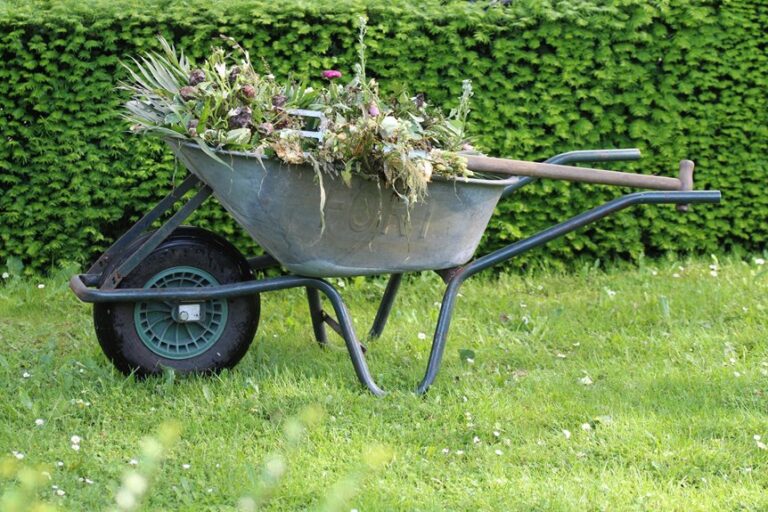
Keeping your garden clean plays a huge role in stopping aphids before they even show up. You’ll want to focus on composting garden waste properly to prevent aphids from finding shelter in decaying material. Pruning infested branches removes aphid colonies promptly, cutting down their spread. Here’s a simple way to envision your garden upkeep:
| Task | Benefit | Frequency |
|---|---|---|
| Composting garden waste | Reduces pest habitat | Weekly |
| Pruning infested branches | Stops aphid growth | As needed |
| Clearing debris | Removes breeding sites | Every few days |
Regularly clearing fallen leaves and debris also eliminates hiding spots for pests.