


When you care for plants, observation is key. Watching your plants closely helps you understand their needs. This attention directly impacts your watering schedules. For example, checking soil moisture and plant appearance can guide your decisions. Here’s a quick look at how regular observation can boost your success:
Factor | Description |
|---|---|
Soil Moisture Level | Monitoring moisture content using methods like finger tests, visual cues, or moisture meters. |
Plant Appearance and Behavior | Observing signs like wilting, leaf color changes, and growth rate to assess watering needs. |
Environmental Conditions | Considering temperature, humidity, wind, and sunlight exposure to adjust watering frequency. |
By tuning into these details, you can keep your plants healthy and thriving.
Key Takeaways
Regularly check soil moisture to determine when to water. Aim for moisture levels between 20% and 60% for optimal plant health.
Observe your plants closely for signs of stress. Yellowing leaves may indicate overwatering, while drooping leaves suggest underwatering.
Implement deep watering techniques to encourage strong root growth. Water deeply and less frequently to help plants access moisture from deeper soil layers.
Adjust your watering schedule with the seasons. Monitor temperature and humidity changes to meet your plants’ varying needs throughout the year.
Use tools like soil moisture meters and mobile apps to simplify monitoring. Keeping a record of observations can improve your watering accuracy over time.
Observation Indicators
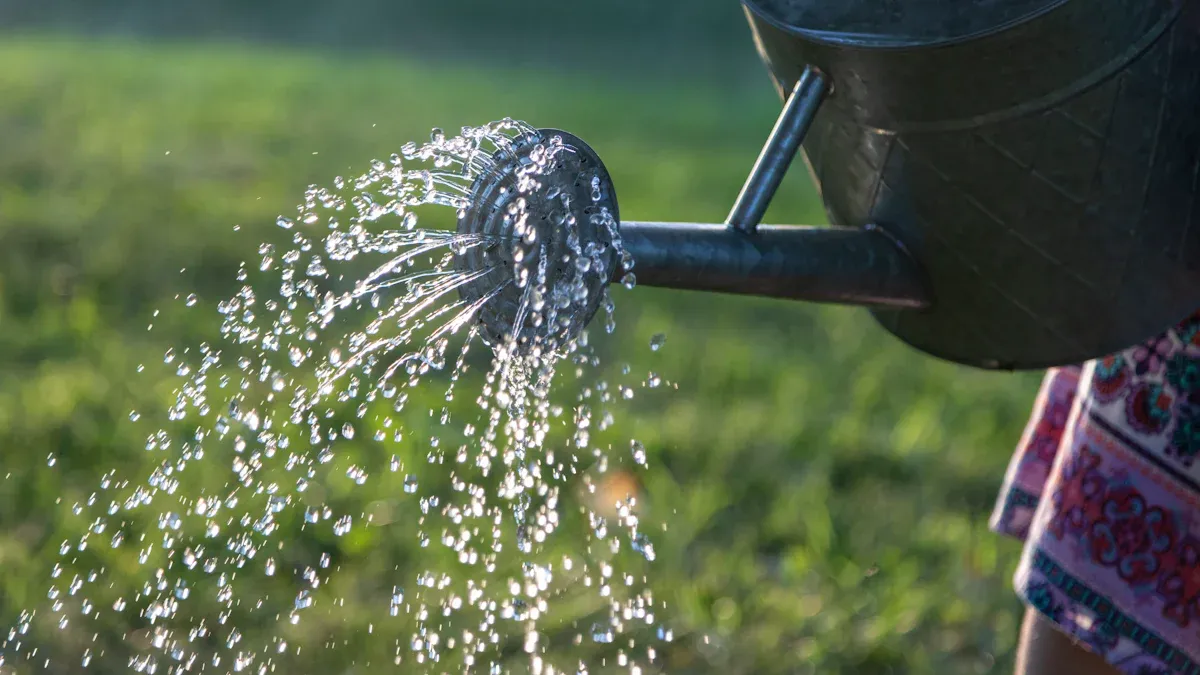
Soil Moisture
Observing soil moisture is crucial for your plants’ health. You can use several methods to check how wet or dry the soil is. Here are some reliable techniques you can try:
Method | Description | Cost |
|---|---|---|
Direct soil inspection | Feel the soil and look at its appearance to estimate water content. | Free |
Hand push probe | Insert a probe to check how deep moisture reaches; it gives a simple “wet or dry” answer. | $30-$70 |
Gravimetric weight method | Weigh the soil before and after watering to measure water content accurately. | Minimal (labor only) |
Understanding soil moisture helps you determine when to water. For most plants, keeping soil moisture between 20% and 60% is ideal. If the soil is too dry, plants can suffer from stress, leading to reduced growth. On the other hand, overly wet soil can cause root rot, which is detrimental to plant health.
Plant Health
Your plants communicate their needs through their appearance. By observing changes in leaf color, texture, and overall growth, you can adjust your watering schedules effectively. Here are some signs to watch for:
Overwatered Plants:
Leaves turn uniformly yellow, often starting at the lower foliage.
Stems near the base may soften or collapse.
Soil feels constantly wet, sometimes with a sour smell.
Underwatered Plants:
Leaves dramatically droop but perk up quickly after watering.
Browning begins at the tips and edges, spreading inward.
Soil feels dry and pulls away from the sides of the pot.
Changes in leaf color or texture can signal the need for adjustments in your watering routine. For instance, wilting leaves indicate a lack of water pressure, while yellowing leaves often reflect watering mistakes or nutrient deficiencies.
Tip: Keep a close eye on your plants and record any changes. This practice helps you customize your watering practices and ensures your plants thrive.
Monitoring environmental factors like climate and soil type is also essential. Different plants have varying water needs based on their surroundings. For example, sandy soils drain quickly, requiring more frequent watering, while clay soils retain moisture longer.
By paying attention to these observation indicators, you can create effective watering schedules that cater to your plants’ specific needs.
Optimizing Watering Schedules
Deep Watering Techniques
Deep watering is a game-changer for your plants. This method encourages roots to grow deeper into the soil, which helps them access more water and nutrients. Here’s why you should consider deep watering:
A deeper root system enhances water capture from deep soil layers.
Sustained root growth occurs even under low water availability, improving drought resilience.
Increased mechanical strength of the soil aids root penetration.
By watering deeply, you train your plants to reach for moisture, which can lead to healthier growth. Here are some effective deep watering techniques you can try:
Water Slowly: Use a soaker hose or drip irrigation to deliver water slowly to the roots. This method allows the soil to absorb moisture without runoff.
Water Deeply: Aim for about 12 to 18 inches of soil depth when watering. This ensures that the entire root system gets the moisture it needs.
Frequency: Instead of watering frequently, water less often but more deeply. This encourages roots to grow downwards, making your plants more resilient.
Tip: Monitor your plants after implementing deep watering. Look for signs of improved health, such as vibrant leaves and robust growth.
Seasonal Adjustments
As the seasons change, so do your plants’ watering needs. Adjusting your watering schedule based on the season can significantly impact plant health. Here’s a quick guide to help you navigate seasonal changes:
Season | Watering Frequency | Notes |
|---|---|---|
Winter | Every 10–14 days (ferns), 3–4 weeks (cacti) | Plants enter dormancy; require less water to avoid root rot. |
Spring | Weekly (moisture-loving), bi-weekly (low-maintenance) | Increased light levels lead to more growth; fertilization recommended once a month. |
Summer | Increased frequency as needed | High light and warmth accelerate growth; monitor for signs of dehydration. |
Fall | Similar to spring | Light levels decrease; prepare for winter dormancy, stop fertilization after September. |
Temperature and humidity fluctuations also play a role in how much water your plants need. For instance, high temperatures with low humidity increase transpiration rates, meaning your plants will need more water. Conversely, cooler, humid conditions may require less frequent watering.
Note: Always observe your plants closely. If they show signs of stress, adjust your watering schedule accordingly.
By implementing these deep watering techniques and seasonal adjustments, you can create effective watering schedules that cater to your plants’ specific needs. This attentive care leads to healthier plants and a more vibrant garden.
Practical Observation Tips
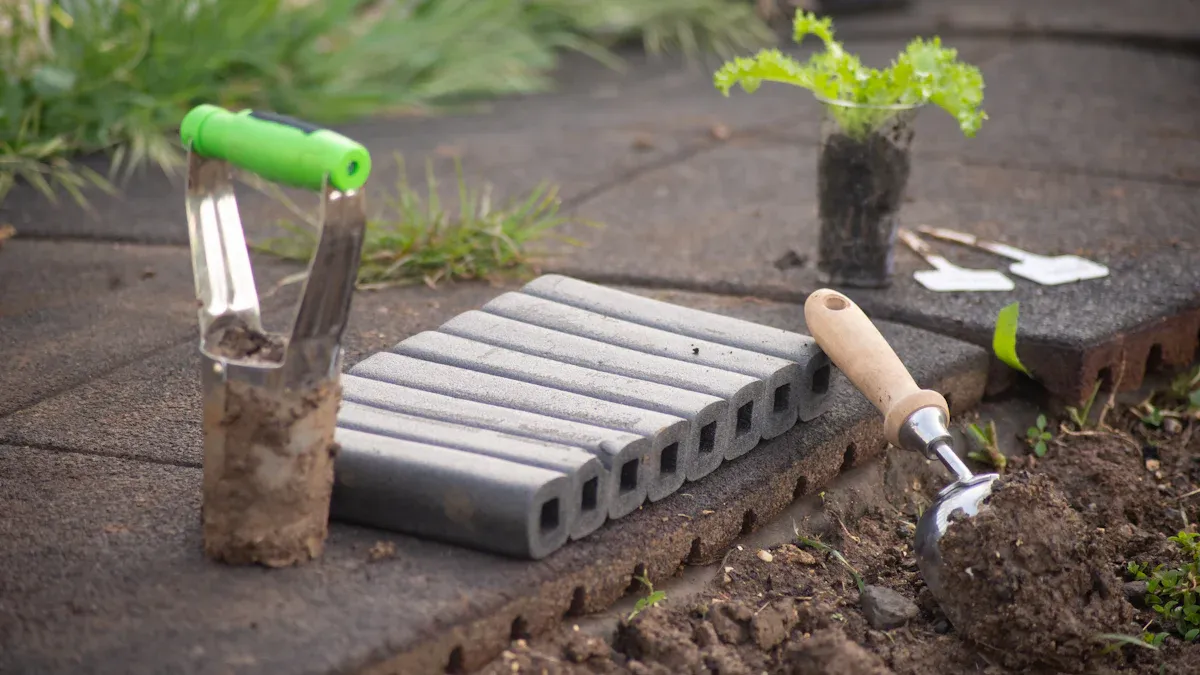
Daily Monitoring
Daily monitoring is essential for keeping your plants healthy and ensuring they receive the right amount of water. Here are some practical tips to help you stay on top of your plant care:
Stick Your Finger in the Soil: Insert your finger a few inches into the soil. If it feels dry, it’s time to water. If you hit dry soil only 1-3 inches deep, your plants likely need hydration.
Observe Plant Behavior: Look for signs of stress, like drooping leaves or browning tips. These can indicate that your plants need more water or that you might be overwatering.
Check After Rain: After heavy rains, inspect the soil to prevent waterlogging. This helps you adjust your watering schedules accordingly.
By keeping an eye on these factors, you can tailor your watering practices to meet your plants’ specific needs.
Using Tools
Utilizing tools can enhance your observation and make monitoring easier. Here are some effective tools to consider:
Soil Moisture Meters: Devices like the ECOWITT Soil Moisture Meter provide quick readings for both indoor and outdoor plants. The XLUX Soil Moisture Meter is another budget-friendly option that’s easy to use.
Digital Sensors: These gather real-time data on soil moisture, temperature, and humidity. They can help you assess plant health more accurately.
Mobile Apps: Many apps offer user-friendly interfaces for tracking plant health. They can send alerts based on sensor readings, keeping you informed about your plants’ conditions.
Using these tools can simplify your monitoring process and help you maintain optimal watering schedules.
Tip: Keep a record of your observations. Tracking watering dates, soil conditions, and visible plant responses can improve your watering accuracy over time.
By implementing these daily monitoring practices and utilizing helpful tools, you can ensure your plants thrive and grow beautifully.
Case Studies in Watering
Success Stories
Real-life examples show how observation can transform your watering practices. Here are a couple of success stories that highlight the benefits of tailored watering schedules:
Indoor Fiddle Leaf Fig (Ficus lyrata): A gardener noticed that frequent watering caused leaf droop and wet soil. By allowing the top 2 inches of soil to dry out before watering, the plant’s leaf health improved significantly. This simple change made a big difference!
Outdoor Tomato Plants in Clay Soil: After observing puddling and surface dryness following rains, a gardener amended the soil for better drainage. This adjustment optimized watering intervals based on soil texture and weather patterns, leading to healthier tomato plants.
These stories illustrate how paying attention to your plants can lead to better outcomes.
Learning from Mistakes
Even experienced gardeners make mistakes. Here are some common pitfalls and lessons learned that can help you avoid similar issues:
Overwatering: Many gardeners water too frequently, leading to waterlogged soil and root injuries. Always check soil moisture before watering. Stick your finger into the top 3 inches of soil to see if it feels dry.
Underwatering: Failing to adjust watering during hot weather can cause wilting and root damage. Monitor your plants closely, especially during heatwaves.
Improper Timing: Watering when the soil is still wet can indicate drainage issues. Feel the soil moisture to ensure it’s time to water.
Inconsistent Watering Schedule: Losing track of when to water can lead to over or underwatering. Keeping a simple log can help you stay on top of your watering routine.
By learning from these mistakes, you can refine your watering strategies. Here are some best practices to consider:
Visit your plants regularly to understand their specific needs.
Touch the soil often to gauge moisture levels.
Watch the weather to adjust your watering schedule accordingly.
These insights can help you create a more effective watering routine, ensuring your plants thrive. Remember, observation is key to successful plant care!
Observation plays a vital role in optimizing your watering schedules. By paying attention to your plants, you can make informed decisions that lead to healthier growth. Here are some tips to help you get started:
Spend time in your garden to observe without distractions.
Zoom out to take in the overall ecosystem of your garden.
Zoom in on individual plants to assess their health and needs.
Take regular walks to notice changes and potential issues.
Document observations in a journal or notebook for future reference.
Implementing these strategies not only benefits your plants but also contributes to sustainable gardening. Home gardens can lower greenhouse gas emissions, promote water conservation, and enhance biodiversity. So, get out there, observe, and watch your garden thrive! 🌱
FAQ
How often should I water my plants?
Watering frequency depends on the plant type, soil, and environment. Generally, check the soil moisture. If it’s dry a few inches down, it’s time to water. Adjust based on seasonal changes and plant needs.
What signs indicate my plant needs water?
Look for drooping leaves, dry soil, or browning leaf tips. These signs often mean your plant is thirsty. Regular observation helps you catch these signs early and adjust your watering schedule.
Can I overwater my plants?
Yes, overwatering can lead to root rot and other issues. Always check soil moisture before watering. If the soil feels wet, wait a few days before checking again.
What tools can help me monitor soil moisture?
You can use soil moisture meters, probes, or even simple finger tests. These tools help you gauge moisture levels accurately, ensuring you water your plants appropriately.
How does the season affect my watering schedule?
Seasons change your plants’ water needs. In winter, they need less water due to dormancy. In summer, increased heat may require more frequent watering. Always adjust based on your observations.