Northern California’s Zone 9 offers a unique gardening challenge with its mild winters and dry summers. Success here means choosing plants that handle heat and drought while keeping soil rich and water use smart. Techniques like mulching and companion planting not only save moisture but also keep pests in check naturally. Grasping these methods helps gardeners create lively, resilient gardens that flourish despite seasonal shifts. The next steps reveal how to put these tips into practice effectively.
Understand Your Zone 9 Climate
Gardening in Northern California’s Zone 9 means getting to know a unique climate that shapes what can grow well in your garden.
This zone enjoys mild winters and hot summers, requiring gardeners to adapt techniques like winter sowing methods to maximize seed starting ahead of schedule in the season.
Grasping the seasonal rainfall patterns also encourages integrating rainwater harvesting systems, which capture and store natural water efficiently.
These systems support plant health during dry spells, reducing reliance on municipal water.
Expertise in this zone involves detecting subtle shifts in temperature and moisture, then adjusting watering and planting schedules accordingly.
Through blending winter sowing with smart water management, gardeners can create thriving, resilient gardens that respect the natural rhythms of Zone 9’s climate.
This knowledge forms the foundation for selecting suitable plants and managing resources wisely.
Choose Drought-Tolerant Plants
Choosing drought-tolerant plants brings many benefits, such as saving water and reducing garden maintenance in Northern California’s dry climate. Popular options for Zone 9 include lavender, succulents, and California poppies, which thrive with less frequent watering. Learning smart watering techniques can further conserve resources while keeping these resilient plants healthy and lively.
Benefits of Drought Resistance
A garden filled with drought-tolerant plants offers more than just beauty during dry spells. Integrating drought resistant landscaping supports water conservation strategies through reducing the need for frequent irrigation. This approach not only conserves water but also lowers utility costs and minimizes environmental impact. Drought-resistant plants adapt well to Northern California’s Zone 9 climate fluctuations, requiring less maintenance and surviving prolonged dry periods with minimal stress. Such landscaping improves soil health through preventing erosion and promoting natural moisture retention. Additionally, it promotes habitat for local wildlife, contributing to ecosystem balance. Embracing drought resistance also provides peace of mind during unpredictable weather, ensuring a resilient garden that thrives with fewer resources. This mindful choice harmonizes sustainable practices with aesthetic appeal, creating a garden that speaks to both beauty and responsibility.
Popular Zone 9 Varieties
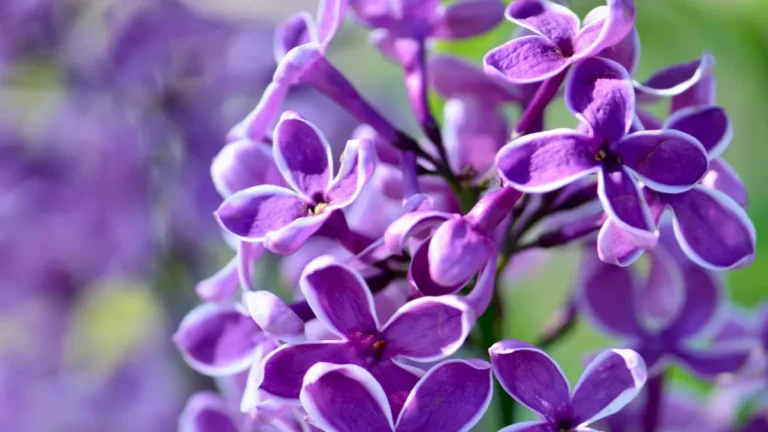
Several popular plants thrive naturally in Northern California’s Zone 9 climate, especially those that handle dry spells with ease. Varieties like California lilac, lavender, and yarrow flourish here, offering colorful blooms while conserving water. These plants support pollinator garden design through drawing bees and butterflies, crucial for a healthy ecosystem. Adding native sages and rosemary further improves drought tolerance and adds aromatic appeal. For gardeners interested in heirloom seed saving, choosing resilient varieties makes certain seeds retain vitality season after season. This focus on hardy, low-water plants allows for a sustainable, beautiful garden without constant moisture demands. Through selecting these drought-tolerant options, gardeners can maintain rich biodiversity and enjoy flourishing landscapes, perfectly suited to Zone 9’s unique conditions. These choices also prepare for interconnected gardening practices discussed later.
Watering Techniques for Savings
Understanding how water moves through soil and plants helps gardeners save more while keeping their garden healthy.
Choosing drought-tolerant plants reduces water needs greatly, making it easier to implement cost effective irrigation methods. These plants thrive with less frequent watering, allowing drip irrigation systems to deliver moisture directly to roots and minimize evaporation.
Integrating greywater systems further conserves water through recycling household wastewater for irrigation, easing demand on fresh water supplies.
Mulching around drought-resistant species retains soil moisture and suppresses weeds, complementing watering strategies.
Careful timing also matters; watering during morning or late evening reduces water loss.
Through combining plant selection with efficient watering techniques, gardeners maintain lively gardens in Zone 9 while honoring environmental concerns and trimming water expenses. This thoughtful approach promotes resilience and satisfaction in sustainable gardening efforts.
Optimize Soil Health and Composition
Optimizing soil health is key to a thriving garden in Zone 9.
Testing the soil helps gardeners understand its nutrient levels and pH balance, which guides better care decisions.
Adding organic matter not only improves soil structure but also supports beneficial microbes, creating a strong foundation for plants to grow.
Soil Testing Essentials
A healthy garden starts with grasping the soil beneath the surface. Soil testing is critical for excelling in urban soil revitalization and ensuring microbial soil enhancers perform well. Testing reveals nutrient levels, pH balance, and soil texture, guiding precise amendments. Gardeners gain confidence by realizing exactly what their soil needs to thrive.
- Identify nutrient deficiencies to avoid guesswork
- Measure pH for ideal plant growth conditions
- Detect contaminants common in urban soils
- Track changes after applying microbial soil enhancers
Regular testing changes soil care from guesswork to science. It enables gardeners to tailor treatments, promoting healthy plants in Northern California’s Zone 9. Grasping these essentials sets the stage for successful soil health improvement and prepares for the next step: boosting soil organic matter.
Organic Matter Benefits
Soil represents more than mere earth; it’s an essential network that flourishes with abundant organic content. This organic content nourishes soil organisms and strengthens structure, water retention, and nutrient availability. As organic matter decomposition happens, microbes decompose plant and animal remains, releasing nutrients plants easily take up. Adding compost improves this process through supplying stable organic materials that aid beneficial microorganisms, increasing soil health. Compost addition advantages also encompass improved soil aeration and moisture-holding capacity, crucial for Zone 9’s changing climate. Over time, robust organic content levels foster a balanced setting where roots extend deeper and withstand stress more effectively. Expert gardeners in Northern California understand that cultivating this active cycle profoundly affects crop hardiness and yields, rendering organic content management a fundamental aspect of sustainable, flourishing gardens.
Ph Level Management
Building healthy soil with rich organic matter sets the stage for managing pH levels effectively. Mastering pH adjustment guarantees plants absorb nutrients and thrive in Zone 9’s diverse climate. Gardener proficiency involves balancing acidifying soil additives and alkaline soil neutralizers to create harmony in the soil. To optimize soil health, consider these essentials:
- Regularly test soil pH to monitor shifts and respond promptly
- Use acidifying soil additives like sulfur to lower pH for acid-loving plants
- Apply alkaline soil neutralizers such as lime to raise pH and reduce soil acidity
- Incorporate organic matter consistently to buffer pH swings and improve texture
This thoughtful approach equips gardeners to foster dynamic growth, revealing a garden’s full potential through precise pH level management.
Implement Efficient Watering Techniques
Perfecting efficient watering techniques can improve a garden’s health and conserve precious resources in Northern California’s Zone 9 climate. Employing micro irrigation efficiency allows water to reach roots directly, minimizing waste and promoting deeper soil penetration. Combining this with rainwater harvesting provides a sustainable water source, reducing dependency on municipal supplies. Timing watering sessions to mornings or late evenings further reduces evaporation, preserving moisture. Regularly checking irrigation systems prevents leaks and uneven distribution, ensuring every drop counts. Below is a simple comparison of key watering methods:
| Watering Technique | Benefits |
|---|---|
| Micro irrigation | Precise, reduces runoff |
| Rainwater harvesting | Sustainable, cost-effective |
| Timed watering | Minimizes evaporation |
Integrating these strategies supports resilience in Zone 9 gardens, allowing plants to thrive even during drier periods.
Utilize Mulching to Retain Moisture
Mulching plays a key role in keeping soil moist and healthy, especially in Zone 9’s warm climate.
Gardeners often choose from organic options like wood chips, straw, or shredded leaves, each offering unique benefits.
Applying mulch correctly can protect plants from drying out while also reducing weeds and improving soil quality.
Types of Effective Mulch
Choosing the right type of mulch plays a key role in keeping garden soil moist and healthy in Northern California’s Zone 9 climate. Using pine straw offers excellent moisture retention while slowly releasing nutrients back into the soil, helping with retaining soil nutrients. Wood chips provide a natural barrier against evaporation and add organic matter as they decompose. Straw mulch is lightweight and breathable, allowing water to penetrate easily yet protecting soil from drying out. Compost mulch improves the soil, promoting microbial activity that supports plant health. Each type has unique benefits customized to specific garden needs, enhancing moisture retention and soil health. Selecting the proper mulch strengthens the garden’s resilience to drought and heat through maintaining steady moisture levels and improving soil structure. This foundation supports healthy plant growth throughout the season.
Mulching Best Practices
In working within Northern California’s Zone 9 climate, using mulch effectively can make a big difference in keeping garden soil moist and healthy. Choosing sustainable mulching materials like shredded leaves or straw helps retain moisture while improving the soil naturally. Applying mulch in a consistent layer, about two to three inches deep, prevents evaporation and keeps roots cool during hot days. Innovative mulching designs, such as creating mulch rings around plants or layering organic and inorganic mulches, optimize water retention and soil protection. Regularly checking mulch for compaction or mold guarantees it continues to function well. Through combining these strategies, gardeners can maintain soil moisture efficiently, reduce watering needs, and promote thriving plant growth in Zone 9’s unique environment. This thoughtful approach balances sustainability with practical moisture control.
Plan for Seasonal Planting Cycles
Gardeners in Northern California often find that grasping the rhythm of the seasons helps create a thriving garden throughout the year. Planning for seasonal planting cycles means knowing when to introduce heat tolerant vegetables in warmer months and rotating winter crops to maintain soil health. Understanding these cycles encourages a garden that continually flourishes and adapts.
Key strategies to master include:
- Scheduling heat tolerant vegetables like peppers and eggplants in spring and summer
- Implementing winter crop rotation with leafy greens and root vegetables
- Timing planting to avoid frost damage and maximize sunlight
- Monitoring soil moisture to adjust watering through seasons
This thoughtful approach ensures steady growth, reduces pest issues, and promotes vibrant harvests, keeping the garden lively and resilient across all seasons. The next step naturally involves choosing plants that complement these cycles.
Incorporate Native and Mediterranean Plants
Following a careful plan for seasonal planting cycles, the next step is to evaluate the types of plants that will thrive in Northern California’s climate. Using native and Mediterranean plants aids coastal dune restoration and takes advantage of chaparral fire adaptation traits. These plants are naturally resilient, drought-tolerant, and suited for Zone 9’s unique conditions. Selecting species adapted to local fire regimes helps maintain garden health while minimizing maintenance.
| Plant Type | Key Benefits |
|---|---|
| Manzanita | Fire-adapted, evergreen foliage |
| California Lilac | Supports pollinators, drought-tolerant |
| Lavender | Mediterranean, fragrant, hardy |
| Toyon | Fire-resilient, attracts wildlife |
Combining these selections fosters a sustainable, lively garden that harmonizes with Northern California’s environment.
Protect Plants From Summer Heat
Often, the intense summer heat in Northern California can stress even the hardiest plants, causing leaves to wilt and growth to slow down. Recognizing heat stress indicators such as curled leaves, browning edges, and drooping stems is crucial for timely intervention. Implementing cooling shade structures like pergolas, shade cloths, or strategically placed mesh can significantly reduce direct sun exposure. Mulching around the base of plants conserves soil moisture and cools roots effectively. Additionally, watering early in the morning or late in the evening helps avoid evaporation loss. Gardeners should also consider relocating potted plants to shaded spots during peak heat. These thoughtful steps not only protect plants but also enhance their resilience, ensuring a thriving garden despite the challenging summer temperatures.
Use Companion Planting for Pest Control
Drawing on natural relationships between plants, companion planting offers an effective way to keep pests at bay without relying on harsh chemicals. Certain plants release natural pest repellents that discourage harmful insects while attracting beneficial insect attraction, such as ladybugs and parasitic wasps, which prey on garden pests. For example, planting marigolds near tomatoes helps repel nematodes, while basil nearby can deter aphids. Interspersing herbs like rosemary and thyme creates a fragrant barrier that confuses pests. Additionally, flowers such as calendula and nasturtium attract pollinators and predatory insects, boosting overall plant health. Through carefully selecting compatible species, gardeners in Zone 9 utilize these ecological interactions to maintain balance and protect crops naturally. This method blends seamlessly with other cultural practices, supporting resilient growth without chemical dependence.
Prune Strategically for Growth and Health
Healthy plants need more than pest control to thrive in a garden. Pruning strategically promotes strong growth and improves overall health. Timing considerations are essential; pruning too soon or late can stress plants or reduce blooms. Skilled gardeners focus on removing dead or crowded branches to improve air circulation and light penetration. Aesthetic shaping balances beauty with function, guiding plants to grow strong and appealing.
Key pruning practices include:
- Cutting at the right growth stage to increase vitality
- Using clean, sharp tools to prevent damage
- Targeting weak or diseased limbs for removal
- Shaping plants gently to preserve natural form
Prepare for Mild Winters With Frost Protection
Facing mild winters in Northern California means gardeners need to be ready for sudden drops in temperature that can catch plants off guard. Employing frost blanket usage helps shield delicate foliage from unexpected frost, preserving growth while maintaining airflow. Cold frame construction offers an added layer of protection by creating a warm microclimate, extending the growing season without overheating. Both methods require timely application and strategic placement to maximize benefits.
| Challenge | Solution |
|---|---|
| Sudden frost | Frost blankets |
| Temperature swings | Cold frames |
| Protecting seedlings | Use lightweight covers |
| Extending growth time | Warm microclimates |
Mastering these frost protection techniques guarantees plants thrive despite mild winters, turning unpredictability into confidence.
Maintain Garden Tools and Equipment Regularly
Protecting plants from frost and temperature swings is only part of successful gardening in Northern California.
Equally vital is maintaining garden tools and equipment regularly to guarantee peak performance.
Proper sharpening of blades keeps cutting tools efficient, making pruning and harvesting smoother and less tiring.
Equally essential is thoughtful storage, which prevents rust and damage, extending the life of tools.
Gardeners who care for their tools experience less frustration and more rewarding results.
Key practices include:
- Sharpen blades frequently for clean cuts
- Clean tools after each use to avoid residue build-up
- Store equipment in a dry, organized space to prevent rust
- Oil moving parts regularly to maintain smooth operation
This routine care turns tools into reliable allies throughout the gardening season.