

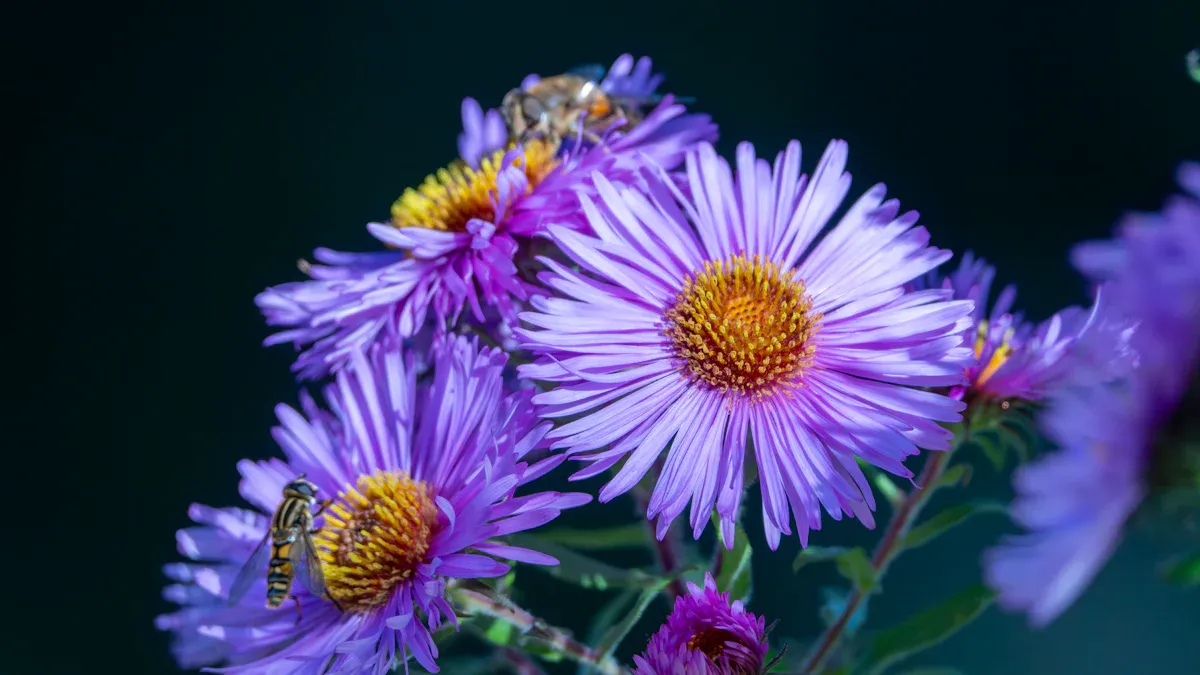
Understanding the pests that affect your new england aster is crucial for maintaining plant health. Pests can lead to significant damage, reducing the beauty and vitality of your garden. By recognizing the signs of infestation early, you can take action before the problem escalates. Proactive care, including regular inspections and preventive measures, plays a vital role in keeping your plants healthy and thriving.
Key Takeaways
Regularly inspect your New England Aster for signs of pests like aphids, spider mites, and Japanese beetles. Early detection helps prevent severe damage.
Maintain consistent soil moisture and well-drained conditions. Water your Asters regularly, especially during dry spells, to keep them healthy.
Use natural pest control methods first, such as handpicking pests and applying diatomaceous earth. This protects beneficial insects and promotes plant health.
Prune your Asters in early spring and after blooming to encourage bushier growth and reduce pest risk. Proper pruning enhances overall plant vitality.
Implement cultural controls like crop rotation and selecting resistant varieties to minimize pest pressure and ensure a thriving garden.
Pests of New England Aster
Aphids
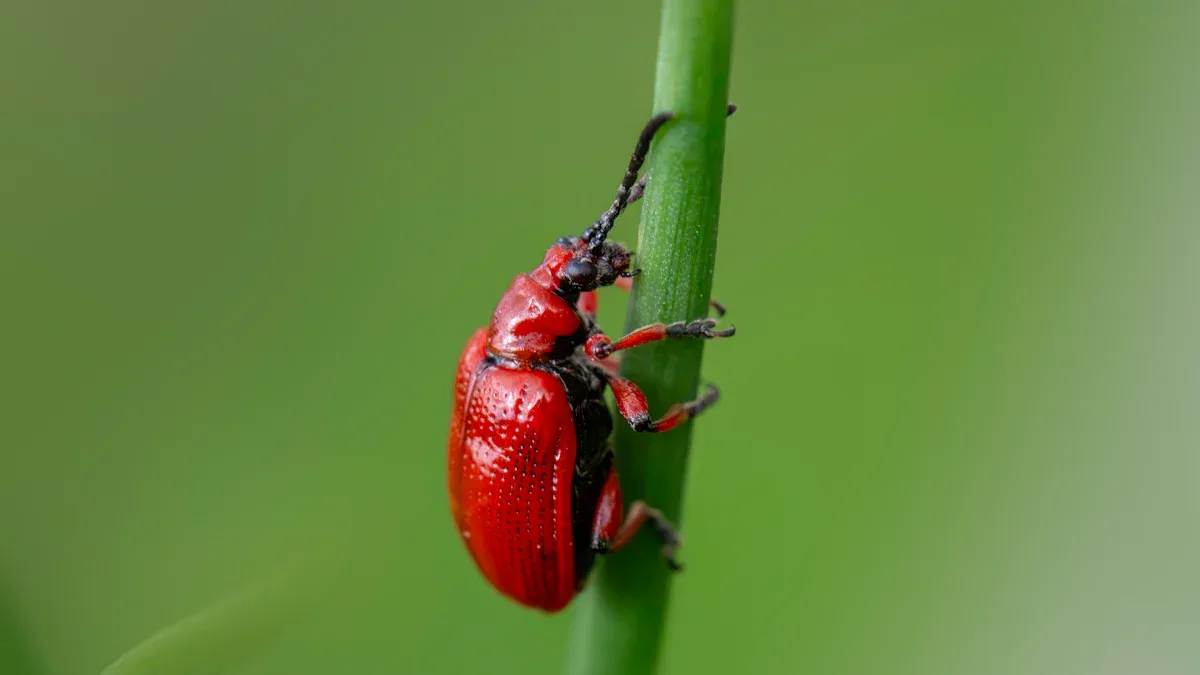
Aphids are small, soft-bodied insects that can cause significant damage to your New England Aster. They feed on plant sap, which weakens the plant and can lead to stunted growth. You can identify an aphid infestation by several signs:
Leaves may appear wilting or bubbling due to sap consumption.
You might notice yellow or dying leaves, especially on new growth.
Twisted and curled leaves often indicate aphid activity.
A sticky substance, known as honeydew, may coat the leaves and stems.
If you see these symptoms, act quickly to manage the infestation.
Spider Mites
Spider mites are tiny arachnids that thrive in hot, dry conditions. They can severely impact the growth rate of your New England Aster. Signs of spider mite infestations include:
Stippling, which appears as small yellow or whitish spots on the foliage.
Yellowing or browning of leaves, especially in areas where mites feed.
Unsightly webbing on the foliage, which can be a clear indicator of their presence.
These pests can reduce your plant’s growth rate due to feeding damage and drought stress. If drought conditions persist, the impact of spider mites worsens, making it crucial to monitor your plants regularly.
Japanese Beetles
Japanese beetles are notorious for their destructive feeding habits. They can cause significant damage to your New England Aster flowers and leaves. Look for these signs:
You may notice lacy patterns or skeletonized parts on leaf surfaces.
Adults feed on softer tissues between larger leaf veins, leading to ragged edges.
Their feeding can create a patchy appearance on your plants, so keep an eye out for these symptoms to prevent further damage.
Leafhoppers
Leafhoppers, particularly the aster leafhopper, pose a serious threat to your New England Aster. They are known vectors of aster yellows disease, which can devastate your plants. Signs of leafhopper infestation include:
Symptom | Description |
|---|---|
White-flecked injury | Caused by adults and nymphs feeding with piercing-sucking mouthparts. |
Scorching (browning) | Occurs at the feeding sites with heavy feeding. |
Stunted or disfigured growth | Common symptom associated with aster yellows disease spread by leafhoppers. |
Discolored leaves | A visible indicator of stress due to infestation. |
If you notice these symptoms, it is essential to take action quickly. Leafhoppers can transmit diseases that may manifest in infected plants after just a few days.
Signs of Aster Infestation
Visual Indicators
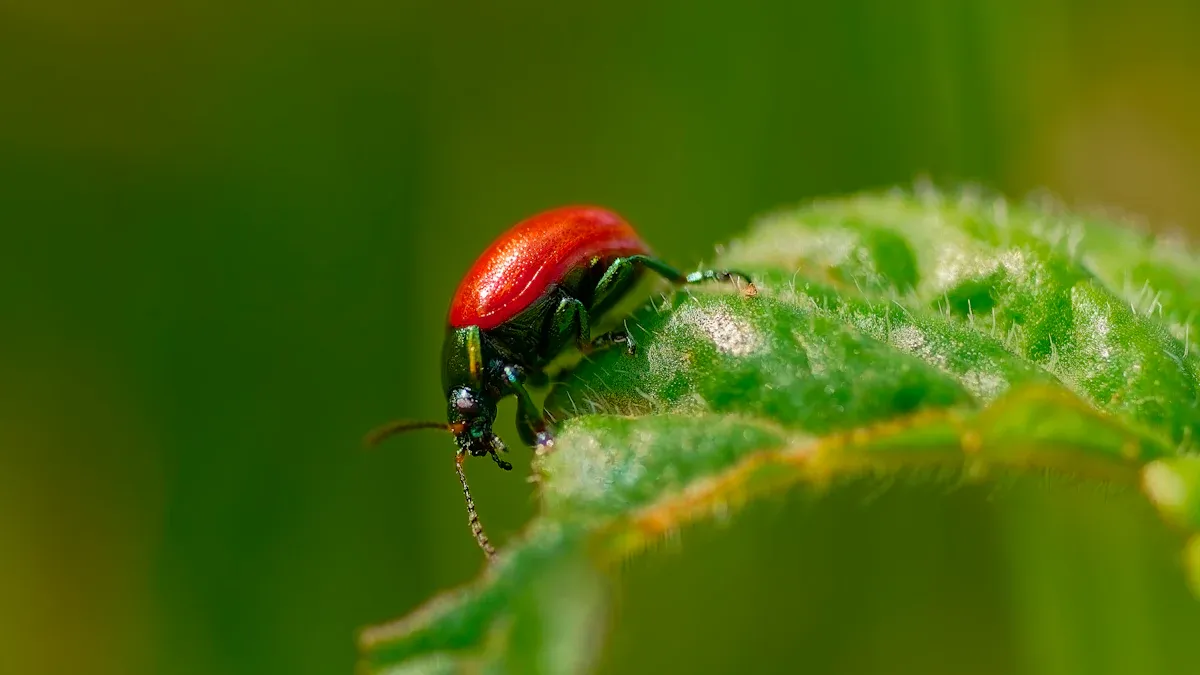
When you inspect your New England Aster, look for these visual signs of pest presence:
Spider Mites: You may notice fine webbing on the leaves, especially in dry conditions.
Aphids: Small green insects often cluster on stems and leaves. Their presence can be alarming.
Mealybugs: Look for white, cotton-like masses on the plant. These pests can be quite damaging.
Identifying these signs early can help you take action before the infestation worsens.
Health Symptoms
Pest infestations can significantly affect the overall health of your New England Aster. Watch for these symptoms:
Yellowing Leaves: This can indicate stress from pest feeding.
Webbing on the Plant: This often signals spider mite activity.
Sticky Residue: If you notice a sticky substance on the leaves, it may be honeydew left by aphids.
These symptoms can lead to weakened plants and reduced growth.
Be cautious, as misidentifying symptoms can lead to further issues. For example, some gardeners confuse damage from spider mites and leafhoppers with that caused by lace bugs. Understanding the specific signs of each pest can help you manage your plants effectively.
By staying vigilant and recognizing these visual indicators and health symptoms, you can protect your New England Aster from pest damage and ensure its vitality.
Care Tips for Asters
Watering and Soil
To keep your New England Aster healthy, focus on proper watering and soil conditions. This perennial thrives in well-drained soil with consistent moisture. Here are some essential tips:
Water your New England Asters regularly, especially during dry spells. This helps maintain consistent soil moisture.
Ensure the soil drains well to prevent waterlogging, which can harm the roots.
Apply a 2-3 inch layer of organic mulch around the plants. This helps retain moisture and regulates soil temperature.
New England Asters prefer full sun conditions. They can tolerate clay and average garden soils but thrive best in moist, well-draining soil. Once established, they can handle short periods of dryness.
Pest Management
Effective pest management is crucial for the health of your New England Aster. Here are some strategies to consider:
Handpick pests like aphids and Japanese beetles when you see them. This simple action can significantly reduce their numbers.
Use beneficial nematodes to target soil-dwelling pests. These microscopic organisms help control harmful insects without harming your plants.
Apply diatomaceous earth around your plants. This natural powder acts as a deterrent against soft-bodied insects.
Regularly monitor your plants for unusual signs or behaviors. Early detection can prevent severe infestations.
Maintain healthy soil and provide adequate nutrients to your Asters. Strong plants are less susceptible to pest damage.
Implement cultural controls, such as crop rotation and selecting resistant varieties. These practices can help reduce pest pressure.
Use mechanical controls like physical barriers and traps to protect your plants.
Rely on biological controls by encouraging natural predators, such as ladybugs and lacewings, which feed on pests.
Consider chemical controls only as a last resort. Integrated Pest Management (IPM) practices can help manage pests without harming beneficial insects.
Pruning Techniques
Pruning your New England Aster is essential for maintaining its health and minimizing pest risk. Here are some recommended techniques:
Prune older plants twice: once near Memorial Day and again around July 4th. This encourages bushier growth and helps manage height.
Remove spent flowering stems after blooming. This prevents self-seeding and encourages reblooming.
In early spring, prune back stems by one-third to one-half before new growth begins. This rejuvenates the plant for the growing season.
Pinch back stems every few weeks in early summer to promote bushier growth. Stop pinching by August to avoid removing flower buds.
After flowering in the fall, cut back to the ground or leave foliage intact to protect overwintering insects.
Thin or divide plants in summer to improve airflow and reduce the risk of powdery mildew.
By following these care tips, you can ensure that your New England Aster remains healthy and vibrant, free from pest infestations.
Identifying pests and applying care tips are essential for keeping your Aster Novae-Angliae healthy. Regular inspections help you catch infestations early. Implementing proper watering, soil management, and pest control strategies strengthens your plants.
Take action! Protect your Asters by staying vigilant and using the tips provided. A little effort goes a long way in ensuring vibrant blooms and a thriving garden. 🌼
FAQ
What is the best time to prune New England Asters?
Prune your New England Asters in early spring before new growth begins. This encourages healthy growth and helps maintain their shape.
How often should I water my New England Asters?
Water your New England Asters regularly, especially during dry spells. Aim for consistent moisture without waterlogging the soil.
What are the signs of a healthy New England Aster?
Healthy New England Asters have vibrant green leaves, strong stems, and abundant blooms. They should show no signs of wilting or discoloration.
Can I use chemical pesticides on my Asters?
Use chemical pesticides as a last resort. Focus on natural pest management methods first to protect beneficial insects and maintain plant health.
How can I prevent pest infestations in my Asters?
Prevent pest infestations by maintaining healthy soil, watering properly, and regularly inspecting your plants. Encourage natural predators to help control pests.