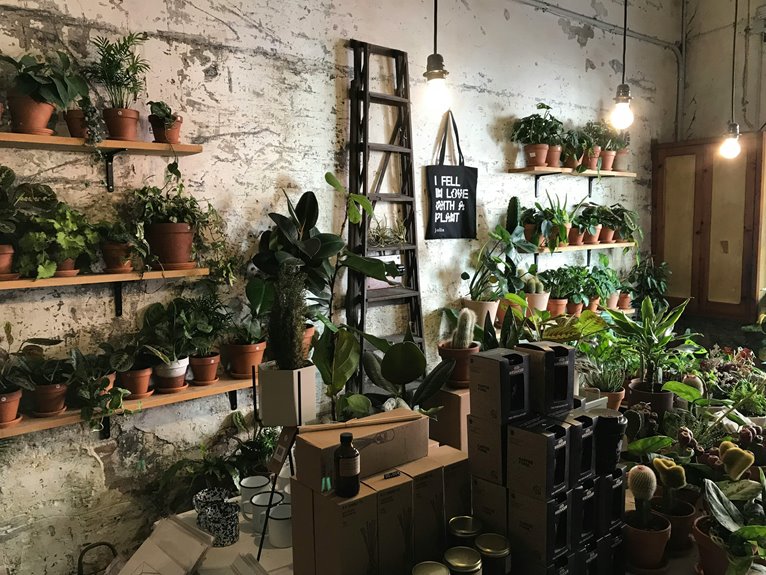
I often see money plants in homes and offices. They are popular houseplants, frequently linked with good fortune and prosperity. This broad appeal is clear, as 66% of U.S. households own at least one houseplant. Many people associate them with good fortune, believing they bring luck. However, the term “money plant” causes confusion; several distinct plants share this auspicious name. My goal is to clarify what this lucky houseplant is, explore its types (focusing on the common houseplant variety), and provide comprehensive care and growth instructions.
Money Plant Terminology
I know the term “money plant” can be confusing. It is a common name for several distinct species. I find it crucial to differentiate between them early on.
The Classic Money Plant (Pothos)
When I talk about the classic money plant, I usually refer to Epipremnum aureum, commonly known as Pothos. This is the plant I see most often in homes and offices. It features heart-shaped, often variegated leaves. I recognize it for its trailing vines and its ease of care.
Distinguishing the Money Tree Plant (Pachira Aquatica)
I also encounter the money tree plant, Pachira aquatica. This is a different plant entirely. The money tree plant is famous for its braided trunk. I often see this money tree plant in a small, potted form. Many people believe the money tree brings good fortune and positive energy. I find the money tree plant’s unique trunk quite appealing.
This money tree is a popular choice for gifts. I understand why people love the money tree. The money tree symbolizes prosperity. I think the money tree adds a touch of elegance to any space. The money tree is a tropical wetland tree. I enjoy caring for my money tree.
The Chinese Money Plant (Pilea Peperomioides)
Another plant I know as a “money plant” is Pilea peperomioides, or the Chinese Money Plant. This plant has a very distinctive look. I recognize its nearly perfectly round leaves. These leaves attach to long petioles, giving it a unique, almost “UFO-like” appearance. The Chinese Money Plant is also known for its rapid growth.
I find it produces numerous “babies” that are easy to share. I can leave these “babies” in the same pot for a fuller plant. I also easily separate and repot them for propagation.
Other Plants Called Money Plant [e.g., Lunaria]
I have also heard other plants called “money plant.” For example, Lunaria annua, or the Honesty plant, is sometimes called a money plant. I know this plant for its distinctive, silvery, coin-like seed pods. These pods resemble old coins. I think this is why people associate it with money.
Popular Money Plant Varieties (Pothos)
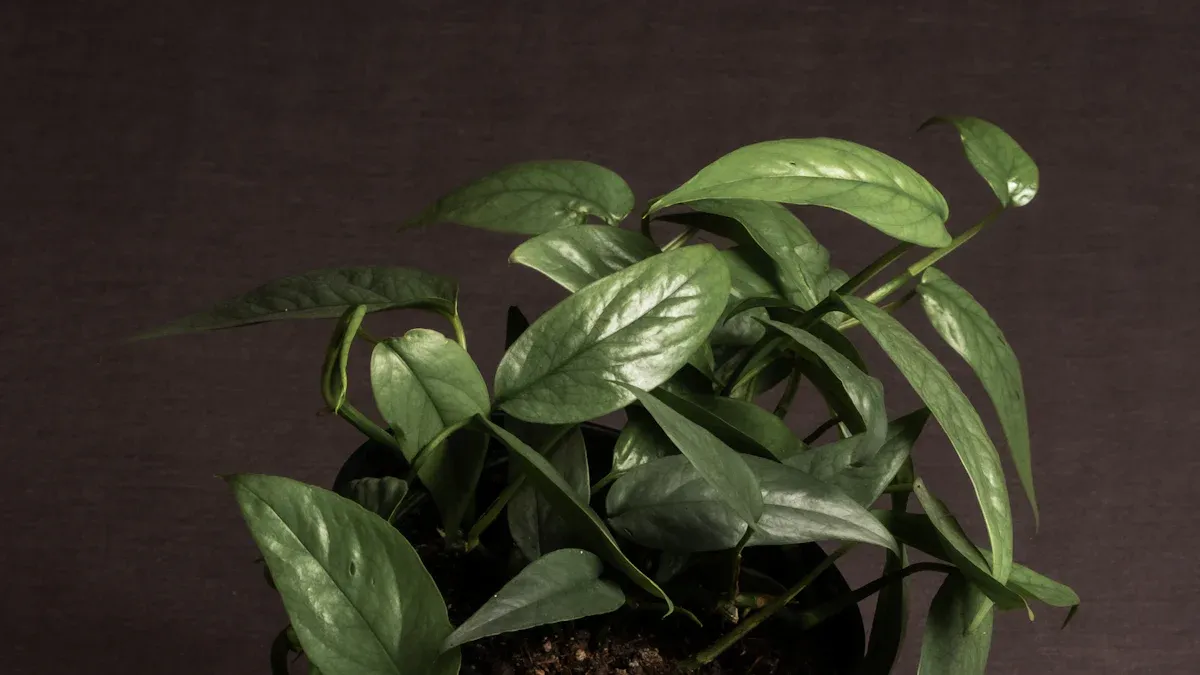
I find many different types of Pothos plants. These are the varieties people most often call “money plant.” I enjoy learning about their unique features.
Golden Pothos
I often see the Golden Pothos. It is a very common variety. Its heart-shaped leaves have green and yellow variegation. I know bright, indirect light is best for this plant. This light helps its colors stay vibrant. I place my Golden Pothos a few feet from a window. I avoid direct sunlight because it can burn the leaves. If the light is too low, the plant might grow slowly. Its leaves can also lose their yellow color.
Marble Queen Pothos
I admire the Marble Queen Pothos. Its leaves are green with creamy white streaks. I notice the variegation looks like marble. This plant needs bright indirect light to keep its white patterns. If it does not get enough light, the white parts might turn green. I ensure my Marble Queen gets plenty of indirect light.
Neon Pothos
I love the bright color of the Neon Pothos. Its leaves are a vibrant, almost glowing, yellow-green. I know bright, indirect light helps maintain this intense color. If the light is too dim, the leaves can fade. They might even turn a darker green. I make sure my Neon Pothos gets consistent light to stay bright.
Jade Pothos
I recognize the Jade Pothos by its solid green leaves. It does not have any variegation. I find it very resilient. This plant thrives in bright, indirect light. I avoid direct sunlight for my Jade Pothos. Too much sun can cause brown spots on its leaves. North-facing windows work well for this variety.
N’Joy Pothos
I think the N’Joy Pothos is quite striking. It has crisp, distinct patches of green and white. I know bright, indirect light is crucial for this plant. This light helps enhance the shades of cream and green in its variegation. I give my N’Joy Pothos maximum safe sunlight. This helps its colors pop.
Manjula Pothos
I find the Manjula Pothos unique. Its leaves are large and heart-shaped. They have wavy edges. I see a mix of dark green, light green, and white streaks on its leaves. This creates a beautiful marbled effect. I also notice it grows at a moderate pace. It tends to grow in a mounding pattern. This makes it look fuller.
Satin Pothos [Scindapsus Pictus]
I also care for the Satin Pothos, or Scindapsus Pictus. Its leaves are velvety. They have silver spots. I know this plant thrives in bright, indirect sunlight. It can tolerate lower light levels. However, I find it grows better and trails more in brighter conditions. My Satin Pothos always grows towards the light source.
Essential Care for Your Money Plant
I find caring for my Pothos, often called a money plant, very rewarding. These care tips are primarily for the Pothos (Epipremnum aureum). However, I believe you can broadly adapt them for other similar houseplants. Understanding these money tree basics helps me keep all my plants healthy.
Light Needs
I know light is crucial for my money plant. It thrives in bright, indirect light. Direct sunlight can scorch its leaves. I place my plants near a window that gets plenty of light but no direct sun. I have learned that different light intensities affect plant growth.
Light Category | Foot-Candles (FC) | Pothos Presence |
|---|---|---|
Low Light | 100-200 | Yes |
Medium Light | 200-400 | Yes |
High Light | 400-800 | Yes |
Foot-candle (fc) or lux (lx) measurements show light intensity. They measure how much light falls on a surface. However, these units are not perfect for plants. Different organisms see different light wavelengths (colors) in unique ways. I always observe my plant’s reaction to light.
Watering Best Practices
I find watering correctly is key to avoiding money tree problems. Overwatering is a common mistake. I always check the soil before I water.
Signs of Overwatering:
Leaves turn yellow. They often feel soft and look translucent.
The soil feels soggy or waterlogged.
Water might pool on the soil’s surface.
The soil can have an unpleasant, musty smell.
Overwatering often leads to root rot.
Signs of Underwatering:
Leaves become droopy and dry.
The soil is extremely dry. It might pull away from the pot’s sides.
The soil surface can crack or feel very dry.
Several factors influence how often I water my plants:
Soil type
Lighting conditions
Pot drainage
Temperature and humidity
I generally water my plants 1 to 2 times per week during their active growing season (spring and summer). I reduce watering to every two weeks in winter when they are dormant.
Soil & Potting
I know the right soil mix helps my money plant thrive. Pothos prefers slightly acidic soil. Its roots can easily get nutrients in this type of soil. Ideal conditions for Pothos include slightly acidic (6.0-6.5 pH), well-aerated, and well-draining soil.
To improve soil aeration, I sometimes add sphagnum moss. This dried bog moss helps with both aeration and water retention. Many potting soils already contain perlite. Perlite is a natural mineral. It prevents soil compaction and improves drainage.
Pothos grows best in soil with a pH between 6.0 and 7.0. In this range, roots easily absorb nutrients. This keeps the leaves green and healthy. My DIY mix for strong roots and lush vines includes:
Perlite: It improves drainage and keeps the mix light.
Orchid bark: It adds chunkiness. This allows roots to breathe and prevents compaction.
Coconut coir: It holds gentle moisture without making the soil soggy.
Fertilizing Your Money Plant
I fertilize my money plant to support its growth. A balanced fertilizer works best. I use a formula like 10-30-20. This emphasizes phosphorus and potassium. It is especially good if I want more vigorous growth.
Recommended NPK Ratio: A balanced formula like 10-30-20. It emphasizes phosphorus and potassium.
Fertilization Frequency (Active Growth – Spring/Summer): I feed my plants monthly. I use a half-strength, water-soluble fertilizer.
Fertilization Frequency (Dormant Season): I reduce how often I fertilize during the dormant season.
Humidity & Temperature
I keep my money plant in a comfortable environment. This prevents stress and promotes strong growth. These money tree basics are important for overall plant health.
Temperature: I aim for a consistent temperature between 60-85°F (15-29°C). Temperatures below 50°F (10°C) can stress the plant. This can cause brown or black leaves. The plant might look mushy. Temperatures above 95°F (35°C) can cause yellowing, wilting, or sunburned leaves. I avoid drafts, heating/cooling vents, and sudden temperature changes. This prevents stress.
Humidity: Pothos plants are adaptable. They tolerate many humidity levels. For indoor settings, 40-60% humidity is usually enough. I use a room humidifier to increase humidity. I also mist the leaves. Sometimes, I place plants on a pebble tray. I make sure the pot does not sit in water. Placing them in humid rooms like bathrooms or kitchens also helps.
Pruning for Health & Shape
I prune my money plant regularly. This encourages bushier growth and keeps it healthy. Pruning is a simple way to manage its shape.
Pruning Technique: I always make cuts just below a leaf node. New growth will emerge from that point. This prevents the stems from becoming bare.
Encouraging Bushier Growth: Regular pruning is essential for a fuller, bushier look. Without it, stems will trail. They become thinner and have sparse leaves. This creates a leggy appearance.
Promoting Branching: Proper pruning makes the plant branch more. This creates a denser plant. I trim stems that grow outward and downward. This encourages new leaf growth at the top. It creates a fuller crown.
Propagation: I use cuttings from pruning to grow new Pothos plants.
Common Issues & Solutions
I sometimes encounter money tree problems. Knowing how to fix them helps me keep my plants healthy.
Yellow Leaves: This often means overwatering. I check the soil moisture. I let the top inch of soil dry out before watering again. It can also mean too little light or a nutrient deficiency.
Brown Leaf Tips: This usually indicates low humidity or underwatering. I increase humidity by misting or using a pebble tray. I also check my watering schedule.
Leggy Growth: My plant stretches for light. This means it needs more light. I move it to a brighter spot. Pruning also helps encourage bushier growth.
Pests: I occasionally find common houseplant pests like spider mites or mealybugs. I wipe them off with a damp cloth. I use insecticidal soap for more persistent infestations. I inspect my plants regularly to catch issues early.
Growing & Propagating Money Plants
I find growing and propagating money plants, especially Pothos, a very rewarding experience. It is easy to create new plants from existing ones. This allows me to expand my collection or share with friends.
Water Propagation Method
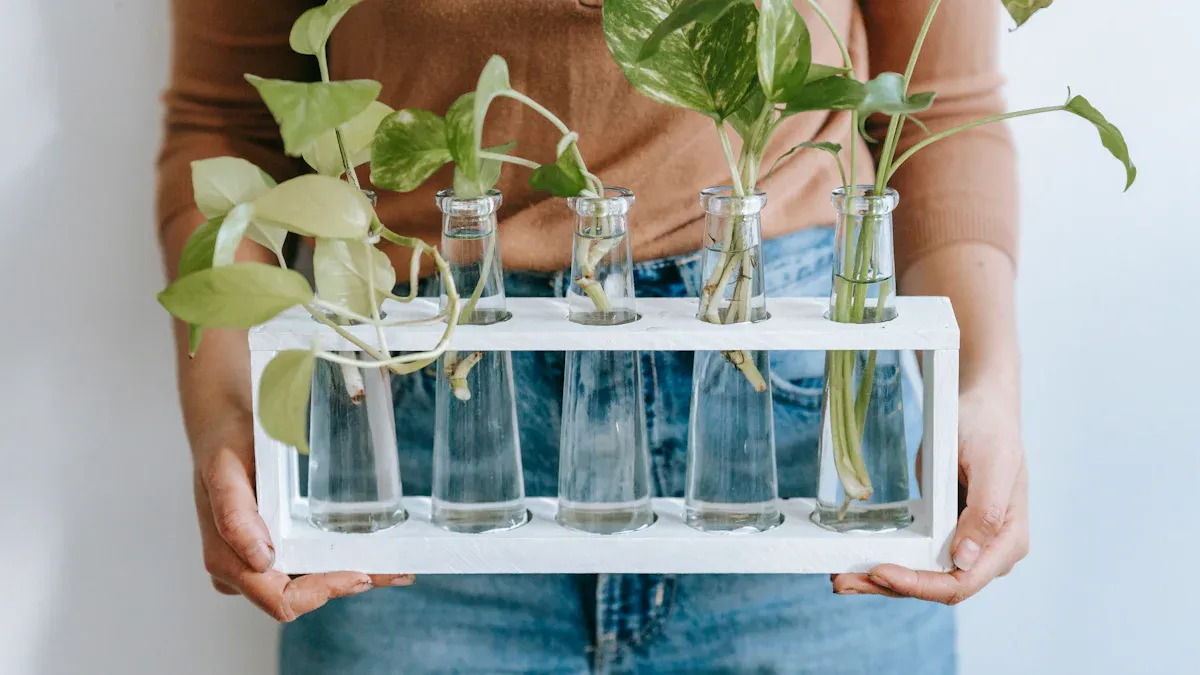
I often use water propagation because it is simple and I can watch the roots grow. For successful water propagation of Pothos, I recommend cutting at least a 6-inch section of the vine. I always make sure this section has multiple leaves along the stem.
It is crucial to include nodes near the cut. These small brown bumps on the vine are the points where new roots will develop. I also know an alternative method. I cut stems into individual leaf cuttings. Each cutting must include a small piece of vine attached to the bottom of the leaf stem. This ensures the presence of nodes. New roots will form at these essential sites. I place these cuttings in a clear glass of water. I change the water every few days to keep it fresh.
Soil Propagation Method
I also propagate Pothos directly in soil. This method can sometimes lead to less transplant shock later on. I take cuttings similar to those for water propagation. I ensure each cutting has at least one node. I dip the cut end in rooting hormone, though this is optional.
Then, I plant the cutting directly into a small pot filled with a well-draining potting mix. I keep the soil consistently moist but not soggy. I often cover the pot with a plastic bag to create a mini-greenhouse effect. This helps maintain humidity around the cutting. I remove the bag for an hour each day to allow for air circulation.
Best Time to Propagate
I have learned that timing is important for successful propagation. I find that the optimal seasons for propagating Pothos are spring and early summer. In spring, Pothos enters a growth phase. The increasing warmth and daylight promote new root development.
This helps the cuttings establish well. During early summer, elevated temperatures and extended daylight hours stimulate robust rooting. The plant is healthy during this period. I avoid propagating in winter. Propagation success is reduced then due to cooler temperatures and diminished sunlight. These conditions slow root growth and decrease cutting survival rates. I always advise waiting until spring for better growing conditions.
Transplanting Cuttings
I know when my water-rooted cuttings are ready for transplanting. The roots should be between 2-4 inches in length. I also look for signs of branching in the roots. Approximately 6 weeks of root growth should have occurred. Transplanting them once the roots are 2-4 inches long prevents limited proliferation if I grow them indefinitely in water.
I use a pot with ample drainage holes. I fill the pot with a houseplant-friendly soil mix. I often use a DIY blend of 1 part perlite, 1 part compost, and 1 part potting mix. Another good option is 2 parts peat moss, 1 part perlite, and 1 part fine pine bark. To minimize transplant shock for water-rooted cuttings, I either root them directly in soil or gradually acclimate them.
I do this by adding peat moss or coco coir to the water daily until the container is full of soil. I ensure the transplanted cuttings receive the same conditions as mature Pothos plants. This includes excellent drainage, bright indirect light, room temperature warmth, moderate humidity, and good root zone aeration.
Encouraging Bushy Growth
I always want my money plant to look full and lush. I encourage bushy growth through regular pruning. When I prune, I cut just above a node on a stem. This encourages the plant to branch out from that node. I also rotate my plant regularly. This ensures all sides receive adequate light. Adequate light promotes even growth.
I can also plant multiple cuttings in one pot. This instantly creates a fuller appearance. I also make sure my plant receives consistent care. This includes proper watering and fertilization. A healthy plant is more likely to grow bushily.
I find the money plant is truly versatile. It offers both aesthetic appeal and symbolic value. I believe this plant brings good fortune. Many people associate it with good fortune. I showed you how easy it is to care for and propagate these plants. You can grow them with minimal effort. I encourage you to enjoy your thriving plants. You can also explore the different varieties I mentioned.