

Milkweed plants play a crucial role in supporting monarch butterfly populations. However, when these plants suffer from diseases, it can lead to serious consequences for these butterflies. For instance, monarchs breeding on tropical milkweed face higher levels of protozoan infections, which can reach up to 100% prevalence. This situation raises concerns about the health and sustainability of monarch populations. The rise in parasitic infections may result in tens of millions of monarchs dying each year, threatening their genetic diversity. By understanding milkweed plant diseases, you can help protect these vital ecosystems.
Key Takeaways
Recognize the signs of milkweed diseases early. Look for discoloration, spots, wilting, and misshapen leaves to catch problems before they escalate.
Implement organic treatments as a first line of defense. Use options like sulfur fungicide and baking soda solutions to manage diseases safely.
Maintain good sanitation practices. Regularly remove affected plant material and disinfect tools to prevent disease spread.
Ensure proper care for healthy milkweed. Water deeply, use well-draining soil, and fertilize with organic materials to promote robust growth.
Engage in community efforts to support milkweed habitats. Planting native species and participating in local initiatives can enhance monarch butterfly populations.
Common Milkweed Diseases
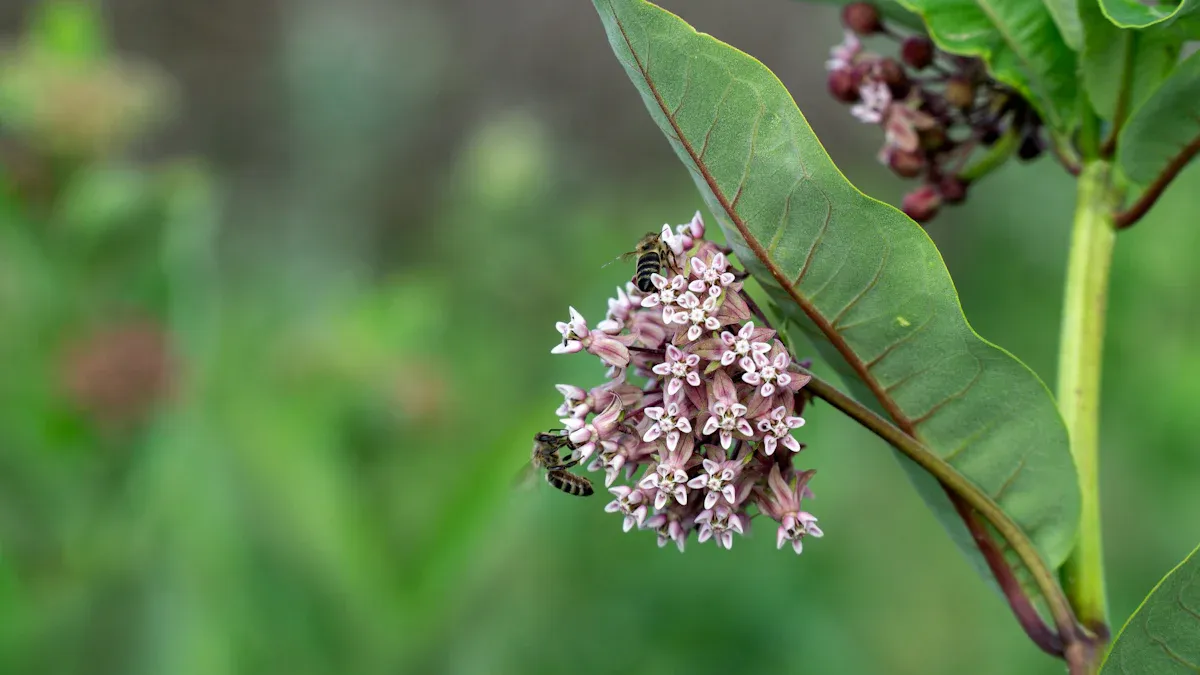
Milkweed plants face various diseases that can hinder their growth and affect the ecosystems they support. Understanding these diseases helps you take proactive measures to maintain healthy plants.
Fungal Infections
Fungal infections are common in milkweed plants, especially in conditions with excessive moisture. These infections can lead to several visible symptoms:
Brown spots on leaves
Yellow halos surrounding the spots
Wilting leaves
If you notice these signs, it’s crucial to act quickly. Remove and discard any affected leaves to prevent the spread of fungal spores. One significant fungal pathogen affecting milkweed is arbuscular mycorrhizal fungi (AMF). These fungi are essential for the growth of milkweed. A study showed that one-third of milkweed plants died when grown without AMF. This highlights the importance of these fungi in preventing plant stress and promoting health.
Bacterial Diseases
Bacterial diseases can also impact milkweed plants. Symptoms often include:
Water-soaked spots on leaves
Leaf curling or distortion
Stunted growth
These symptoms can lead to significant damage if left untreated. To manage bacterial infections, you should ensure proper air circulation around your plants. Avoid overhead watering, as this can create a humid environment that encourages bacterial growth.
Viral Infections
Viral infections present another challenge for milkweed plants. You can identify these infections through various visual symptoms:
Necrotic spots on leaves
Abnormal dark green and light green mosaic patterns
Growth distortion and stunting
Infected plants may exhibit thin, puckered leaves with darker green veins. They often develop extra stems from the leaf axils, creating a bushy appearance. Infected plants may fail to produce flowers or pods. Initially healthy plants may later show symptoms in their upper leaves, which change color and shrivel. The lower leaves often remain unaffected.
To summarize, recognizing the signs of fungal, bacterial, and viral infections in milkweed plants is essential for maintaining their health. By taking prompt action, you can help ensure vibrant growth and support the ecosystems that rely on these vital plants.
Symptoms of Milkweed Diseases
Identifying the symptoms of diseased milkweed is crucial for maintaining healthy plants. You should regularly inspect your milkweed for any unusual signs. Here are some common symptoms to watch for:
Discoloration: Look for yellowing or browning leaves. This can indicate stress or disease.
Spots: You may notice dark or water-soaked spots on the leaves. These spots often signal fungal or bacterial infections.
Wilting: If your milkweed appears droopy or wilted, it may suffer from root rot or other issues.
Misshapen Leaves: Leaves that curl, twist, or grow abnormally can indicate viral infections. These symptoms often lead to stunted growth.
In addition to these signs, you might observe changes in the overall vigor of your plants. Healthy milkweed should grow tall and robust. If you see a decline in growth or flowering, it may be time to investigate further.
Tip: Keep a close eye on the upper leaves of your milkweed. Symptoms of diseased milkweed often appear there first. Early detection can make a significant difference in treatment success.
By recognizing these symptoms early, you can take action to protect your milkweed. Regular monitoring helps you catch problems before they escalate. Remember, healthy milkweed supports not only the plants themselves but also the vital ecosystems they sustain.
Treatment for Milkweed Plant Diseases
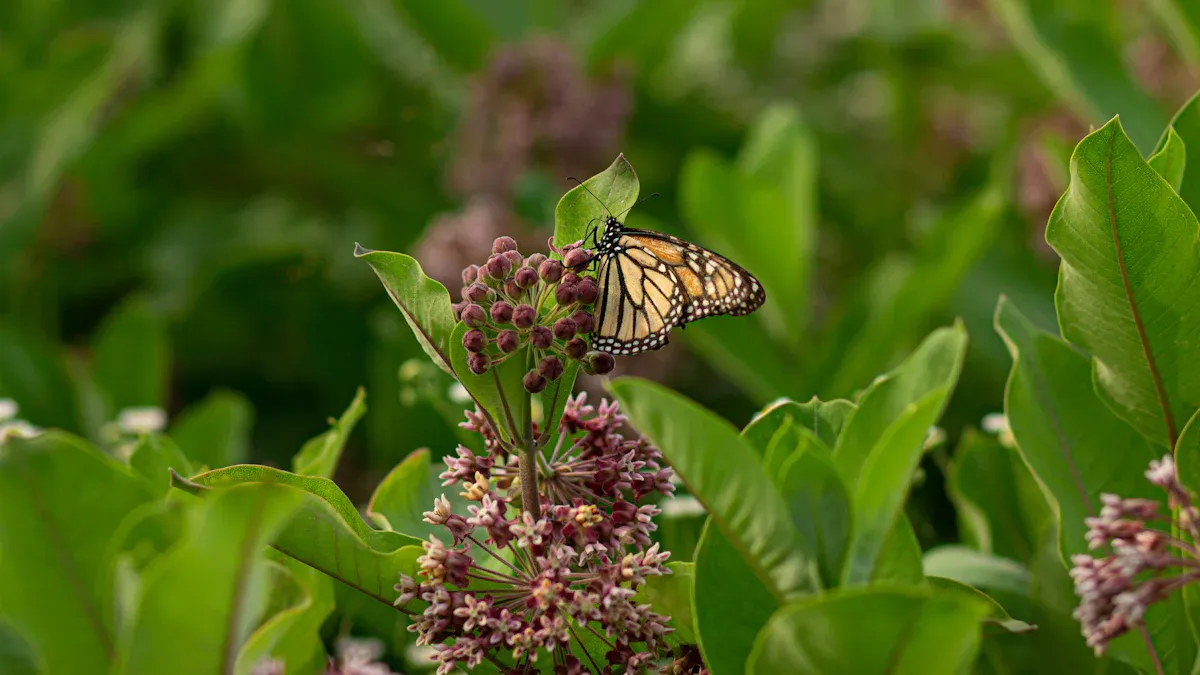
When your milkweed plants show signs of disease, prompt treatment is essential for restoring their health and promoting vibrant growth. You can choose from various treatment methods, including organic and chemical options, as well as sanitation practices to prevent further issues.
Organic Treatments
Organic treatments are often the first line of defense against milkweed diseases. They are safer for the environment and beneficial insects. Here are some effective organic treatments you can use:
Sulfur Fungicide: This treatment acts as a preventative measure against fungal spores. It slows down existing infections and helps maintain plant health.
Copper Fungicide: Known for its effectiveness, copper fungicide kills fungus and prevents infections. However, you must apply it carefully to avoid harming your plants.
Baking Soda Solution: Mix baking soda, vegetable oil, and water to create a solution that targets black spots on leaves. Apply this mixture every 7-10 days for the best results.
Using organic treatments not only helps your milkweed recover but also supports the surrounding ecosystem. You should consider these options before resorting to chemical treatments.
Chemical Treatments
If organic methods do not yield results, you may need to explore chemical treatments. These should be your last resort, as they can have adverse effects on beneficial insects and the environment. Here are some recommended chemical treatments:
Monterey Liquid Copper Fungicide: This product effectively combats a wide range of plant diseases, including leaf spots and blights.
Copper-based fungicides: These have been used for over a century and offer broad-spectrum protection. They are also approved for organic gardening.
When applying chemical treatments, always prioritize safety. Here are some important precautions:
Wear gloves to protect your skin.
Avoid touching your face, especially your eyes, after handling chemicals.
Wash your hands immediately after application.
Remember, chemical treatments can lead to oxygen depletion in the soil, which can harm aquatic life. Always use them judiciously.
Sanitation Practices
Sanitation is a critical aspect of maintaining healthy milkweed plants. By implementing good sanitation practices, you can prevent the spread of diseases. Here are some steps you can take:
Remove Affected Plant Material: Regularly inspect your milkweed and remove any diseased leaves or stems. This helps prevent the spread of pathogens.
Clean Tools and Equipment: Always disinfect your gardening tools after working with infected plants. This reduces the risk of transferring diseases to healthy plants.
Practice Crop Rotation: If you grow milkweed in the same area each year, consider rotating your crops. This practice helps break the disease cycle and promotes healthier plants.
By combining these treatment methods and sanitation practices, you can effectively manage milkweed diseases and support the growth of these vital plants.
Preventive Measures for Healthy Milkweed
Maintaining healthy milkweed plants requires consistent care and attention. You can implement several best practices to promote robust growth and prevent diseases.
Best Care Practices
To keep your milkweed thriving, follow these essential care tips:
Water your milkweed when the top several inches of soil feel dry. Deep watering encourages a strong root system.
Use well-draining soil and avoid wetting the foliage. This practice reduces the risk of mold and fungal infections.
Fertilize with organic mulch or compost each spring. While milkweed can thrive without fertilizer, this extra support can enhance growth.
Deadhead spent flowers to prevent self-seeding. This keeps your plants tidy and encourages new blooms.
Trim the plant back in the fall. This action helps avoid overwintering butterfly colonies, which can lead to disease spread.
Regular monitoring of your plants is vital. Inspect them frequently for early signs of trouble, such as unusual leaf discoloration or pest activity. Prompt intervention can prevent larger infestations and protect your milkweed habitat.
Environmental Considerations
The environment plays a significant role in the health of your milkweed. Soil quality and moisture levels directly affect their susceptibility to diseases. High soil moisture can enhance gas exchange, which is crucial for plant health. Conversely, low moisture can reduce gas exchange and increase disease vulnerability.
Local climate also influences disease prevalence. For example, warm climates like Florida allow for year-round monarch butterflies, increasing their exposure to diseases. You should consider planting native milkweed species that are less prone to pests. This choice can help reduce disease incidence and support milkweed pollinators.
Community-based initiatives can further enhance milkweed habitats. Engaging in local projects helps gather data and educate others about the importance of milkweed. More native milkweed correlates with higher numbers of monarch butterflies, emphasizing the need for collective efforts to plant and maintain these vital plants.
By following these preventive measures, you can ensure the health of your milkweed and support the ecosystems that depend on them.
In summary, managing milkweed diseases is vital for the health of these plants and the ecosystems they support. By recognizing symptoms early and applying effective treatments, you can promote vibrant growth. Remember, healthy milkweed contains cardenolides, which help monarchs fend off predators and parasites. These natural chemicals improve the longevity and reproductive rates of monarchs.
Research shows that strategic mowing can significantly increase the abundance of monarch butterfly eggs. This highlights the importance of timing in your care practices. Ongoing studies continue to explore the relationship between milkweed properties and monarch immunity, paving the way for better disease management strategies.
By taking proactive steps, you can ensure that your milkweed thrives, supporting not only the plants but also the vital pollinators that rely on them.
FAQ
What are the signs of a fungal infection in milkweed?
You can identify fungal infections by looking for brown spots on leaves, yellow halos around those spots, and wilting leaves. Early detection is key to managing these infections effectively.
How can I prevent bacterial diseases in my milkweed?
To prevent bacterial diseases, ensure proper air circulation around your plants. Avoid overhead watering, as it creates a humid environment that encourages bacterial growth.
What should I do if my milkweed shows viral symptoms?
If you notice viral symptoms, such as necrotic spots or distorted growth, remove affected plants immediately. This action helps prevent the spread of the virus to healthy plants.
Are organic treatments effective for milkweed diseases?
Yes, organic treatments like sulfur fungicide and baking soda solutions can effectively manage milkweed diseases. They are safer for the environment and beneficial insects.
How often should I inspect my milkweed for diseases?
Inspect your milkweed plants at least once a week. Regular monitoring helps you catch any signs of disease early, allowing for prompt treatment and healthier plants.