

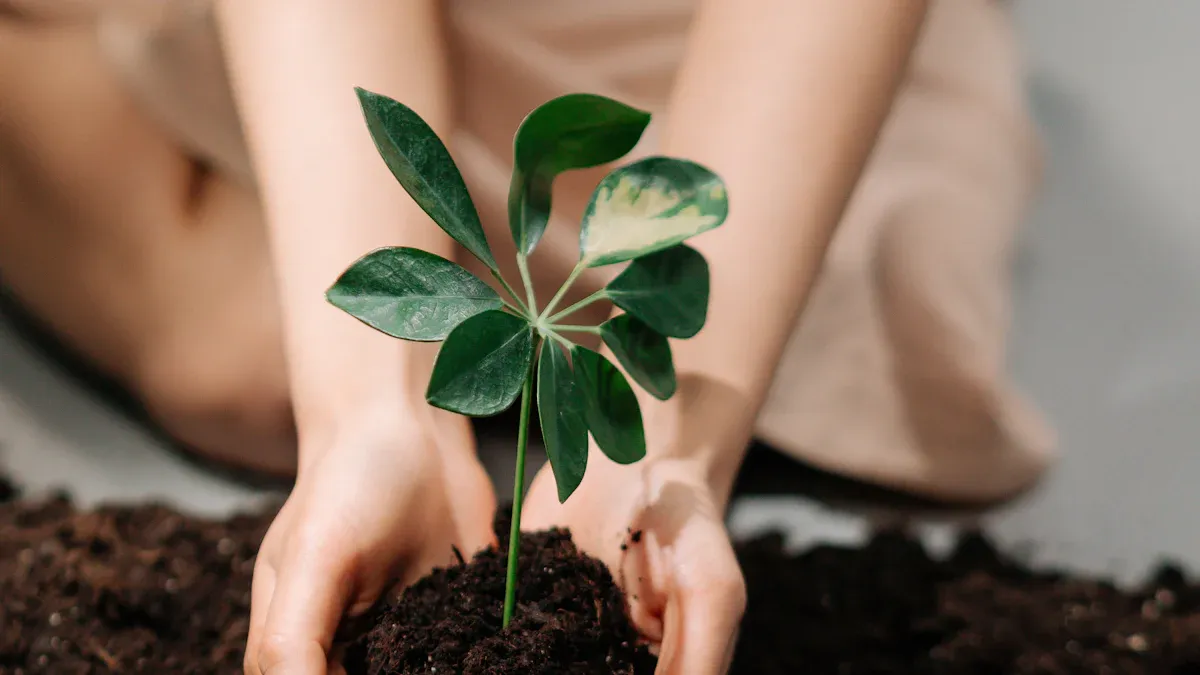
Managing magenta plant seeds effectively is crucial for a successful garden. Proper storage, sowing, and germination techniques can significantly enhance your gardening experience. When you store seeds correctly, you preserve their viability for future planting. Sowing seeds at the right time and preparing the soil properly fosters healthy plants. These steps not only improve your garden’s yield but also ensure vibrant blooms that can brighten any space.
Key Takeaways
Store magenta plant seeds in cool, dark places. Aim for temperatures between 35°F to 40°F and keep humidity below 10-12%.
Sow seeds after the last frost date in spring. Ensure soil temperatures are between 60°F to 70°F for optimal germination.
Prepare your soil by testing pH levels. The ideal pH for magenta plant seeds is between 6.0 and 7.0.
Maintain consistent moisture during germination. Keep soil moist but not soggy to prevent root rot.
Monitor your seedlings daily. Regular checks help catch issues early and ensure healthy growth.
Seed Storage
Storing magenta plant seeds properly is essential for maintaining their viability. You want to create the best conditions for your seeds to thrive when you decide to plant them. Here’s how to achieve that.
Ideal Conditions
To keep your seeds fresh, focus on these ideal storage conditions:
Temperature: Aim for a storage temperature between 35°F to 40°F. This range helps maintain seed viability.
Humidity: Keep humidity levels below 10-12%. High humidity can accelerate seed deterioration.
Containers: Use airtight containers to protect seeds from moisture. Here are some effective options:
Glass jars: Excellent for keeping moisture out, especially when used with desiccant packets.
Photo storage boxes: Protect seeds from light, moisture, and dust while allowing for easy organization.
Airtight containers: Essential for long-term seed storage to maintain seed quality.
Tip: A good rule of thumb is that the sum of temperature (°F) and relative humidity should be less than 100. For example, if your storage temperature is 40°F, the humidity should be below 60%.
Best Practices
Implementing best practices for seed saving can significantly enhance the longevity of your magenta plant seeds. Here are some effective techniques:
Avoid Warm Locations: Do not store seeds in warm, humid, or sunny areas. Avoid leaving them in a greenhouse or hoophouse for extended periods.
Use Sealed Containers: Store seeds in sealed jars in a freezer or refrigerator to maintain low humidity levels. This method keeps seeds dry and prevents premature germination.
Monitor Moisture: Keeping seeds dry is crucial for their freshness. Excess moisture can lead to issues like mold or premature germination, making seeds unusable.
Check Viability: The storage life of seeds depends on their initial viability and moisture content. Different varieties may have different storage requirements, so be mindful of these factors.
By following these guidelines, you can ensure that your magenta plant seeds remain viable for future planting. Proper seed storage not only preserves heirloom varieties but also enhances your gardening success.
Sowing Magenta Plant Seeds
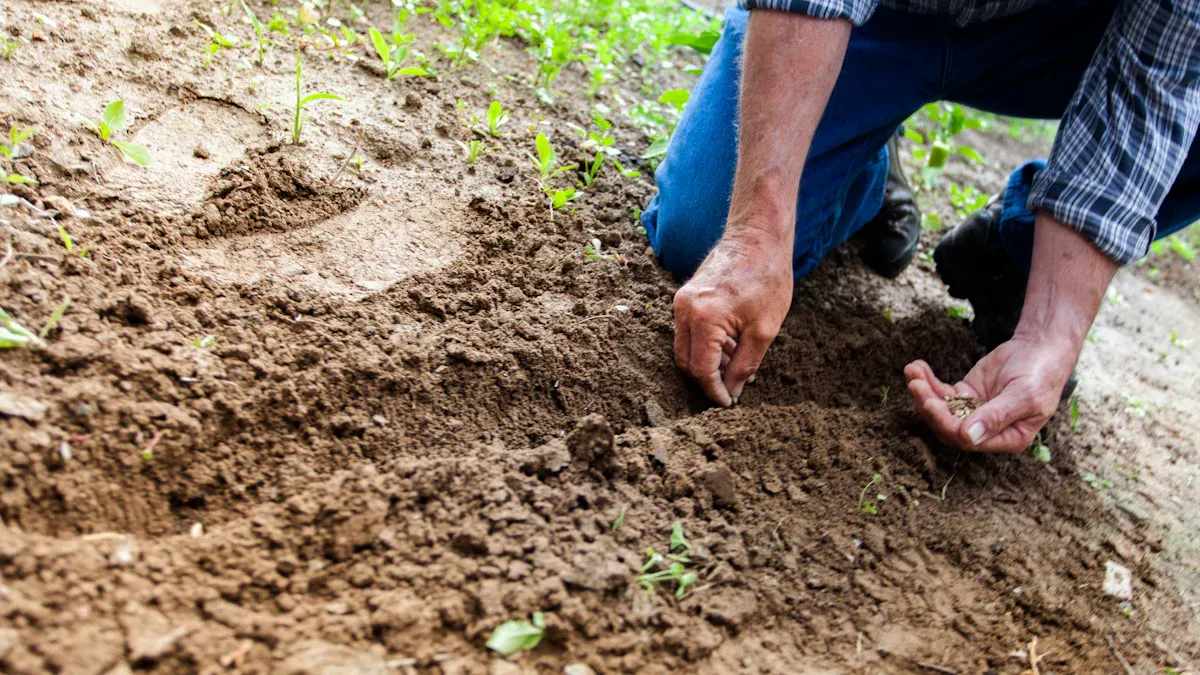
Sowing magenta plant seeds at the right time is crucial for a successful garden. Timing affects germination rates and overall plant health.
Timing for Sowing
You should sow your seeds after the last frost date in spring. This timing helps you avoid frost damage to young plants. Here are some key points to consider:
Soil Temperature: Ensure soil temperatures are between 60°F to 70°F for optimal germination.
Local Planting Calendars: Consult these calendars to determine the best timing based on your region’s conditions.
Sowing at the right time aligns with the temperature preferences of magenta plant seeds. This alignment significantly enhances germination rates, ensuring your seeds thrive.
Soil Preparation
Preparing the soil properly sets the foundation for healthy plants. Start by testing the soil pH. The ideal pH for magenta plant seed germination is between 6.0 and 7.0. You can improve your soil with the following amendments:
Compost: This improves soil structure, fertility, and moisture retention.
Worm Castings: A nutrient-rich option that enhances soil health when mixed with other composts.
Slow-Release Organic Fertilizer: This provides essential nutrients when mixed into the topsoil.
Additionally, ensure your soil has a well-drained texture. Magenta plants thrive in well-drained soil, which is essential for successful seed sowing.
By focusing on the right timing and preparing your soil effectively, you can create an ideal environment for your magenta plant seeds. This preparation will lead to a thriving garden filled with vibrant blooms.
Germination of Magenta Plant Seeds
Germination is a critical phase in growing magenta plants. You want to create the best conditions for your seeds to sprout and thrive. Here’s how to ensure successful germination.
Optimal Conditions
To achieve optimal germination for magenta plant seeds, focus on the following conditions:
Temperature: Maintain a temperature range between 70°F to 85°F (21°C to 29°C). This warmth encourages seeds to germinate effectively.
Moisture: Keep the soil consistently moist but not soggy. Overwatering can lead to root rot, which negatively affects germination. Use a clear cover to help retain moisture without suffocating the seeds.
Light: Some seeds require light to germinate, while others do not. Generally, providing light is advisable. Ensure your seedlings receive adequate light to promote healthy growth.
Tip: Check your seedlings daily during the first few weeks. This regular observation helps you catch any issues early.
Troubleshooting Germination
Sometimes, you may encounter problems during the germination process. Here are common issues and their solutions:
Quality of Seeds: If seeds are not fresh or viable, they may never germinate. Always use good-quality seeds from a trusted supplier.
Environmental Factors: Germination may start and then stop due to temperature fluctuations or low humidity. Ensure you maintain stable conditions.
Wilting Seedlings: Seedlings can wilt due to excessive heat or inconsistent moisture. Monitor your watering schedule closely.
Here’s a table summarizing some common problems and their descriptions:
Problem | Description |
|---|---|
DRY SOIL | Insufficient moisture in the soil can hinder seed germination. A clear cover can help retain moisture. |
INADEQUATE LIGHT | Some seeds require light to germinate, while others do not. Providing light is generally advisable. |
To improve germination rates, consider these tips:
Give seeds extra time to germinate if conditions are not ideal.
Pre-sprout seeds using a damp paper towel for quicker germination.
Ensure proper moisture levels in the seed starting mix, avoiding overly wet or dry conditions.
Plant seeds at the correct depth as indicated on the seed package.
By following these guidelines, you can enhance the germination of your magenta plant seeds. Proper care during this stage sets the foundation for healthy seedlings and vibrant plants in your garden.
In summary, effective management of magenta plant seeds leads to a thriving garden. You can enhance seed viability and improve germination rates by following best practices for storage and sowing. Techniques like seed priming and magnetic field treatments can boost seed vigor and reduce planting costs. Remember, a well-prepared environment fosters healthy plants. Embrace these methods to enjoy a vibrant and flourishing garden filled with beautiful blooms.
FAQ
What are the best conditions for storing magenta plant seeds?
Store magenta plant seeds in a cool, dark place with temperatures between 35°F to 40°F. Keep humidity below 10-12% to maintain seed viability.
How deep should I sow magenta plant seeds?
Sow magenta plant seeds at a depth of about 1/4 inch. This depth allows for proper moisture absorption and encourages healthy seedlings.
How often should I water seedlings?
Water seedlings regularly to keep the soil consistently moist but not soggy. Check daily, especially in warm weather, to prevent drying out.
When can I transplant my seedlings outdoors?
Transplant seedlings outdoors after the last frost date and when they reach about 3-4 inches tall. Ensure they acclimate to outdoor conditions gradually.
How long does it take for magenta plant seeds to germinate?
Magenta plant seeds typically germinate within 7 to 14 days under optimal conditions. Ensure you maintain the right temperature and moisture levels for best results.